Tag
#kgb
4 articles
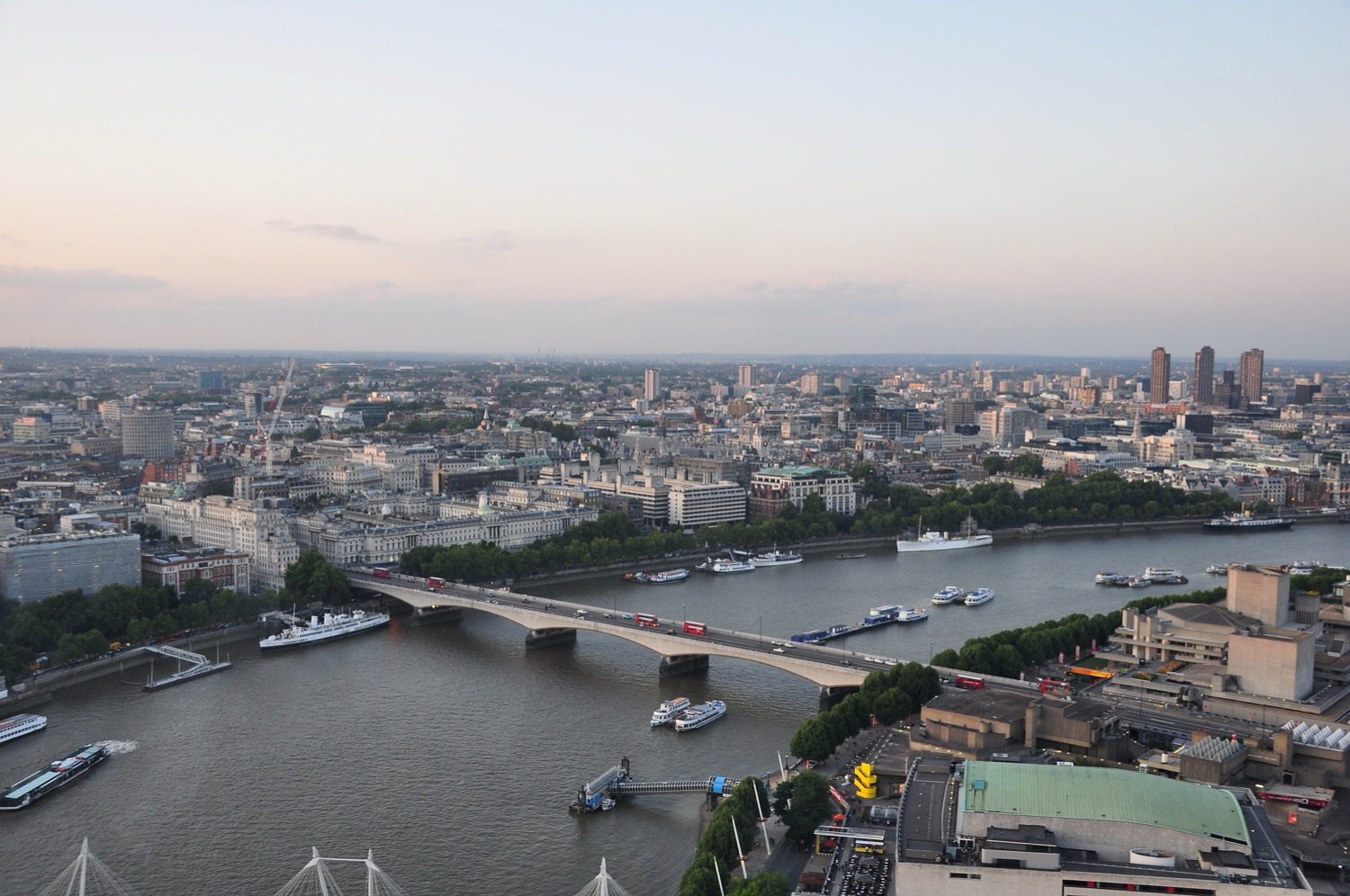
The Umbrella Murder: The Poisoning of Georgi Markov
On the afternoon of 7 September 1978, Georgi Markov, a Bulgarian émigré writer, was waiting at a bus stop on Waterloo Bridge in London, on his way to his job at the BBC World Service, when he felt a sudden sharp sting in the back of his right thigh. Turning, he saw a man behind him bending to pick up a dropped umbrella; the man apologised in a foreign accent, hurried across the road, and got into a taxi. Markov thought little of it at first, but by that evening he had developed a high fever, and over the next three days his condition collapsed catastrophically. He died on 11 September, aged forty-nine. A post-mortem examination found, embedded in his thigh, a tiny metal pellet no larger than a pinhead, drilled with minuscule cavities that had held a dose of ricin — one of the deadliest toxins known, and one for which there is no antidote. Markov had been assassinated in broad daylight on a London street, murdered for the crime of broadcasting the truth about the communist regime in his homeland. The method — a poison pellet delivered, it is believed, by a specially engineered umbrella — became one of the most infamous images of Cold War espionage, and the killing itself one of its clearest examples of a state reaching across borders to silence a dissident. This is the story of the umbrella murder.
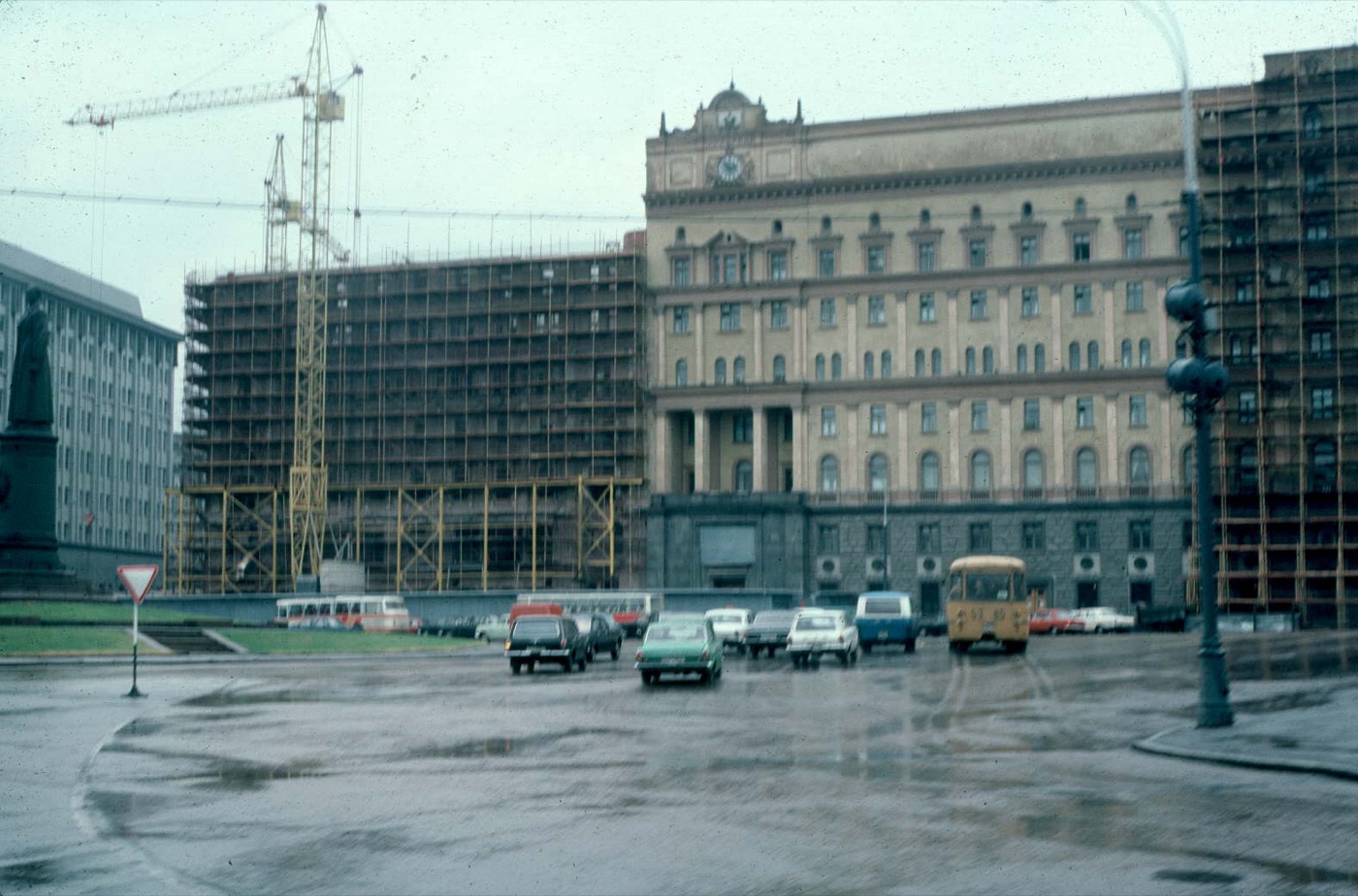
The Mitrokhin Archive: The KGB Clerk Who Stole the KGB's Secrets
Vasili Mitrokhin was not a spy in the usual sense, and that is exactly what made him so dangerous to the organisation he served. He was a KGB officer who, after years of disillusionment, had been moved sideways into the archives of the First Chief Directorate — the service's foreign-intelligence arm — and given responsibility for supervising the transfer of its entire secret file collection to a new headquarters. It was the most sensitive paper in the Soviet Union: decades of records on agents, operations, and informants spread across the West and the wider world. For roughly twelve years, from 1972 until his retirement in 1984, Mitrokhin used his extraordinary access to commit one of the most audacious acts of intelligence defiance in history. Alone, by hand, he copied and summarised thousands of the KGB's most secret documents, scribbling notes on scraps of paper that he hid in his shoes and clothing and carried out of headquarters past the guards, day after day, year after year. At home he transcribed them, and then he hid the growing archive — sealed in milk churns and tin containers and buried beneath the floor and in the garden of his dacha outside Moscow. He could not get it to the West while the Soviet Union stood. But when the USSR collapsed, in 1992, Mitrokhin travelled to the newly independent Baltic states, walked into a Western embassy, and offered his life's secret work. British intelligence grasped what he was holding, spirited him, his family, and six cases of material out of Russia, and acquired in a single stroke the most comprehensive record of Soviet foreign intelligence operations ever to reach the West. This is the story of the quiet archivist who stole the KGB's own history.
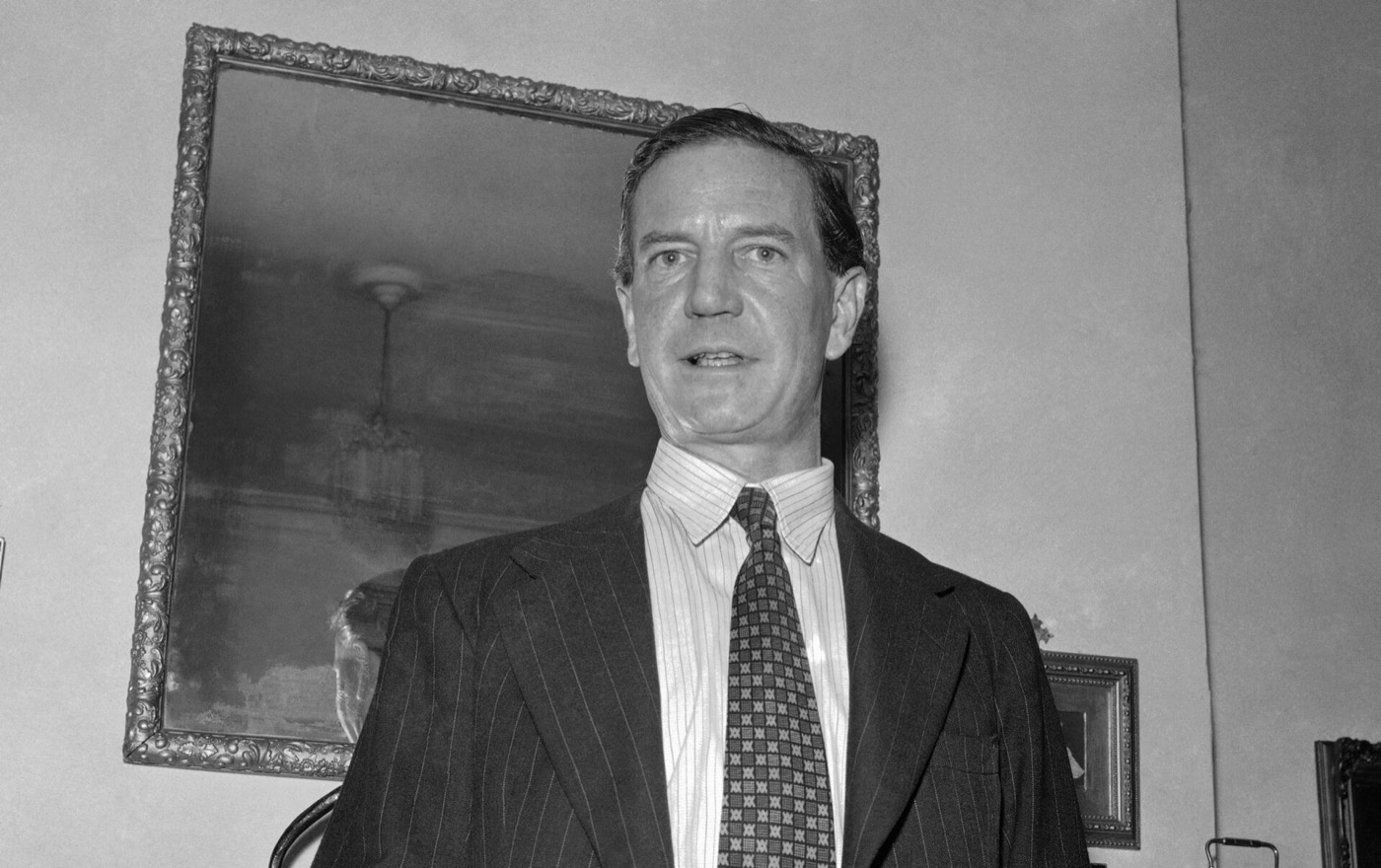
The Cambridge Five and the Spies at the Heart of British Intelligence
In the 1930s, Soviet intelligence undertook one of the most ambitious recruitment operations in the history of espionage: rather than buying secrets from disgruntled clerks, it would cultivate brilliant young Britons at the start of their careers, men of the right schools and the right accents who could be guided, over decades, into the very heart of the British establishment. The most famous of these recruits were five Cambridge University men — Kim Philby, Guy Burgess, Donald Maclean, Anthony Blunt, and John Cairncross — who became known as the Cambridge Five. They were not desperate or marginal figures but charming, talented members of the elite, and that was precisely the point. Over the following decades they penetrated the Foreign Office, the security service MI5, the secret intelligence service MI6, and the wartime codebreaking establishment, passing a torrent of British and American secrets to Moscow. Philby rose so high within MI6 that he was considered a future chief of the service — while serving the entire time as a Soviet agent, even as he was nominally in charge of countering the Soviet threat. The ring began to unravel in 1951, when Burgess and Maclean vanished to Moscow one step ahead of exposure; Philby fell under suspicion but was protected by an establishment unable to believe one of its own could be a traitor, and he did not flee to Moscow until 1963. Blunt, by then a knighted royal art adviser, secretly confessed but was not publicly named until 1979. The damage they did — to operations, to agents, to trust between Britain and its allies — was immense and, in places, fatal. This is the story of how five men of the establishment betrayed it from within, and how the establishment's own blindness let them.
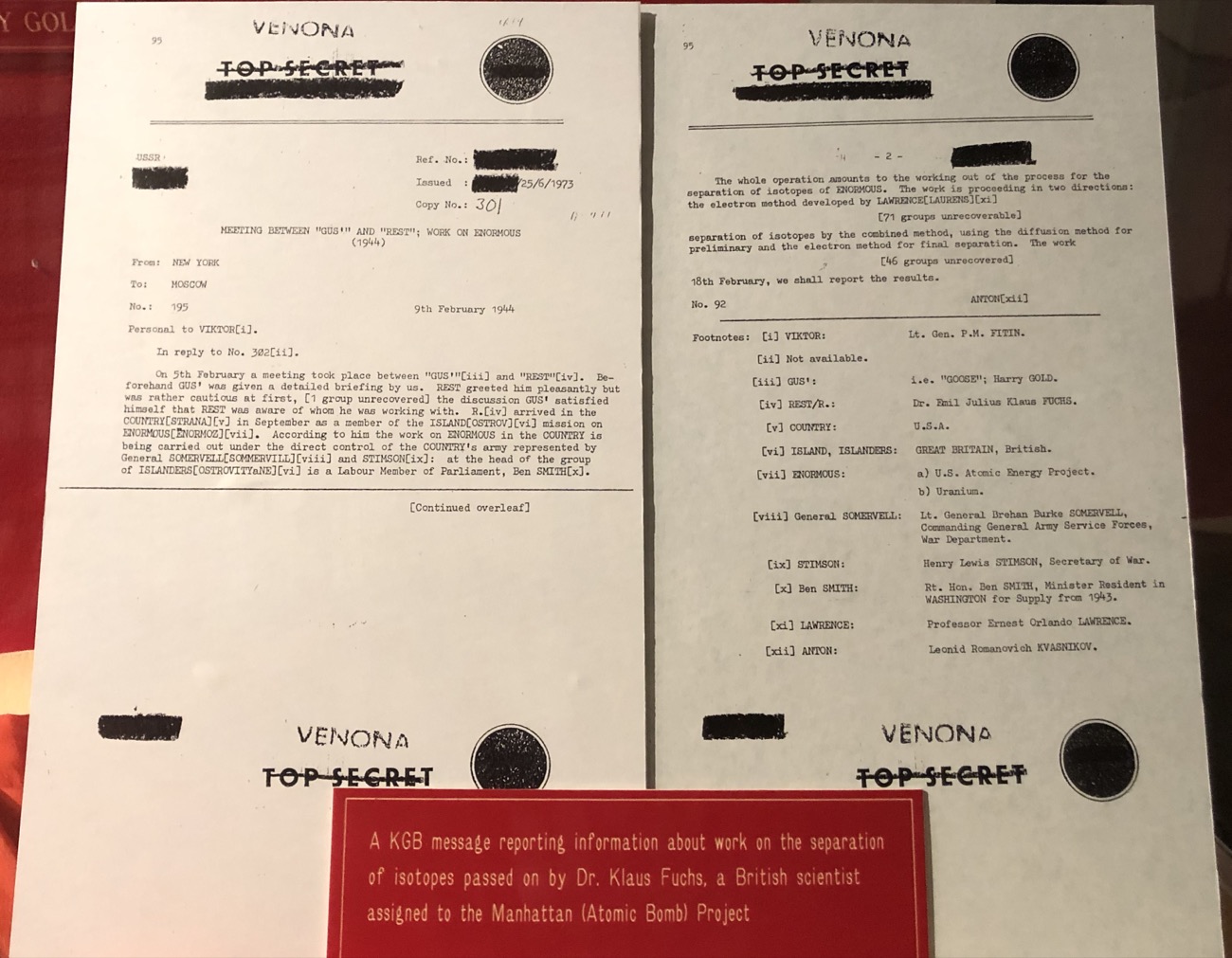
Venona: The Secret Code-Break That Exposed the Soviet Spies
In February 1943, in a converted girls' school outside Washington, a small team of American codebreakers began an attack on a target almost everyone believed was hopeless: the enciphered cable traffic of Soviet intelligence. The Soviets encrypted their most secret messages using a one-time pad, a system that is, in theory, mathematically unbreakable — and the Soviet Union was, at that moment, an ally of the United States in the war against Hitler. Yet the project, later given the codename Venona, would become one of the most consequential intelligence operations of the twentieth century. Exploiting a wartime mistake by Soviet cipher clerks, who had reused pages of supposedly single-use pads, the American cryptanalysts slowly, painstakingly began to read the unreadable. What they found, message by fragmentary message across years of labour, was staggering: the Soviet Union had run a vast espionage campaign inside the United States during the war, with hundreds of sources reaching into the Manhattan Project that built the atomic bomb, the State Department, the Treasury, and the heart of the intelligence services of both America and Britain. Venona helped expose the atomic spy Klaus Fuchs, the ring around Julius and Ethel Rosenberg, and the British traitor Donald Maclean of the Cambridge Five. But the decrypts were guarded with such obsessive secrecy that they could not be used as evidence in open court, and for decades the government knew truths it could not prove and could barely speak. The project remained classified until 1995, when the release of its files rewrote the secret history of the early Cold War. This is the story of the code-break that saw into the heart of Soviet espionage, and of the silence that surrounded it for fifty years.
4 files · end of the line