Tag
#mi6
4 articles
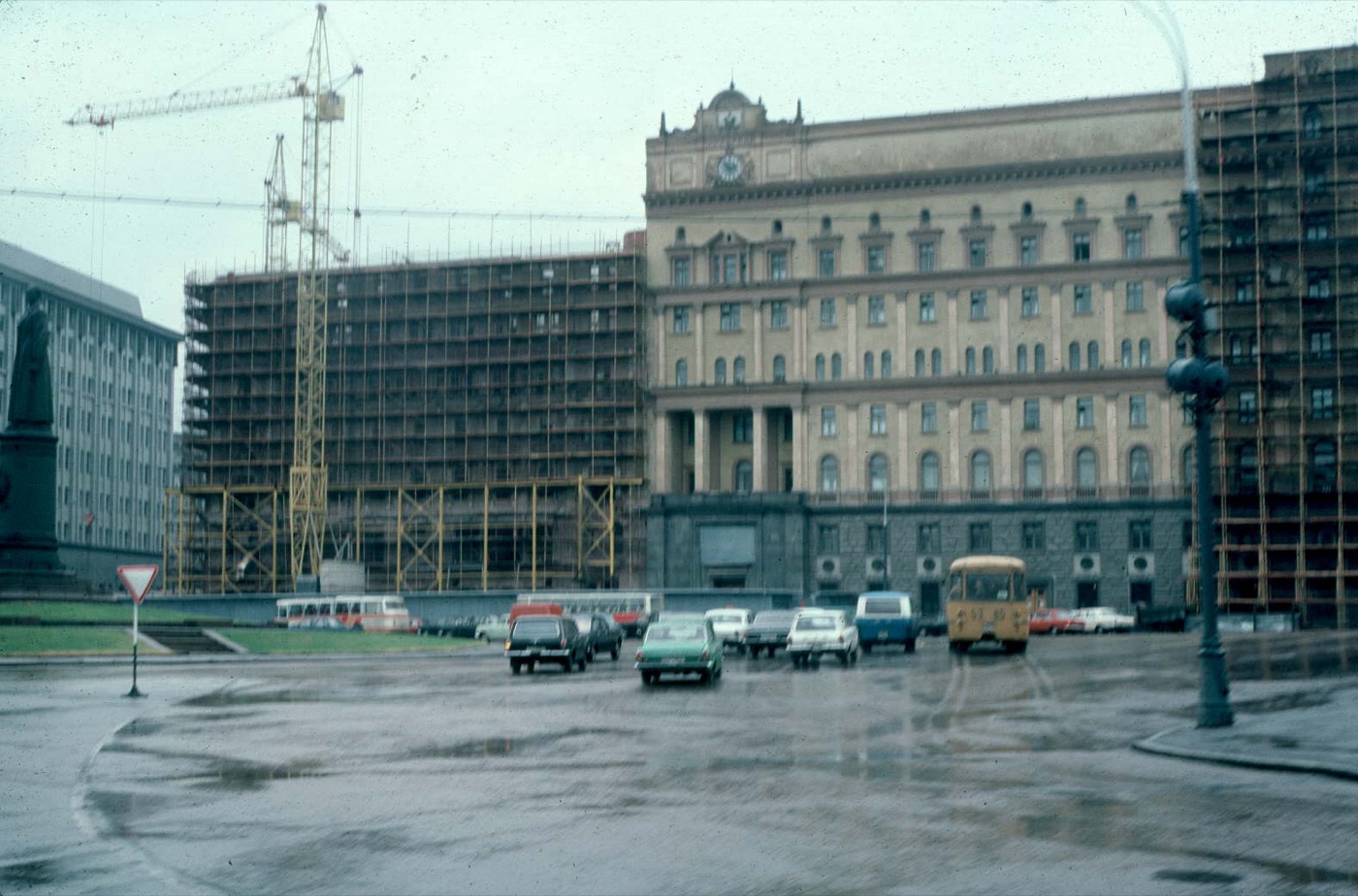
The Mitrokhin Archive: The KGB Clerk Who Stole the KGB's Secrets
Vasili Mitrokhin was not a spy in the usual sense, and that is exactly what made him so dangerous to the organisation he served. He was a KGB officer who, after years of disillusionment, had been moved sideways into the archives of the First Chief Directorate — the service's foreign-intelligence arm — and given responsibility for supervising the transfer of its entire secret file collection to a new headquarters. It was the most sensitive paper in the Soviet Union: decades of records on agents, operations, and informants spread across the West and the wider world. For roughly twelve years, from 1972 until his retirement in 1984, Mitrokhin used his extraordinary access to commit one of the most audacious acts of intelligence defiance in history. Alone, by hand, he copied and summarised thousands of the KGB's most secret documents, scribbling notes on scraps of paper that he hid in his shoes and clothing and carried out of headquarters past the guards, day after day, year after year. At home he transcribed them, and then he hid the growing archive — sealed in milk churns and tin containers and buried beneath the floor and in the garden of his dacha outside Moscow. He could not get it to the West while the Soviet Union stood. But when the USSR collapsed, in 1992, Mitrokhin travelled to the newly independent Baltic states, walked into a Western embassy, and offered his life's secret work. British intelligence grasped what he was holding, spirited him, his family, and six cases of material out of Russia, and acquired in a single stroke the most comprehensive record of Soviet foreign intelligence operations ever to reach the West. This is the story of the quiet archivist who stole the KGB's own history.
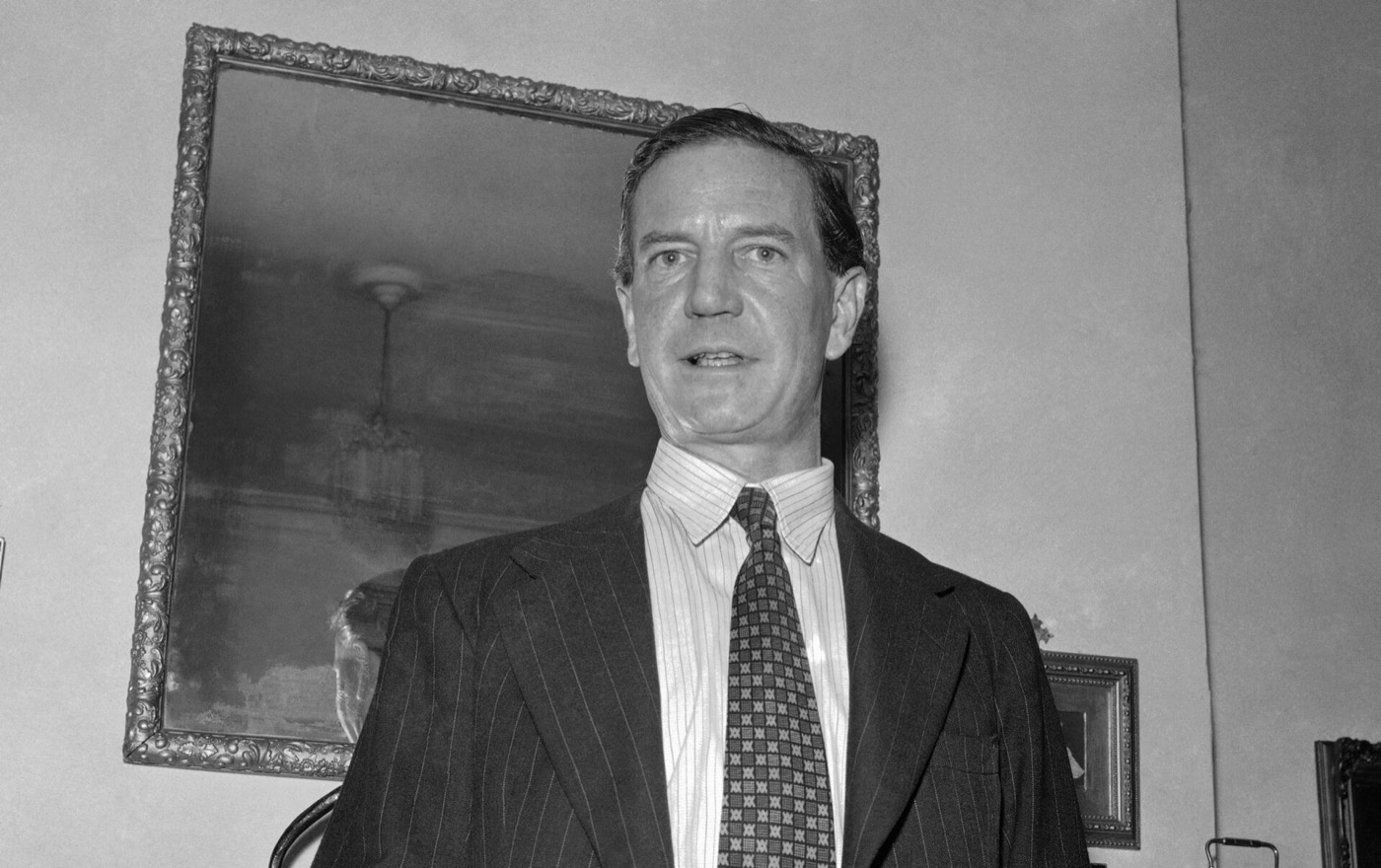
The Cambridge Five and the Spies at the Heart of British Intelligence
In the 1930s, Soviet intelligence undertook one of the most ambitious recruitment operations in the history of espionage: rather than buying secrets from disgruntled clerks, it would cultivate brilliant young Britons at the start of their careers, men of the right schools and the right accents who could be guided, over decades, into the very heart of the British establishment. The most famous of these recruits were five Cambridge University men — Kim Philby, Guy Burgess, Donald Maclean, Anthony Blunt, and John Cairncross — who became known as the Cambridge Five. They were not desperate or marginal figures but charming, talented members of the elite, and that was precisely the point. Over the following decades they penetrated the Foreign Office, the security service MI5, the secret intelligence service MI6, and the wartime codebreaking establishment, passing a torrent of British and American secrets to Moscow. Philby rose so high within MI6 that he was considered a future chief of the service — while serving the entire time as a Soviet agent, even as he was nominally in charge of countering the Soviet threat. The ring began to unravel in 1951, when Burgess and Maclean vanished to Moscow one step ahead of exposure; Philby fell under suspicion but was protected by an establishment unable to believe one of its own could be a traitor, and he did not flee to Moscow until 1963. Blunt, by then a knighted royal art adviser, secretly confessed but was not publicly named until 1979. The damage they did — to operations, to agents, to trust between Britain and its allies — was immense and, in places, fatal. This is the story of how five men of the establishment betrayed it from within, and how the establishment's own blindness let them.
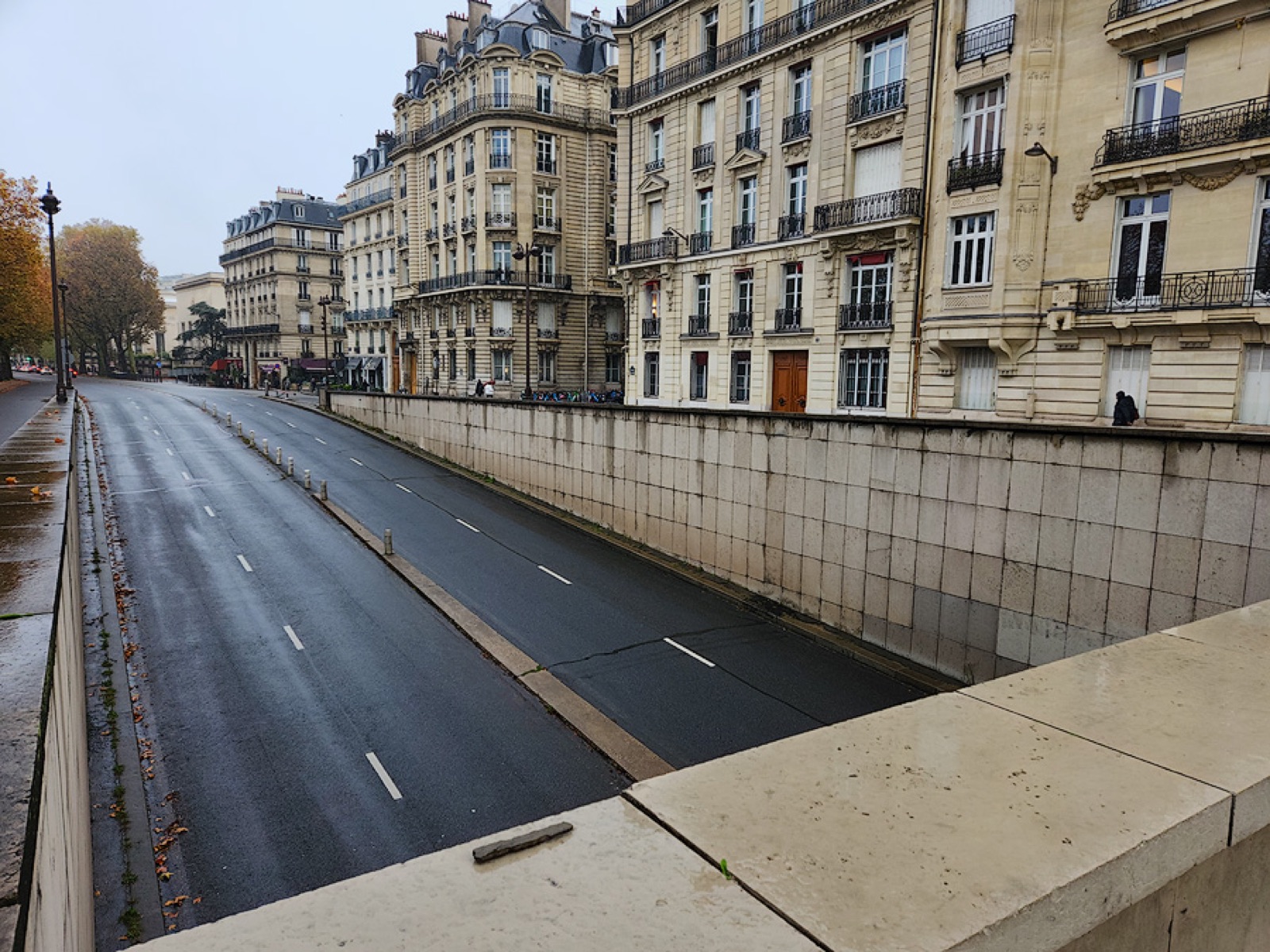
Princess Diana
At 12:23 a.m. on Sunday, August 31, 1997, a black Mercedes-Benz S280 traveling at approximately 105 km/h entered the Pont de l'Alma underpass in central Paris. Six seconds later it hit the thirteenth concrete pillar dividing the eastbound and westbound lanes. Diana, Princess of Wales, 36, was in the back seat. So were her companion Dodi Fayed, 42, and bodyguard Trevor Rees-Jones, 29. Henri Paul, 41, the acting Ritz security manager driving without a chauffeur licence, was at the wheel. Fayed and Paul died at the scene. Diana was pronounced dead at 4:00 a.m. at the Pitié-Salpêtrière hospital. Only Rees-Jones — the only passenger wearing a seat belt — survived, with severe facial injuries he would never fully remember. The French judicial investigation closed in 1999 with the conclusion that the cause was reckless driving by Henri Paul under the influence of alcohol and prescription drugs. The 2004-2006 British inquiry Operation Paget, led by Metropolitan Police Commissioner Lord Stevens, reached the same conclusion across 832 pages. The 2007-2008 British inquest, before a jury of eleven, returned a verdict of *unlawful killing* by gross negligence of Henri Paul and the following paparazzi. No criminal trial has ever been held. The conspiracy theory that Diana was murdered — by MI6, by the Royal Family, by Mohamed Al-Fayed's enemies, by any of half a dozen other proposed perpetrators — has nonetheless persisted for nearly thirty years.

Iran 1953 — Operation Ajax
In the summer of 1953, the CIA was six years old. It had never overthrown a government. By August 19 of that year, working with British MI6, it had — and the country it had overthrown was Iran, the prime minister was Mohammad Mosaddegh, and the cause was, almost entirely, oil. The operation was codenamed Ajax. It was authorized by President Eisenhower against the recommendation of his Secretary of State, executed on the ground by a 36-year-old grandson of Theodore Roosevelt, and very nearly failed. The CIA officially acknowledged its role only in August 2013.
4 files · end of the line