Tag
#uk
5 articles
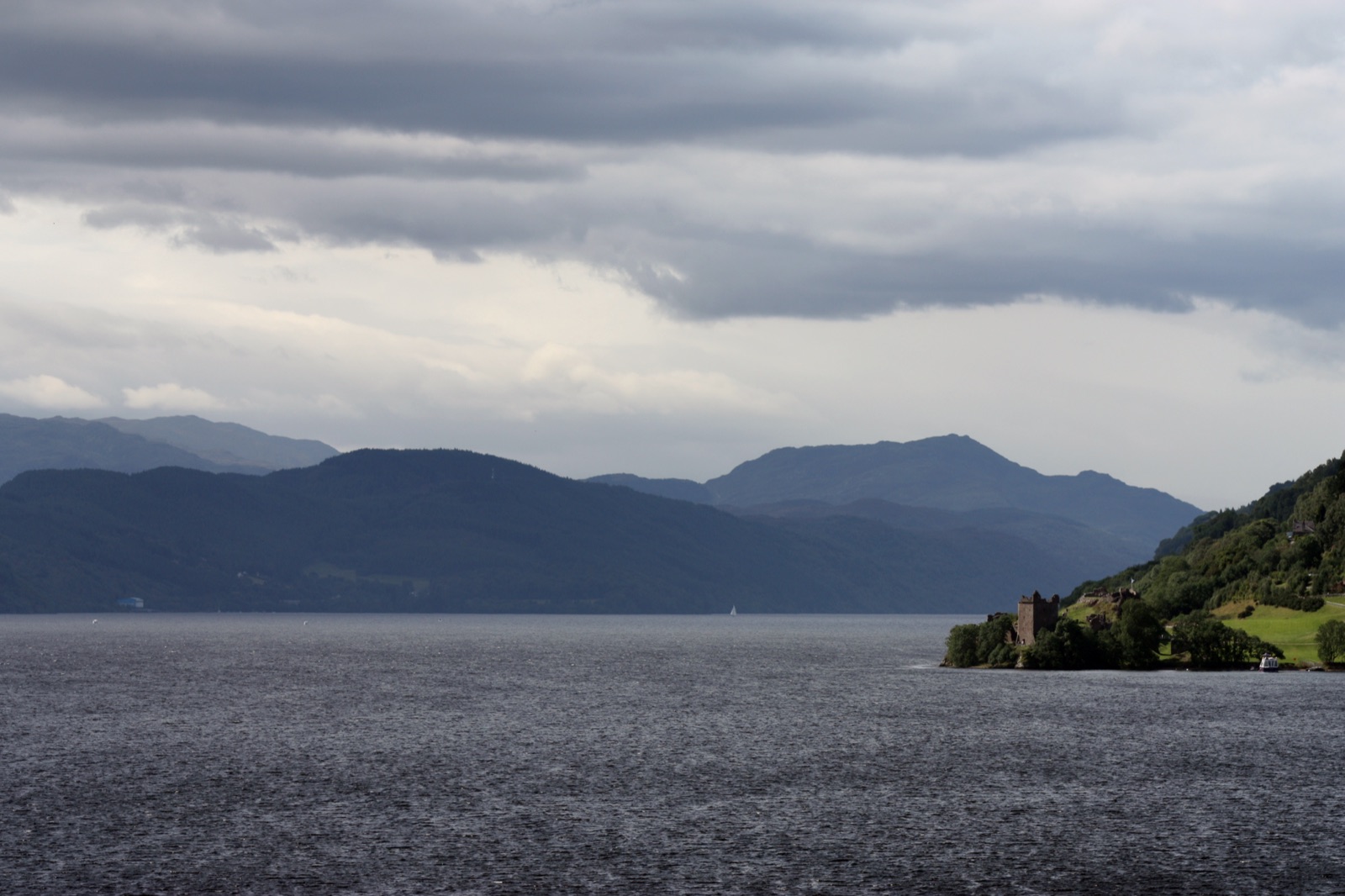
The Loch Ness Monster and the Photograph That Was a Toy Submarine
Loch Ness is a long, deep, black ribbon of water in the Great Glen of the Scottish Highlands, holding more fresh water than every lake in England and Wales combined, its surface often mirror-still beneath brooding hills and its depths so stained with peat that a diver cannot see his own hand. In 1933, as a new road opened up its shore to motorists and reporters, it acquired a tenant: a large, unknown creature, glimpsed humping across the water and, in one celebrated case, lurching across the road itself, which a newspaper editor christened a 'monster.' Within a year the creature had its defining portrait — the 'Surgeon's Photograph,' a grainy image of a small head on a long, curving neck rising from the ripples, taken, it was said, by a respectable London doctor who wanted no part of the fuss. For sixty years that photograph was the single best piece of evidence that something extraordinary lived in Loch Ness. In 1994 it was revealed to be a hoax: a sculpted head mounted on a clockwork toy submarine, floated on the loch by a man bent on revenge against the very newspaper that printed it. That revelation is a fair emblem of the whole case. A sonar flotilla swept the loch in 1987 and found nothing it could call a monster; a 2018 survey that sequenced the DNA in the loch's water found eels in abundance and not a trace of any reptile or unknown giant. By the cold standards of evidence, the Loch Ness Monster has been looked for as hard as any creature on earth and has never been found. And yet it persists — in the sightings, in the searches, in the tens of millions of pounds it draws to the Highlands every year. This article sets out what is actually known: where the legend came from, how its greatest proof collapsed, what science has and has not ruled out, and why a monster that almost certainly does not exist refuses to die.
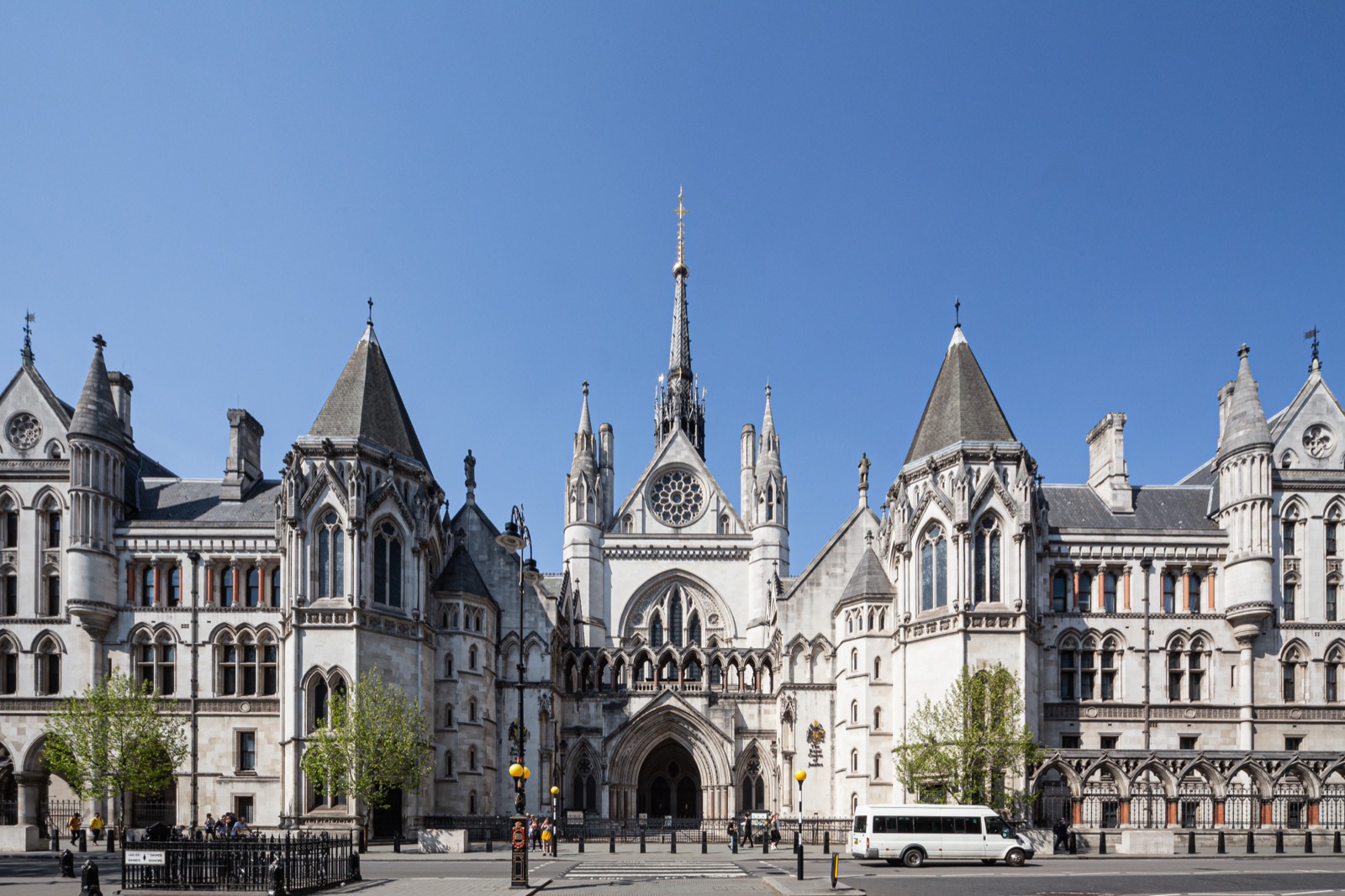
The Post Office Horizon Scandal
Between 1999 and 2015, the British Post Office prosecuted more than 900 of its own sub-postmasters — the men and women who ran the country's village shops and high-street branches — for theft, fraud, and false accounting, on the strength of figures produced by a single computer system. The system was called Horizon. It had been built by the Japanese technology company Fujitsu, rolled out from 1999 to some 14,000 branches across the United Kingdom, and it produced shortfalls — sums of money the accounts said were missing — that the sub-postmasters could not explain because they had not taken anything. Under the contract every sub-postmaster signed, those shortfalls became personal debts, and the Post Office, which held its own statutory power to prosecute, took hundreds of them to court. Seema Misra, the sub-postmistress of West Byfleet in Surrey, was sentenced to fifteen months in prison on November 11, 2010 — her son's tenth birthday — while eight weeks pregnant. Others were bankrupted, lost their homes, were shunned by the communities they had served, and at least four are believed to have taken their own lives. The Post Office knew, from at least 2010 and arguably earlier, that Horizon contained bugs capable of generating phantom shortfalls, and that Fujitsu's engineers could alter branch accounts remotely without the sub-postmaster's knowledge — and it continued to deny both in court for the better part of a decade. The cover-up unravelled not in a courtroom first but through the persistence of one campaigner, Alan Bates, a journalist's filing cabinet, a High Court judge who refused to be recused, and — finally, in January 2024 — a four-part ITV drama that did in a week what twenty years of litigation had not. In May 2024 Parliament passed an unprecedented law quashing every Horizon-related conviction at a stroke. This article examines what the system did, what the institution knew, and why the answer to the only question that matters — how an organisation can prosecute its own people for its own software's errors, for fifteen years — turns out to be less about a computer than about a contract, a culture, and a refusal to look.
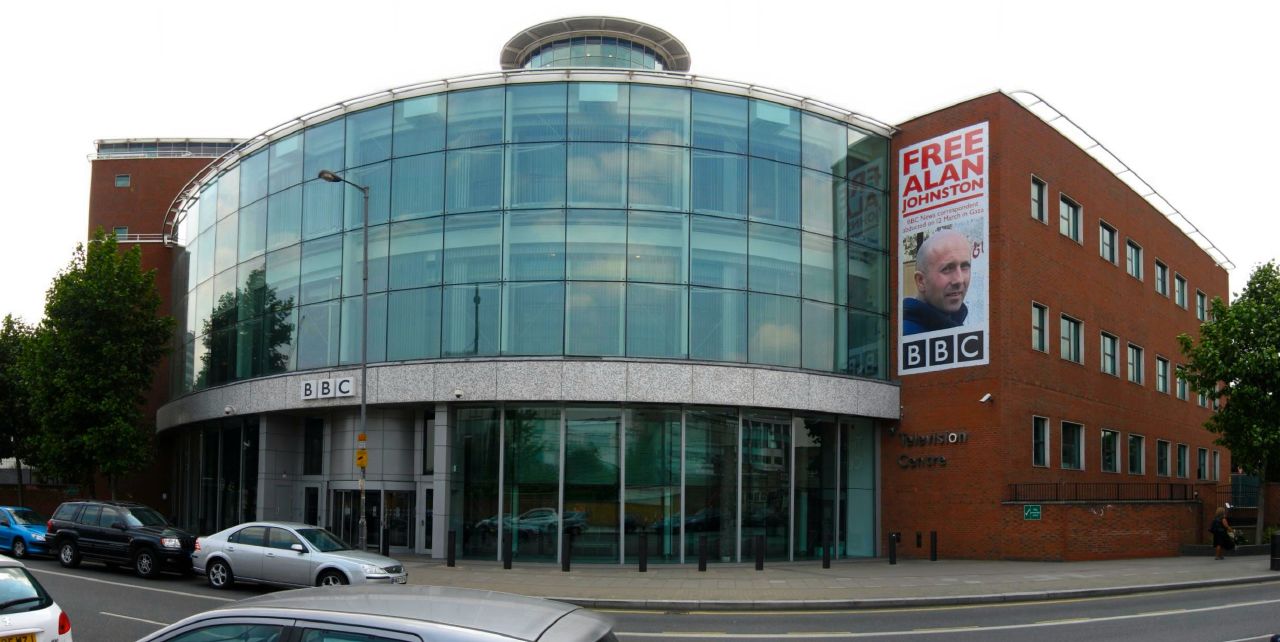
Jimmy Savile and the Institutions That Looked Away
Sir James Wilson Vincent Savile — born in Leeds on October 31, 1926, knighted by Elizabeth II on June 16, 1990, and knighted by Pope John Paul II as a Knight Commander of the Pontifical Order of Saint Gregory the Great in the same year — was, at the time of his death on October 29, 2011 at the age of 84, one of the most decorated, photographed, and televised figures in postwar British public life. He had presented the first edition of the BBC's *Top of the Pops* from a converted Manchester church on January 1, 1964, hosted *Jim'll Fix It* on BBC One every Saturday teatime from May 31, 1975 to June 17, 1994, raised an estimated £40 million for the National Spinal Injuries Centre at Stoke Mandeville Hospital, run twenty-one consecutive London Marathons, dined with Margaret Thatcher at Chequers on eleven separate Christmas Eves between 1980 and 1990, and held — at the time of his death — formal voluntary positions or unsupervised access at Leeds General Infirmary, Stoke Mandeville Hospital, and Broadmoor Hospital, the last as a member of an oversight task force appointed in 1988 by Edwina Currie. Eleven months after his funeral, on the evening of October 3, 2012, ITV broadcast *Exposure: The Other Side of Jimmy Savile*, a sixty-minute documentary in which five women — including Karin Ward, a former pupil at Duncroft Approved School in Surrey — described abuse by Savile between 1971 and 1974. Six days later, on October 9, 2012, the Metropolitan Police Service formally launched Operation Yewtree. By the time the joint Metropolitan Police and NSPCC report *Giving Victims a Voice* was published on January 11, 2013, investigators had recorded 450 separate complaints, with offences spanning the years 1955 to 2009, victim ages ranging from 8 to 47, and identified locations including 14 NHS hospitals, 28 schools, and BBC premises across London and Manchester. The Dame Janet Smith Review — commissioned by the BBC in October 2012, published on February 25, 2016, and running to 789 pages — concluded that on BBC premises between 1965 and 2006, Savile committed offences against at least 72 identified victims and that a 'culture of fear' and deference to celebrity at the corporation had prevented complaints from being acted on. The Kate Lampard reports — commissioned by the Department of Health, published in February 2015 across 28 separate hospital-by-hospital reviews — established 60 acts of abuse at Stoke Mandeville and 60 acts of abuse at Leeds General Infirmary, with additional findings at Broadmoor and twenty-one other NHS sites. No personal prosecutions were possible after Savile's death. No surviving colleague has been charged in connection with the offences. This article examines what fourteen separate institutional inquiries have established about the access, the rumours, the 2009 prosecutorial decision that did not proceed, and the question that remains: how an institution that knows can choose not to act for forty years.
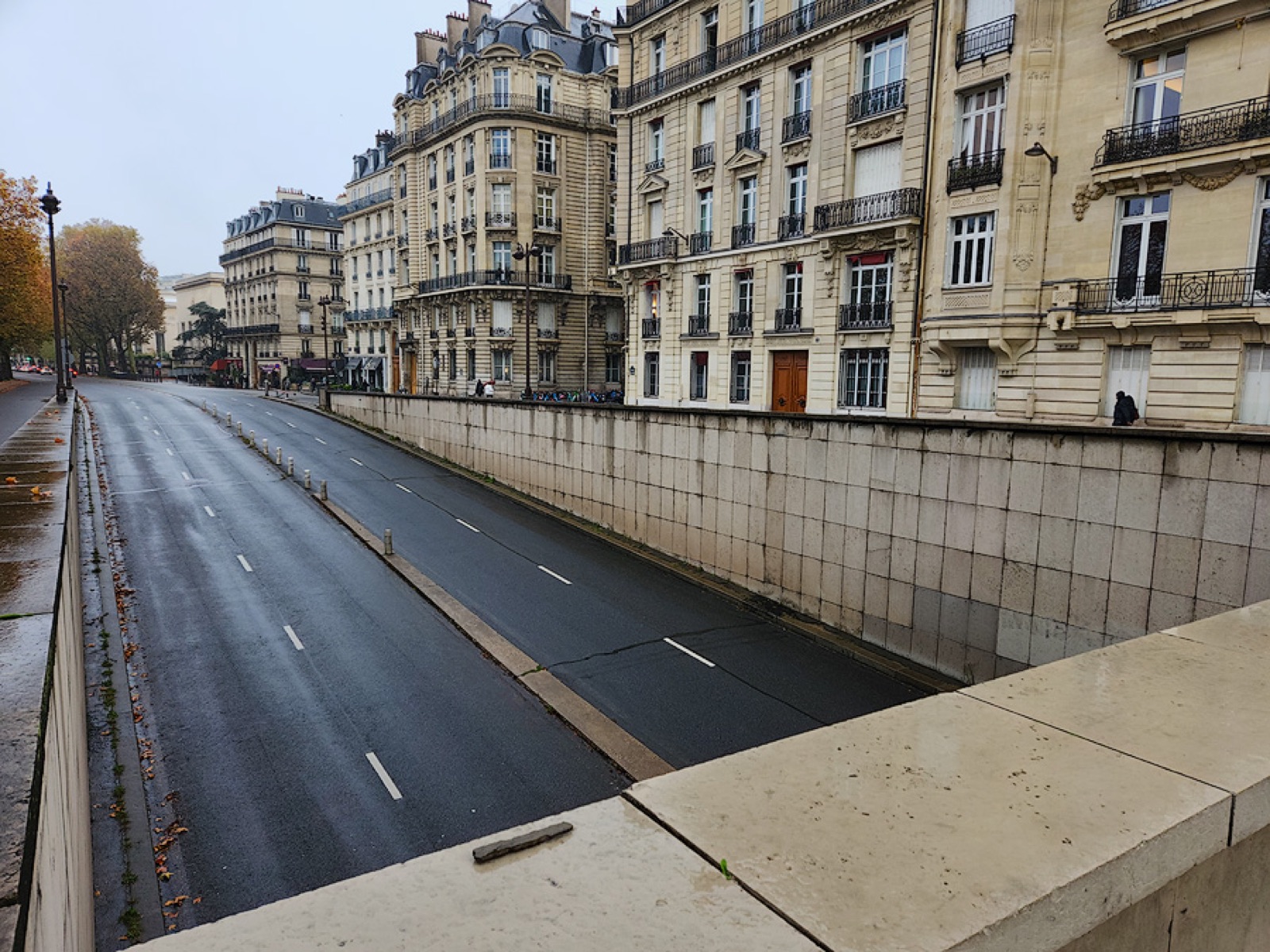
Princess Diana
At 12:23 a.m. on Sunday, August 31, 1997, a black Mercedes-Benz S280 traveling at approximately 105 km/h entered the Pont de l'Alma underpass in central Paris. Six seconds later it hit the thirteenth concrete pillar dividing the eastbound and westbound lanes. Diana, Princess of Wales, 36, was in the back seat. So were her companion Dodi Fayed, 42, and bodyguard Trevor Rees-Jones, 29. Henri Paul, 41, the acting Ritz security manager driving without a chauffeur licence, was at the wheel. Fayed and Paul died at the scene. Diana was pronounced dead at 4:00 a.m. at the Pitié-Salpêtrière hospital. Only Rees-Jones — the only passenger wearing a seat belt — survived, with severe facial injuries he would never fully remember. The French judicial investigation closed in 1999 with the conclusion that the cause was reckless driving by Henri Paul under the influence of alcohol and prescription drugs. The 2004-2006 British inquiry Operation Paget, led by Metropolitan Police Commissioner Lord Stevens, reached the same conclusion across 832 pages. The 2007-2008 British inquest, before a jury of eleven, returned a verdict of *unlawful killing* by gross negligence of Henri Paul and the following paparazzi. No criminal trial has ever been held. The conspiracy theory that Diana was murdered — by MI6, by the Royal Family, by Mohamed Al-Fayed's enemies, by any of half a dozen other proposed perpetrators — has nonetheless persisted for nearly thirty years.

Cambridge Analytica
In 2014, a 27-year-old Canadian data scientist named Christopher Wylie helped design what he would later describe as a 'psychological warfare tool.' His employer, Cambridge Analytica, had paid an academic researcher to build a personality quiz that, through a quirk of Facebook's developer policy, harvested data not only on the people who took it but on every Facebook friend of every taker — eventually some 87 million profiles. The data was used to target voters in the 2016 Brexit referendum and the 2016 Trump presidential campaign. Wylie went to The Guardian in March 2018. Within ten weeks, Cambridge Analytica had shut its doors.
5 files · end of the line