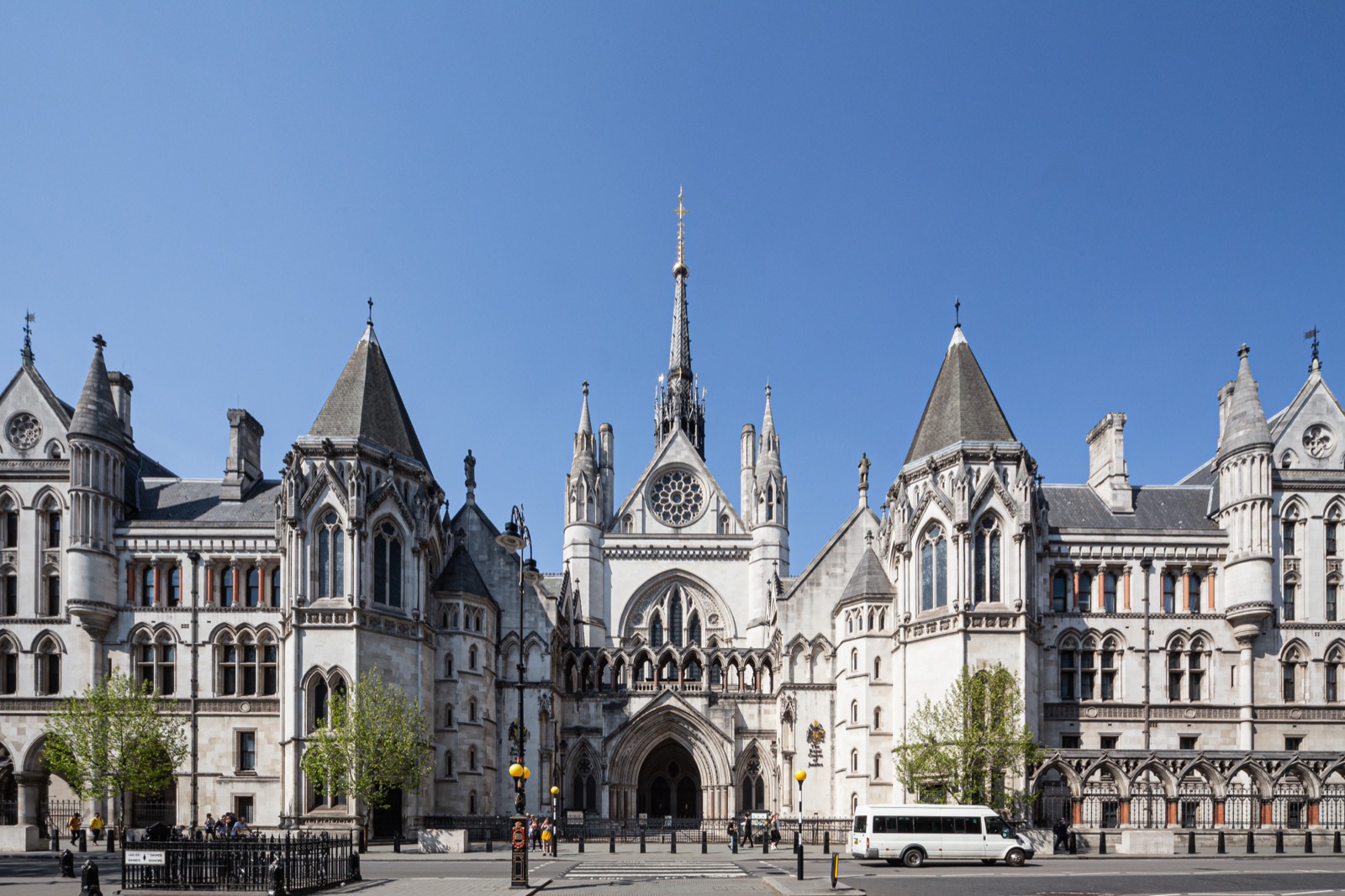
The Royal Courts of Justice, Strand, London. It was here, before Mr Justice Fraser, that the group action Bates and others v Post Office Ltd was tried in 2018-19; the two judgments handed down in this building established that the Horizon system was 'not remotely robust' and laid the evidential foundation for the largest set of quashed convictions in English legal history. Wikimedia Commons / David Castor, CC0 (public domain).
The Post Office Horizon Scandal
United Kingdom, 1999-2024 — how a faulty accounting system, a contract that made its users liable for its own errors, and an institution that prosecuted rather than investigated produced the largest miscarriage of justice in British legal history
- Category
- Corporate Cover-ups
- Published
- Length
- 5,300 words · 22 min read
- Author
- The editors
The Post Office Horizon Scandal
United Kingdom, 1999-2024 — how a faulty accounting system, a contract that made its users liable for its own errors, and an institution that prosecuted rather than investigated produced the largest miscarriage of justice in British legal history.
The network and the machine
To understand the scandal you have first to understand what a sub-postmaster is, because the word describes a relationship that almost no other country has, and the relationship is where the harm was done.
The Post Office in Britain is not, for the most part, a chain of branches staffed by employees. The great majority of its counters — at the relevant time some 11,500 of roughly 18,000 outlets — were and are run by self-employed sub-postmasters: local people who hold a contract with the Post Office to provide its services from premises they own or lease, very often a village shop, a newsagent, or a corner store with a Post Office counter at the back. They sell stamps and stationery, pay out pensions and benefits, handle vehicle tax and passport checks, take in parcels, and — crucially — move large quantities of public cash across the counter every day. For this they earn a modest salary plus commission, and they put up a bond. They are trusted figures: the sub-post office is, in much of rural and small-town Britain, the last institution on the street that is both commercial and civic.

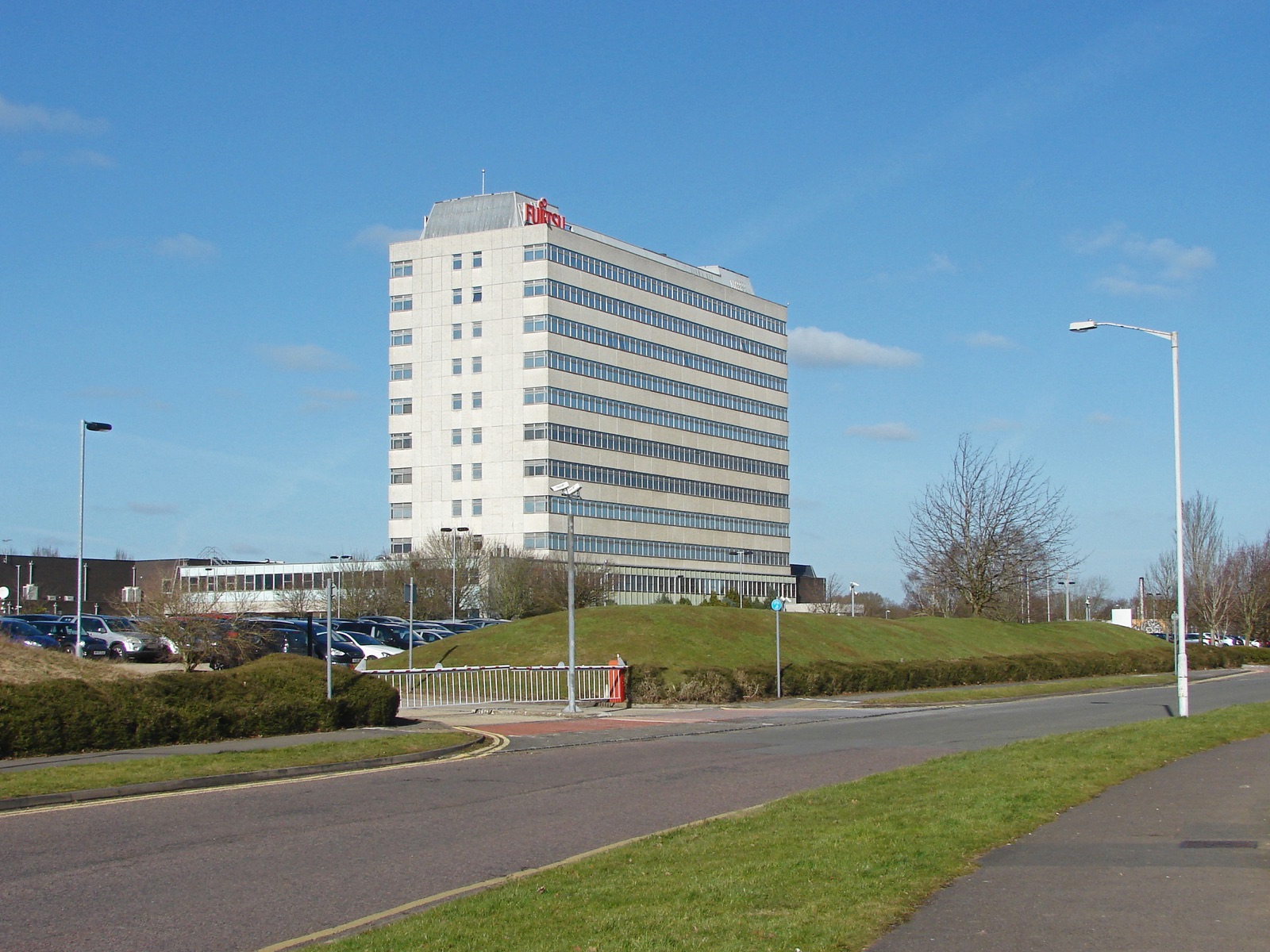
In 1996 the government and the Post Office began a programme to automate this network. The contract to build the system went to ICL Pathway — ICL being International Computers Limited, the last major British computer manufacturer, which Fujitsu had been steadily acquiring and which became wholly Fujitsu-owned in 1998. The system was named Horizon. After a troubled development — its original purpose had been to pay benefits via swipe card, a function cancelled in 1999 — Horizon was repurposed as the Post Office's branch accounting and electronic point-of-sale system, and rolled out across the network from 1999, reaching effectively every counter by early 2001. It was, at the time, one of the largest non-military IT deployments in Europe.
Horizon did two things at once. It was the till — the point-of-sale terminal that recorded every transaction — and it was the ledger, automatically compiling each branch's accounts and requiring the sub-postmaster to 'balance' at the end of each trading period by confirming that the cash and stock physically present matched the figure the system had calculated. If the two did not match, the system recorded a discrepancy. A shortfall — the system saying there was less money present than there should be — had, under the contract, only one destination: the sub-postmaster's own pocket.
The phantom shortfalls
The shortfalls began almost as soon as Horizon arrived. A sub-postmaster would balance the branch one week as normal and the next week find the system insisting that hundreds or thousands of pounds had gone missing — money never seen, never taken, with no transaction the sub-postmaster could point to that explained it. Some discrepancies were small and recurring; some were sudden and enormous. The system offered no way to interrogate them: there was a Horizon helpline, but its standard advice was that the sub-postmaster was the only person who could have caused the loss, and that they should make it good.
What the helpline did not say — what the Post Office would deny for years — was that the discrepancies could be the system's own fault. They could. The 2019 litigation would document a series of specific defects, each with a name and a footprint:
- The Callendar Square (Falkland) bug. A fault in the software's handling of certain counter transfers caused discrepancies to appear and, in some cases, to be duplicated. It was known to Fujitsu and the Post Office and left unfixed for an extended period.
- The Dalmellington bug. When a branch's screen froze during a transfer of cash between the branch and the Post Office's central systems, a sub-postmaster who pressed again could cause the same transfer to be recorded multiple times — once inflating a branch's apparent shortfall by £24,000 from a single stuck screen.
- The Receipts and Payments Mismatch bug. A defect in the newer Horizon Online system, identified in 2010, generated discrepancies in the accounts of an estimated 112 branches over roughly three years.
None of these was the whole story, and the point was never that every shortfall was a bug. The point, as Mr Justice Fraser put it, was that Horizon was capable of producing them — that the system was not the infallible record the Post Office insisted it was — and that this possibility was never disclosed to the people being prosecuted on the strength of its figures.
The remote access
There was a second, graver problem, and it went to the heart of the Post Office's case in every prosecution it brought.
In court, the Post Office maintained for years that the integrity of Horizon's branch accounts was absolute: that the figures in a branch's ledger reflected only what the sub-postmaster and their staff had entered, and that no one else could alter them. This mattered enormously, because if no one outside the branch could change the accounts, then a shortfall could only have one explanation. The claim was untrue. Fujitsu's engineers could, and did, access branch accounts remotely and insert or amend transactions — so-called 'balancing transactions' — without the sub-postmaster's knowledge or consent. The capability was real, it was used, and its existence was either denied or not disclosed in the prosecutions that depended on the opposite being true.
The consequences of this single fact are hard to overstate. A Fujitsu engineer, Gareth Jenkins, had given expert evidence in Post Office prosecutions — including in the 2010 trial of Seema Misra — attesting to Horizon's reliability. It would later emerge that material casting doubt on that reliability, and on the remote-access question, had not been disclosed to the defence in the way the duties of a prosecutor require. Evidence that should have undermined the Crown's own case was, instead, kept out of the cases it would have undermined.
The prosecutions
The Post Office is one of a small number of British bodies that can bring criminal prosecutions on its own authority, without referring a case to the Crown Prosecution Service. It used that power on an industrial scale. Between 1999 and 2015 it brought more than seven hundred prosecutions of sub-postmasters, their assistants, and family members — on charges of theft, fraud, and false accounting — at a rate that for years averaged better than one a week. Other bodies, including the CPS and the Scottish prosecution service, brought further cases on similar evidence, taking the total above nine hundred.
The pattern within the prosecutions was consistent, and it was designed to be efficient. A sub-postmaster facing an unexplained shortfall would be suspended, audited, and charged. Theft — which the Post Office could rarely prove, because no theft had occurred — was frequently offered to be dropped in exchange for a guilty plea to false accounting, the lesser charge of having entered figures the sub-postmaster knew to be wrong. Many, terrified of prison and told that pleading guilty to the smaller offence would keep them out of it, took the deal. They were then convicted on their own admission — an admission extracted by the threat of a charge built on a system the Post Office knew might be at fault. The guilty plea, in turn, became the institution's shield: how could there have been a miscarriage of justice, it would later ask, when the sub-postmasters had pleaded guilty?
The human cost was not abstract. Seema Misra, of West Byfleet, was prosecuted over a shortfall of some £74,000, convicted of theft, and sentenced on November 11, 2010 — which was both her son's tenth birthday and a date on which she was eight weeks pregnant — to fifteen months in prison. Jo Hamilton, of South Warnborough in Hampshire, remortgaged her house to repay a shortfall she had not caused and pleaded guilty to false accounting. Lee Castleton, of Bridlington, was pursued through the civil courts by the Post Office, declared bankrupt, and left with costs of more than £300,000. Across the network, people lost businesses, homes, marriages, and standing; some served prison sentences; some died before they could be cleared. At least four are believed to have taken their own lives.
Alan Bates and the alliance
The Post Office's defence rested on the isolation of its victims. Each sub-postmaster was told, in effect, that they alone were experiencing the problem, that no one else's accounts behaved this way, and that the discrepancy must therefore be their own doing. The lie depended on the sub-postmasters never comparing notes. One man set out to make them do so.
Alan Bates ran the post office at Craig-y-Don in Llandudno, on the north Wales coast. From 2000 he experienced unexplained Horizon shortfalls, refused on principle to accept liability for losses he could not see the cause of, and was sacked in 2003 when he would not pay. Methodical and unintimidated, Bates spent the following years documenting his case and, crucially, finding others. In 2009 he founded the Justice for Subpostmasters Alliance (JFSA), which gathered the scattered, silenced individuals into a body that could see its own size for the first time. The same year, the trade magazine Computer Weekly published the first journalism to set the cases side by side, and the satirical and investigative magazine Private Eye began a long series of reports that kept the story alive when the national press would not touch it. A handful of MPs, notably James Arbuthnot, took up the constituents who came to them.
Under pressure, the Post Office commissioned the forensic accountants Second Sight in 2012 to investigate. Their interim findings in 2013 identified defects in Horizon and questioned the safety of the prosecutions — at which point, in 2015, the Post Office terminated the investigation and shut down the mediation scheme it had set up. The institution's instinct, at every juncture where it might have stopped, was to close the inquiry rather than follow it.

Bates and others v Post Office
In 2017 the JFSA, by then 555 claimants strong and backed by a litigation funder, brought a group action against the Post Office in the High Court: Bates and others v Post Office Ltd. It was heard by Mr Justice Peter Fraser, and it became the hinge on which the whole scandal turned.
Fraser tried the case in stages. The first, on the contractual relationship, produced the Common Issues judgment of March 15, 2019, which found the Post Office's contracts onerous and many of their terms unenforceable, and was sharply critical of the institution's conduct. The Post Office's response was to apply to have Fraser removed from the case for apparent bias — an application the Court of Appeal rejected, allowing the trial to continue. The second stage examined the technology itself, and produced the Horizon Issues judgment of December 16, 2019. In it, Fraser found that Horizon was 'not remotely robust,' that it contained bugs, errors, and defects capable of causing the shortfalls sub-postmasters had been blamed for, and that Fujitsu had the ability to alter branch accounts remotely. The factual foundation of every prosecution had been knocked away.
Faced with these findings, the Post Office settled in December 2019 for £57.75 million. It was a vindication and, at the same time, a bitter one: after the costs of the litigation and the share owed to the funder whose money had made the case possible, the 555 claimants were left with roughly £12 million between them — a few thousand pounds each for lives that had been, in many cases, destroyed. Fraser referred a file to the Director of Public Prosecutions. But the judgments had done the essential thing: they had established, in findings of fact no appellate court could ignore, that the convictions could not be safe.
The convictions fall
What followed was the slow machinery of undoing. The Criminal Cases Review Commission — the statutory body that examines potential miscarriages of justice — referred dozens of Horizon convictions to the Court of Appeal. On April 23, 2021, in Hamilton and others v Post Office Ltd, the Court of Appeal (Criminal Division) quashed 39 convictions at once. The court held that the prosecutions had been an abuse of process: the Post Office had failed in its duty as a prosecutor to investigate and disclose, and in a number of the cases the court found the conduct so egregious that to have prosecuted at all was 'an affront to the conscience of the court.' Over the following months and years, further convictions were quashed as more cases reached the courts — the total mounting steadily into the dozens and beyond.
Each quashed conviction was a person: a name in a cause list who had once been a defendant and was now, belatedly, recorded as never properly convicted at all. But the appellate route was slow, case by case, and many of those wrongly convicted were elderly, ill, or dead. The pace of justice was, for a scandal of this size, glacial — and it might have stayed that way had the story not, at the very end, broken out of the courts altogether.
The drama and the law
On the first four nights of January 2024, ITV broadcast Mr Bates vs The Post Office, a four-part dramatisation of the campaign, with Toby Jones as Alan Bates. It did what two decades of litigation, journalism, and parliamentary questions had not: it made the country feel the thing all at once. Within days a petition demanding action passed a million signatures, the government announced emergency measures, and a story that specialists had been shouting into the void since 2009 became, overnight, the central fact of British public life.
The government's response was without real precedent in English law. Rather than wait for the courts to quash convictions one by one, Parliament passed the Post Office (Horizon System Offences) Act 2024, which received Royal Assent on May 24, 2024, and which quashed, by statute and en masse, the relevant Horizon-based convictions — around 700 of them — in England and Wales, with separate legislation for Scotland and Northern Ireland. For the legislature to overturn the verdicts of the courts wholesale is a constitutionally extraordinary step, justified only by the extraordinary scale and uniformity of the injustice: the convictions were so numerous, and rested on a foundation now so thoroughly discredited, that quashing them individually would have taken years the victims did not have.
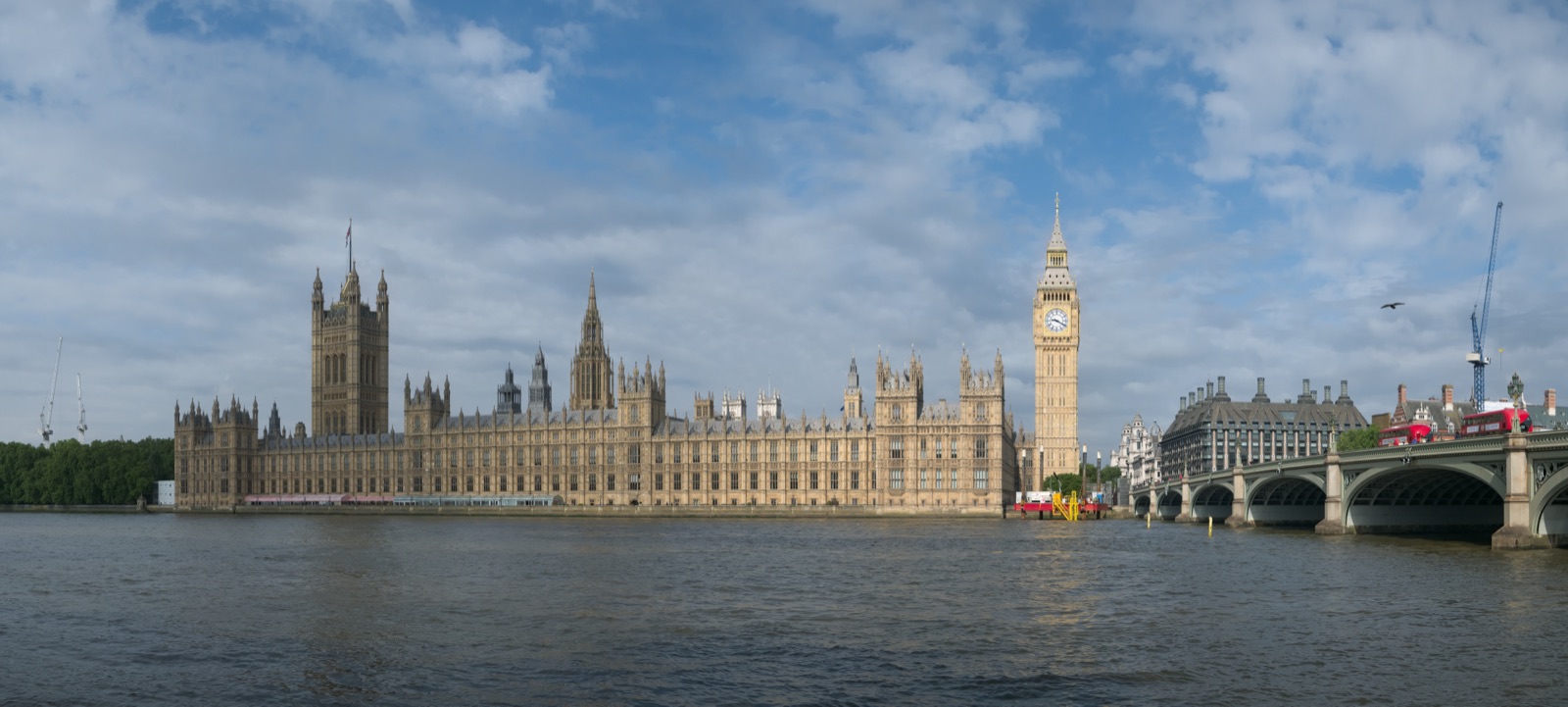
The drama also turned public attention to those who had led the institution. Paula Vennells, the Post Office's chief executive from 2012 to 2019 — and an ordained Church of England priest — had been appointed CBE in 2019. In January 2024, with a petition for its removal gathering more than a million signatures, she announced that she would hand the honour back; it was formally forfeited the following month. In May 2024 she gave evidence to the statutory inquiry over three days, tearful and contrite, maintaining that she had not known what was being done in the institution she ran. Whether that is the truth, and how it can be reconciled with what the documents show, is precisely what the inquiry was convened to determine.
The inquiry and the reckoning
The statutory public inquiry chaired by Sir Wyn Williams — begun as a non-statutory review in 2020 and given statutory powers in June 2021 — heard evidence across 2022, 2023, and 2024 from sub-postmasters, Post Office executives, Fujitsu engineers, lawyers, ministers, and officials. Its remit is the whole arc of the affair: what Horizon did, who inside the Post Office and Fujitsu knew of its defects and when, why the prosecutions continued, how disclosure failed, and how the institution behaved towards the people it was destroying. Its findings carry no criminal sanction of their own, but they establish the record on which any later accountability — including any prosecution arising from the file referred by Mr Justice Fraser — would rest.
Alongside the inquiry ran the slower, grinding question of redress. A patchwork of compensation schemes was assembled: one for the original 555 group-litigation claimants, whose settlement had left them with so little; one for those whose convictions had been overturned; and a historical shortfall scheme for the far larger number who had repaid phantom losses without ever being prosecuted. The schemes were repeatedly criticised as slow, adversarial, and ungenerous — requiring, once again, that ruined people prove their case against a well-resourced institution — and the government came under sustained pressure to make fixed, swift, and full payments instead. For many claimants the money, when it came, arrived decades after the harm, and for some it arrived after death.
What the question still is
The Horizon scandal is, on its surface, the easiest kind of story to tell: a faulty machine, innocent victims, eventual vindication, a tearful villain on the stand. The closer one looks, the less it is about the machine at all.
A computer system produced wrong numbers — as computer systems sometimes do. The catastrophe lay in everything built around that ordinary fact: a contract that converted a software defect into a personal debt; a corporate power to prosecute, exercised without the restraint or scepticism a prosecutor owes; a refusal, sustained across fifteen years and successive chief executives, to entertain the possibility that the institution rather than its people might be at fault; and a disclosure failure that kept the exculpatory truth out of the very courtrooms where it would have mattered most. None of this required malice in the cartoon sense. It required only that an institution, faced again and again with evidence that it had been wrong, found it easier each time to doubt the people than to doubt the system.
That is the question the affair leaves behind, and it is not a technical one. It is the same question that runs through every institutional scandal: how an organisation that knows — that has been told, in writing, by its own investigators, by hundreds of its own people — can choose, for year after year, to act as though it does not. The sub-postmasters were vindicated in the end. The reason it took twenty years is the part still worth understanding.
Sources
Primary
- Bates and others v Post Office Ltd, Common Issues judgment, [2019] EWHC 606 (QB), High Court of Justice, March 15, 2019.
- Bates and others v Post Office Ltd (No. 6) 'Horizon Issues' judgment, [2019] EWHC 3408 (QB), December 16, 2019.
- Hamilton and others v Post Office Ltd, [2021] EWCA Crim 577, Court of Appeal (Criminal Division), April 23, 2021.
- Post Office (Horizon System Offences) Act 2024 (c. 13), Royal Assent May 24, 2024.
- Post Office (Horizon System) Offences (Scotland) Act 2024.
- Post Office Horizon IT Inquiry — transcripts and exhibits, including the oral evidence of Paula Vennells (May 2024) and of Fujitsu witnesses.
- Second Sight, interim report to the Post Office on Horizon (2013).
- House of Commons, Business and Trade Committee evidence sessions on the Horizon scandal (2024).
- Judicial statements of the Court of Appeal characterising the prosecutions as 'an affront to the conscience of the court.'
Secondary
- Computer Weekly, investigative reporting on Horizon from May 2009 onward (Rebecca Thomson and successors).
- Private Eye, 'Justice Lost in the Post' and related special reports.
- Nick Wallis, The Great Post Office Scandal (book-length account of the affair and the litigation).
- Mr Bates vs The Post Office (ITV drama, January 2024) and associated factual reporting.
- BBC Panorama, 'Trouble at the Post Office' (2015) and subsequent coverage.
- Contemporaneous reporting in The Guardian, the BBC, the Financial Times, and The Times on the judgments, appeals, the 2024 Act, and the compensation schemes.
Academic / reference
- Law Commission and legal-academic commentary on private prosecutions and on the constitutional significance of legislative quashing of convictions.
- Parliamentary research briefings (House of Commons Library) on the Horizon scandal, the 2024 Act, and compensation.
Inspired this / based on it
ITV / Gwyneth Hughes
Four-part dramatisation, Toby Jones as Alan Bates, broadcast Jan 1-4, 2024. Triggered the public outcry that led to the 2024 exoneration Act.
Nick Wallis
Bath Publishing. The definitive book-length account of the affair and the litigation, by the journalist who covered it for years.
BBC One
Early BBC investigation into the Horizon prosecutions, broadcast when the national press had largely ignored the story.
ITV
Factual companion documentary to the drama, with the real sub-postmasters and campaigners.
Filed under
- #post-office-horizon
- #fujitsu
- #horizon-system
- #sub-postmasters
- #alan-bates
- #seema-misra
- #paula-vennells
- #bates-v-post-office
- #miscarriage-of-justice
- #wyn-williams-inquiry
- #mr-bates-vs-the-post-office
- #uk
- #1990s
- #2020s
- #confirmed
Click any tag for every article carrying it.
Continue reading
Jimmy Savile and the Institutions That Looked Away
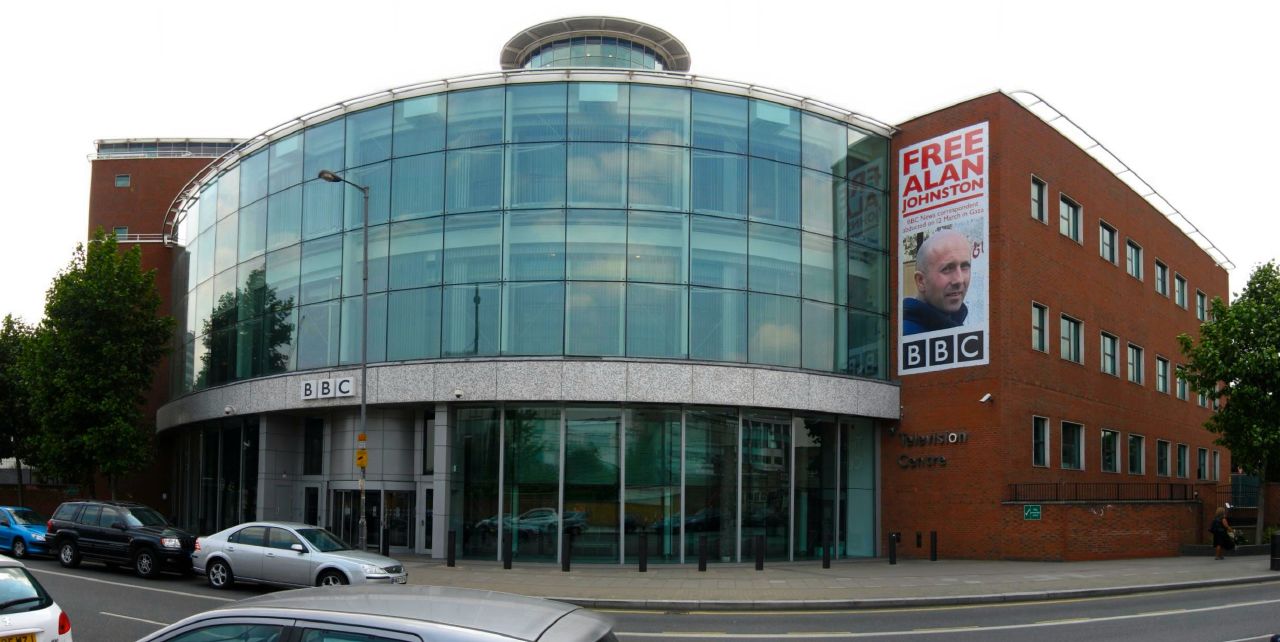
Sir James Wilson Vincent Savile — born in Leeds on October 31, 1926, knighted by Elizabeth II on June 16, 1990, and knighted by Pope John Paul II as a Knight Commander of the Pontifical Order of Saint Gregory the Great in the same year — was, at the time of his death on October 29, 2011 at the age of 84, one of the most decorated, photographed, and televised figures in postwar British public life. He had presented the first edition of the BBC's *Top of the Pops* from a converted Manchester church on January 1, 1964, hosted *Jim'll Fix It* on BBC One every Saturday teatime from May 31, 1975 to June 17, 1994, raised an estimated £40 million for the National Spinal Injuries Centre at Stoke Mandeville Hospital, run twenty-one consecutive London Marathons, dined with Margaret Thatcher at Chequers on eleven separate Christmas Eves between 1980 and 1990, and held — at the time of his death — formal voluntary positions or unsupervised access at Leeds General Infirmary, Stoke Mandeville Hospital, and Broadmoor Hospital, the last as a member of an oversight task force appointed in 1988 by Edwina Currie. Eleven months after his funeral, on the evening of October 3, 2012, ITV broadcast *Exposure: The Other Side of Jimmy Savile*, a sixty-minute documentary in which five women — including Karin Ward, a former pupil at Duncroft Approved School in Surrey — described abuse by Savile between 1971 and 1974. Six days later, on October 9, 2012, the Metropolitan Police Service formally launched Operation Yewtree. By the time the joint Metropolitan Police and NSPCC report *Giving Victims a Voice* was published on January 11, 2013, investigators had recorded 450 separate complaints, with offences spanning the years 1955 to 2009, victim ages ranging from 8 to 47, and identified locations including 14 NHS hospitals, 28 schools, and BBC premises across London and Manchester. The Dame Janet Smith Review — commissioned by the BBC in October 2012, published on February 25, 2016, and running to 789 pages — concluded that on BBC premises between 1965 and 2006, Savile committed offences against at least 72 identified victims and that a 'culture of fear' and deference to celebrity at the corporation had prevented complaints from being acted on. The Kate Lampard reports — commissioned by the Department of Health, published in February 2015 across 28 separate hospital-by-hospital reviews — established 60 acts of abuse at Stoke Mandeville and 60 acts of abuse at Leeds General Infirmary, with additional findings at Broadmoor and twenty-one other NHS sites. No personal prosecutions were possible after Savile's death. No surviving colleague has been charged in connection with the offences. This article examines what fourteen separate institutional inquiries have established about the access, the rumours, the 2009 prosecutorial decision that did not proceed, and the question that remains: how an institution that knows can choose not to act for forty years.
Dieselgate
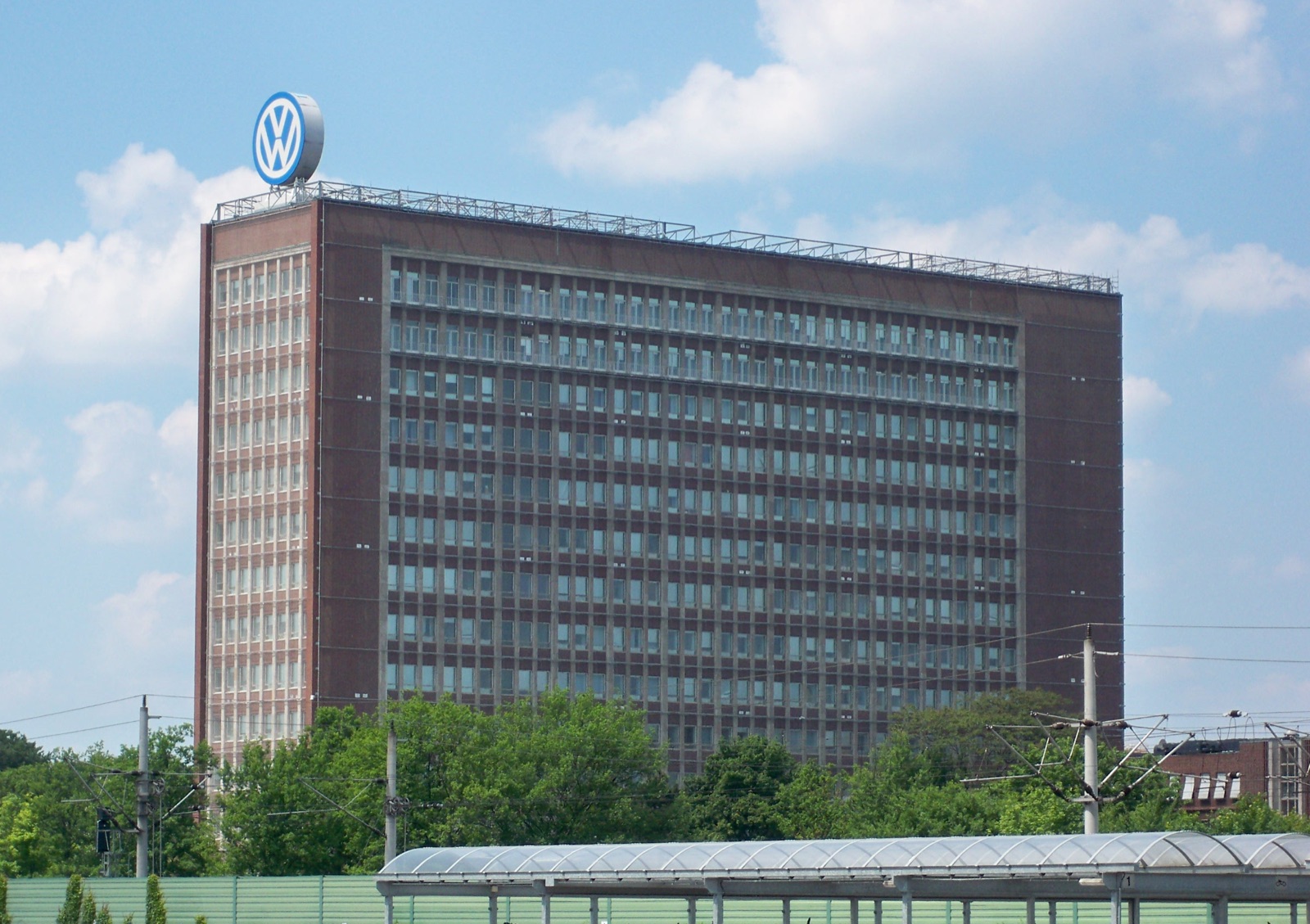
In late 2013, the International Council on Clean Transportation paid a small team at West Virginia University to put two diesel Volkswagens on the road from Los Angeles to Seattle, hooked up to portable emissions sensors. The team expected to find data confirming what Volkswagen's American marketing campaign had been claiming for years: that 'clean diesel' was real. Instead they found nitrogen-oxide emissions up to forty times the legal limit. Eighteen months later, on September 18, 2015, the U.S. EPA formally accused Volkswagen of installing software in eleven million cars that detected emissions tests and lied to them. By the end of the week, the CEO had resigned and Volkswagen had begun a six-year journey through $34 billion of fines and settlements.

DuPont and PFOA
In October 1998, a West Virginia cattle farmer named Wilbur Tennant called a Cincinnati lawyer named Robert Bilott about 153 dead cows. The cows had been drinking from Dry Run Creek, three miles downstream from the DuPont Washington Works chemical plant. Tennant's home video showed cattle with bloody mouths, gum cancer, and stumbling gaits before they died. Bilott — a corporate-defense attorney at Taft Stettinius & Hollister who had spent his career representing chemical companies — agreed to look at the file as a personal favor to his grandmother, who knew the Tennant family. The look became a twenty-year case. By the time Bilott was finished, he had uncovered: that DuPont had been releasing perfluorooctanoic acid (PFOA, code-named 'C8') into the Ohio River and into landfills for over forty years; that DuPont had known PFOA was toxic since at least 1961; that the company's own animal studies in 1981 had shown birth defects in offspring of exposed female workers; and that approximately 99% of the U.S. population, by 2007, had detectable levels of PFOA in their blood. The 2005 EPA fine ($16.5 million) was the largest in U.S. environmental enforcement history at the time. The 2017 multi-district settlement was $670.7 million. The C8 Science Panel — established as part of an earlier 2005 class-action settlement — confirmed by 2012 that PFOA is causally linked to six diseases including kidney and testicular cancer. PFOA was phased out of U.S. production by 2015. Its environmental persistence — half-life in human blood is approximately 3.8 years — means that, by 2025, every American adult has some PFOA exposure dating from the production era. The chemical that made non-stick cookware possible is, in this sense, still with us.