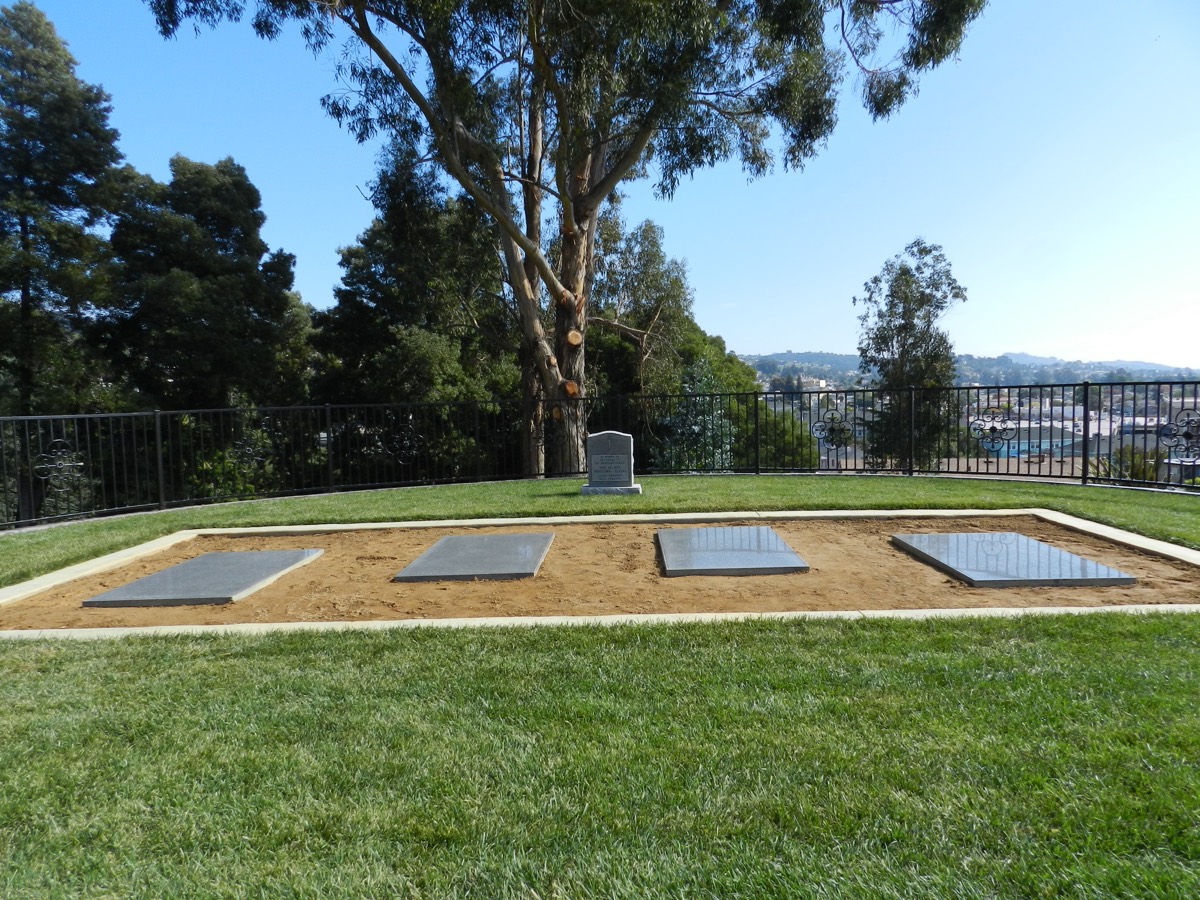
The Jonestown memorial at Evergreen Cemetery, Oakland, where more than 400 victims — many of them unidentified, most of them children — are buried. Plaques added in 2011 bear the names of all who died. Wikimedia Commons / CC BY-SA 3.0.
Jonestown: How a Dream of Justice Became a Massacre
United States and Guyana, 1978 — A church that began with genuine ideals of racial equality and social justice was turned by its manipulative leader into a lethal cult, isolated in the jungle. On a single day in November 1978, more than 900 people died — most of them murdered or coerced, a third of them children
- Category
- Religion, Cults & Spirituality
- Published
- Length
- 3,700 words · 20 min read
- Author
- The editors
Jonestown is remembered, too often, through a callous phrase — "drinking the Kool-Aid" — that trivializes what was in truth one of the great atrocities of the twentieth century. To use it is to accept the killer's own framing, that the more than nine hundred people who died at Jonestown chose their deaths freely. Most did not. They were murdered or coerced by a man who had spent years dismantling their capacity to resist him, and a third of them were children who had no say at all. The Peoples Temple is a story that must be told carefully, because it is easy to tell it wrongly: to reduce its victims to fools, or to forget that many of them had come to the movement out of the most admirable of motives, seeking justice and community and a better world. The horror of Jonestown is not that foolish people killed themselves. It is that idealistic and vulnerable people were captured, isolated, and destroyed by someone they had trusted. This is an attempt to tell it with the dignity the dead deserve.
This is the story of the Peoples Temple.
The dream
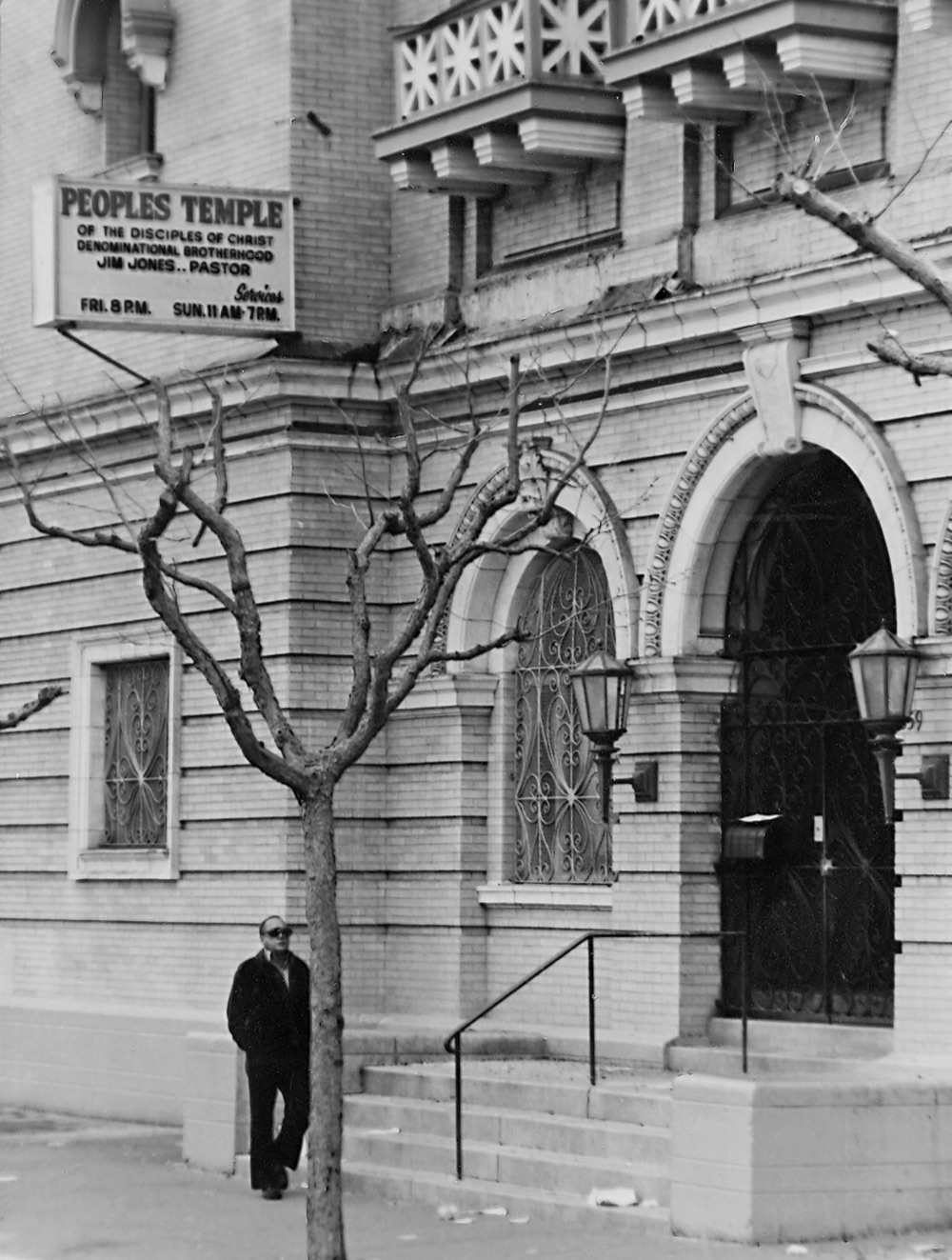
To understand Jonestown, one must begin with what drew people to the Peoples Temple in the first place, because it was not, at the start, obviously sinister. Jim Jones founded the church in Indiana in the 1950s, and from early on it stood out for something genuinely admirable: its insistence on racial integration, at a time when American churches and communities were overwhelmingly segregated and integration was a dangerous cause. Jones preached equality and brotherhood, welcomed Black and white worshippers together, and built a congregation committed to social action.
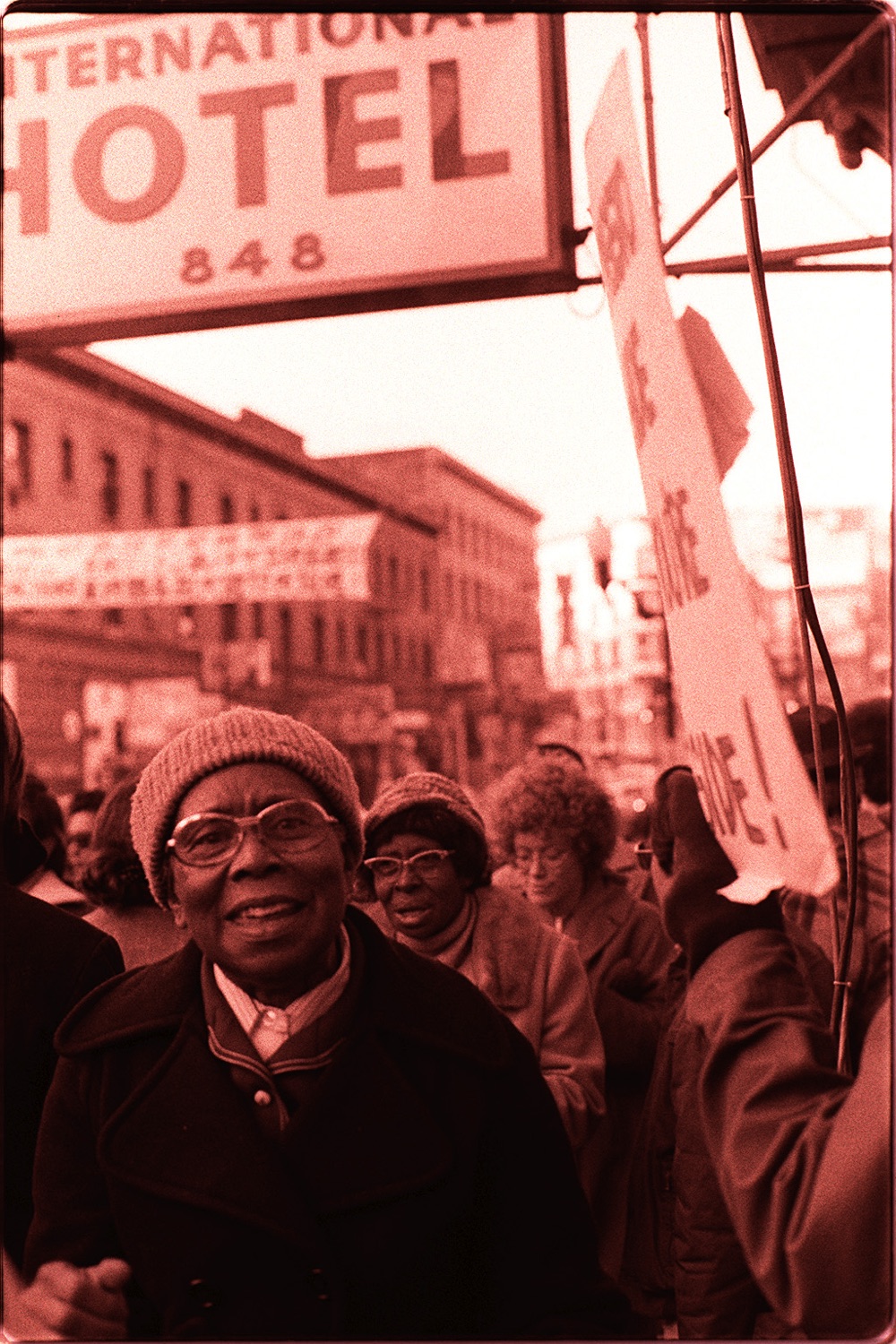
When the Temple moved to California in the 1960s and 1970s — settling in Redwood Valley and then expanding into San Francisco and Los Angeles — it grew into a substantial movement with thousands of members, drawing in particular many African Americans, poor people, and idealistic young activists. It ran social programs that were real and valued: feeding the hungry, caring for the elderly and the addicted, providing community and purpose. Its members marched for justice and its ranks swelled. Jones cultivated political connections in San Francisco, was appointed to a city commission, and was courted by politicians who saw in the Temple a disciplined and mobilized constituency. To the outside world, and to many inside it, the Peoples Temple looked like a force for good.
This respectability was itself part of the trap, for it shielded Jones from scrutiny and made the abuses within the Temple harder to see and harder to believe. A church praised by politicians and admired for its good works did not fit the image of a dangerous cult, and those who tried to raise the alarm — early defectors, worried relatives — struggled to be heard against the movement's benevolent reputation. Jones understood the value of this public standing and cultivated it deliberately, using the Temple's genuine charitable achievements as both a recruiting tool and a shield. The more good the Temple appeared to do, the more cover it gave him, and the more unthinkable it became to outsiders that behind the façade of justice lay a system of fear.
This is the crucial and painful context of Jonestown: its victims were not, for the most part, credulous fools chasing a lunatic. They were people who had joined a movement that promised, and in part delivered, the things that decent people want — equality, dignity, community, a cause larger than themselves. That such hopes could be turned into an instrument of destruction is the tragedy's dark heart.
The control
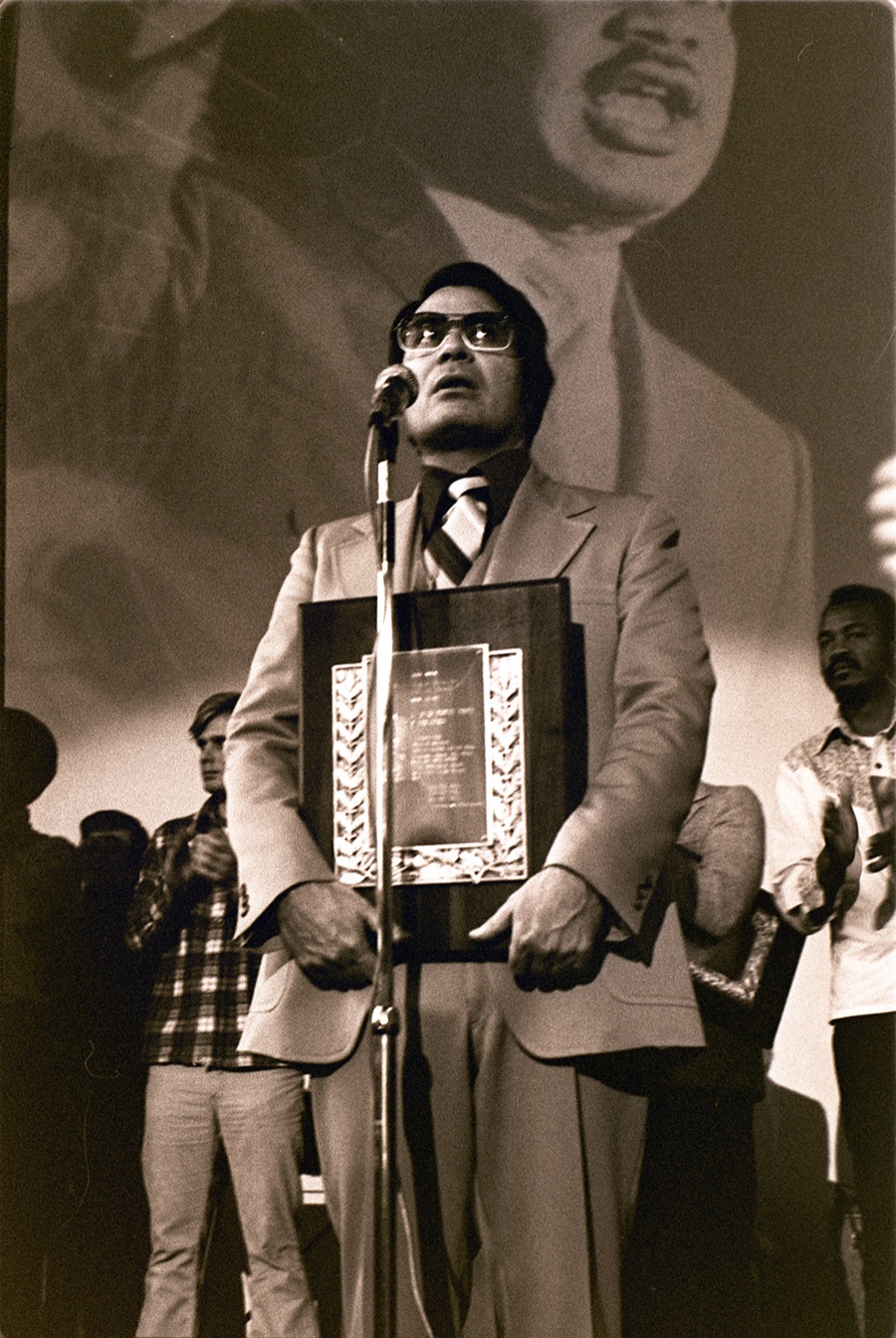
Behind the humane public face, however, Jim Jones was building a machinery of control, and it tightened over the years. He demanded absolute loyalty and worked systematically to break down his followers' independence and their ties to the outside world. He staged fraudulent faith healings to inspire awe. He subjected members to grueling meetings, public confessions, and humiliations, and to physical punishments. He exploited them financially, pressing them to hand over their money, their possessions, and their homes to the Temple. He engaged in sexual abuse and coercion. He set members to watch and inform on one another, so that trust within the community was corroded and the individual was left isolated and dependent on Jones alone.
Jones's preaching, meanwhile, darkened. He increasingly cast the Temple as a persecuted community surrounded by enemies — the government, the media, capitalist society — who would destroy it. And he introduced, with growing insistence, the idea of "revolutionary suicide": the notion that the community might have to die together as an act of protest and defiance against an evil world. He drilled this idea into his followers through episodes he called "White Nights," in which the community was roused, told that attack was imminent, and rehearsed for collective death. What might once have seemed unthinkable was, through repetition, made familiar.
Jonestown
As defectors began to leave and to speak out, as journalists investigated, and as a group of relatives of members — the Concerned Relatives — pressed for scrutiny of the Temple's abuses, Jones grew more paranoid and resolved to escape beyond the reach of American oversight. The Temple had leased a large tract of remote land in the jungle of Guyana, on the northern coast of South America, and in the mid-1970s Jones moved the community there, to the settlement that became known as Jonestown, the Peoples Temple Agricultural Project.
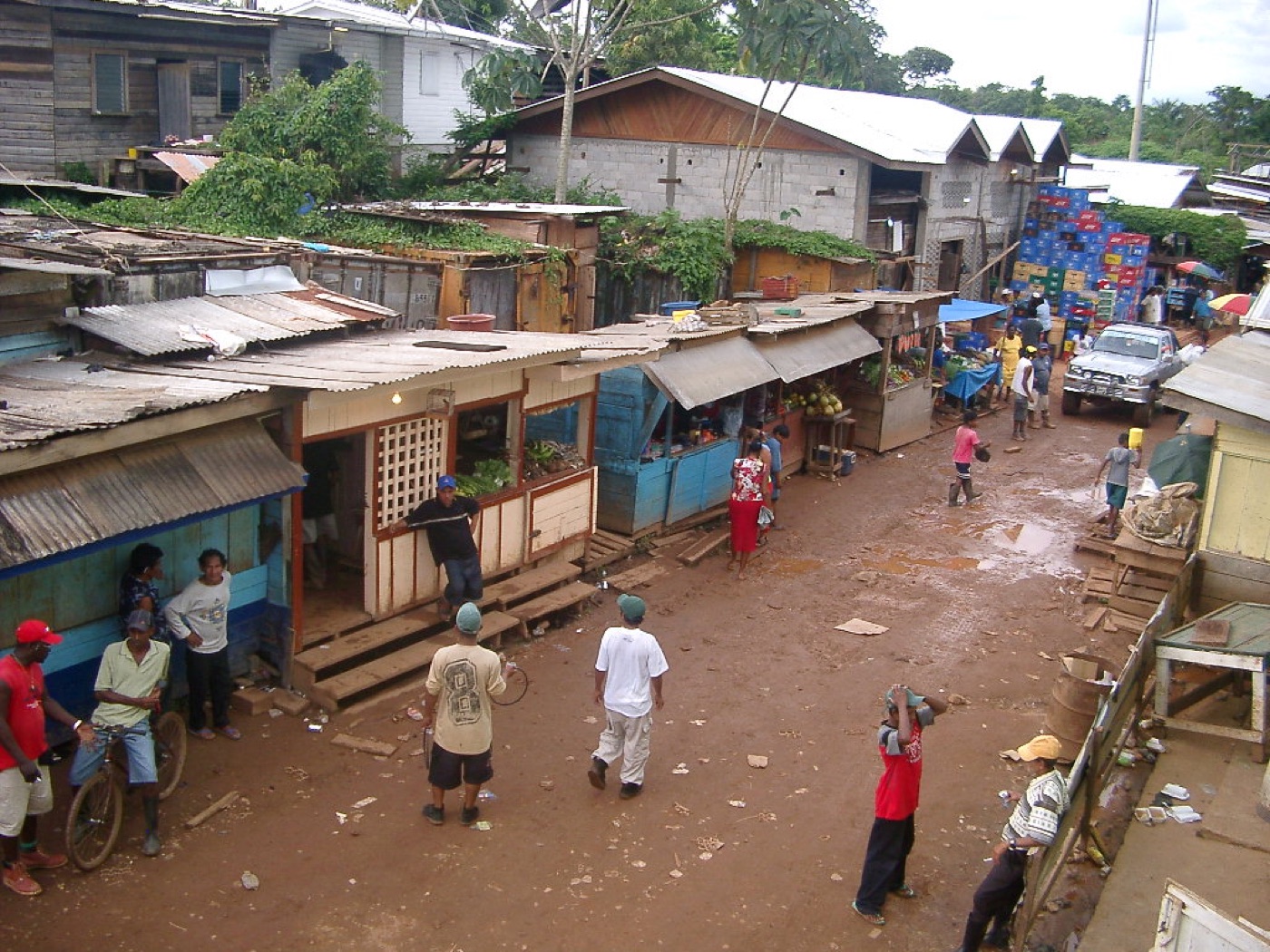
Around a thousand people ultimately relocated to Jonestown, and the isolation that Jones had always sought became nearly total. The settlement was remote and hard to leave; passports and money were controlled; the community labored long hours in difficult conditions; and Jones's voice was inescapable, broadcast through loudspeakers, haranguing the community for hours, day and night. Armed guards patrolled. Those who spoke of leaving, or who broke the rules, faced punishment. The idealistic community had become a place of exhaustion, fear, and surveillance, presided over by a leader deteriorating into paranoia and drug dependency, who spoke ever more of enemies closing in and of the death that might be required of them all. The White Nights continued, rehearsing the end.
The congressman
The outside world had not entirely forgotten the people of Jonestown. The Concerned Relatives kept pressing, and reports of abuse and of people held against their will reached Leo Ryan, a United States congressman from the San Francisco area known for hands-on investigation. In November 1978, Ryan flew to Guyana to see Jonestown for himself, accompanied by journalists and by members of the Concerned Relatives, determined to check on the welfare of the constituents and relatives said to be trapped there.
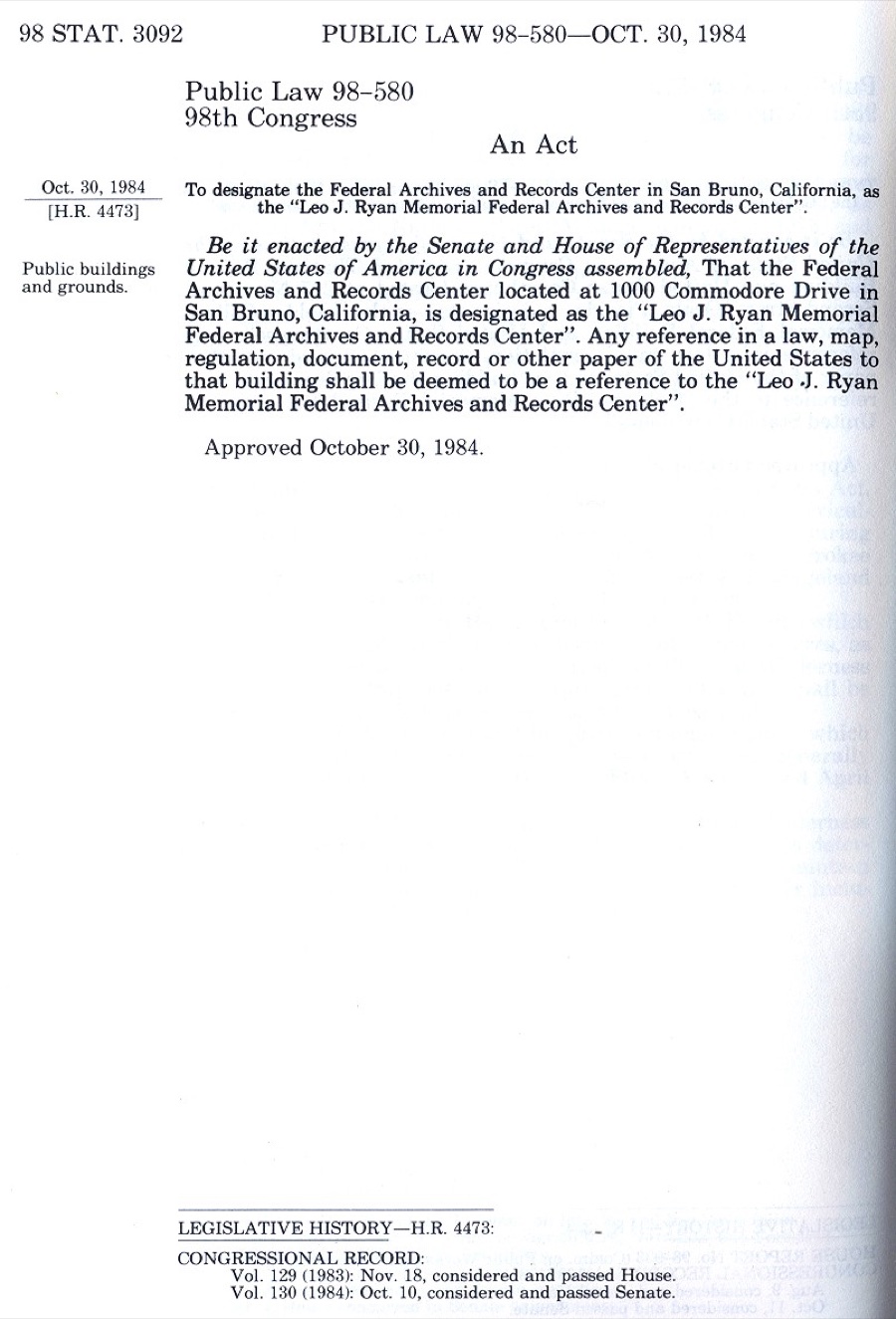
Ryan's party reached Jonestown and, at first, encountered a community that appeared — under careful management — to be functioning, even welcoming. But the facade cracked. Some members secretly passed notes asking for help to leave; it became clear that a number of people wanted out. As Ryan prepared to depart on 18 November, he took with him a group of defectors who wished to escape. The prospect of members leaving, and of Ryan carrying the truth back to America, was intolerable to Jones. At the Port Kaituma airstrip, as Ryan's group and the defectors waited to board their planes, Temple gunmen arrived and opened fire. Congressman Leo Ryan was killed, along with three journalists and one of the defecting Temple members; others were wounded, some gravely. It was the first time a sitting U.S. congressman had been killed in the line of duty. And it was the trigger for the final horror.
The final day
Back at Jonestown, in the hours after the airstrip killings, Jones gathered the community and set in motion the mass death he had so long rehearsed. A large quantity of fruit punch had been laced with cyanide and sedatives. The killing began with the children: poison was squirted into the mouths of infants and young children, who could not possibly have chosen to die. Then the adults were made to drink or were injected. Armed guards ringed the central pavilion, and the whole apparatus of coercion Jones had built for years bore down on anyone who hesitated.
This is why it is false to call Jonestown simply a mass suicide. A surviving audio recording of the final hours — the so-called "death tape" — captures the reality. On it, Jones can be heard urging and pressuring the community toward death, framing it as dignity and escape. And on it, a woman named Christine Miller can be heard arguing back, pleading that the children at least should be allowed to live, insisting that as long as there is life there is hope — and being overruled, shouted down by Jones and by the crowd he had conditioned. Her lonely voice of resistance is the truest witness to what Jonestown was: not a community freely choosing death, but a captive population driven to it by a man who had left them no room to refuse, with the most vulnerable killed first and the dissenting silenced. More than nine hundred people died. Jim Jones died of a gunshot wound.
The reckoning and the remembering
The world learned of Jonestown with disbelief and horror. The scale of the death, the images that emerged, the killing of a congressman — all of it was almost impossible to absorb. In the aftermath came investigations, the winding-up of the Temple, and an agonized effort to understand how such a thing could have happened. The survivors — those who had escaped, who had defected earlier, who happened to be away, or who fled into the jungle during the final hours — carried lifelong grief and trauma, and often the added burden of a public that struggled to see them, and their lost families, as anything other than members of a "cult."
There were, amid the horror, acts of survival and later of testimony that insist on the humanity the tragedy can obscure. Among those shot at the Port Kaituma airstrip was Jackie Speier, a young aide to Congressman Ryan, who was hit multiple times and gravely wounded but survived, lay for hours awaiting rescue, and went on to a long career in public service, eventually herself entering Congress — a living link between the atrocity and the effort to prevent its like. Survivors and scholars have worked over the decades to document what happened honestly, to record the names and stories of the dead as individuals, and to teach the mechanisms of coercive control so that the lesson of Jonestown is not lost to the callous shorthand that has so often replaced it.
The dignity of the victims was, for a long time, an afterthought. Many of the dead — especially the unidentified and the children — went unclaimed, and hundreds were eventually buried together at the Evergreen Cemetery in Oakland. Only decades later, in 2011, were memorial plaques installed there bearing the names of all who died at Jonestown, including, after some controversy, that of Jim Jones himself among his victims. The memorial is a quiet place, and it insists on the one thing the callous shorthand denies: that the people who died at Jonestown were individuals, with names, most of them drawn into the Temple by decent hopes and destroyed by the man they trusted to fulfill them.
The meaning of Jonestown
In the end, Jonestown stands as one of the most harrowing warnings in modern history — not a tale of foolish people who killed themselves, but of a movement born in decency and hope that a single manipulative, paranoid, and cruel man turned into an engine of death. The people of the Peoples Temple came seeking equality and community and a better world, and many of them found, for a time, something real; and then they were isolated, exploited, terrorized, and finally destroyed by the leader they had trusted, on a day when the most vulnerable among them — hundreds of children — were killed first and the one clear voice of refusal was shouted down. More than nine hundred human beings died, each with a name now inscribed on a quiet memorial in Oakland. They deserve to be remembered not through a callous phrase that blames them for their own murder, but as what they were: idealists and innocents, captured and killed, whose fate is a permanent lesson in how the best of human longings can be turned, by the worst of human power, into a grave.
Inspired this / based on it
Julia Scheeres
Free Press. A humane account centering the members' experiences.
Stanley Nelson
PBS American Experience. A definitive documentary drawing on survivor testimony.
Filed under
- #jonestown
- #peoples-temple
- #jim-jones
- #cult
- #guyana
- #leo-ryan
- #mass-murder
- #religious-movements
- #1970s
- #confirmed
Click any tag for every article carrying it.
Continue reading

Heaven's Gate: The UFO Cult That Died to Reach the Comet
In late March 1997, in a quiet, affluent suburb north of San Diego, thirty-nine members of a group called Heaven's Gate died together in a rented mansion, in one of the most methodical mass deaths in modern history. They were not coerced at gunpoint, and there were no children among them; they were adults, aged from their twenties to their seventies, who shared a belief so complete that they went to their deaths calmly and by their own choice. That belief, strange as it was, had an internal logic. Heaven's Gate held that the human body was merely a temporary 'vehicle' or 'container' for the soul, and that a higher extraterrestrial realm — the 'Next Level,' the 'Evolutionary Level Above Human' — awaited those who were ready to graduate to it. When the bright comet Hale-Bopp appeared in the skies of early 1997, amid rumors that a spacecraft was following hidden in its tail, the group's leader, Marshall Applewhite, concluded that the sign they had awaited for two decades had finally come: a craft had arrived to carry them home. To board it, they believed, they had to shed their earthly bodies. Over three days, in carefully organized shifts, the thirty-nine ended their lives, each dressed identically, each with a small bag packed as if for a journey. They left behind videos and a website explaining, serenely, that they were simply 'exiting their vehicles.' The deaths shocked the world and became a defining case of what a totalizing belief can lead rational people to do. This is the story of Heaven's Gate — not a mockery of the dead, but an attempt to understand how thirty-nine human beings came to believe that dying was the way home.
Waco: The Branch Davidian Siege and the Fire That Followed
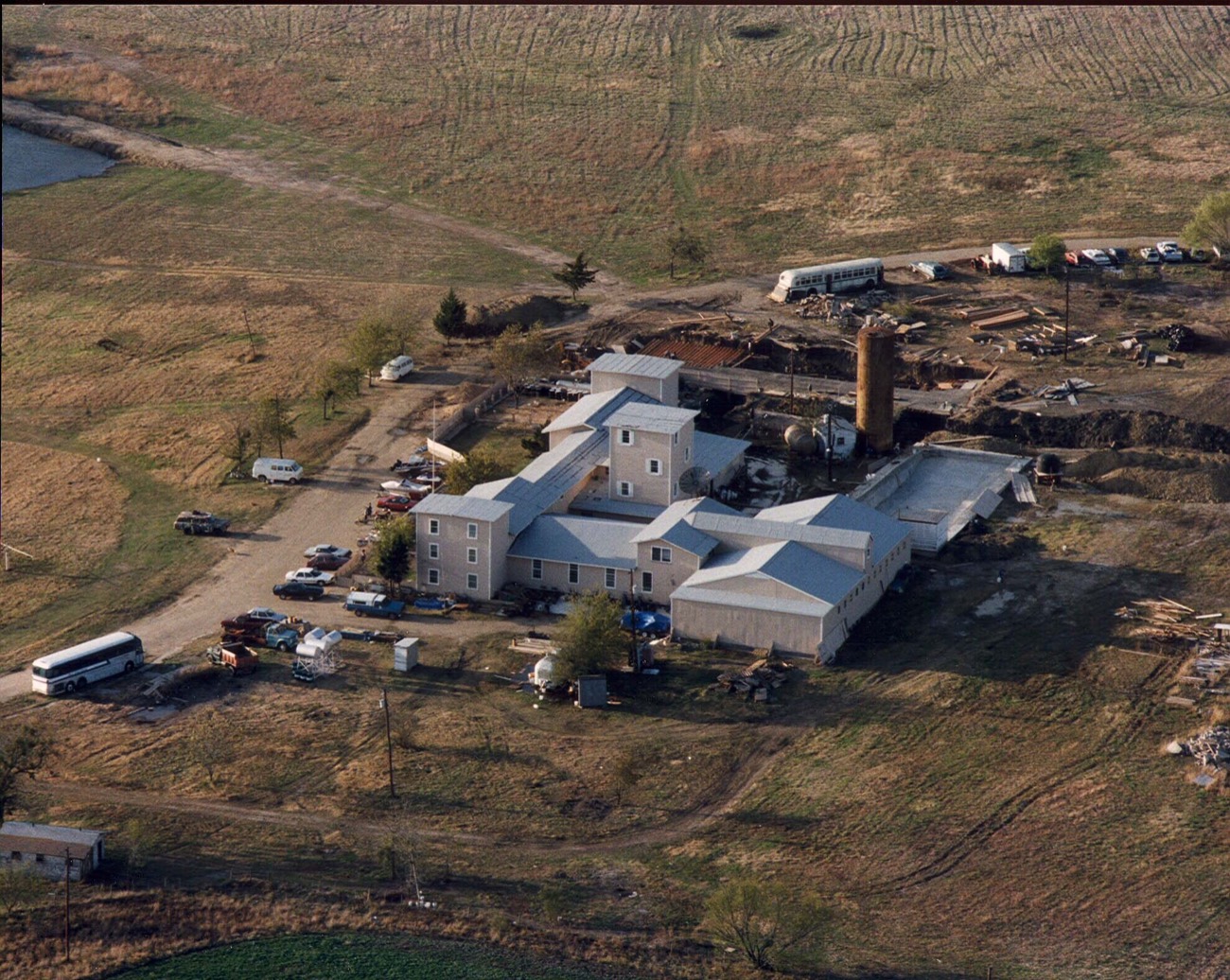
In the spring of 1993, the eyes of the United States were fixed on a sprawling compound in the Texas countryside near Waco, where a religious community called the Branch Davidians, led by a man named David Koresh, was locked in a standoff with the federal government. It had begun on 28 February, when agents of the Bureau of Alcohol, Tobacco, and Firearms attempted a dynamic raid to serve warrants over illegal weapons — a raid that went catastrophically wrong. A gun battle erupted, each side later blaming the other for firing first, and when it ended four federal agents and six Branch Davidians were dead. The failed raid became a 51-day siege, as the FBI surrounded the compound and negotiators tried, with growing frustration, to talk Koresh and his followers out. Inside were roughly a hundred people, including many children. On 19 April 1993, the government launched a final assault, using armored vehicles to punch holes in the building and inject tear gas to force the occupants out. Around midday, fires broke out inside the compound and swept through it within minutes. Some 76 Branch Davidians died, among them David Koresh and about 25 children. The tragedy became one of the most contested events in modern American history — argued over ever since by those who blame Koresh for leading his followers to death, those who blame the government for reckless and aggressive tactics, and those who see failures on every side. It reshaped how the government handles such standoffs, and it became a rallying cry for the anti-government movement, cited by the man who, exactly two years later, bombed a federal building in Oklahoma City. This is the story of Waco, told with care for the facts and for the dead.
Aum Shinrikyo and the Tokyo Subway Attack
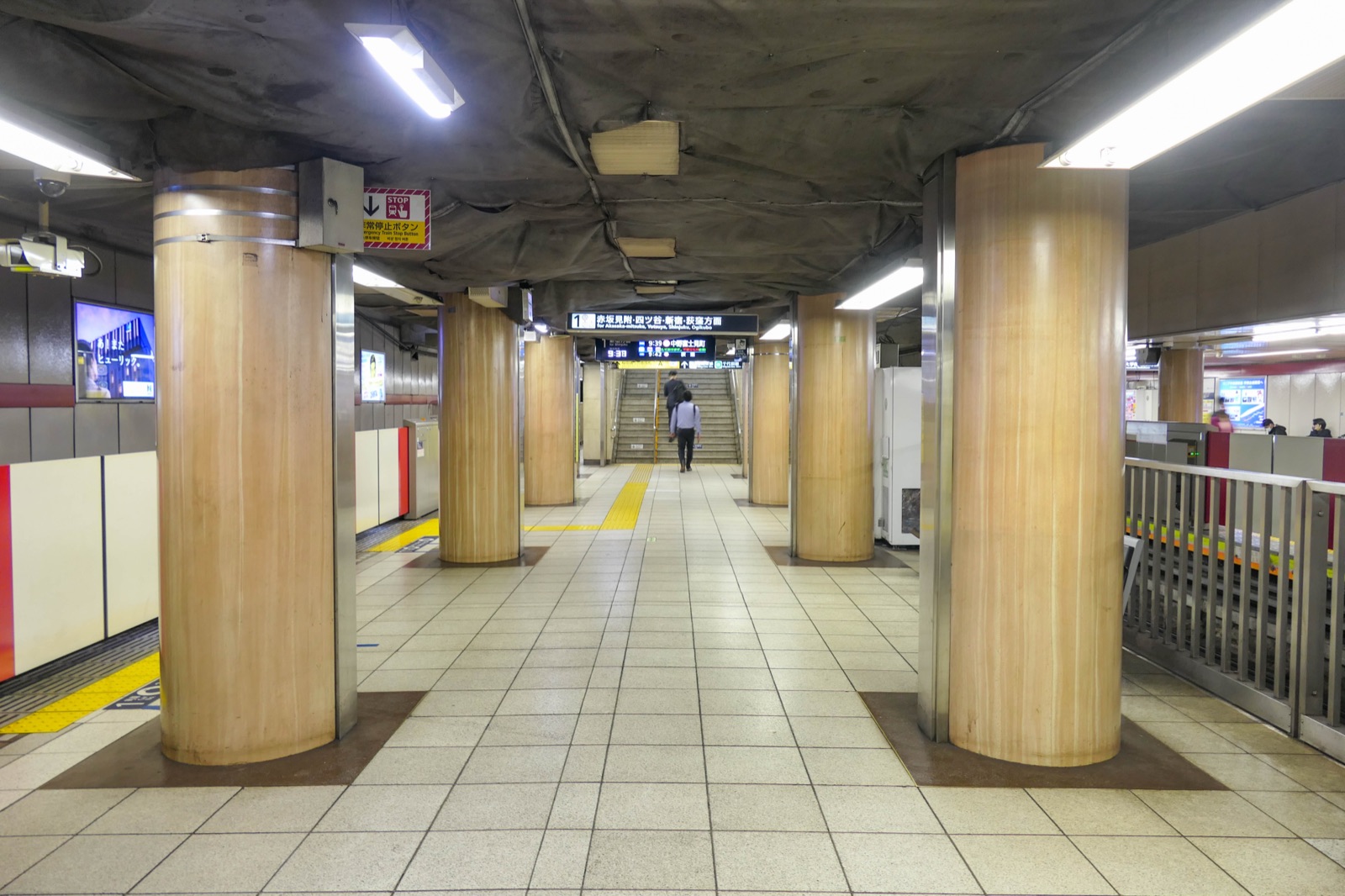
At 7:48 a.m. on Monday, March 20, 1995, five members of the Japanese new-religious-movement *Aum Shinrikyo* boarded five different trains on three converging Tokyo subway lines. Each carried two or three plastic bags wrapped in newspaper, each bag containing approximately 600 milliliters of impure liquid sarin. As the trains approached Kasumigaseki station — the station at the political heart of Tokyo, beneath the National Diet, the Supreme Court, and the major ministries — each man set down his package, pierced the bags with the sharpened tip of an umbrella, and stepped off at the next station. The released sarin evaporated through the morning commute. The first 911 call came at 8:09 a.m. By the time the trains had been cleared, hospitals across Tokyo were processing the largest mass-casualty event in Japanese postwar history: 13 dead (a 14th died of injuries 14 years later), approximately 5,800 injured, of whom approximately 1,000 required hospitalization. The attackers belonged to a cult that, in 1989, had been registered as a recognized religious organization with Japanese authorities, and by 1995 claimed approximately 40,000 members worldwide. Its founder, Shoko Asahara — a half-blind acupuncturist and yoga instructor — had ordered the attack as part of a planned millenarian apocalypse that would establish Aum theocratic rule in Japan. Asahara was executed by hanging on July 6, 2018, together with six other Aum senior figures. The attack remains the single most consequential act of chemical-weapon terrorism by a non-state actor in modern history.