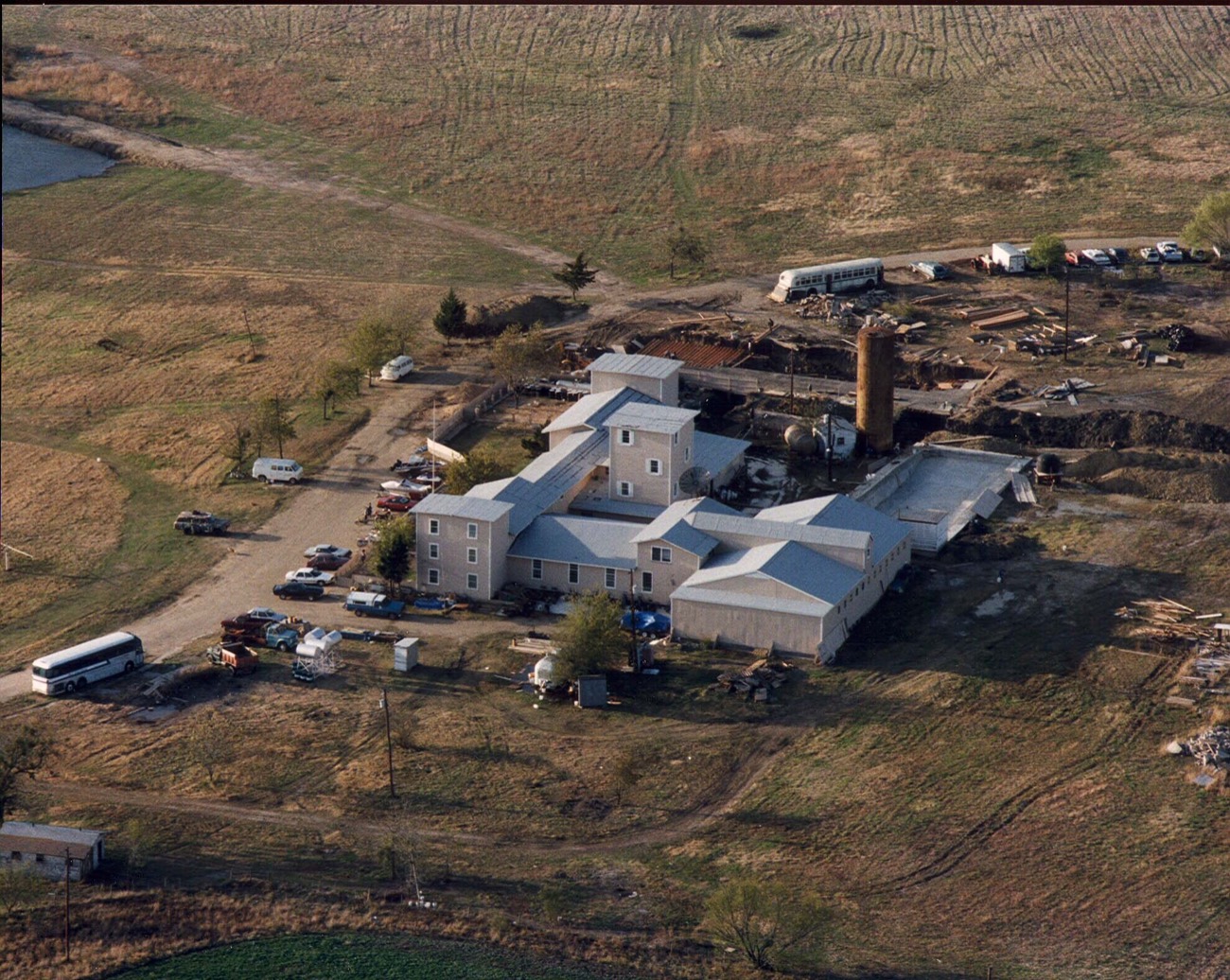
The Mount Carmel Center near Waco, Texas, the home of the Branch Davidian community, before the 1993 events. Roughly a hundred people lived here, including many children, under the leadership of David Koresh. Wikimedia Commons / Public domain.
Waco: The Branch Davidian Siege and the Fire That Followed
United States, 1993 — A botched federal raid on a Texas religious community became a 51-day siege, and ended in a fire that killed some 76 people, a third of them children. Who was to blame — the cult leader, the government, or both — has been fiercely argued ever since
- Category
- Religion, Cults & Spirituality
- Published
- Length
- 3,700 words · 20 min read
- Author
- The editors
Waco is among the most bitterly contested events in modern American history, and any honest account must begin by acknowledging that contestation. It is a story in which there are no simple heroes: a religious leader who abused his followers and stockpiled weapons; a federal agency whose botched raid started the catastrophe; another agency whose aggressive siege tactics have been widely criticized; and, at the center, dozens of people, including many children, who died in a fire whose ultimate cause is still argued over. To tell it responsibly requires holding several difficult truths at once, resisting both the temptation to excuse the government's serious failures and the temptation to turn Koresh and the tragedy into the pure anti-government martyrdom that some have made of it. Above all, it requires remembering that at the heart of the argument are real people who died, a third of them children, who deserve to be more than ammunition in a decades-old dispute.
This is the story of the siege at Waco.
The Branch Davidians and David Koresh
The Branch Davidians were not a new or fly-by-night group. They traced their origins to a schism within the Seventh-day Adventist tradition decades earlier, and they had occupied the Mount Carmel Center near Waco since the 1950s, a community organized around an intense study of biblical prophecy, especially the apocalyptic visions of the Book of Revelation. For years they lived quietly, a small religious community awaiting the end times they believed the scriptures foretold.
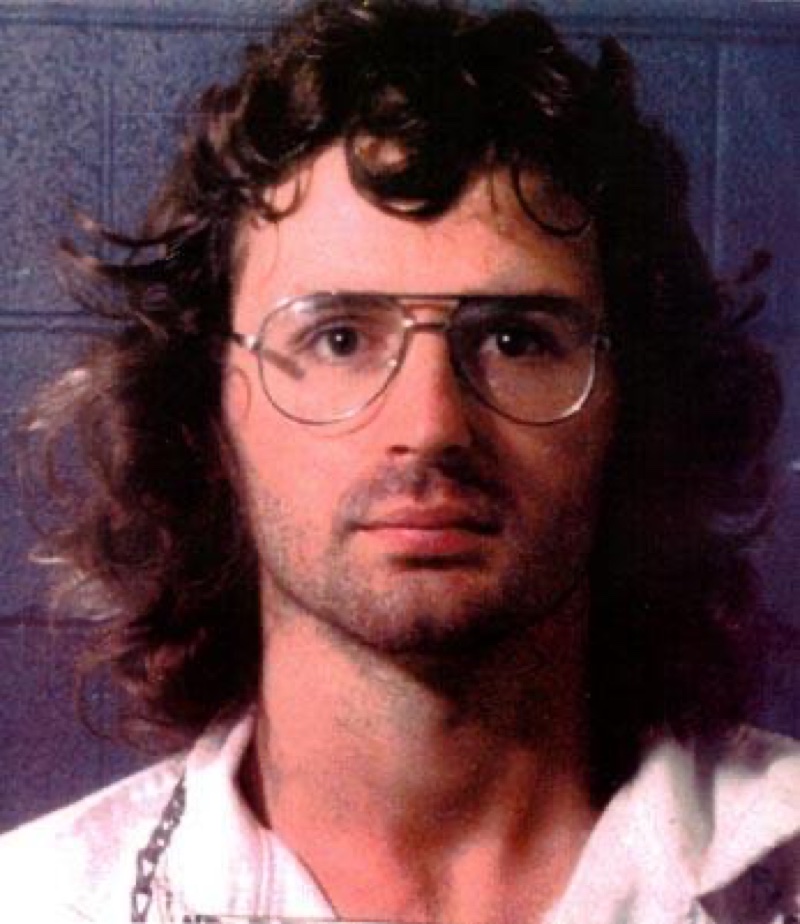
That changed with the rise of David Koresh. Born Vernon Howell, he joined the Branch Davidians and, through a struggle for control in the 1980s, emerged as their leader, taking the name David Koresh — evoking the biblical King David and Cyrus (Koresh) the Great. Charismatic, magnetic, and possessed of an encyclopedic command of scripture, Koresh claimed prophetic authority, presenting himself as the one able to open the Seven Seals of Revelation. He drew followers from around the world and exercised control over nearly every aspect of their lives.
It is essential to be clear-eyed about Koresh's abuses, because they are part of why the authorities came, and because sentimentalizing him serves no one. He took multiple "wives," including girls well below the age of consent, fathering children by them — a grave and documented abuse. He preached that he alone could father children within the community, subjecting members to strict and coercive rules. And he oversaw a substantial stockpile of firearms. Koresh was not a harmless eccentric persecuted for his faith; he was a controlling leader who abused children and amassed weapons, and any account that erases this to make him a simple victim of government tyranny is false.
The raid
The event was set in motion by the Bureau of Alcohol, Tobacco, and Firearms, which had opened an investigation into the Branch Davidians over allegations that they were illegally converting semi-automatic rifles into machine guns and accumulating illegal weapons. On the basis of this investigation, the ATF obtained warrants to search the compound and arrest Koresh, and it planned a dynamic raid — a fast, forceful, surprise entry — to execute them on 28 February 1993.
The raid was a disaster from the start, and the reasons why became the subject of intense later scrutiny. Crucially, the element of surprise on which the plan depended had been lost: the Branch Davidians had been tipped off that the raid was coming. The ATF commanders were reportedly aware, or should have been aware, that surprise was compromised — and yet the raid went forward anyway, a decision widely condemned afterward as reckless. As the agents approached and attempted to enter, gunfire erupted. Each side has always blamed the other for firing the first shot, and the truth of that first instant has never been definitively established. What is certain is the result: a ferocious gun battle in which four ATF agents were killed and many wounded, and six Branch Davidians died as well. The raid failed; the agents withdrew; and a catastrophe had begun.
The siege
After the failed raid, the FBI took command, and Mount Carmel became the site of a 51-day siege that gripped the nation. The compound was surrounded; negotiators established contact with Koresh and others inside; and a tense, grinding standoff settled in. Over the weeks, negotiations secured the release of a number of people, including some of the children, but Koresh repeatedly made and broke promises to come out. At one point he said he would surrender after completing a written interpretation of the Seven Seals; the deadline passed without a surrender.
The children were, throughout, the agonizing center of the crisis. In the early days of the siege, negotiators secured the release of a number of them, who emerged from the compound into the care of the authorities and told, in time, of life inside — of Koresh's control, the doctrine, the fear. But many children remained, and the knowledge that they were inside shaped everything that followed: it was both the government's stated reason for wanting to end the standoff quickly, out of concern that they were being abused, and the reason the final assault was so fraught, since any forceful action risked the very children it was meant to protect. The presence of the children turned every option into a terrible gamble, and it is their fate — some 25 of them dead in the fire — that makes the failures of Waco so hard to forgive.
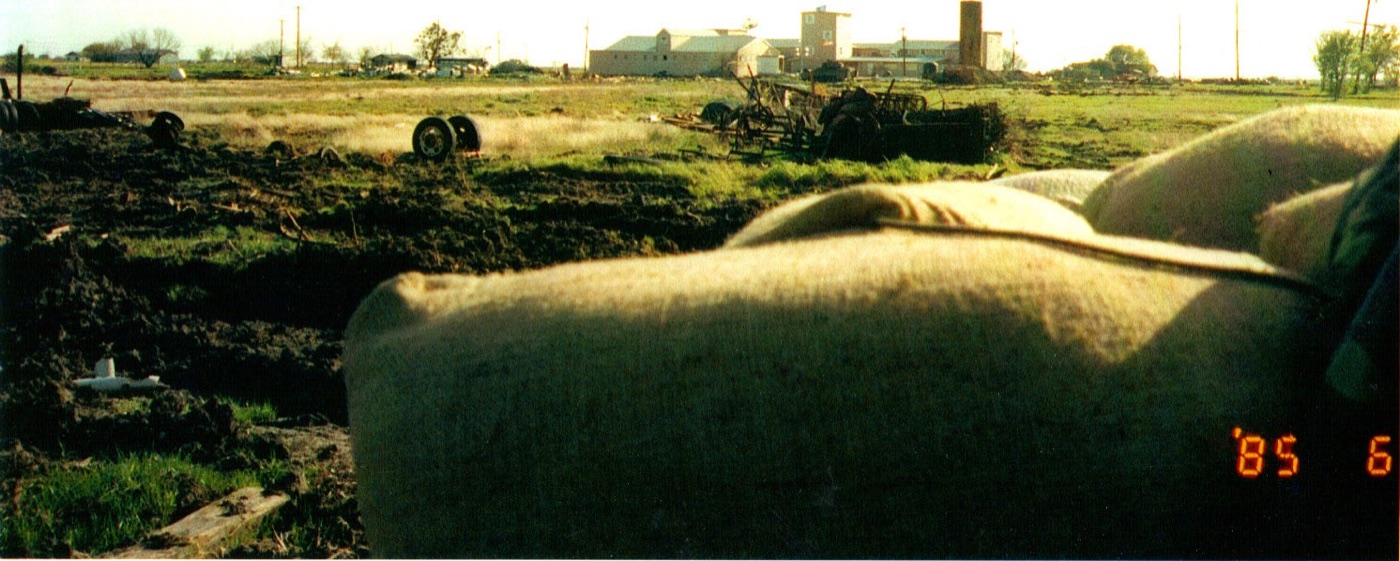
As the siege dragged on, the FBI grew frustrated and turned to increasingly aggressive pressure tactics, and these have been among the most criticized aspects of the whole affair. The bureau cut off the compound's electricity, subjecting the occupants to cold; it flooded the area with bright floodlights at night to deprive them of sleep; and it blasted loud, jarring sounds and music at the building around the clock — a form of psychological warfare intended to wear down resistance. Armored vehicles maneuvered around the compound. To many observers, these tactics seemed more likely to harden the resolve of an apocalyptic group that already believed itself besieged by a hostile world than to coax it out — to confirm Koresh's prophecies rather than break them.
The fire
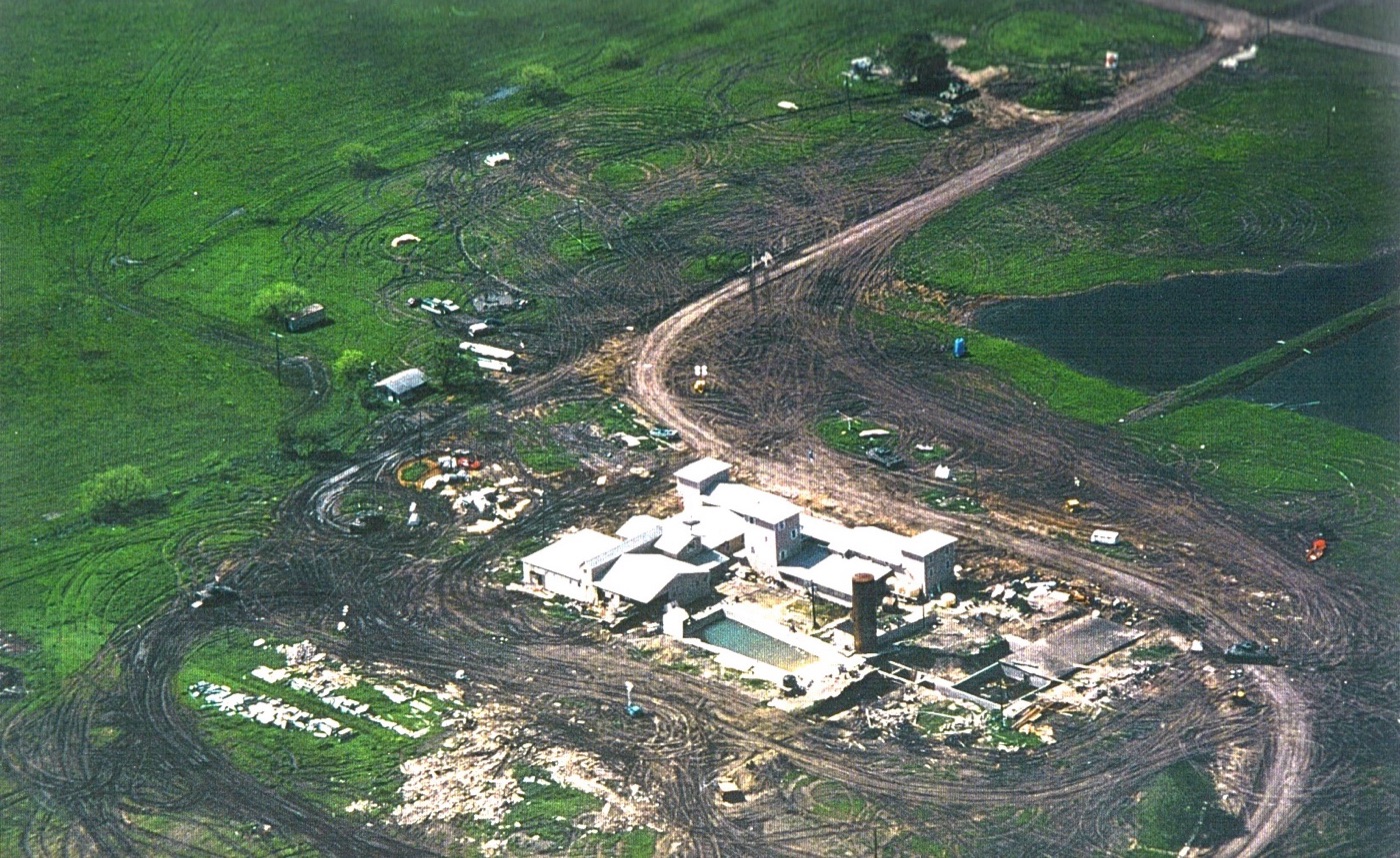
By mid-April, with the siege stalemated and the FBI convinced that negotiations had failed and that children inside were being abused, the bureau proposed a final assault. Attorney General Janet Reno, after deliberation and with stated concern for the children inside, authorized a plan to use tear gas to force the occupants out. On the morning of 19 April 1993, the assault began. Armored vehicles drove into the building, punching holes in its walls and injecting CS tear gas, in an operation meant to make the compound uninhabitable and drive its occupants into the open over a period of hours.
The occupants did not come out. And then, around midday, fires broke out in several places within the building almost simultaneously. Fed by wind and by the building's flimsy construction, the flames spread with terrible speed, and within minutes the entire compound was an inferno. Only nine people escaped. Inside, some 76 people died, including David Koresh and about 25 children. The nation watched much of it unfold on live television — the armored vehicles, the smoke, and then the building consumed by fire.
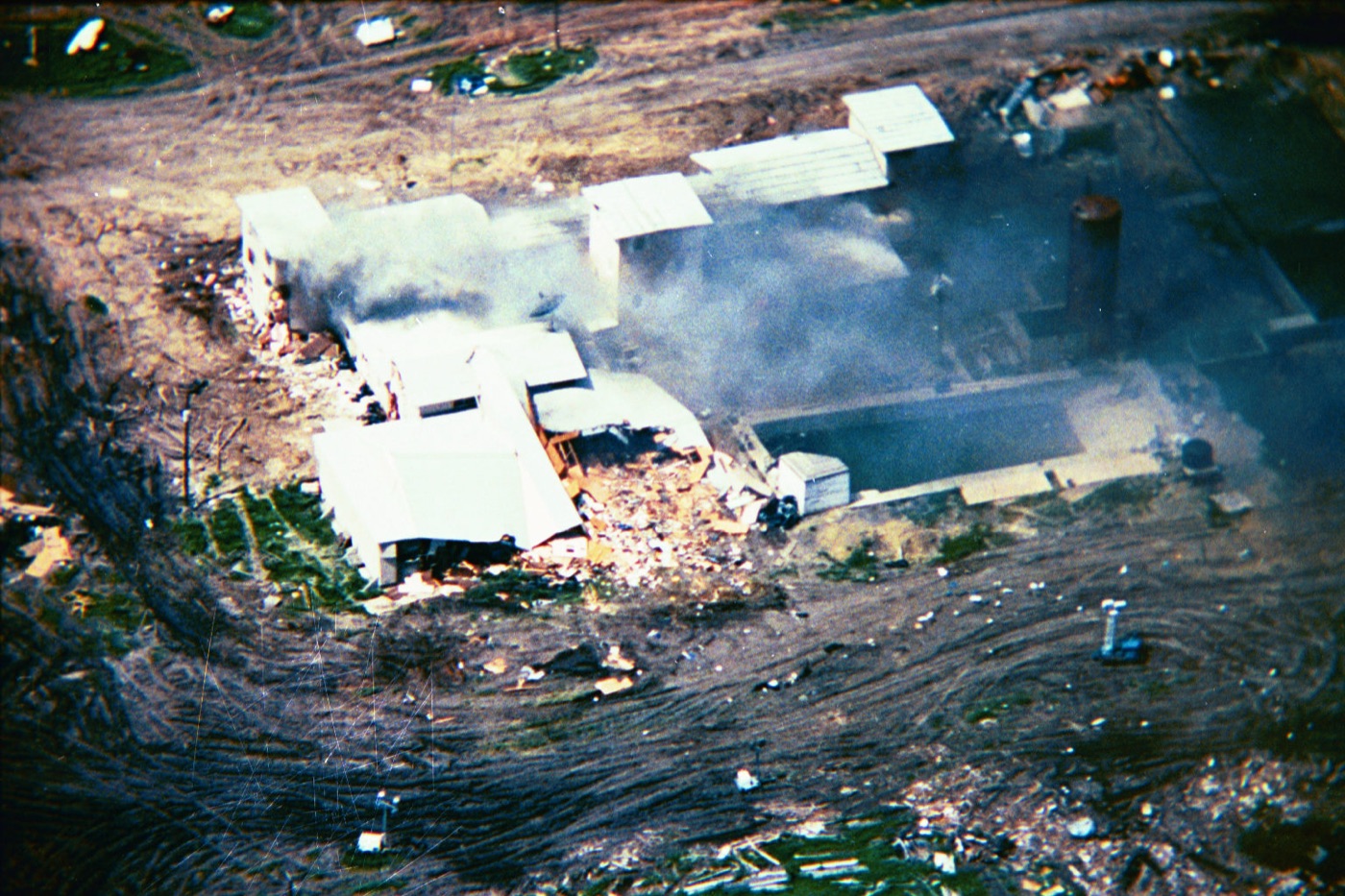
Who started the fire?
The central and most bitterly disputed question of Waco is how the fire began, and it must be addressed carefully, because it is where fact and conspiracy most sharply diverge.
Critics and defenders of the Branch Davidians have long alleged that the government bears direct responsibility for the deaths — that its tanks and gas caused the fire or trapped people inside, or, in the most serious claims, that agents fired on those trying to flee. These specific allegations were investigated and largely rejected by the official inquiries; the Danforth report, in particular, found no evidence that the government started the fire or shot at the Davidians. It is important to distinguish these rejected claims from the genuine, documented criticisms of the government's conduct, which are serious enough on their own: the recklessness of proceeding with a compromised raid, the aggressive siege tactics, and the decision to launch a final assault on a compound full of children rather than continue to wait. One can hold that the Davidians set the fires and that the government's handling of the entire crisis was gravely flawed; these are not contradictory, and the honest position embraces both.
The reckoning and the legacy
Waco provoked a national reckoning. Congressional hearings and the Danforth investigation examined the conduct of the ATF and the FBI, and while they rejected the most extreme accusations, they documented real failures — above all the botched initial raid — and the affair damaged public trust in federal law enforcement.
Waco did not occur in isolation, and its meaning was amplified by what had come just before it. The previous year, in 1992, a federal standoff at Ruby Ridge, Idaho, involving the family of a man named Randy Weaver, had ended with federal agents killing Weaver's wife and son, in an episode that itself became a scandal and a symbol of federal overreach. Coming so soon after Ruby Ridge, Waco seemed to many to confirm a pattern — a federal government too quick to use lethal force against isolated, armed, unconventional Americans — and the two events together became the twin pillars of a rising anti-government anger. Whatever the truth of each case, their conjunction in the early 1990s created a combustible atmosphere of grievance and distrust that would have violent consequences. The tactics of both the raid and the siege were re-examined, and Waco, together with the deadly federal standoff at Ruby Ridge the year before, prompted lasting changes in how the government approaches such confrontations, with far greater emphasis on patience, negotiation, and the avoidance of dynamic assaults.
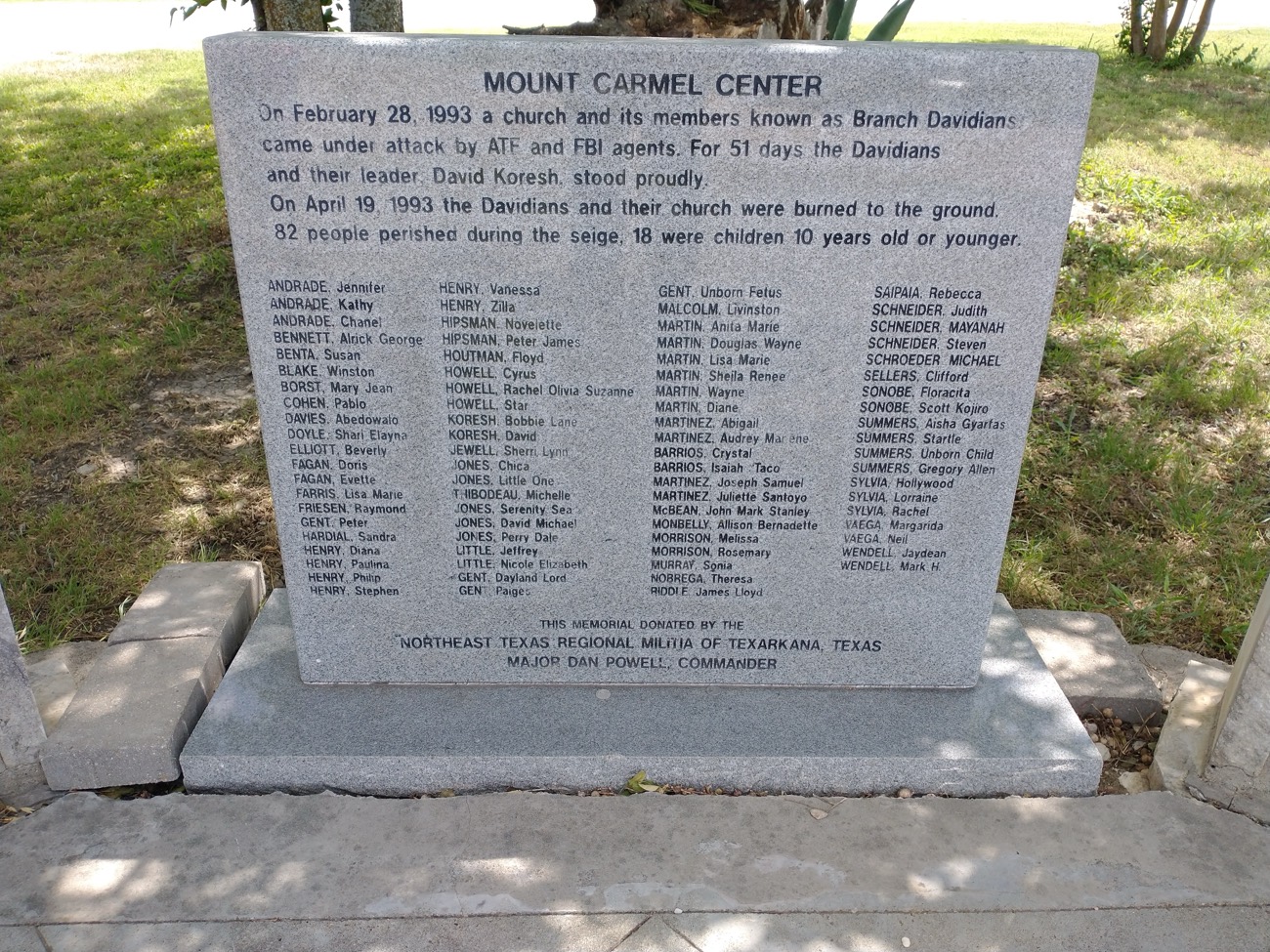
But Waco's darkest legacy lay elsewhere. For the growing American militia and anti-government movement, Waco — like Ruby Ridge — became a defining grievance, proof, in their eyes, of a tyrannical federal government willing to slaughter its own citizens. This narrative, which overstated the government's culpability while ignoring Koresh's abuses, proved combustible. Among those enraged by Waco was Timothy McVeigh, who had traveled to the site during the siege; on 19 April 1995, exactly two years after the fire, McVeigh detonated a truck bomb outside a federal building in Oklahoma City, killing 168 people, including 19 children, in what he conceived partly as revenge for Waco. The tragedy of Mount Carmel thus begot a second, larger atrocity, as the mythology built around it curdled into mass murder.
The meaning of Waco
In the end, Waco endures as a tragedy with no clean villains and no clean account, a catastrophe that implicates almost everyone who held power over it. A religious community led by an abusive, weapon-hoarding prophet met a federal government whose recklessness, impatience, and force turned an investigation into a 51-day siege and a fiery mass death — a death that the weight of evidence attributes to the Davidians' own hands, in fulfillment of the apocalypse their leader had promised them, but that the government's failures did much to bring about. Around this terrible event grew a mythology that erased the abuser and cast the dead as pure martyrs of state tyranny, and that mythology helped inspire a bombing two years later that killed 168 more. The honest reckoning with Waco is harder than either the conspiracy or the official story allows: it requires condemning Koresh's abuses and the government's failures at once, and refusing to let the dead — a third of them children — be reduced to a slogan. They were people, caught between a manipulative prophet and a heavy-handed state, and the fire that killed them is a warning about what happens when apocalyptic belief and unbending force collide, and when no one with power steps back in time to save the innocent trapped between them.
Inspired this / based on it
David Thibodeau
PublicAffairs. A survivor's account of life inside the community and the siege.
John Erick Dowdle & Drew Dowdle
A dramatized miniseries on the siege, based partly on survivor and FBI-negotiator accounts.
William Gazecki
A documentary critical of the government's conduct during the siege.
Filed under
Click any tag for every article carrying it.
Continue reading
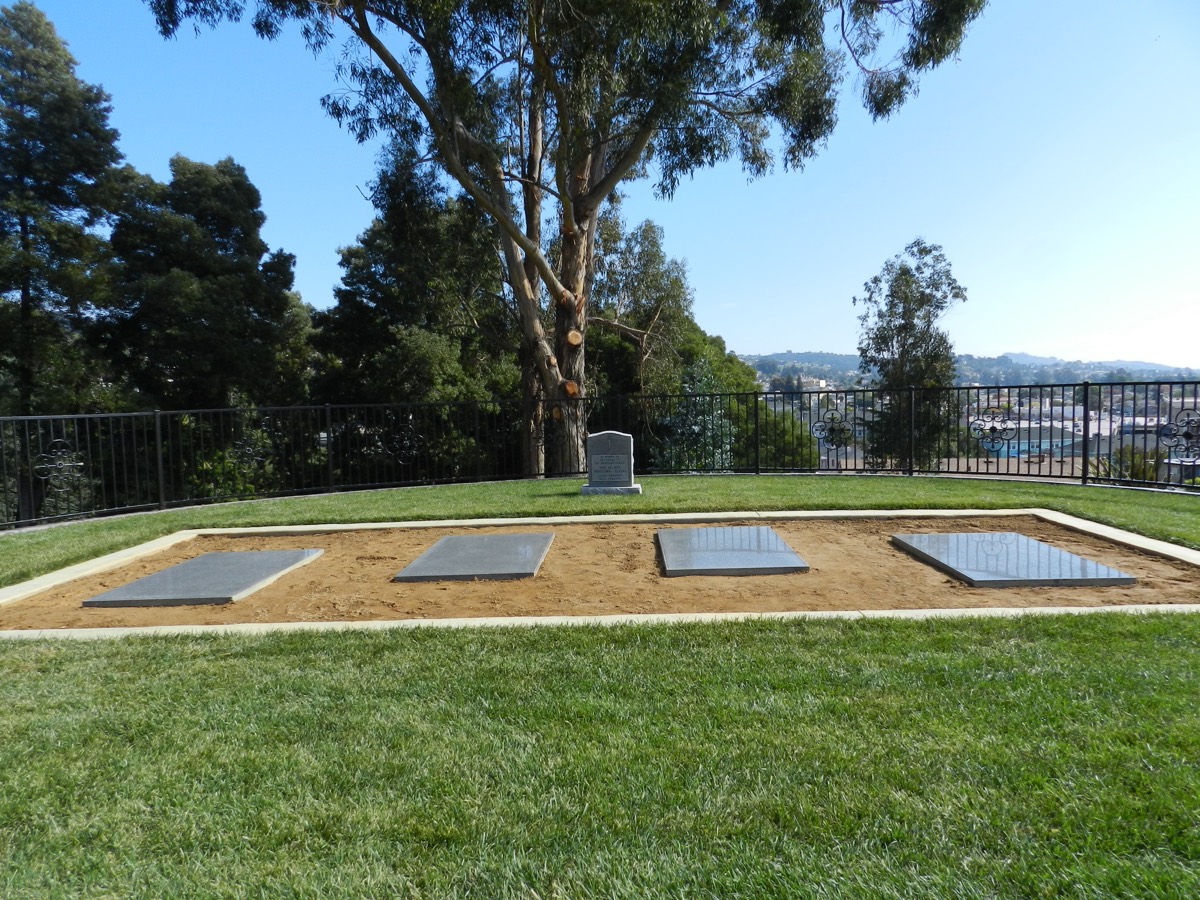
Jonestown: How a Dream of Justice Became a Massacre
The Peoples Temple did not begin as a death cult. It began, in the 1950s and 1960s, as a church that preached racial integration and social justice at a time when both were radical, that fed the poor and cared for the addicted and the elderly, and that drew to it thousands of idealistic people — many of them Black, many of them poor, many of them sincere seekers of a better and fairer world. At its head was Jim Jones, a charismatic preacher who could speak movingly of equality and who built real influence in California, courted by politicians and admired by progressives. But behind the movement's humane public face, Jones was constructing something else: a system of total control, sustained by manipulation, humiliation, sexual and physical abuse, financial exploitation, and a deepening, drug-fueled paranoia. As scrutiny closed in, he moved his followers to a remote agricultural settlement carved out of the Guyanese jungle — Jonestown — where, cut off from the outside world and utterly under his power, some thousand people lived in isolation and fear. When a United States congressman flew in to investigate reports of abuse, Jones had him murdered at a nearby airstrip. And that same day, 18 November 1978, he set in motion the final act he had long rehearsed: the deaths of everyone in Jonestown. More than nine hundred people died, poisoned with cyanide — many of them forced, many coerced, and more than three hundred of them children who could not consent at all. It was not, for most of the victims, a suicide. It was a massacre. This is the story of how a dream of justice became one of the worst atrocities of its kind in modern history — and of the people who died in it.
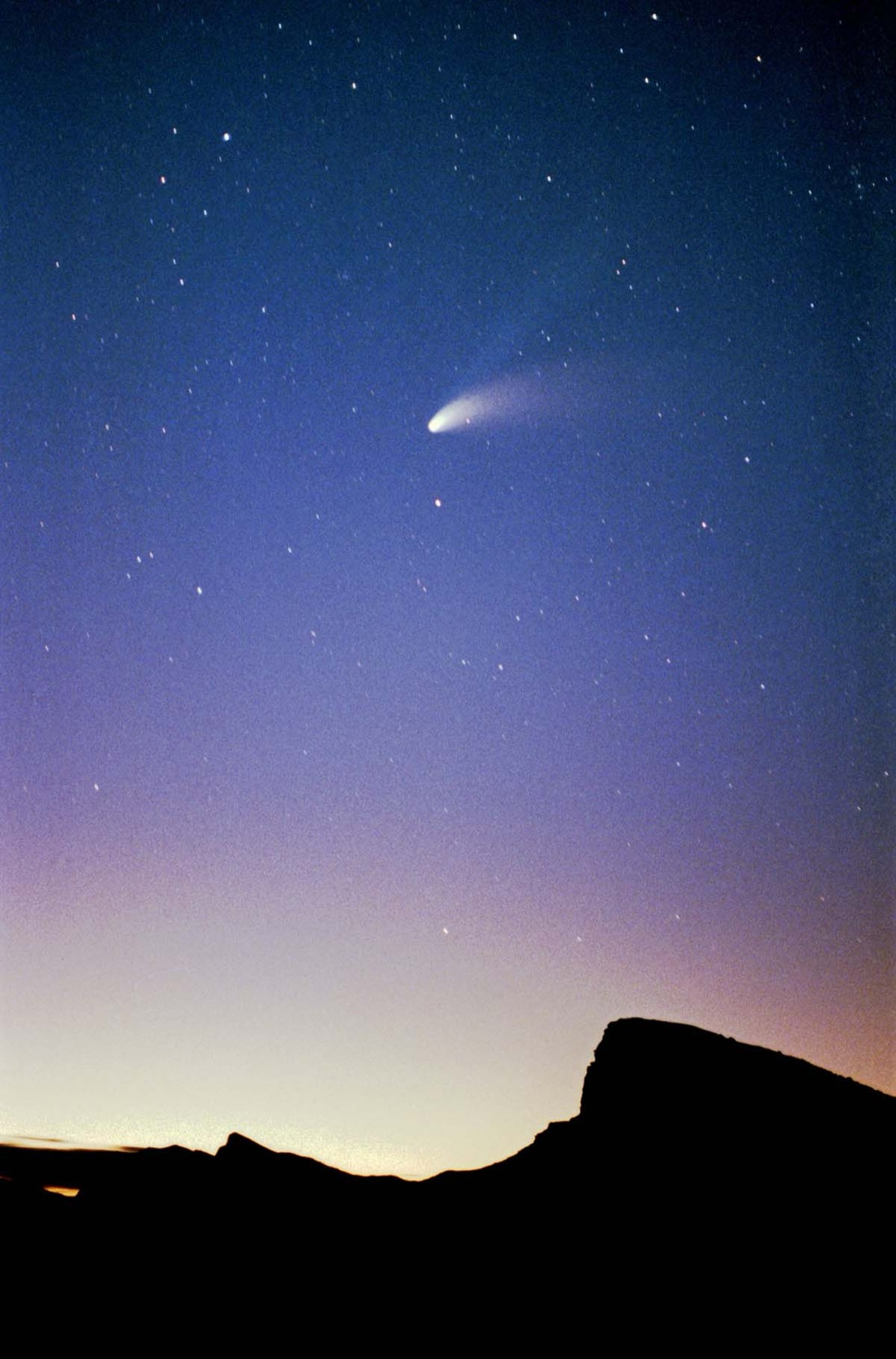
Heaven's Gate: The UFO Cult That Died to Reach the Comet
In late March 1997, in a quiet, affluent suburb north of San Diego, thirty-nine members of a group called Heaven's Gate died together in a rented mansion, in one of the most methodical mass deaths in modern history. They were not coerced at gunpoint, and there were no children among them; they were adults, aged from their twenties to their seventies, who shared a belief so complete that they went to their deaths calmly and by their own choice. That belief, strange as it was, had an internal logic. Heaven's Gate held that the human body was merely a temporary 'vehicle' or 'container' for the soul, and that a higher extraterrestrial realm — the 'Next Level,' the 'Evolutionary Level Above Human' — awaited those who were ready to graduate to it. When the bright comet Hale-Bopp appeared in the skies of early 1997, amid rumors that a spacecraft was following hidden in its tail, the group's leader, Marshall Applewhite, concluded that the sign they had awaited for two decades had finally come: a craft had arrived to carry them home. To board it, they believed, they had to shed their earthly bodies. Over three days, in carefully organized shifts, the thirty-nine ended their lives, each dressed identically, each with a small bag packed as if for a journey. They left behind videos and a website explaining, serenely, that they were simply 'exiting their vehicles.' The deaths shocked the world and became a defining case of what a totalizing belief can lead rational people to do. This is the story of Heaven's Gate — not a mockery of the dead, but an attempt to understand how thirty-nine human beings came to believe that dying was the way home.
Aum Shinrikyo and the Tokyo Subway Attack
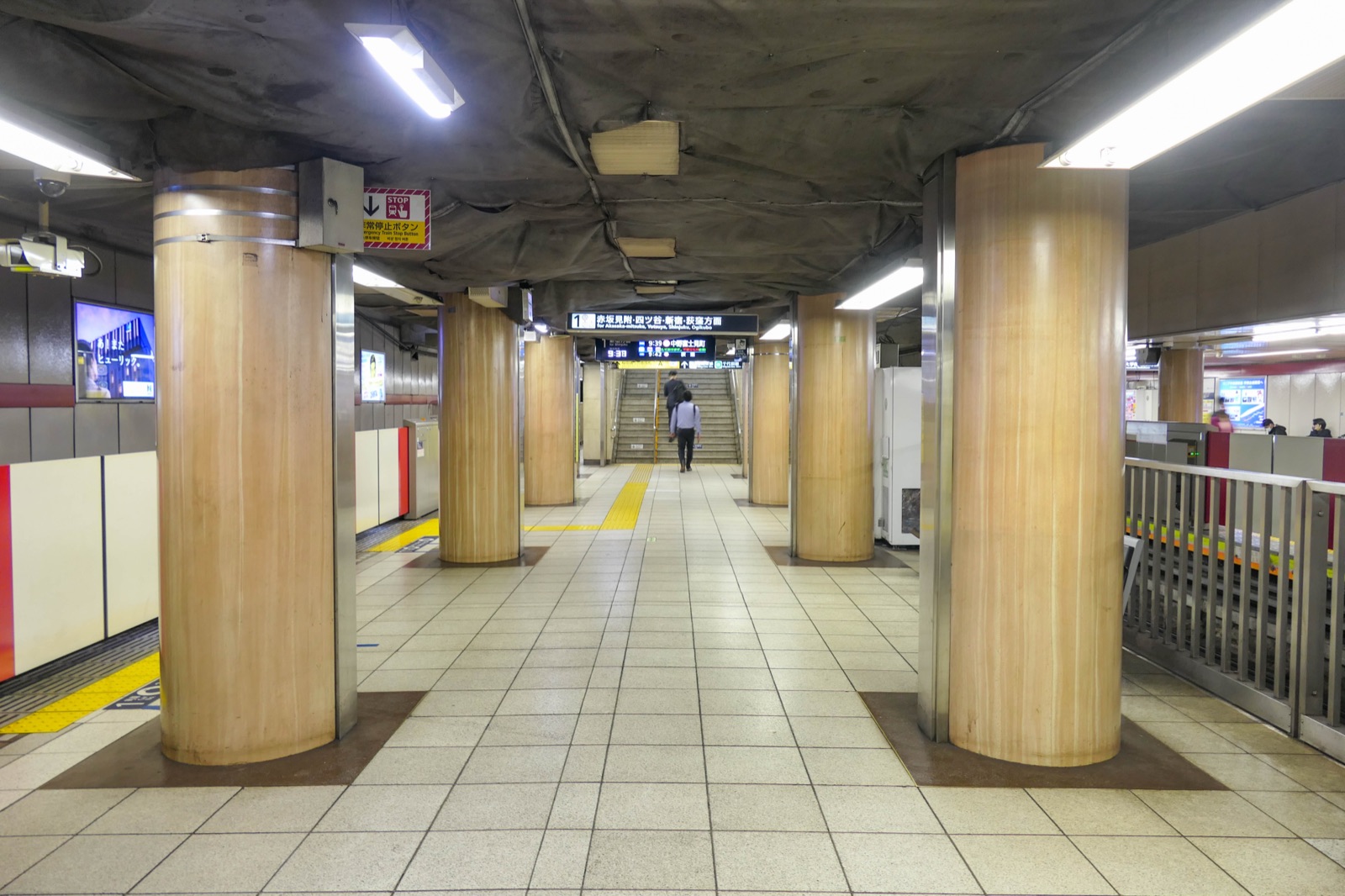
At 7:48 a.m. on Monday, March 20, 1995, five members of the Japanese new-religious-movement *Aum Shinrikyo* boarded five different trains on three converging Tokyo subway lines. Each carried two or three plastic bags wrapped in newspaper, each bag containing approximately 600 milliliters of impure liquid sarin. As the trains approached Kasumigaseki station — the station at the political heart of Tokyo, beneath the National Diet, the Supreme Court, and the major ministries — each man set down his package, pierced the bags with the sharpened tip of an umbrella, and stepped off at the next station. The released sarin evaporated through the morning commute. The first 911 call came at 8:09 a.m. By the time the trains had been cleared, hospitals across Tokyo were processing the largest mass-casualty event in Japanese postwar history: 13 dead (a 14th died of injuries 14 years later), approximately 5,800 injured, of whom approximately 1,000 required hospitalization. The attackers belonged to a cult that, in 1989, had been registered as a recognized religious organization with Japanese authorities, and by 1995 claimed approximately 40,000 members worldwide. Its founder, Shoko Asahara — a half-blind acupuncturist and yoga instructor — had ordered the attack as part of a planned millenarian apocalypse that would establish Aum theocratic rule in Japan. Asahara was executed by hanging on July 6, 2018, together with six other Aum senior figures. The attack remains the single most consequential act of chemical-weapon terrorism by a non-state actor in modern history.