Category
Religion, Cults & Spirituality
From Vatican archives to Jonestown to Knutby.
8 articles

Heaven's Gate: The UFO Cult That Died to Reach the Comet
In late March 1997, in a quiet, affluent suburb north of San Diego, thirty-nine members of a group called Heaven's Gate died together in a rented mansion, in one of the most methodical mass deaths in modern history. They were not coerced at gunpoint, and there were no children among them; they were adults, aged from their twenties to their seventies, who shared a belief so complete that they went to their deaths calmly and by their own choice. That belief, strange as it was, had an internal logic. Heaven's Gate held that the human body was merely a temporary 'vehicle' or 'container' for the soul, and that a higher extraterrestrial realm — the 'Next Level,' the 'Evolutionary Level Above Human' — awaited those who were ready to graduate to it. When the bright comet Hale-Bopp appeared in the skies of early 1997, amid rumors that a spacecraft was following hidden in its tail, the group's leader, Marshall Applewhite, concluded that the sign they had awaited for two decades had finally come: a craft had arrived to carry them home. To board it, they believed, they had to shed their earthly bodies. Over three days, in carefully organized shifts, the thirty-nine ended their lives, each dressed identically, each with a small bag packed as if for a journey. They left behind videos and a website explaining, serenely, that they were simply 'exiting their vehicles.' The deaths shocked the world and became a defining case of what a totalizing belief can lead rational people to do. This is the story of Heaven's Gate — not a mockery of the dead, but an attempt to understand how thirty-nine human beings came to believe that dying was the way home.
Jonestown: How a Dream of Justice Became a Massacre
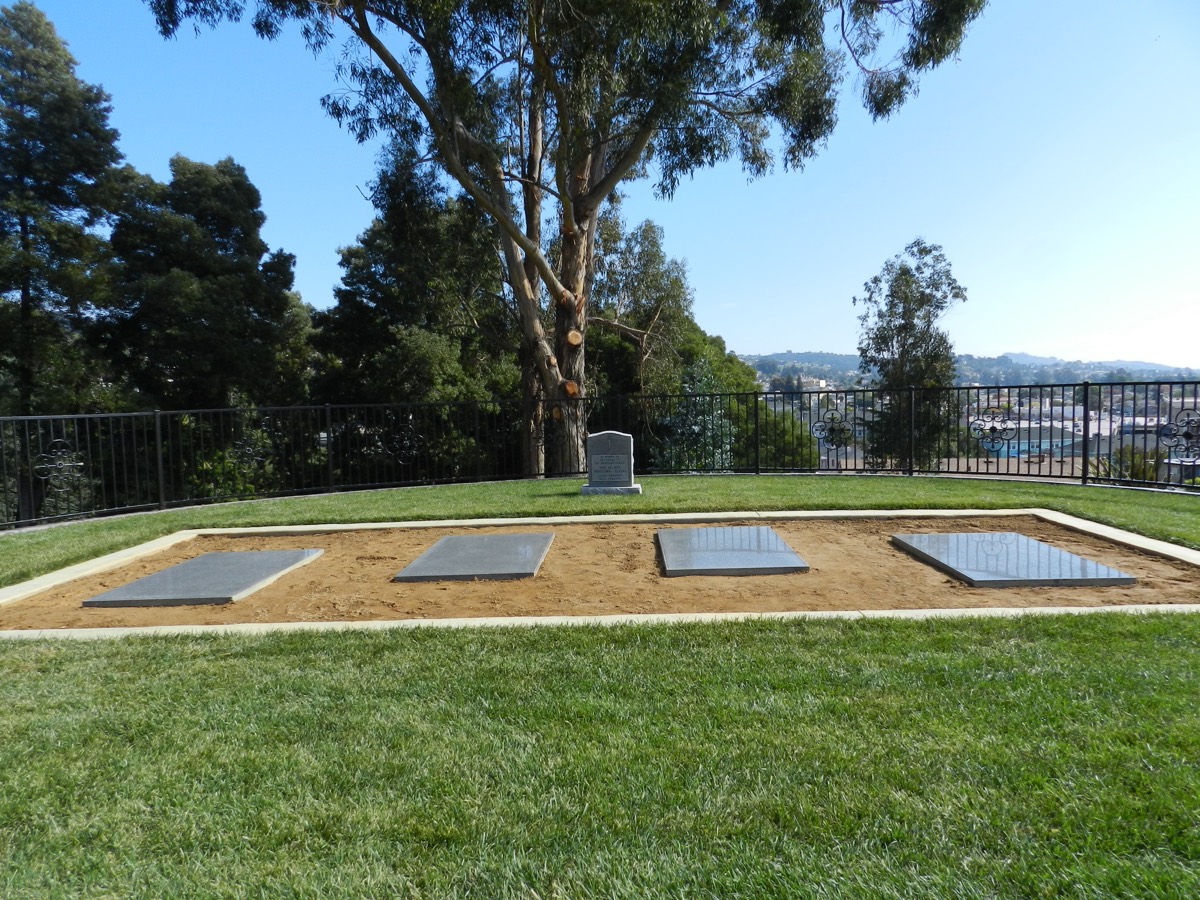
The Peoples Temple did not begin as a death cult. It began, in the 1950s and 1960s, as a church that preached racial integration and social justice at a time when both were radical, that fed the poor and cared for the addicted and the elderly, and that drew to it thousands of idealistic people — many of them Black, many of them poor, many of them sincere seekers of a better and fairer world. At its head was Jim Jones, a charismatic preacher who could speak movingly of equality and who built real influence in California, courted by politicians and admired by progressives. But behind the movement's humane public face, Jones was constructing something else: a system of total control, sustained by manipulation, humiliation, sexual and physical abuse, financial exploitation, and a deepening, drug-fueled paranoia. As scrutiny closed in, he moved his followers to a remote agricultural settlement carved out of the Guyanese jungle — Jonestown — where, cut off from the outside world and utterly under his power, some thousand people lived in isolation and fear. When a United States congressman flew in to investigate reports of abuse, Jones had him murdered at a nearby airstrip. And that same day, 18 November 1978, he set in motion the final act he had long rehearsed: the deaths of everyone in Jonestown. More than nine hundred people died, poisoned with cyanide — many of them forced, many coerced, and more than three hundred of them children who could not consent at all. It was not, for most of the victims, a suicide. It was a massacre. This is the story of how a dream of justice became one of the worst atrocities of its kind in modern history — and of the people who died in it.

Knutby: The Swedish Pentecostal Cult and the Nanny Made to Kill
Knutby is a small village in the countryside of Uppland, north of Stockholm, the kind of quiet Swedish place where little is expected to happen. But within it, over the late 1990s and early 2000s, a small Pentecostal free-church congregation, the Knutby Filadelfia, had turned inward and grown strange. Its members had come to believe that one of their own leaders, a woman named Åsa Waldau, was the 'Bride of Christ' — a divine figure destined to marry Jesus at his return — and the congregation had developed the isolating, all-controlling dynamics of a cult, in which spiritual authority and personal power were dangerously fused. At the center of the drama was a charismatic and manipulative pastor, Helge Fossmo, who exercised profound influence over the community and, in particular, over a vulnerable young woman named Sara Svensson, who worked as a nanny for his family and whom he had drawn into a secret relationship. In January 2004, that machinery of manipulation produced murder. Sara Svensson, acting on the direction of Fossmo — who had manipulated her, in part through anonymous text messages purporting to carry divine authority — shot and killed Fossmo's wife, Alexandra, and gravely wounded a neighbor, the husband of another woman with whom Fossmo was involved. The crime, when it was unraveled, revealed not the act of a lone disturbed woman but the terrible product of a coercive religious community and a pastor who had turned a follower into a weapon. This is the story of Knutby, of the murder it produced, and of how a closed congregation became a machine for making an ordinary person kill.
NXIVM: The Self-Help Company That Was a Coercive Cult
From the outside, NXIVM looked like an ambitious self-improvement business. Founded in the late 1990s near Albany, New York, it sold expensive courses in 'Executive Success Programs' — personal and professional development, communication, overcoming one's limitations — and it attracted an impressive roster of members, including successful professionals, wealthy heiresses to the Seagram fortune, and well-known Hollywood actresses. At its center was Keith Raniere, whom his followers revered as a uniquely brilliant and ethical man, calling him 'Vanguard' and treating his teachings as a path to a better self and a better world. But behind the seminars and the self-help vocabulary, NXIVM was something very different: a coercive, hierarchical group built around total devotion to Raniere, in which members were financially exploited, psychologically manipulated, and bound ever more tightly to his control. And within it, Raniere built a secret inner circle even darker than the rest — a clandestine sorority called DOS, in which women were recruited under false pretenses, made to hand over blackmail 'collateral' to guarantee their obedience, subjected to extreme dieting and sexual coercion, and branded in the skin with a symbol that, unknown to them, incorporated Raniere's own initials. When survivors escaped and spoke out, and journalists exposed the branding, the whole structure collapsed. Raniere was arrested, tried, and convicted of racketeering, forced labor, and sex trafficking, and sentenced to 120 years in prison. This is the story of how a company that promised self-improvement became an instrument of exploitation, and of the women whose courage brought it down.
The Order of the Solar Temple: Death as a 'Transit' to the Stars
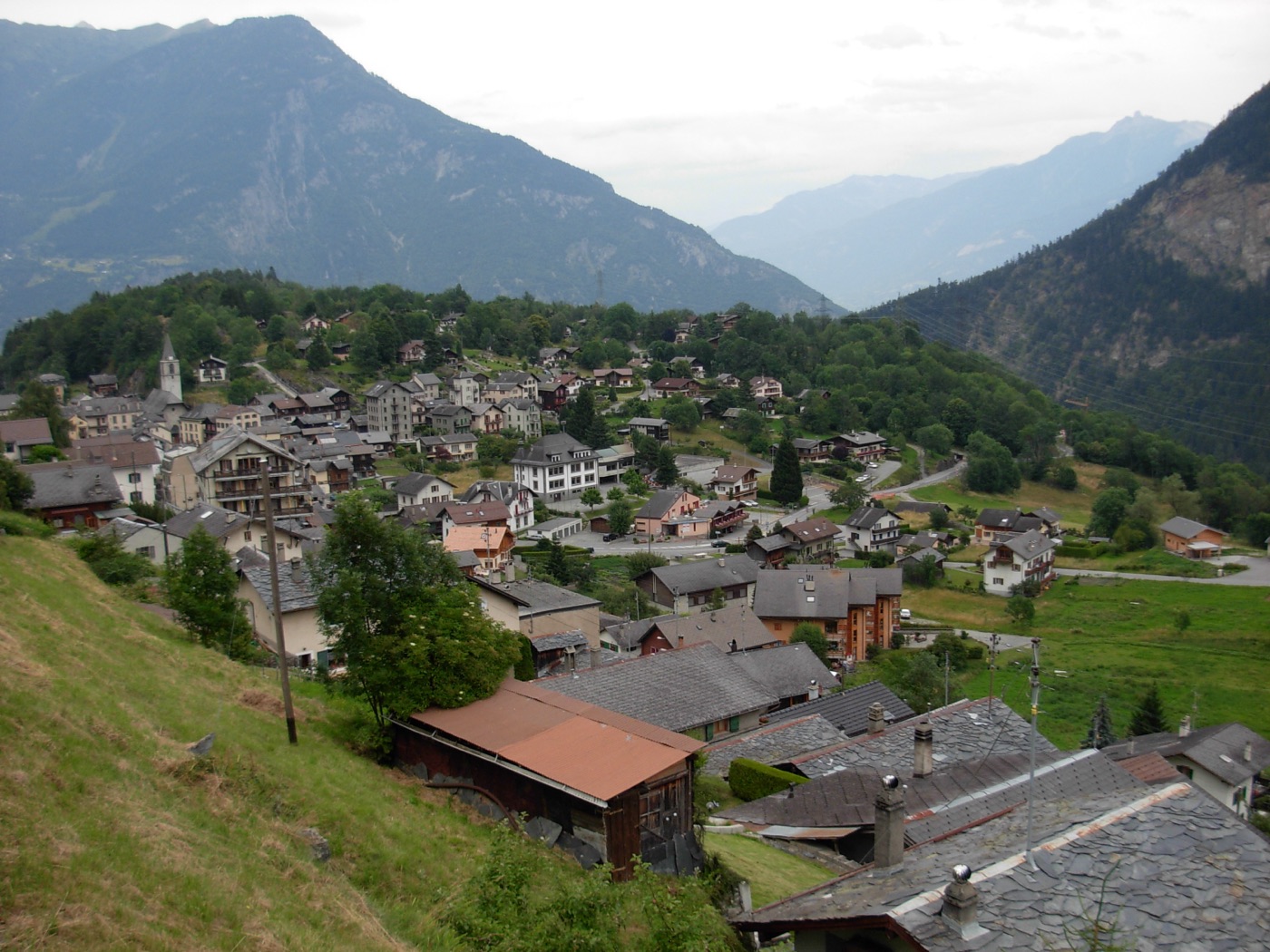
The Order of the Solar Temple was, on the surface, an unlikely candidate for catastrophe. Its members were not the poor or the desperate but, in many cases, educated and affluent professionals across Switzerland, France, and French-speaking Canada, drawn to a movement that wrapped itself in the romance of the medieval Knights Templar, in esoteric ritual and secret initiations, and in a grand cosmology of spiritual ascent. At its head were two men: Joseph Di Mambro, the shadowy organizer and guru who ran the order and staged its mystical illusions, and Luc Jouret, a charismatic Belgian doctor who was its public face and preacher. Together they taught their followers that the world was doomed, hurtling toward an environmental and spiritual apocalypse, and that the members of the Temple were a spiritual elite who could escape the coming ruin — not by surviving it, but by leaving the Earth altogether. Death, in the order's teaching, was not an end but a 'transit,' a voluntary passage to a higher realm of existence associated with the star Sirius, where the faithful would continue their journey. In October 1994, as the order fractured under financial strain, defections, scrutiny, and internal paranoia, that teaching turned lethal. Over a single period, dozens of members died in Switzerland and Canada, in a horrifying combination of suicide and murder; further deaths followed in France in 1995 and in Canada again in 1997. In all, some 74 people died, among them children who could not possibly have chosen 'transit.' This is the story of the Order of the Solar Temple, and of a belief that turned death into a doorway.
Waco: The Branch Davidian Siege and the Fire That Followed
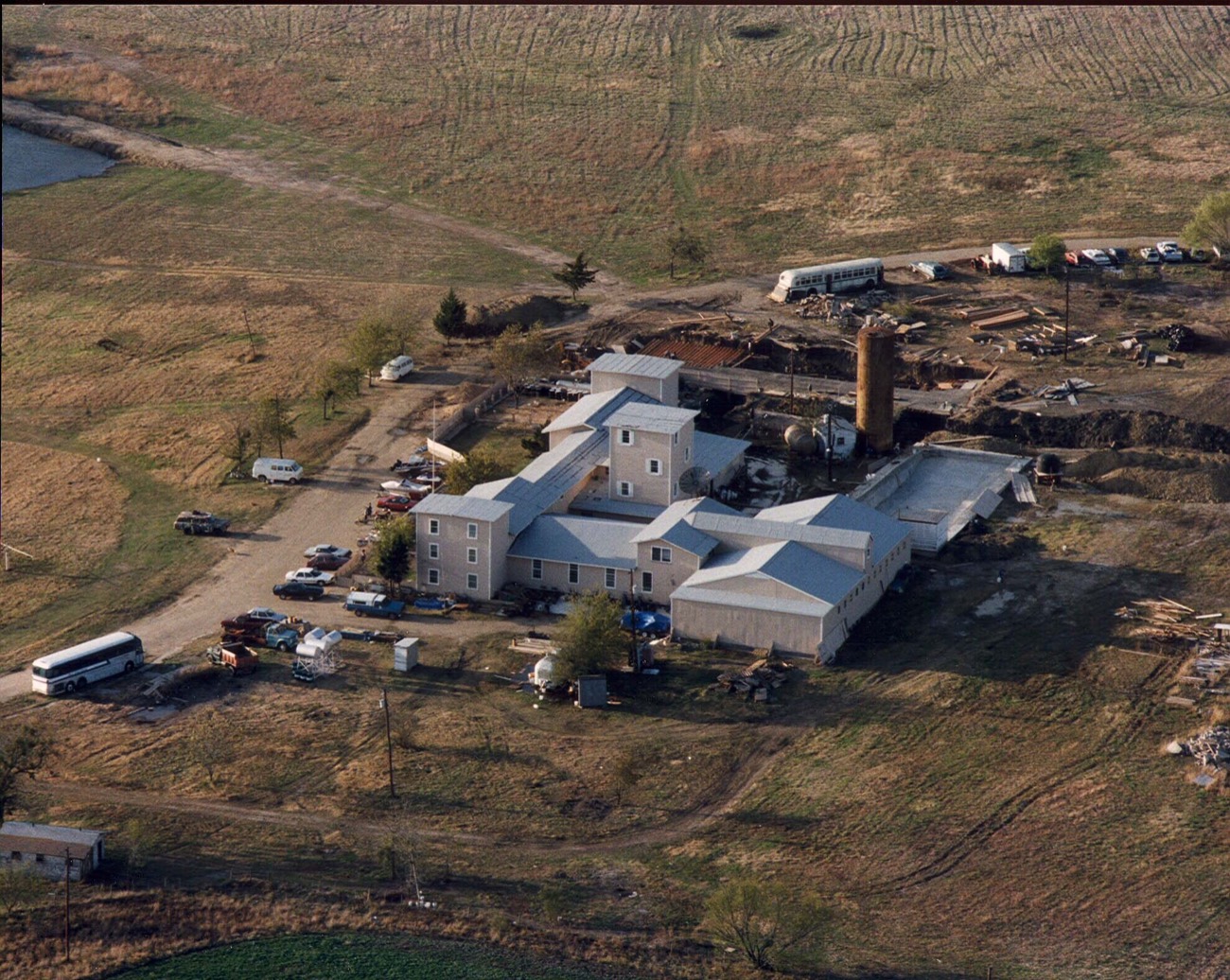
In the spring of 1993, the eyes of the United States were fixed on a sprawling compound in the Texas countryside near Waco, where a religious community called the Branch Davidians, led by a man named David Koresh, was locked in a standoff with the federal government. It had begun on 28 February, when agents of the Bureau of Alcohol, Tobacco, and Firearms attempted a dynamic raid to serve warrants over illegal weapons — a raid that went catastrophically wrong. A gun battle erupted, each side later blaming the other for firing first, and when it ended four federal agents and six Branch Davidians were dead. The failed raid became a 51-day siege, as the FBI surrounded the compound and negotiators tried, with growing frustration, to talk Koresh and his followers out. Inside were roughly a hundred people, including many children. On 19 April 1993, the government launched a final assault, using armored vehicles to punch holes in the building and inject tear gas to force the occupants out. Around midday, fires broke out inside the compound and swept through it within minutes. Some 76 Branch Davidians died, among them David Koresh and about 25 children. The tragedy became one of the most contested events in modern American history — argued over ever since by those who blame Koresh for leading his followers to death, those who blame the government for reckless and aggressive tactics, and those who see failures on every side. It reshaped how the government handles such standoffs, and it became a rallying cry for the anti-government movement, cited by the man who, exactly two years later, bombed a federal building in Oklahoma City. This is the story of Waco, told with care for the facts and for the dead.

Aum Shinrikyo and the Tokyo Subway Attack
At 7:48 a.m. on Monday, March 20, 1995, five members of the Japanese new-religious-movement *Aum Shinrikyo* boarded five different trains on three converging Tokyo subway lines. Each carried two or three plastic bags wrapped in newspaper, each bag containing approximately 600 milliliters of impure liquid sarin. As the trains approached Kasumigaseki station — the station at the political heart of Tokyo, beneath the National Diet, the Supreme Court, and the major ministries — each man set down his package, pierced the bags with the sharpened tip of an umbrella, and stepped off at the next station. The released sarin evaporated through the morning commute. The first 911 call came at 8:09 a.m. By the time the trains had been cleared, hospitals across Tokyo were processing the largest mass-casualty event in Japanese postwar history: 13 dead (a 14th died of injuries 14 years later), approximately 5,800 injured, of whom approximately 1,000 required hospitalization. The attackers belonged to a cult that, in 1989, had been registered as a recognized religious organization with Japanese authorities, and by 1995 claimed approximately 40,000 members worldwide. Its founder, Shoko Asahara — a half-blind acupuncturist and yoga instructor — had ordered the attack as part of a planned millenarian apocalypse that would establish Aum theocratic rule in Japan. Asahara was executed by hanging on July 6, 2018, together with six other Aum senior figures. The attack remains the single most consequential act of chemical-weapon terrorism by a non-state actor in modern history.
The Catholic Church Abuse Cover-Up
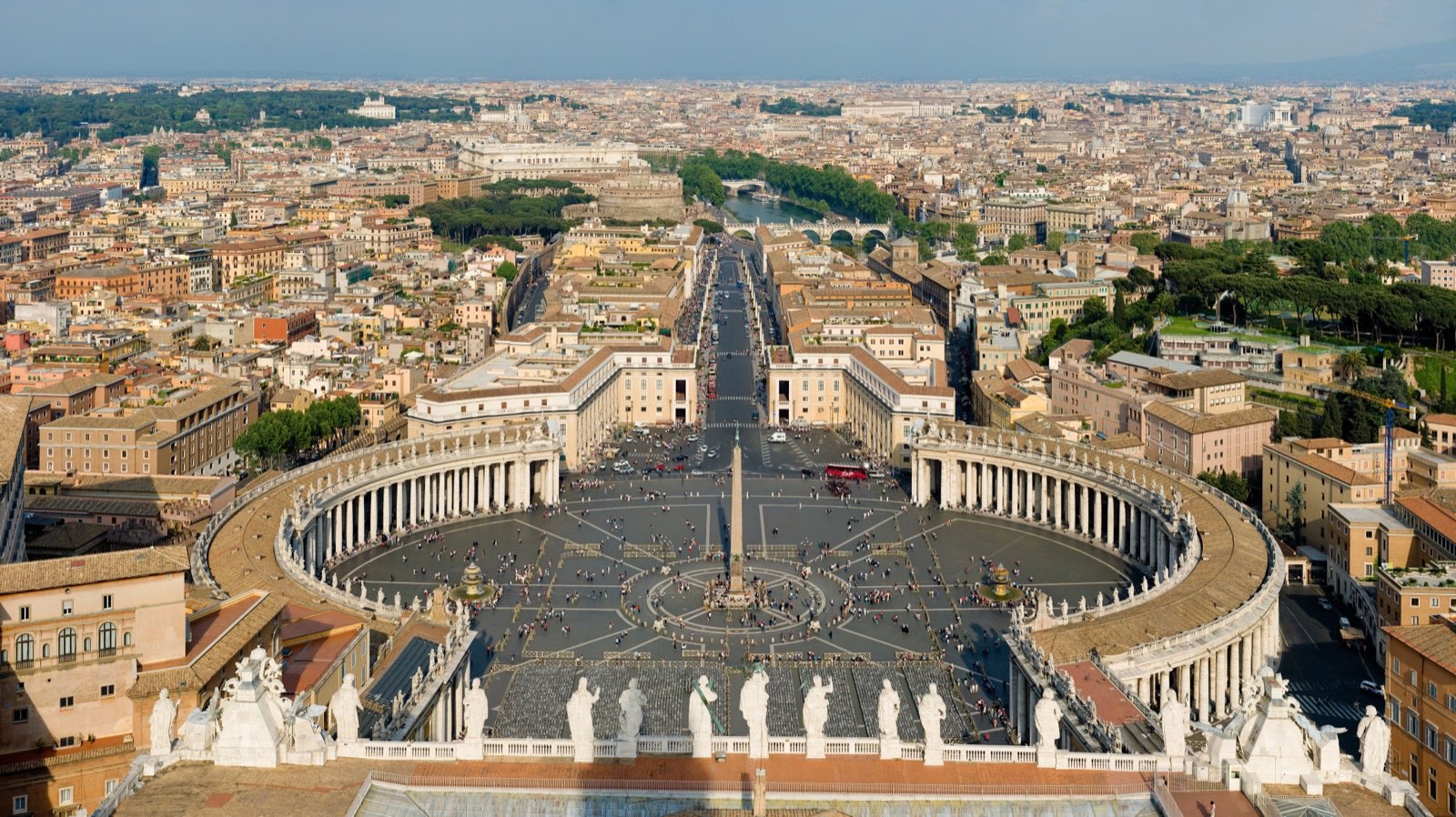
On Sunday, January 6, 2002, the Boston Globe's Spotlight team published a 3,500-word article titled 'Church allowed abuse by priest for years.' The priest was John J. Geoghan. The diocese was Boston. The cardinal who had transferred him among parishes despite knowing of allegations since 1984 was Bernard Law. What began as a Boston story became, over the next two decades, a global accounting: Pennsylvania, Pennsylvania again, Ireland, Australia, Germany, France. The French Sauvé Commission in 2021 estimated that 330,000 children had been abused by clergy and lay members of the Catholic Church in France alone since 1950.
8 files · end of the line