Tag
#unsolved-mystery
17 articles

The Death of Bruce Lee: The Dragon's Sudden End
On the evening of 20 July 1973, Bruce Lee — the martial artist, actor, and philosopher who had done more than anyone to bring kung fu to the world, and who stood on the very threshold of global superstardom — lay down in a Hong Kong apartment with a headache and never woke up. He was thirty-two years old, extraordinarily fit, and weeks away from the release of Enter the Dragon, the film that would make him an immortal icon. His sudden death at the height of his powers stunned the world and seemed, to many, impossible: how could a man who embodied physical perfection simply die of a headache? A coroner's inquest concluded that he had died of a swelling of the brain — cerebral oedema — most likely triggered by a reaction to a common painkiller, and returned a verdict of 'death by misadventure.' But that clinical answer has never satisfied everyone, and in the vacuum of certainty a thicket of theories has grown: that he was murdered by rival martial artists or organised crime, that he fell to an ancient family curse later 'confirmed' by the freak death of his son, that some exotic 'death touch' had felled him. The medical reality is at once more mundane and more genuinely uncertain than any of these. This is the story of the death of Bruce Lee — of what the evidence shows, what remains unknown, and why the legends persist.

The Death of Marilyn Monroe: The Star, the Overdose, and the Theories
In the early hours of 5 August 1962, Marilyn Monroe — the most photographed and adored star of her age, an icon of Hollywood glamour recognised the world over — was found dead in the bedroom of her modest home in the Brentwood district of Los Angeles. She was thirty-six years old. The Los Angeles County coroner determined that she had died of acute barbiturate poisoning, a lethal quantity of sleeping pills in her system, and classified the death as a 'probable suicide,' consistent with her long and painful history of depression, insomnia, and dependency on the drugs that both sustained and endangered her. It should have been, and in its essentials was, the tragic end of a brilliant, fragile woman whom fame had exploited more than it had protected. But the investigation that night was careless and confused, the timeline muddled, the accounts of those present contradictory; and Monroe's rumoured connections to President John F. Kennedy and his brother, Attorney General Robert Kennedy, gave rise almost immediately to whispers, and then to an enduring industry, of conspiracy — that she had been murdered, or silenced, to protect powerful men. Sixty years on, those theories persist, unproven and unpersuasive, while the documented evidence points, as it did from the start, toward a lonelier and more ordinary tragedy. This is the story of the death of Marilyn Monroe — what is known, what is not, and why the difference matters.
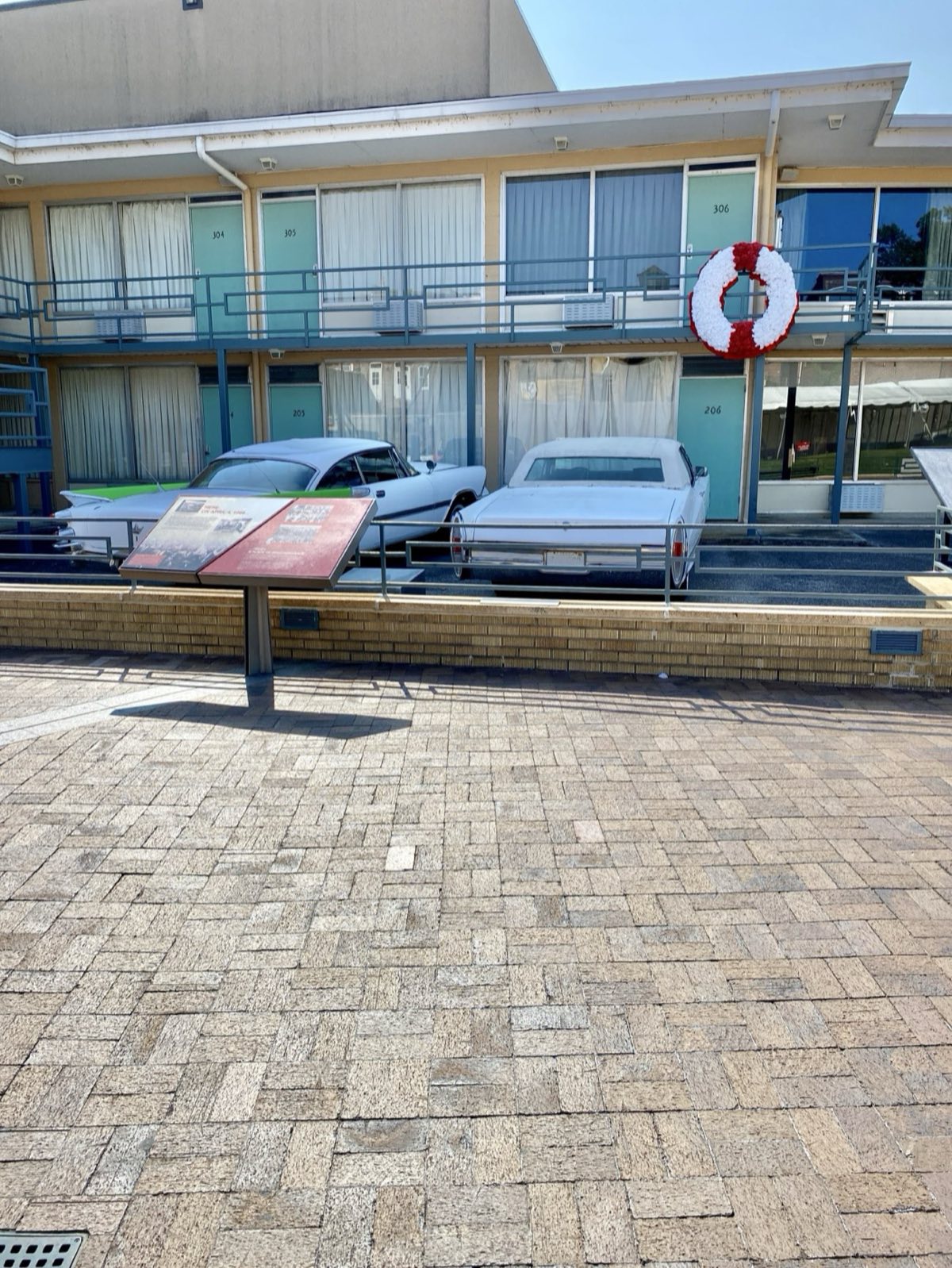
The Assassination of Martin Luther King Jr.: The Shot at the Lorraine Motel
At one minute past six on the evening of 4 April 1968, Martin Luther King Jr. stepped out onto the balcony of room 306 at the Lorraine Motel in Memphis, Tennessee. He had come to the city to support striking Black sanitation workers, and the night before had delivered, as if in premonition, his haunting 'I've Been to the Mountaintop' speech. Now, standing at the railing chatting with colleagues in the parking lot below, he was struck in the face by a single high-powered rifle bullet fired from a rooming house across the street. He fell mortally wounded and was pronounced dead an hour later. He was thirty-nine years old, and with his death the United States lost the most eloquent, disciplined, and morally commanding leader its long struggle for racial justice had produced. A petty criminal and escaped convict named James Earl Ray was identified as the assassin, captured after a two-month international manhunt, and convicted on his own guilty plea. Yet within days Ray recanted, insisting he had been a pawn in a larger plot; he spent the rest of his life seeking the trial he never got; and King's own widow and children came to believe he was not the lone gunman — or not the gunman at all. Set against the documented fact that the FBI had waged a vicious secret campaign to destroy King, the questions have proved impossible to lay fully to rest. This is the story of the assassination at the Lorraine Motel, and of the doubts that outlived the man convicted of it.

The Death of Natalie Wood: Drowning Off Catalina
On the morning of 29 November 1981, the body of Natalie Wood — one of the most cherished actresses of her generation, a star since childhood — was found floating in the Pacific Ocean about a mile from her yacht, the Splendour, off the coast of Santa Catalina Island in California. She was forty-three, and she had drowned. The night before, she had been aboard the yacht with three other people: her husband, the actor Robert Wagner; her Brainstorm co-star, Christopher Walken; and the boat's captain, Dennis Davern. The Los Angeles coroner initially ruled the death an accidental drowning, theorising that she had slipped while trying to secure or board the yacht's dinghy and had been unable to climb back out of the cold water. But the account of that night was troubled from the start — there had reportedly been drinking and an argument aboard, the stories of those present shifted over the years, and Wood, it was widely known, had a lifelong fear of water. Three decades later, in 2011, the case was reopened; the cause of death was formally amended to 'drowning and other undetermined factors'; and in 2018 her husband was named a 'person of interest' — though he has always denied any wrongdoing, was never arrested or charged, and no evidence of foul play has ever been established. This is the story of the death of Natalie Wood — a genuine mystery in which the official record itself declines to say for certain what happened.

The Murder of Tupac Shakur: Twenty-Seven Years to an Arrest
On the night of 7 September 1996, Tupac Shakur — the visionary rapper, actor, and activist who was, at twenty-five, one of the most influential artists in the world — was shot in a drive-by while riding through the Las Vegas Strip in a car driven by the Death Row Records boss Marion 'Suge' Knight. The two had just left the Mike Tyson boxing match at the MGM Grand, where, earlier that evening, Tupac and his entourage had been caught on casino cameras beating a man in the lobby. As their car waited at a red light near the Strip, a white Cadillac pulled alongside and someone opened fire, hitting Tupac four times. He was rushed to hospital and fought for his life for six days before dying on 13 September 1996. His murder stunned the music world and became one of the most infamous unsolved killings in American cultural history — bound up with the bitter East Coast–West Coast rivalry that then convulsed hip-hop, and followed six months later by the strikingly similar murder of his rival, The Notorious B.I.G. For twenty-seven years, despite widespread belief about who was responsible, no one was charged. Then, in September 2023, Las Vegas police arrested a former gang leader who had publicly admitted his role, and charged him with orchestrating the killing. This is the story of the murder of Tupac Shakur — the man, the rivalry, the long silence, and the arrest that came almost three decades too late.
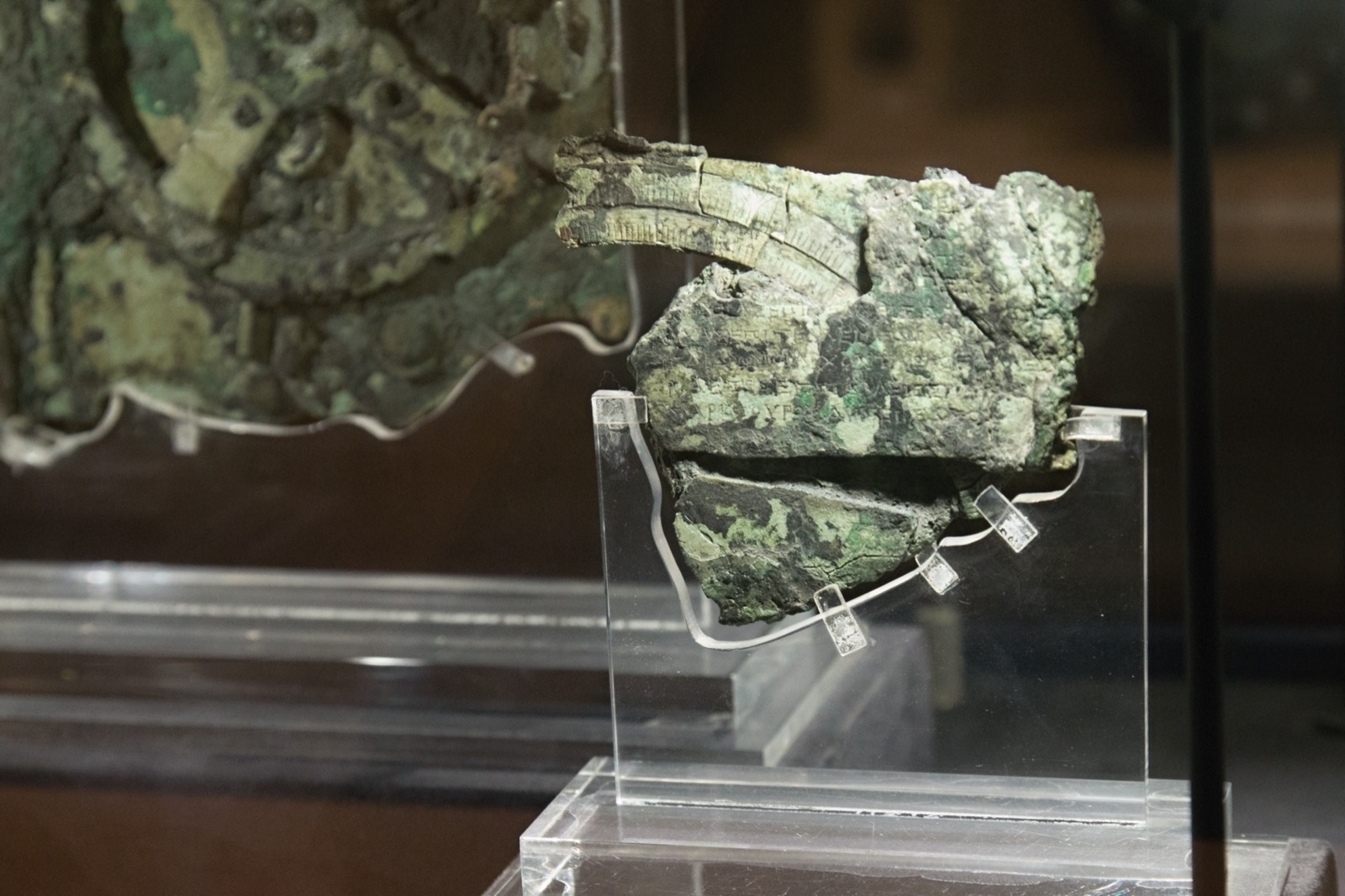
The Antikythera Mechanism: The Ancient Greek Computer
In 1901, Greek sponge divers sheltering from a storm off the tiny island of Antikythera, between Crete and the Peloponnese, stumbled on the wreck of an ancient ship laden with bronze and marble statues, glassware, and coins — a Roman-era cargo of Greek treasures that had gone down around the first century BCE. Among the finds hauled to the surface and shipped to Athens was an unpromising, shoebox-sized lump of corroded bronze and rotted wood, easily overlooked beside the museum's new statues. Months later, an archaeologist noticed something impossible protruding from it: a precisely cut gear wheel. Over the following century, X-rays and then advanced computed tomography would reveal that this lump was the wreckage of a hand-cranked mechanical device containing dozens of finely toothed bronze gears — an astronomical calculator that modeled the movements of the Sun, the Moon, and the planets, predicted eclipses, and tracked the cycles of the Greek calendar and the Olympic Games. Nothing of remotely comparable complexity is known to have existed for well over a thousand years afterward. The Antikythera Mechanism is not a hoax, not a fantasy, and — despite the claims of some — not evidence of anything from beyond the Earth. It is something stranger and more moving: a genuine artifact of ancient Greek genius, and a window onto a world of knowledge that was very nearly lost forever. This is its story.

The Assassination of Malcolm X: The Wrong Men and the Long Wait for Justice
On the afternoon of 21 February 1965, Malcolm X stepped to the podium of the Audubon Ballroom in the Washington Heights neighbourhood of Manhattan to address a few hundred followers of his newly founded Organization of Afro-American Unity. He had barely begun to speak when a disturbance broke out in the crowd, and in the confusion gunmen rushed the stage and opened fire, striking him more than a dozen times. He was pronounced dead within the hour; he was thirty-nine years old, and his pregnant wife and children were in the room. The men who killed him were members of the Nation of Islam, the movement he had once served as its most electrifying voice and had, in the last year of his life, publicly broken with. That much has never been in serious doubt. But the case that followed was a travesty: of the three men convicted of the murder, two were almost certainly innocent, wrongly imprisoned for a crime they did not commit, while some of the real killers were never charged. It would take more than half a century — until November 2021 — for the state of New York to admit the injustice, exonerate the two surviving wrongly convicted men, and confront the evidence that the FBI and the police had concealed. This is the story of the assassination of Malcolm X, of the wrong men who paid for it, and of the long, unfinished wait for the truth.
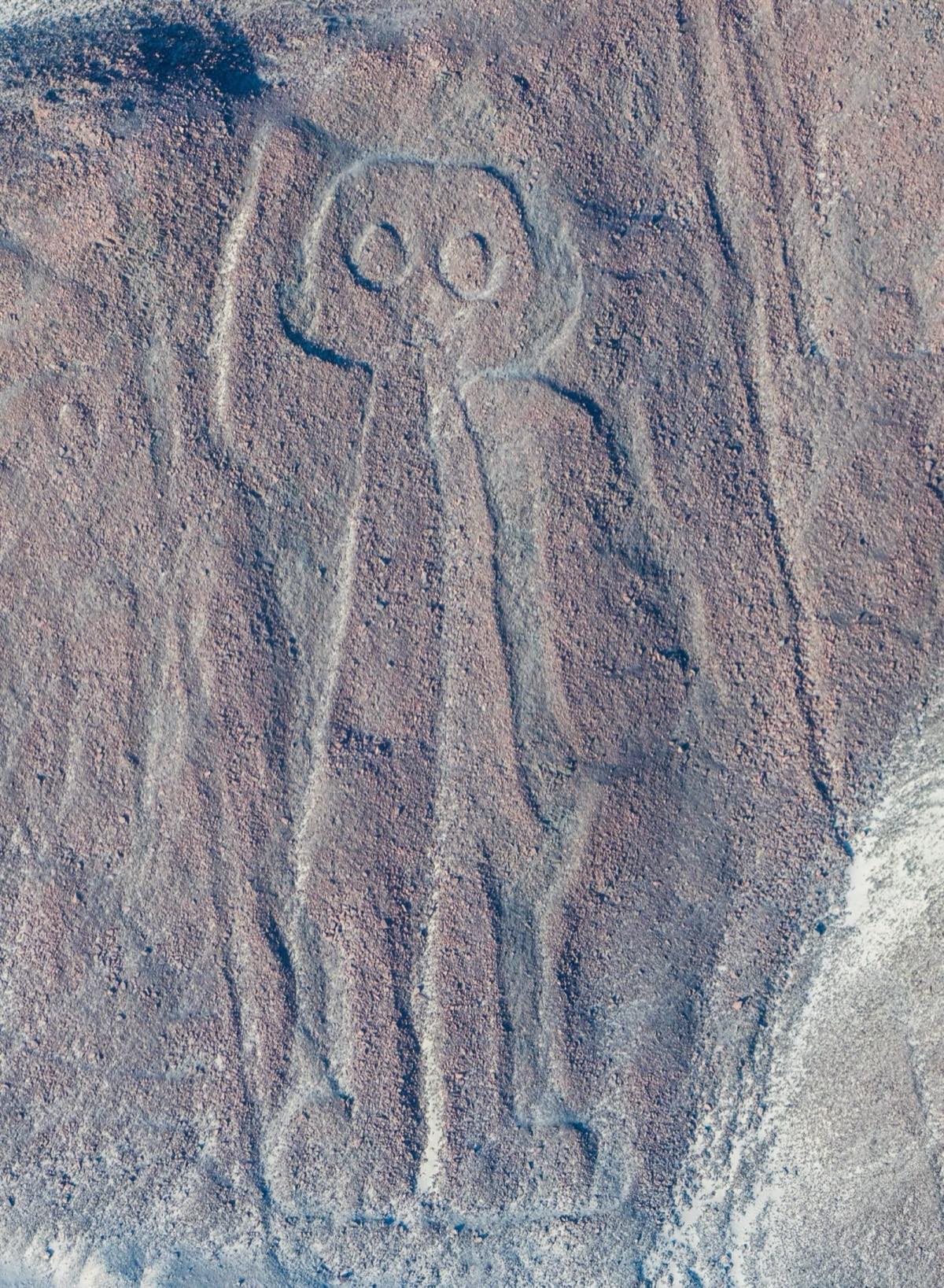
The Nazca Lines: Giant Drawings in the Peruvian Desert
On the arid, wind-still plateau between the towns of Nazca and Palpa in southern Peru lies one of the most extraordinary bodies of ancient art on Earth: hundreds of vast figures and lines etched into the desert floor, so large that many are only fully legible from the air. There are straight lines running ruler-true for kilometres across the pampa; there are trapezoids, triangles, and spirals; and there are some seventy or more great biomorphic figures — a hummingbird, a monkey with a curling tail, a spider, a condor, a heron, a dog, a pair of hands, a flowering tree, and a humanoid figure on a hillside so often nicknamed 'the Astronaut.' They were made by the Nazca people, and by their Paracas predecessors, across roughly a thousand years around the start of the common era, by the simple and ingenious method of clearing away the dark, iron-stained stones of the desert surface to expose the paler ground beneath. Because it almost never rains here, and the wind barely stirs, the drawings have survived for two millennia. How they were made is, in fact, no mystery at all; the techniques are well within the reach of the people who made them, and required no view from the sky and certainly no help from beyond it. The genuine and unsolved question is why — what these enormous figures and lines were for. This is the story of the giant drawings in the desert.
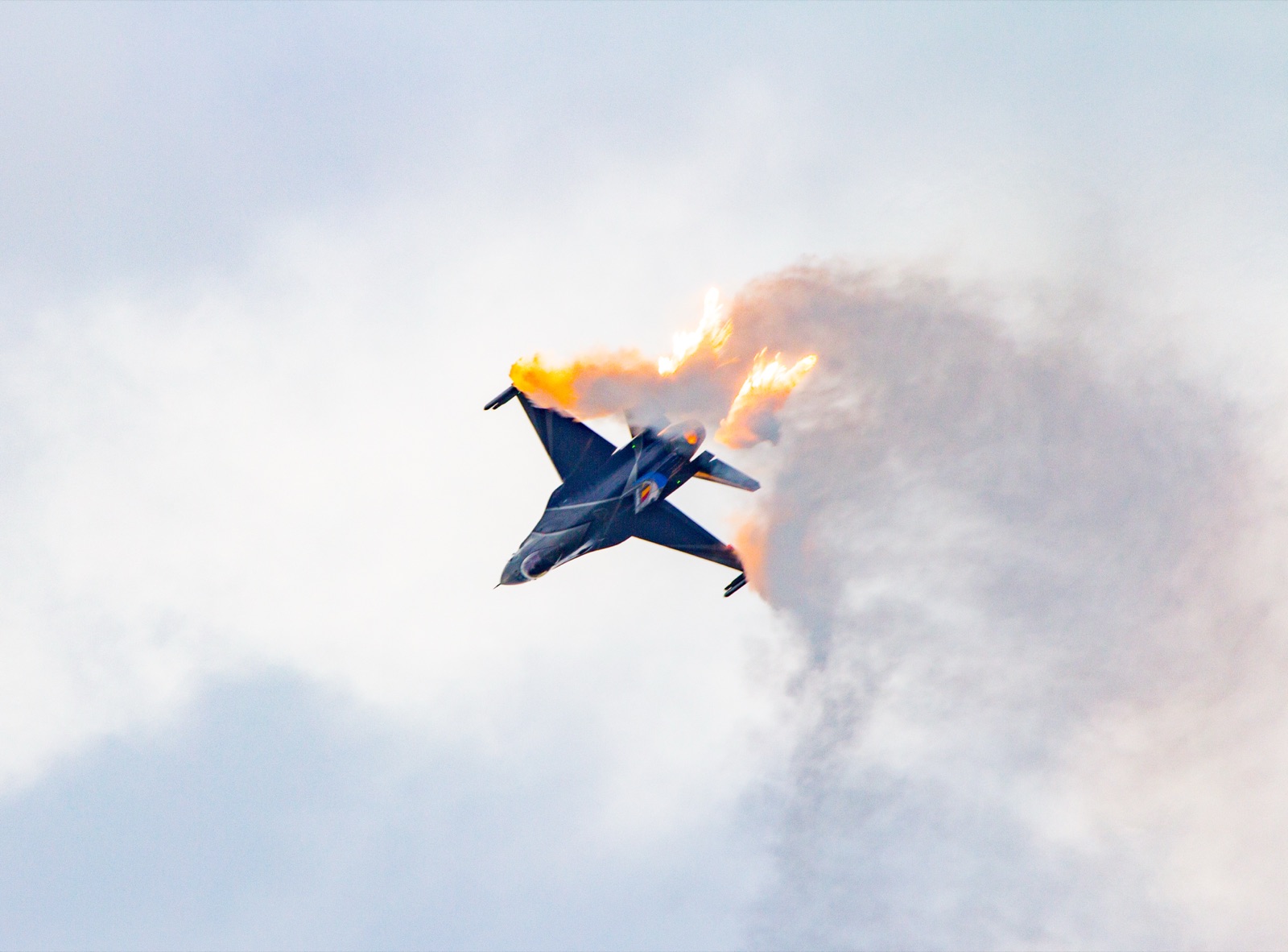
The Belgian UFO Wave: The Triangles Over Wallonia
It began on the evening of 29 November 1989 in the hills near Eupen, in the German-speaking east of Belgium, where two gendarmes on patrol reported a large, silent object hanging low in the sky — a dark triangle marked by three bright lights at its corners and a pulsing red beacon at its centre. Over the following months, the sightings multiplied into one of the largest and most concentrated waves in the history of the subject: thousands of reports, most describing the same slow-moving triangle, gathered across the Walloon countryside through the winter and spring of 1989–1990. What made the Belgian wave unlike almost any other was not the reports themselves but the response to them. The Belgian Air Force, instead of dismissing the affair, engaged with it openly, scrambled F-16 fighters on the night of 30–31 March 1990 to chase radar contacts, and afterwards conceded, in public, that it had no explanation for what its instruments had recorded. A single striking photograph of a black triangle became the icon of the whole episode. Two decades later, the man who took it confessed that he had made it with a piece of painted polystyrene. This is the story of the triangles over Wallonia — of a genuine mystery, a genuine hoax, and the difficulty of telling, at this distance, exactly where one ends and the other begins.
Betty and Barney Hill: The First Alien Abduction
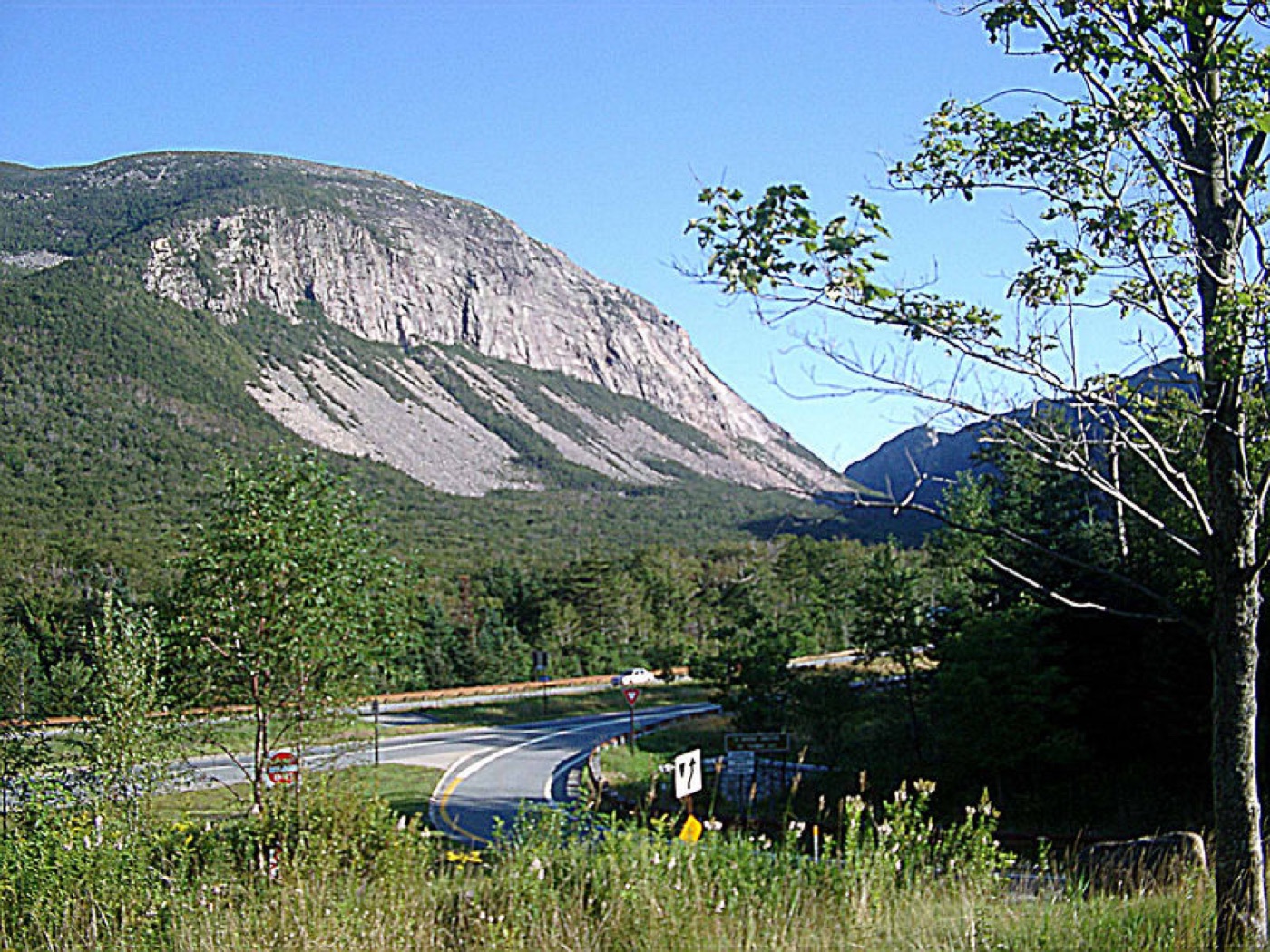
On the night of 19 September 1961, Betty and Barney Hill were driving home to Portsmouth, New Hampshire, from a vacation, taking the winding roads through the White Mountains late at night, when they noticed a bright light in the sky that seemed to be following their car. As it drew closer, Barney stopped and looked at it through binoculars, and reported seeing a structured craft with figures visible inside; frightened, the couple drove on. When they reached home, they found that the journey had taken about two hours longer than it should have — two hours they could not account for. In the days that followed, Betty was troubled by vivid nightmares of being taken aboard a craft and examined by strange beings, and Barney developed acute anxiety. Two years later, seeking relief, the Hills underwent hypnosis with a psychiatrist, and under hypnosis both recounted, separately, a detailed story of abduction: of being taken aboard the object by small humanoid beings, subjected to a medical examination, and, in Betty's case, shown a 'star map' of the visitors' travels among the stars. Their account, made public and then widely published, became the first famous case of alien abduction — and it established the entire template that countless later abduction stories would follow: the light on a lonely road, the missing time, the medical examination, the grey humanoid beings, and the memories recovered under hypnosis. The Hills were, by all accounts, sincere. What their sincere experience actually was — a genuine encounter, or something the mind constructs — is the real question. This is the story of Betty and Barney Hill.

Kenneth Arnold: The Sighting That Invented the Flying Saucer
On the afternoon of 24 June 1947, a businessman and private pilot named Kenneth Arnold was flying his small aircraft near Mount Rainier, in the Cascade Range of Washington state, when he saw something that would change the world's imagination. Nine bright objects were streaking through the sky, flying in a chain formation at tremendous speed, weaving between the mountain peaks — moving, by his estimate, far faster than any aircraft of the era could manage. When he landed and described what he had seen to reporters, he reached for an analogy for the way the objects moved: they flew, he said, erratically, dipping and skimming, 'like a saucer would if you skipped it across water.' A reporter distilled this into a memorable phrase, and within days the newspapers of America were full of the term 'flying saucers.' It was, in a sense, a misunderstanding: Arnold had been describing the motion of the objects, not their shape, and the objects themselves he described as more crescent- or heel-shaped than round. But the phrase 'flying saucer' had entered the language, and with it came the idea of the round, disc-shaped craft that would become the iconic image of the UFO for generations. Within weeks, reports of 'flying saucers' were pouring in from across the country, and the crash near Roswell followed in early July. The modern age of UFOs had begun. This is the story of Kenneth Arnold's sighting — of what he saw, of how a phrase was born from a description of motion, and of how a single ambiguous encounter launched a global phenomenon.

The Phoenix Lights: The Mass Sighting Over Arizona
On the evening of 13 March 1997, thousands of people across the American state of Arizona looked up and saw something they could not explain. Reports poured in from a corridor hundreds of kilometers long, from near the Nevada border down through the city of Phoenix and on toward Tucson, and they described, in fact, two distinct phenomena. The first, earlier in the evening, was a huge V-shaped or triangular formation of lights that moved slowly and silently southward across the sky; many witnesses insisted it was not a group of separate lights at all but a single, enormous solid craft, so large it blotted out the stars as it passed overhead. The second, later that night, was a row of brilliant lights that appeared to hover over the Phoenix area and then winked out one by one. Together these became known as the Phoenix Lights, one of the largest mass UFO sightings in modern history. In the years since, the two events have followed very different paths. The later lights over Phoenix have a firm and well-supported explanation. The earlier V-formation does not, and remains genuinely debated to this day. And the story gained a strange twist when the state's governor, Fife Symington, who had at first responded to the sightings with a mocking joke, publicly reversed himself a decade later and admitted that he, too, had seen the craft that night — and believed it was something not of this world. This is the story of the Phoenix Lights, of what can be explained and what cannot, and of a governor's change of heart.