Tag
#1990s
14 articles
The Death of Kurt Cobain: The Reluctant Icon and the Theories
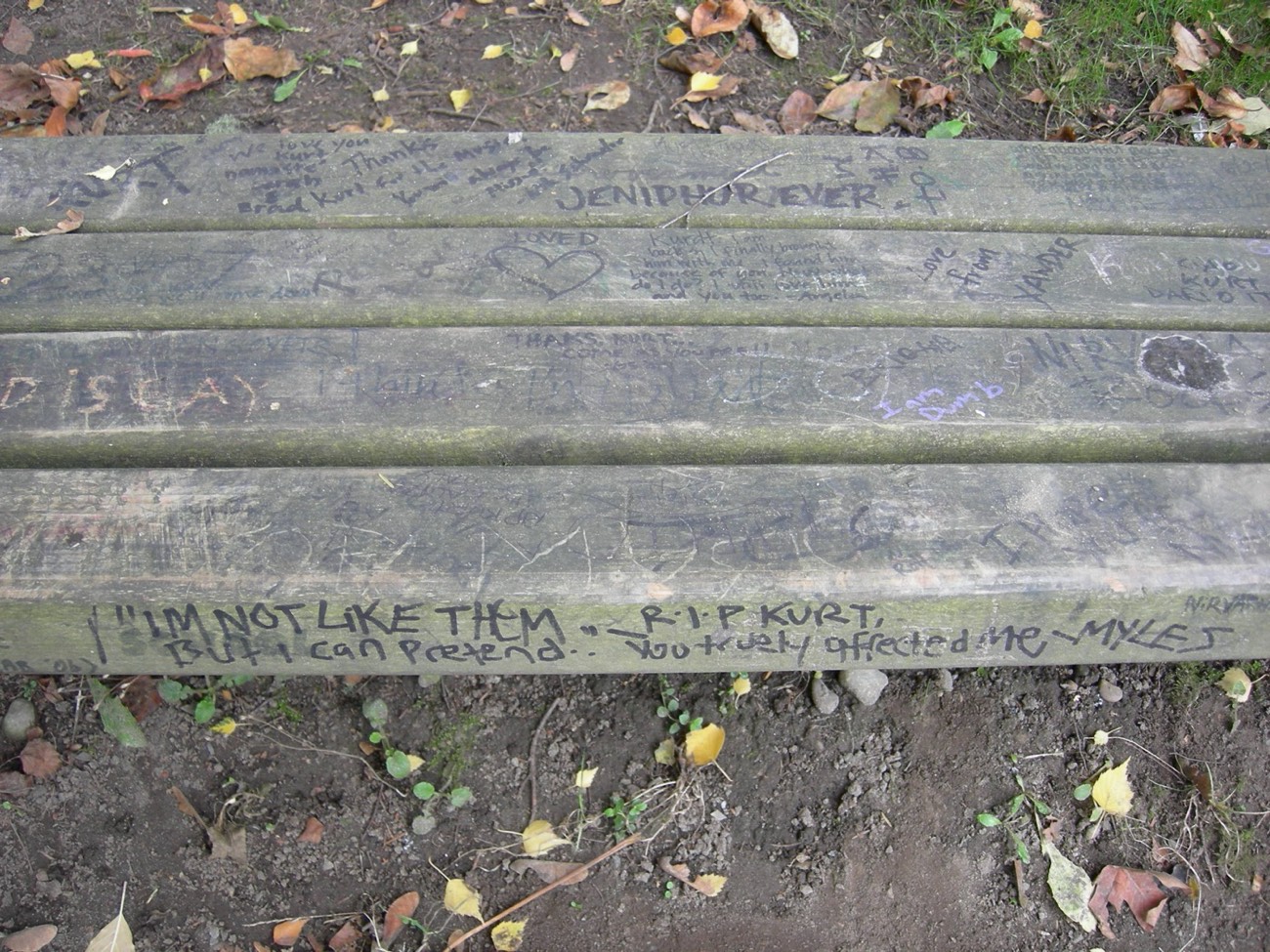
In early April 1994, Kurt Cobain — the singer, songwriter, and guitarist of Nirvana, the band that had carried underground rock into the mainstream and made him, against his own wishes, the defining voice of a generation — was found dead at his home in Seattle. He was twenty-seven years old. His death, from a self-inflicted gunshot wound, was ruled a suicide by the King County medical examiner and the Seattle police, a conclusion the authorities have reaffirmed in the decades since, including in a fresh review on the twentieth anniversary. Cobain had long struggled with severe depression, a debilitating chronic stomach condition, and heroin addiction, and had survived a near-fatal overdose only weeks before; a note was found at the scene. For most of those who knew him and have studied the case, his death was the tragic culmination of years of pain. Yet from the beginning a minority have insisted otherwise — that Cobain was murdered, that the suicide finding was wrong, with suspicion aimed in various directions — and these claims, amplified by books and films, have kept a conspiracy alive. This article examines his death with the care such a subject demands: what the evidence establishes, why the murder theories have not held up, and, above all, the human tragedy of mental illness and addiction that the conspiracy too often obscures. If you are struggling, please know that help is available, and that reaching out is a sign of strength, not weakness.
The Murder of Tupac Shakur: Twenty-Seven Years to an Arrest
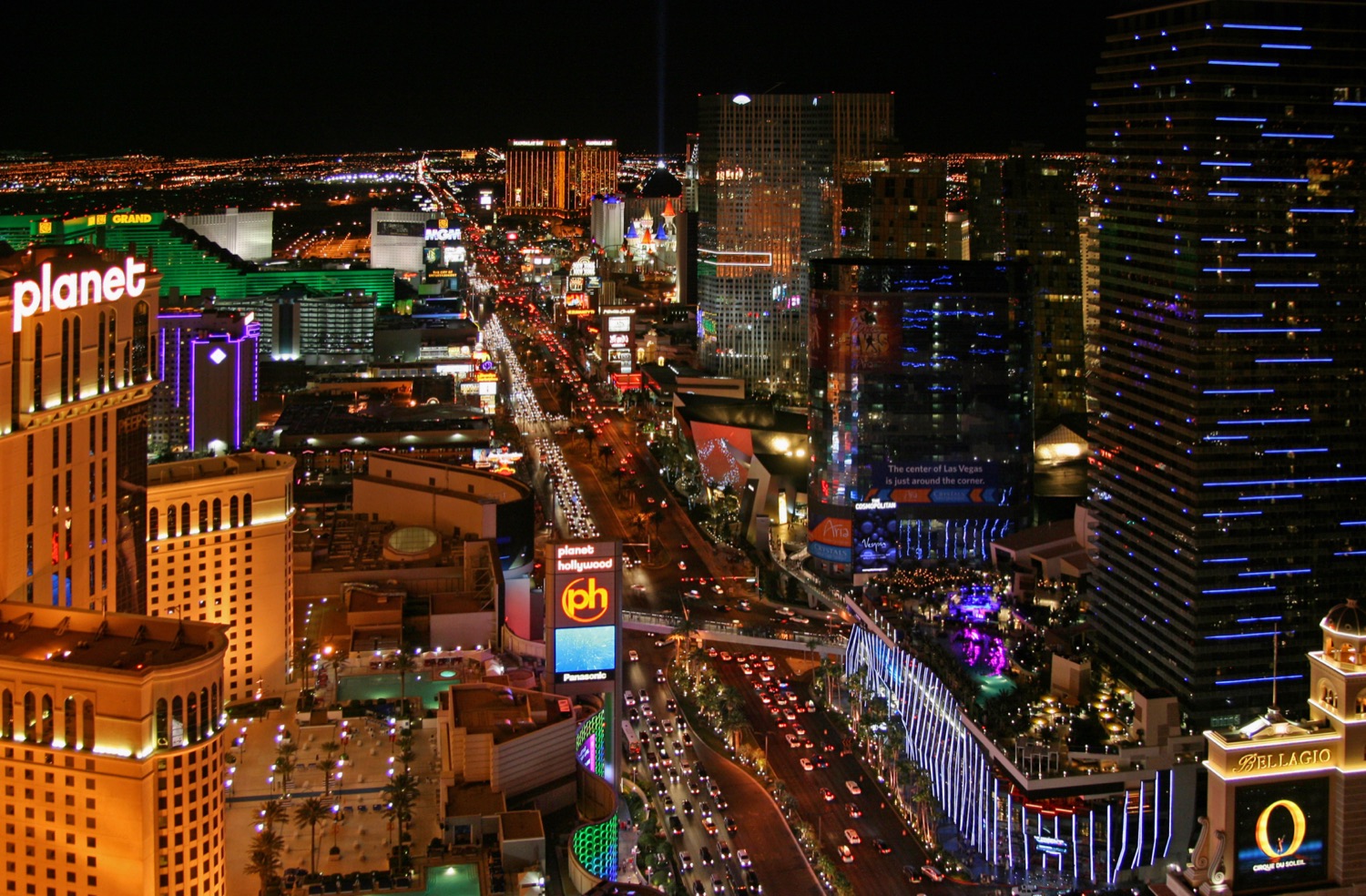
On the night of 7 September 1996, Tupac Shakur — the visionary rapper, actor, and activist who was, at twenty-five, one of the most influential artists in the world — was shot in a drive-by while riding through the Las Vegas Strip in a car driven by the Death Row Records boss Marion 'Suge' Knight. The two had just left the Mike Tyson boxing match at the MGM Grand, where, earlier that evening, Tupac and his entourage had been caught on casino cameras beating a man in the lobby. As their car waited at a red light near the Strip, a white Cadillac pulled alongside and someone opened fire, hitting Tupac four times. He was rushed to hospital and fought for his life for six days before dying on 13 September 1996. His murder stunned the music world and became one of the most infamous unsolved killings in American cultural history — bound up with the bitter East Coast–West Coast rivalry that then convulsed hip-hop, and followed six months later by the strikingly similar murder of his rival, The Notorious B.I.G. For twenty-seven years, despite widespread belief about who was responsible, no one was charged. Then, in September 2023, Las Vegas police arrested a former gang leader who had publicly admitted his role, and charged him with orchestrating the killing. This is the story of the murder of Tupac Shakur — the man, the rivalry, the long silence, and the arrest that came almost three decades too late.
The Belgian UFO Wave: The Triangles Over Wallonia
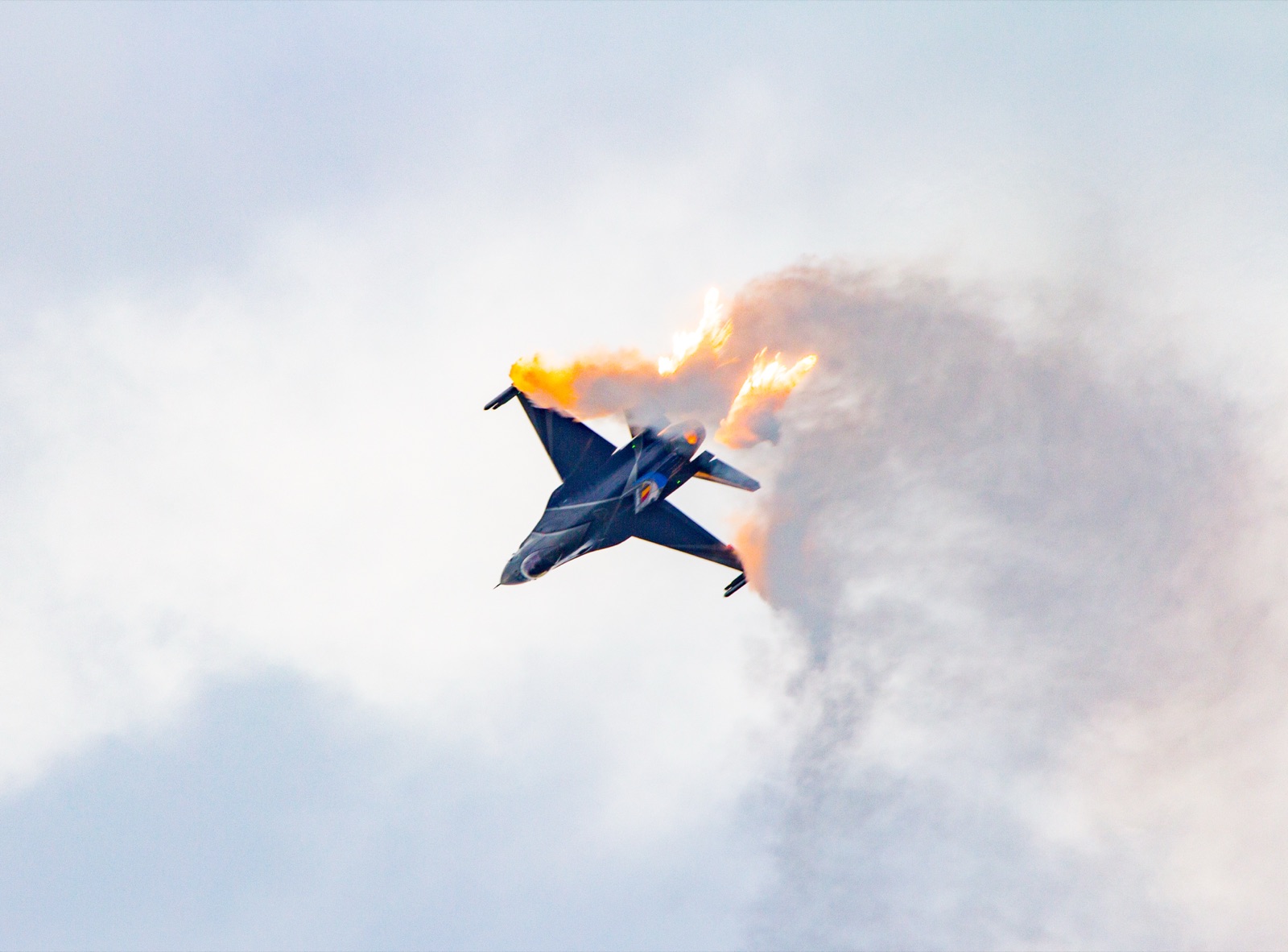
It began on the evening of 29 November 1989 in the hills near Eupen, in the German-speaking east of Belgium, where two gendarmes on patrol reported a large, silent object hanging low in the sky — a dark triangle marked by three bright lights at its corners and a pulsing red beacon at its centre. Over the following months, the sightings multiplied into one of the largest and most concentrated waves in the history of the subject: thousands of reports, most describing the same slow-moving triangle, gathered across the Walloon countryside through the winter and spring of 1989–1990. What made the Belgian wave unlike almost any other was not the reports themselves but the response to them. The Belgian Air Force, instead of dismissing the affair, engaged with it openly, scrambled F-16 fighters on the night of 30–31 March 1990 to chase radar contacts, and afterwards conceded, in public, that it had no explanation for what its instruments had recorded. A single striking photograph of a black triangle became the icon of the whole episode. Two decades later, the man who took it confessed that he had made it with a piece of painted polystyrene. This is the story of the triangles over Wallonia — of a genuine mystery, a genuine hoax, and the difficulty of telling, at this distance, exactly where one ends and the other begins.

The Phoenix Lights: The Mass Sighting Over Arizona
On the evening of 13 March 1997, thousands of people across the American state of Arizona looked up and saw something they could not explain. Reports poured in from a corridor hundreds of kilometers long, from near the Nevada border down through the city of Phoenix and on toward Tucson, and they described, in fact, two distinct phenomena. The first, earlier in the evening, was a huge V-shaped or triangular formation of lights that moved slowly and silently southward across the sky; many witnesses insisted it was not a group of separate lights at all but a single, enormous solid craft, so large it blotted out the stars as it passed overhead. The second, later that night, was a row of brilliant lights that appeared to hover over the Phoenix area and then winked out one by one. Together these became known as the Phoenix Lights, one of the largest mass UFO sightings in modern history. In the years since, the two events have followed very different paths. The later lights over Phoenix have a firm and well-supported explanation. The earlier V-formation does not, and remains genuinely debated to this day. And the story gained a strange twist when the state's governor, Fife Symington, who had at first responded to the sightings with a mocking joke, publicly reversed himself a decade later and admitted that he, too, had seen the craft that night — and believed it was something not of this world. This is the story of the Phoenix Lights, of what can be explained and what cannot, and of a governor's change of heart.
Heaven's Gate: The UFO Cult That Died to Reach the Comet
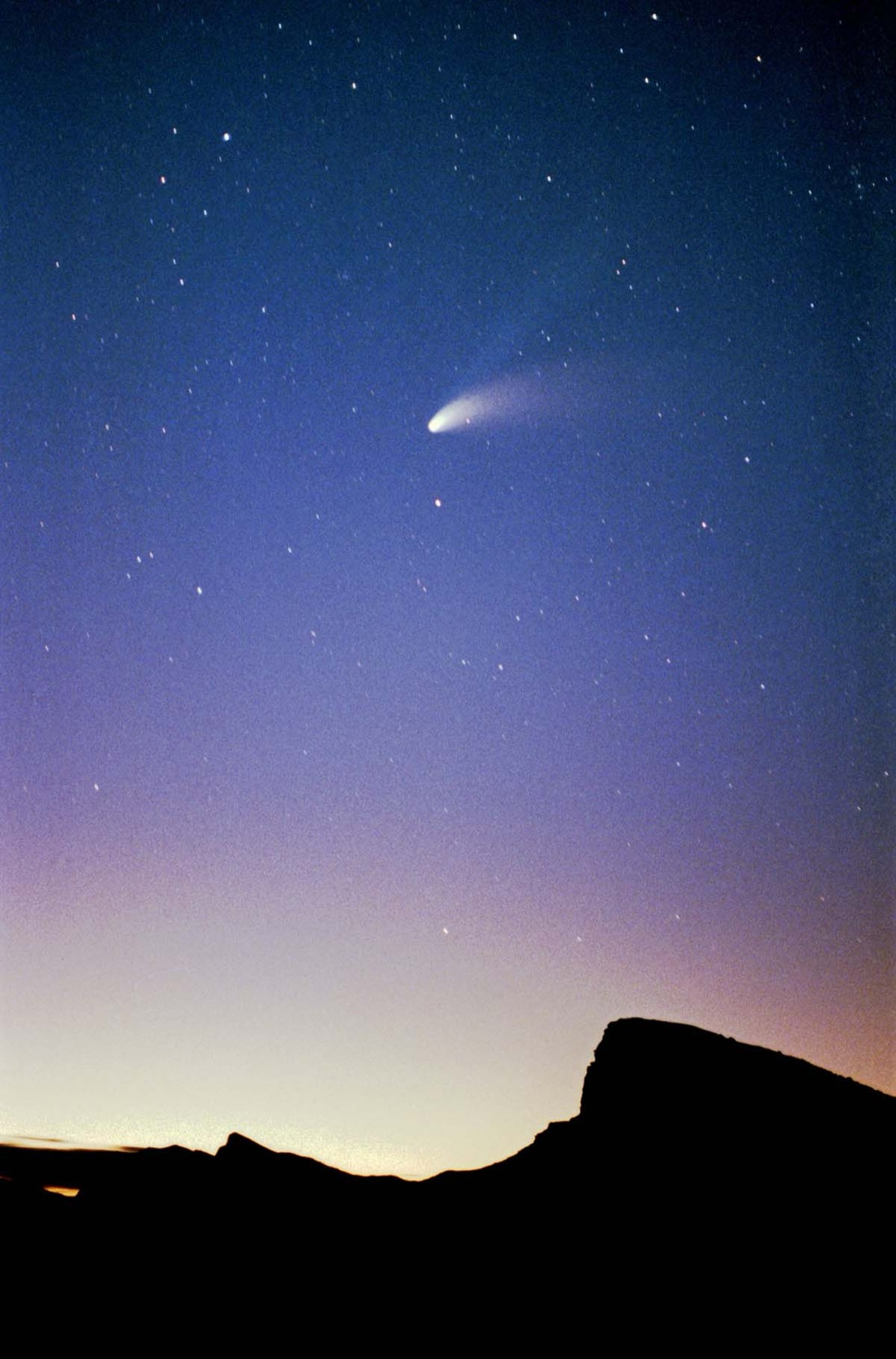
In late March 1997, in a quiet, affluent suburb north of San Diego, thirty-nine members of a group called Heaven's Gate died together in a rented mansion, in one of the most methodical mass deaths in modern history. They were not coerced at gunpoint, and there were no children among them; they were adults, aged from their twenties to their seventies, who shared a belief so complete that they went to their deaths calmly and by their own choice. That belief, strange as it was, had an internal logic. Heaven's Gate held that the human body was merely a temporary 'vehicle' or 'container' for the soul, and that a higher extraterrestrial realm — the 'Next Level,' the 'Evolutionary Level Above Human' — awaited those who were ready to graduate to it. When the bright comet Hale-Bopp appeared in the skies of early 1997, amid rumors that a spacecraft was following hidden in its tail, the group's leader, Marshall Applewhite, concluded that the sign they had awaited for two decades had finally come: a craft had arrived to carry them home. To board it, they believed, they had to shed their earthly bodies. Over three days, in carefully organized shifts, the thirty-nine ended their lives, each dressed identically, each with a small bag packed as if for a journey. They left behind videos and a website explaining, serenely, that they were simply 'exiting their vehicles.' The deaths shocked the world and became a defining case of what a totalizing belief can lead rational people to do. This is the story of Heaven's Gate — not a mockery of the dead, but an attempt to understand how thirty-nine human beings came to believe that dying was the way home.
The Order of the Solar Temple: Death as a 'Transit' to the Stars
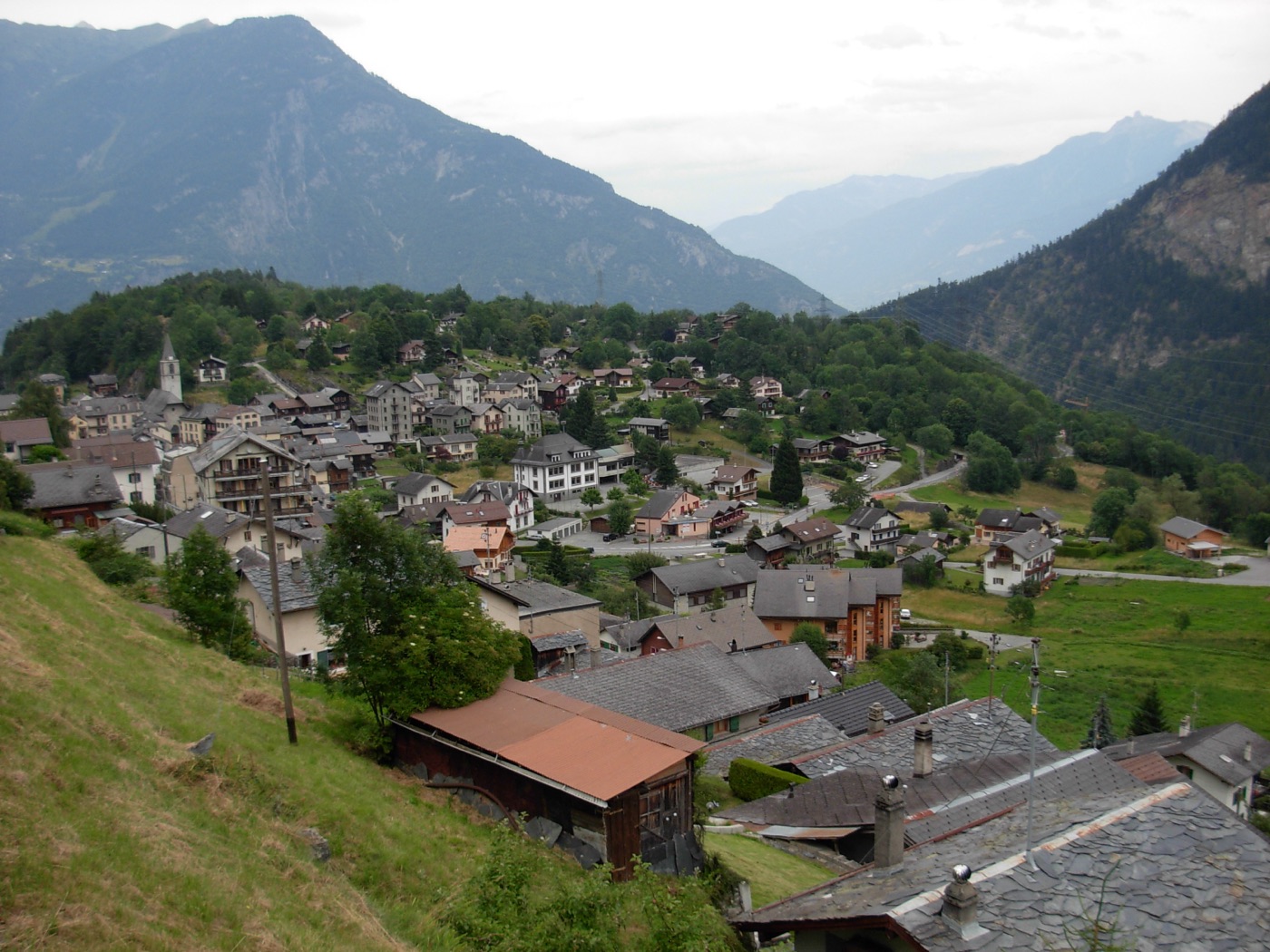
The Order of the Solar Temple was, on the surface, an unlikely candidate for catastrophe. Its members were not the poor or the desperate but, in many cases, educated and affluent professionals across Switzerland, France, and French-speaking Canada, drawn to a movement that wrapped itself in the romance of the medieval Knights Templar, in esoteric ritual and secret initiations, and in a grand cosmology of spiritual ascent. At its head were two men: Joseph Di Mambro, the shadowy organizer and guru who ran the order and staged its mystical illusions, and Luc Jouret, a charismatic Belgian doctor who was its public face and preacher. Together they taught their followers that the world was doomed, hurtling toward an environmental and spiritual apocalypse, and that the members of the Temple were a spiritual elite who could escape the coming ruin — not by surviving it, but by leaving the Earth altogether. Death, in the order's teaching, was not an end but a 'transit,' a voluntary passage to a higher realm of existence associated with the star Sirius, where the faithful would continue their journey. In October 1994, as the order fractured under financial strain, defections, scrutiny, and internal paranoia, that teaching turned lethal. Over a single period, dozens of members died in Switzerland and Canada, in a horrifying combination of suicide and murder; further deaths followed in France in 1995 and in Canada again in 1997. In all, some 74 people died, among them children who could not possibly have chosen 'transit.' This is the story of the Order of the Solar Temple, and of a belief that turned death into a doorway.
Waco: The Branch Davidian Siege and the Fire That Followed
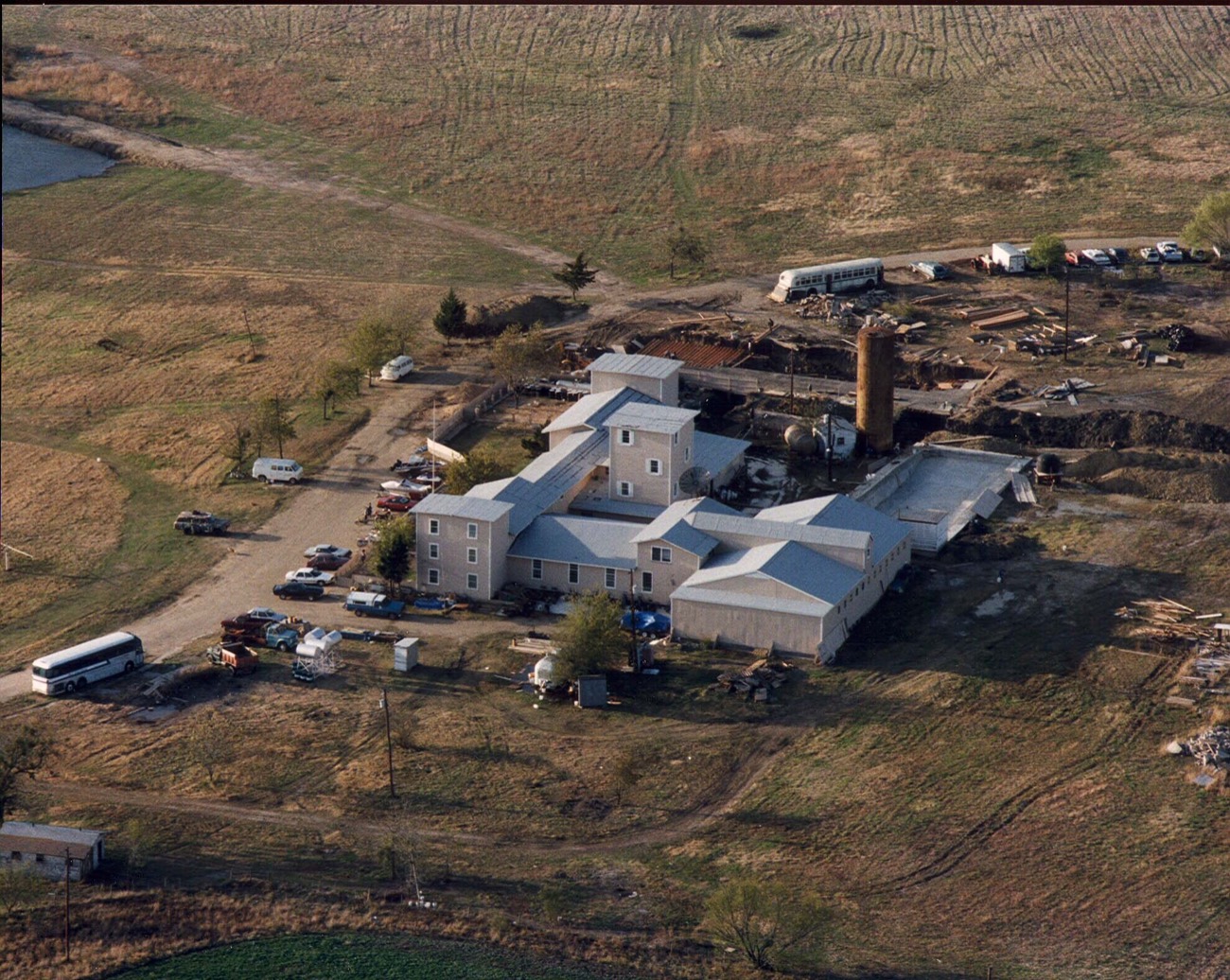
In the spring of 1993, the eyes of the United States were fixed on a sprawling compound in the Texas countryside near Waco, where a religious community called the Branch Davidians, led by a man named David Koresh, was locked in a standoff with the federal government. It had begun on 28 February, when agents of the Bureau of Alcohol, Tobacco, and Firearms attempted a dynamic raid to serve warrants over illegal weapons — a raid that went catastrophically wrong. A gun battle erupted, each side later blaming the other for firing first, and when it ended four federal agents and six Branch Davidians were dead. The failed raid became a 51-day siege, as the FBI surrounded the compound and negotiators tried, with growing frustration, to talk Koresh and his followers out. Inside were roughly a hundred people, including many children. On 19 April 1993, the government launched a final assault, using armored vehicles to punch holes in the building and inject tear gas to force the occupants out. Around midday, fires broke out inside the compound and swept through it within minutes. Some 76 Branch Davidians died, among them David Koresh and about 25 children. The tragedy became one of the most contested events in modern American history — argued over ever since by those who blame Koresh for leading his followers to death, those who blame the government for reckless and aggressive tactics, and those who see failures on every side. It reshaped how the government handles such standoffs, and it became a rallying cry for the anti-government movement, cited by the man who, exactly two years later, bombed a federal building in Oklahoma City. This is the story of Waco, told with care for the facts and for the dead.

Nick Leeson and the Rogue Trader Who Broke a 233-Year-Old Bank
Barings Bank was an institution almost synonymous with British financial respectability. Founded in 1762, it had financed the Napoleonic Wars and the Louisiana Purchase, served the British monarchy, and survived for 233 years as one of the City of London's most venerable merchant banks. In February 1995, it ceased to exist — destroyed not by war or recession but by a single trader on the other side of the world. Nick Leeson, a 28-year-old from a working-class background, ran Barings' futures-trading operation in Singapore, and he appeared to be a star, generating spectacular profits that made him one of the bank's most valued employees. In reality, he was concealing catastrophic losses in a secret error account numbered 88888, doubling down again and again on losing bets that the Japanese stock market would stay stable. The bank's management, dazzled by his apparent success and failing utterly to supervise him, kept sending him money to cover his positions, believing it was funding profitable trades. Then, on 17 January 1995, a massive earthquake struck the Japanese city of Kobe, sending the Tokyo market into turmoil and turning Leeson's enormous bets disastrously wrong. As the losses ballooned past the bank's entire capital — ultimately around £827 million — Leeson fled, leaving a note that read 'I'm sorry.' Within days, Barings was bankrupt, sold to a Dutch bank for one pound. This article tells the story of how one unsupervised young man, a hidden account, and an earthquake brought down a bank that had stood for nearly two and a half centuries — and what it revealed about the dangers of trading without control.
Bre-X and the Biggest Gold Discovery That Never Existed
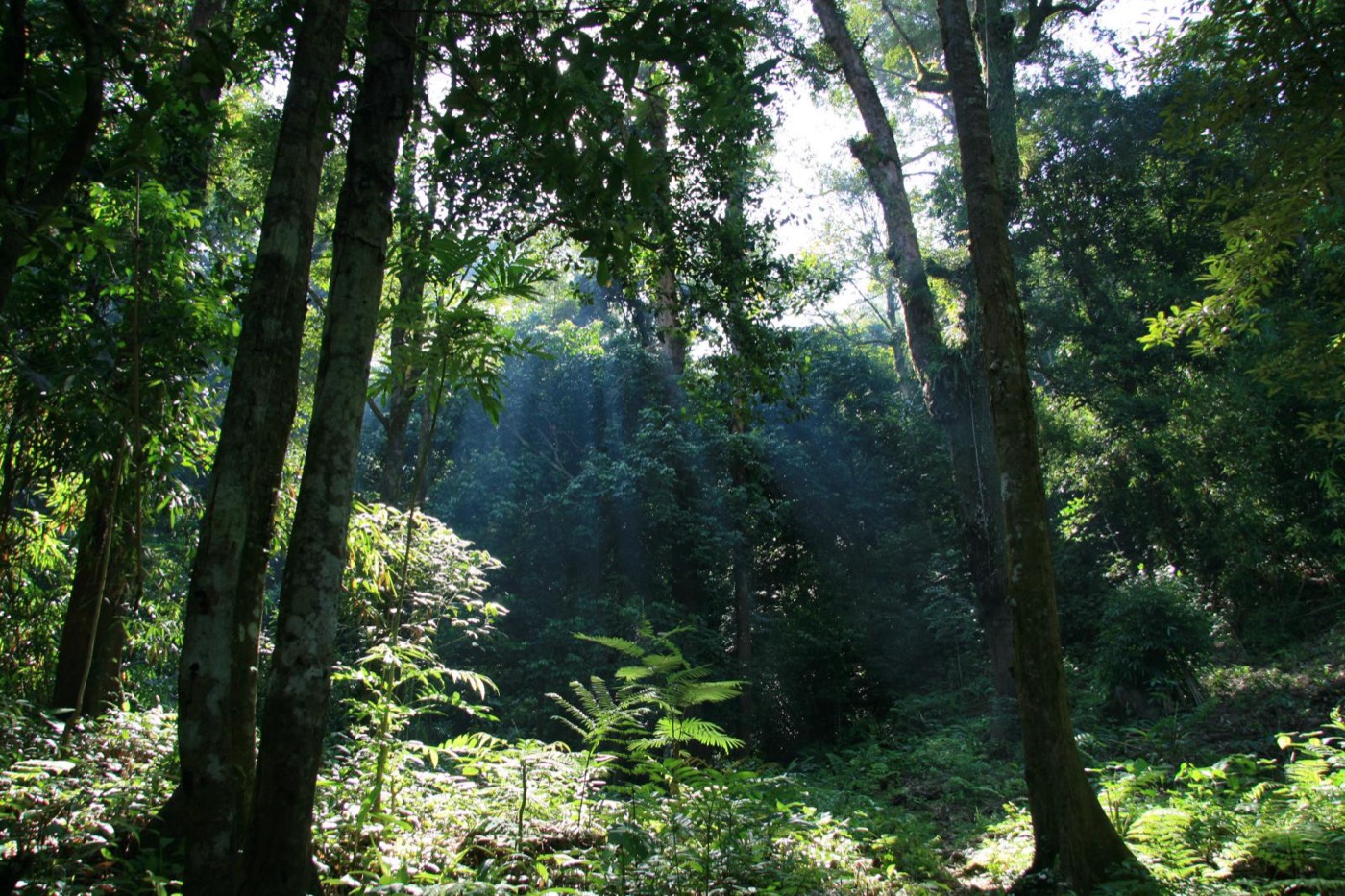
In the mid-1990s, a small, obscure Canadian exploration company called Bre-X Minerals announced that it had found something extraordinary in the jungles of Borneo: a gold deposit at a site called Busang, in the Indonesian province of East Kalimantan, that appeared to be one of the largest in the history of the world. As the company drilled and reported ever more spectacular results — tens of millions of ounces of gold, then more, then more still, eventually an estimated 70 million ounces or beyond — a frenzy took hold. Bre-X's stock, which had once traded for pennies, rocketed upward, at its peak valuing the company at around six billion Canadian dollars. Ordinary investors, pension funds, and mining giants alike scrambled to get a piece of the find of the century; the government of Indonesia and powerful interests jockeyed for control of the riches. There was only one problem, and it was as complete as a fraud can be: there was essentially no gold. The astonishing drilling results had been faked, the rock samples salted by hand with gold dust — much of it, it was later determined, panned from rivers or bought, sprinkled into the crushed core samples to simulate a deposit that did not exist. When a rival company's careful testing finally exposed the truth in 1997, Bre-X collapsed to nothing, vaporising billions of dollars. And at the centre of the unravelling, the company's chief geologist, Michael de Guzman, fell to his death from a helicopter over the Borneo jungle — a death officially ruled suicide but shrouded, like the whole affair, in lasting mystery. This article tells the story of the largest mining fraud in history: the gold that was never there, the salting that created it, and the fortune that vanished into the rainforest.
Thomas Quick and the Serial Killer Who Never Was
For most of two decades, Sweden believed it had produced its worst serial killer. Thomas Quick — the name a patient at the Säter secure psychiatric hospital had taken — confessed, from the early 1990s onward, to more than thirty murders across Scandinavia, a catalogue of horror stretching back decades. He described killing children and adults, led police on expeditions to remote forests to point out where bodies had lain, and was convicted, between 1994 and 2001, of eight of those murders in Swedish courts. He became a figure of national dread and fascination, the subject of headlines and books, the embodiment of evil. There was only one problem, and it was total: not a single one of the convictions rested on technical evidence. No DNA, no fingerprints, no murder weapon, no body found through his help that had not already been known — nothing tied him to any crime except his own confessions, produced in therapy. And in 2008, Thomas Quick fell silent, stopped the powerful drugs he had been taking for years, reverted to his real name, Sture Bergwall, and recanted everything. He had committed none of the murders. He had invented them all — and over the following years, every one of his eight convictions was overturned, leaving him exonerated and free. The Thomas Quick affair is the worst miscarriage of justice in modern Swedish history, and its horror is not that a system was fooled by a clever liar, but that therapists, memory experts, prosecutors, and courts actively helped a damaged man construct a serial killer out of nothing, and convicted him of murders that, in several cases, may have had no killer at all. This is the story of how that happened.
The Sinking of MS Estonia and the Wreck Sweden Would Not Raise
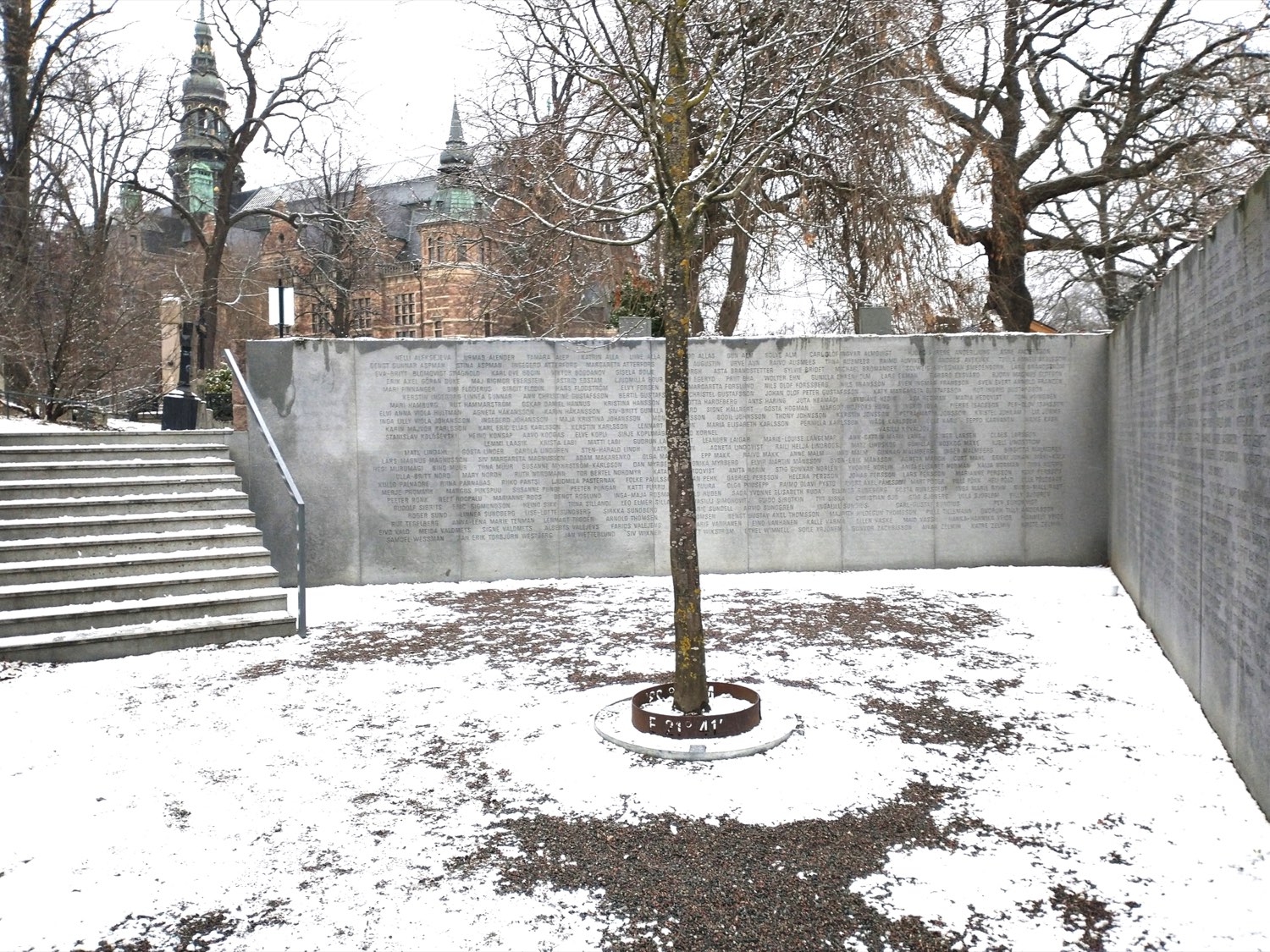
Shortly after one o'clock in the morning on 28 September 1994, the passenger ferry MS Estonia was midway across the Baltic Sea, sailing from Tallinn to Stockholm through a strong autumn gale, when the great clamshell visor at her bow — the hinged structure that lifted to let cars drive on and off — wrenched free of its locks under the pounding of the waves. As it fell away it dragged open the ramp behind it, and the sea poured onto the car deck. A ship like the Estonia could not survive water loose on that long, open deck: it sloshed to one side, the ferry took on a heavy list, and within minutes she was rolling over. From the first violent heel to the moment she vanished beneath the surface, perhaps fifty minutes passed — barely time for those near the upper decks to scramble out into the freezing water, and no time at all for the hundreds asleep in cabins below. Of the 989 people aboard, 852 died. It was the deadliest peacetime shipwreck in European waters of the twentieth century, and a wound that has never fully closed in Sweden, Estonia, and Finland, the three nations that lost the most. An official investigation concluded in 1997 that the visor's failure had doomed the ship. But what turned a catastrophe into an enduring controversy was what came after: Sweden's decision not to raise the bodies or the wreck, to leave the dead in the hull and seal it as a grave; the persistent theories of explosions and secret military cargo; and, in 2020, documentary footage of a large hole in the hull that forced the case to be reopened. This article sets out what happened that night, what is firmly established, and what remains genuinely contested.
The Rwandan Genocide and the Warnings the World Chose Not to Hear
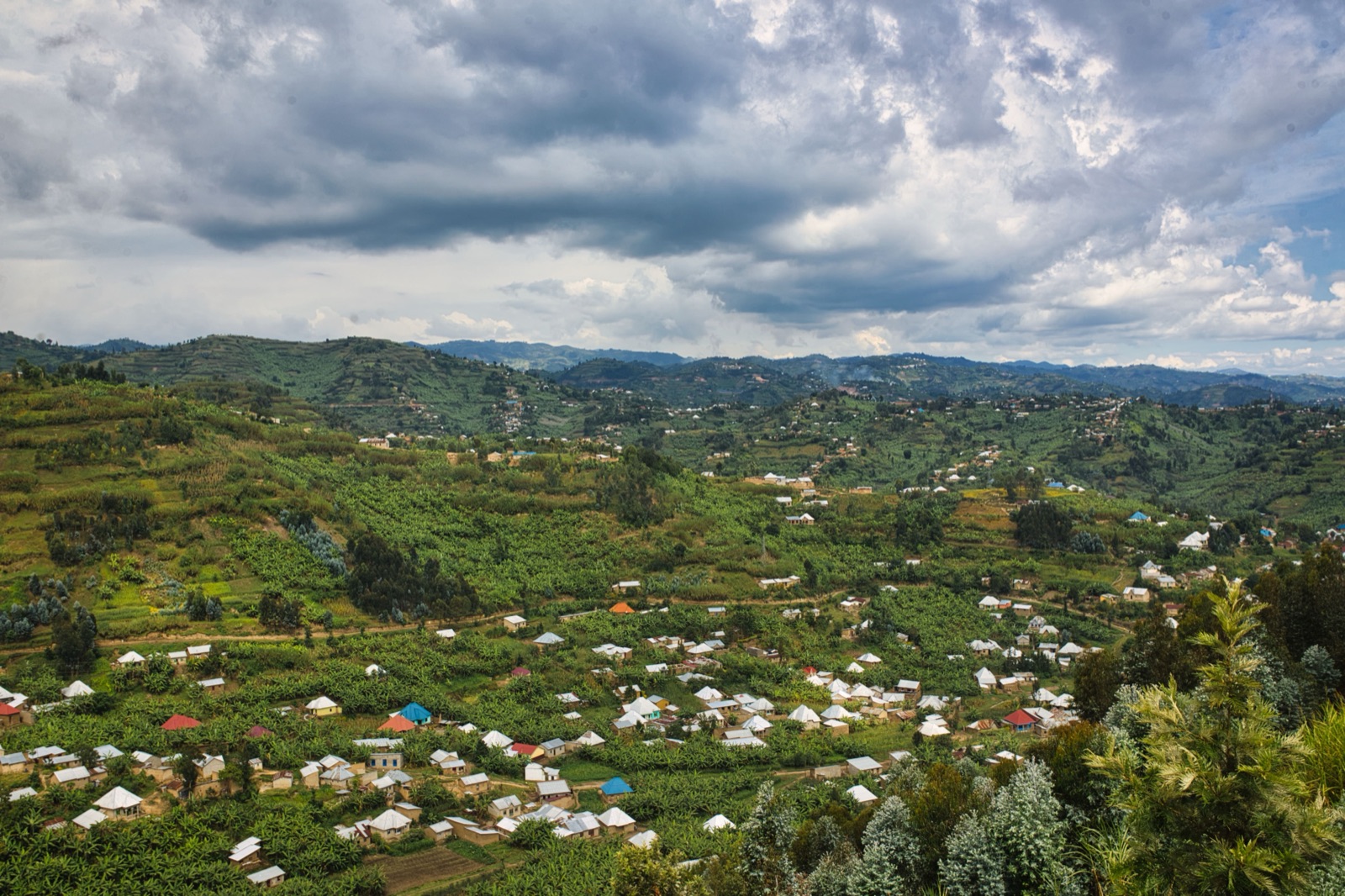
Between the evening of April 6, 1994, and the middle of July, the small Central African country of Rwanda was the site of one of the swiftest and most concentrated mass killings in human history. In about a hundred days, organised militias, soldiers, and ordinary citizens murdered something on the order of 800,000 people — most estimates run between half a million and a million — the overwhelming majority of them Tutsi, killed for belonging to a group that colonial rulers had hardened, decades earlier, into a racial category stamped on an identity card. The killing was not the explosion of ancient, spontaneous hatred that early coverage suggested. It was prepared: there were arms caches and trained militias, lists of names, and a radio station that read those names on air and urged listeners to 'cut down the tall trees' and exterminate the 'cockroaches' among them. Neighbours killed neighbours with machetes; churches and schools where Tutsi gathered for safety became the sites of the largest massacres. And all of it happened in plain view of an international community that had a peacekeeping force on the ground, had been warned months in advance that an extermination was being planned, and chose — at the United Nations, in Washington, in Paris, in Brussels — not to reinforce that force but to withdraw it, and not to use the one word, 'genocide,' that would have obliged the world to act. This article sets out what happened in those hundred days: how the genocide was built, how it unfolded, how the world looked away, and how a country has tried, in the thirty years since, to live with the memory and to render some account of it. It is not a mystery in the usual sense. The facts are known and the perpetrators were named. The harder question it leaves is the one about everyone who watched.