Tag
#latin-america
5 articles
The Bay of Pigs
On the night of Sunday, April 16, 1961, approximately 1,400 Cuban exiles trained by the United States Central Intelligence Agency embarked from a staging port at Puerto Cabezas on Nicaragua's Mosquito Coast aboard chartered freighters of the García Line. They were Brigade 2506 — the operational unit codename derived from the serial number of the brigade's first combat fatality during the Guatemalan training phase. Their objective: an amphibious landing on the southern coast of Cuba at Bahía de Cochinos — the Bay of Pigs — followed by the establishment of a beachhead from which a provisional Cuban government-in-exile would be declared, internal opposition to Fidel Castro's two-and-a-half-year-old revolutionary government would be encouraged, and conventional U.S. military intervention could, if events warranted, be requested under cover of a civil war already in progress. The plan had been developed under the Eisenhower administration from March 1960; the operational variant executed in April 1961 had been authorized by President John F. Kennedy, in office for 87 days, on April 4 and again on April 16. The operation was, in its own operational terms, a comprehensive failure: the air strikes on Cuban airfields scheduled for the morning of April 15 destroyed only a fraction of Castro's air force; the landings on April 17 met immediate, sustained, and well-organized resistance; the second wave of U.S. air support was cancelled by Kennedy on April 16-17; the brigade was overrun at the beach within 72 hours. Brigade casualties: 114 killed, 1,189 captured. The captured personnel were held in Cuba until December 1962 when they were exchanged for approximately $53 million in U.S.-supplied food and medicine. Within weeks of the operation, Kennedy had requested the resignations of CIA Director Allen Dulles, CIA Deputy Director Charles Cabell, and Deputy Director for Plans Richard Bissell. Within eighteen months, the Soviet decision to install medium-range nuclear missiles on Cuban territory — a decision Nikita Khrushchev later attributed in part to the demonstration of U.S. willingness to attempt military overthrow — had brought the United States and the Soviet Union to within hours of nuclear exchange. The Bay of Pigs is the foundational documented operational failure of the U.S. intelligence community and the immediate institutional precursor to the Cuban Missile Crisis.
Operation Condor
On November 25, 1975, in the headquarters of Chile's National Intelligence Directorate (DINA) in Santiago, the intelligence chiefs of six South American military dictatorships — Argentina, Bolivia, Brazil, Chile, Paraguay, and Uruguay — signed the founding charter of what they named *Operación Cóndor*. The agreement was sponsored by DINA's director, Colonel Manuel Contreras, with the formal cooperation of his counterparts in the participating regimes. Operation Condor was a clandestine cross-border intelligence-sharing and counter-insurgency apparatus designed to identify, locate, surveil, abduct, interrogate, and — where the participating regimes determined it warranted — assassinate political opponents of any of the member governments, anywhere they could be reached. The operation conducted hundreds of cross-border abductions, was directly responsible for several thousand documented disappearances within the participating countries, and carried out at least three documented international assassinations: General Carlos Prats in Buenos Aires on September 30, 1974 (in the pre-charter operational period); the attempted assassination of Bernardo Leighton and his wife in Rome on October 6, 1975; and the September 21, 1976 car-bomb killing of former Chilean Foreign Minister Orlando Letelier and his American assistant Ronni Moffitt at Sheridan Circle, two miles from the White House. The United States Department of State, under Secretary Henry Kissinger, was briefed on Condor's existence and capabilities; the Central Intelligence Agency provided communications infrastructure (a continental cryptocommunications system known as 'Condortel') in 1976. The full organizational structure was unknown to the public until December 1992, when Paraguayan dissident lawyer Martín Almada and a Paraguayan judge located 60,000 pages of operational records — the 'Archives of Terror' — in a police facility in a Lambaré suburb of Asunción. The Argentine 'Mega-Causa Plan Cóndor' trial concluded in May 2016 with the conviction of 15 senior officers including former Argentine President Reynaldo Bignone. The Italian Court of Cassation issued final convictions in absentia of 24 South American officers in 2019. The case is closed in legal terms; it is the most operationally-documented multinational state-sponsored political-murder program of the late 20th century.
The Panama Papers
At approximately 6:00 p.m. Central European Time on Sunday, April 3, 2016, news organizations on six continents simultaneously published the first results of an 18-month coordinated investigation into 11.5 million leaked documents from a single Panama-based law firm. The firm was Mossack Fonseca. The documents — totaling 2.6 terabytes, the largest single data leak in journalism history at that time — exposed the operations of 214,488 offshore corporations and the identities of their ultimate owners. The owners included 12 sitting heads of state, 128 senior politicians and government officials, members of the inner circles of Vladimir Putin and the Saudi Royal Family, the families of Xi Jinping and David Cameron, the President of Iceland (who resigned within 48 hours), Lionel Messi, Pedro Almodóvar, and dozens of others. The leaking source — known only as 'John Doe' and never identified — had delivered the documents over a period of approximately 12 months to two reporters at the Munich newspaper *Süddeutsche Zeitung*. The investigation was coordinated by the International Consortium of Investigative Journalists (ICIJ), based in Washington, D.C. 376 reporters at more than 100 news organizations in 76 countries worked on the documents in shared secure infrastructure for the entire 18 months without any pre-publication leak. The story won the 2017 Pulitzer Prize for Explanatory Reporting and triggered approximately $1.36 billion in unpaid-tax recoveries by governments worldwide between 2016 and 2024.
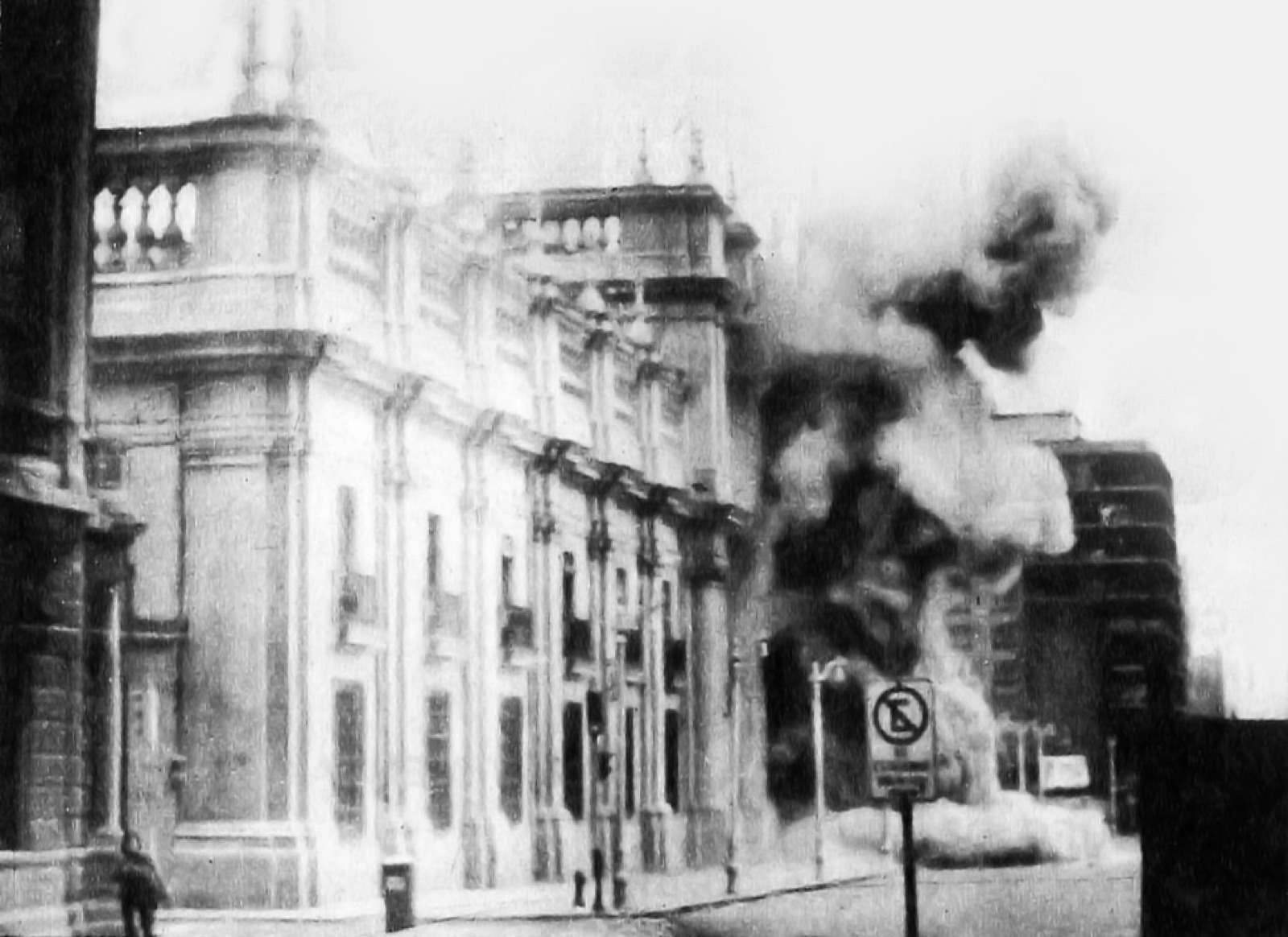
The Pinochet Coup
At 6:00 a.m. on September 11, 1973, the Chilean Navy seized the port city of Valparaíso. By 7:00, the army had blocked the streets of Santiago. By 8:00, all radio stations except two had been silenced. At 11:52, Hawker Hunter jets bombed La Moneda, the presidential palace, while the democratically elected socialist president, Salvador Allende, was inside. Allende was dead by approximately 2:00 p.m. — by his own pistol, a 2011 forensic re-examination confirmed, in the second-floor Salón Independencia under bombardment. The man who replaced him, General Augusto Pinochet, ruled Chile for seventeen years. Between 1973 and 1990, the Chilean state's own subsequent commissions documented 3,200 killed or disappeared and 38,254 imprisoned-and-tortured. The United States, through documents declassified in waves from 1999 through 2023, had been working to remove Allende since before he took office.
Argentina's Dirty War
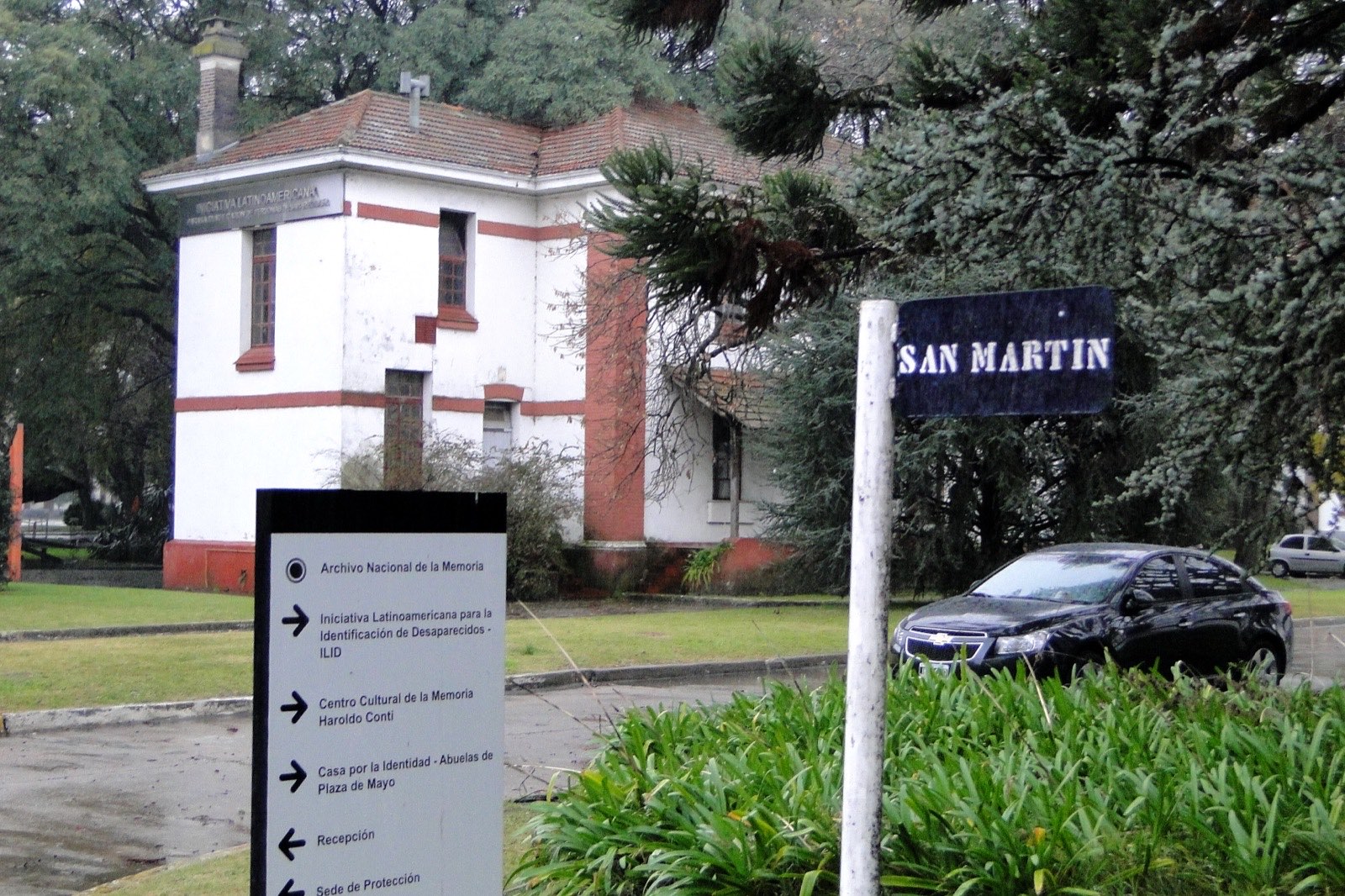
On March 24, 1976, a military junta led by General Jorge Rafael Videla seized power from President María Estela 'Isabel' Martínez de Perón in a coup that the United States had been quietly informed about in advance. Over the next seven years, the junta operated approximately 340 clandestine detention centers across Argentina. An estimated 30,000 people — students, journalists, trade unionists, priests, psychoanalysts, and the children of perceived opponents — were 'disappeared.' The single largest detention site, the Escuela de Mecánica de la Armada (ESMA), processed roughly 5,000 detainees, of whom approximately 90% were murdered. Some were drugged and dropped from naval aircraft into the Río de la Plata. Approximately 500 babies were taken from pregnant detainees and given to military families. The Madres de Plaza de Mayo — mothers and grandmothers in white headscarves — began circling the square in front of the presidential palace every Thursday from April 1977 demanding their children's return. The regime ended in December 1983 after the Falklands defeat. The Trial of the Juntas in 1985 convicted five top commanders, including Videla.
5 files · end of the line