Tag
#media
5 articles
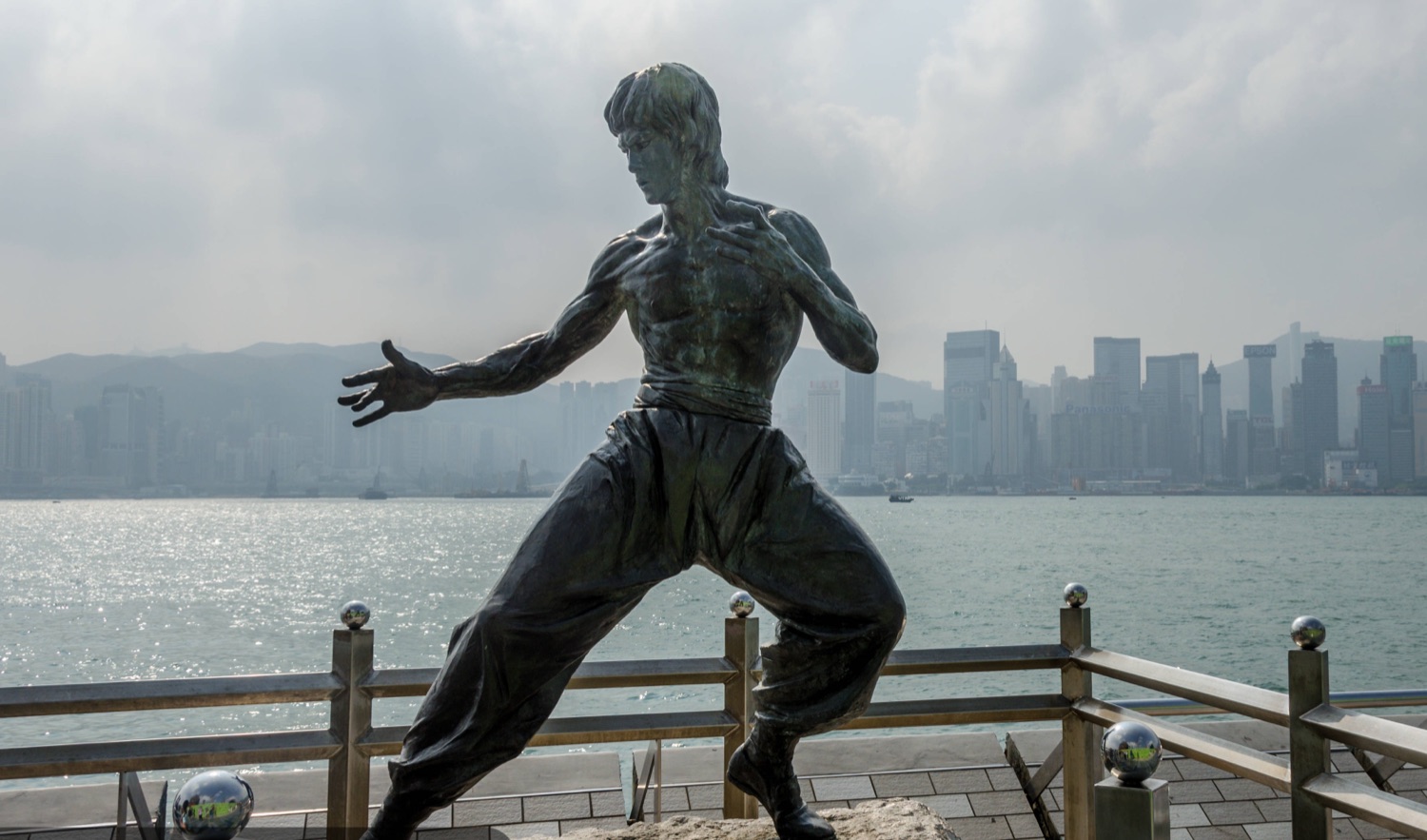
The Death of Bruce Lee: The Dragon's Sudden End
On the evening of 20 July 1973, Bruce Lee — the martial artist, actor, and philosopher who had done more than anyone to bring kung fu to the world, and who stood on the very threshold of global superstardom — lay down in a Hong Kong apartment with a headache and never woke up. He was thirty-two years old, extraordinarily fit, and weeks away from the release of Enter the Dragon, the film that would make him an immortal icon. His sudden death at the height of his powers stunned the world and seemed, to many, impossible: how could a man who embodied physical perfection simply die of a headache? A coroner's inquest concluded that he had died of a swelling of the brain — cerebral oedema — most likely triggered by a reaction to a common painkiller, and returned a verdict of 'death by misadventure.' But that clinical answer has never satisfied everyone, and in the vacuum of certainty a thicket of theories has grown: that he was murdered by rival martial artists or organised crime, that he fell to an ancient family curse later 'confirmed' by the freak death of his son, that some exotic 'death touch' had felled him. The medical reality is at once more mundane and more genuinely uncertain than any of these. This is the story of the death of Bruce Lee — of what the evidence shows, what remains unknown, and why the legends persist.
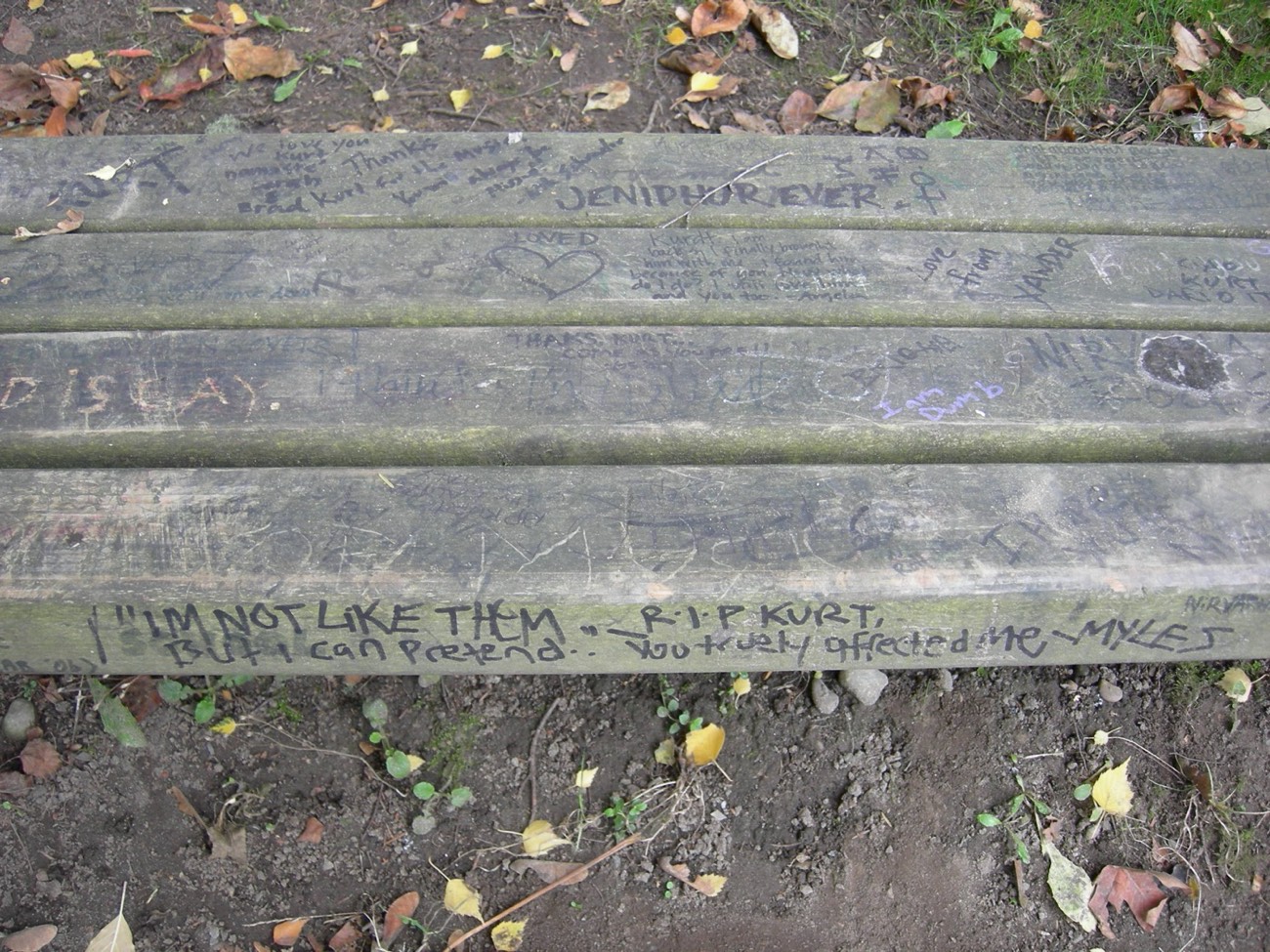
The Death of Kurt Cobain: The Reluctant Icon and the Theories
In early April 1994, Kurt Cobain — the singer, songwriter, and guitarist of Nirvana, the band that had carried underground rock into the mainstream and made him, against his own wishes, the defining voice of a generation — was found dead at his home in Seattle. He was twenty-seven years old. His death, from a self-inflicted gunshot wound, was ruled a suicide by the King County medical examiner and the Seattle police, a conclusion the authorities have reaffirmed in the decades since, including in a fresh review on the twentieth anniversary. Cobain had long struggled with severe depression, a debilitating chronic stomach condition, and heroin addiction, and had survived a near-fatal overdose only weeks before; a note was found at the scene. For most of those who knew him and have studied the case, his death was the tragic culmination of years of pain. Yet from the beginning a minority have insisted otherwise — that Cobain was murdered, that the suicide finding was wrong, with suspicion aimed in various directions — and these claims, amplified by books and films, have kept a conspiracy alive. This article examines his death with the care such a subject demands: what the evidence establishes, why the murder theories have not held up, and, above all, the human tragedy of mental illness and addiction that the conspiracy too often obscures. If you are struggling, please know that help is available, and that reaching out is a sign of strength, not weakness.
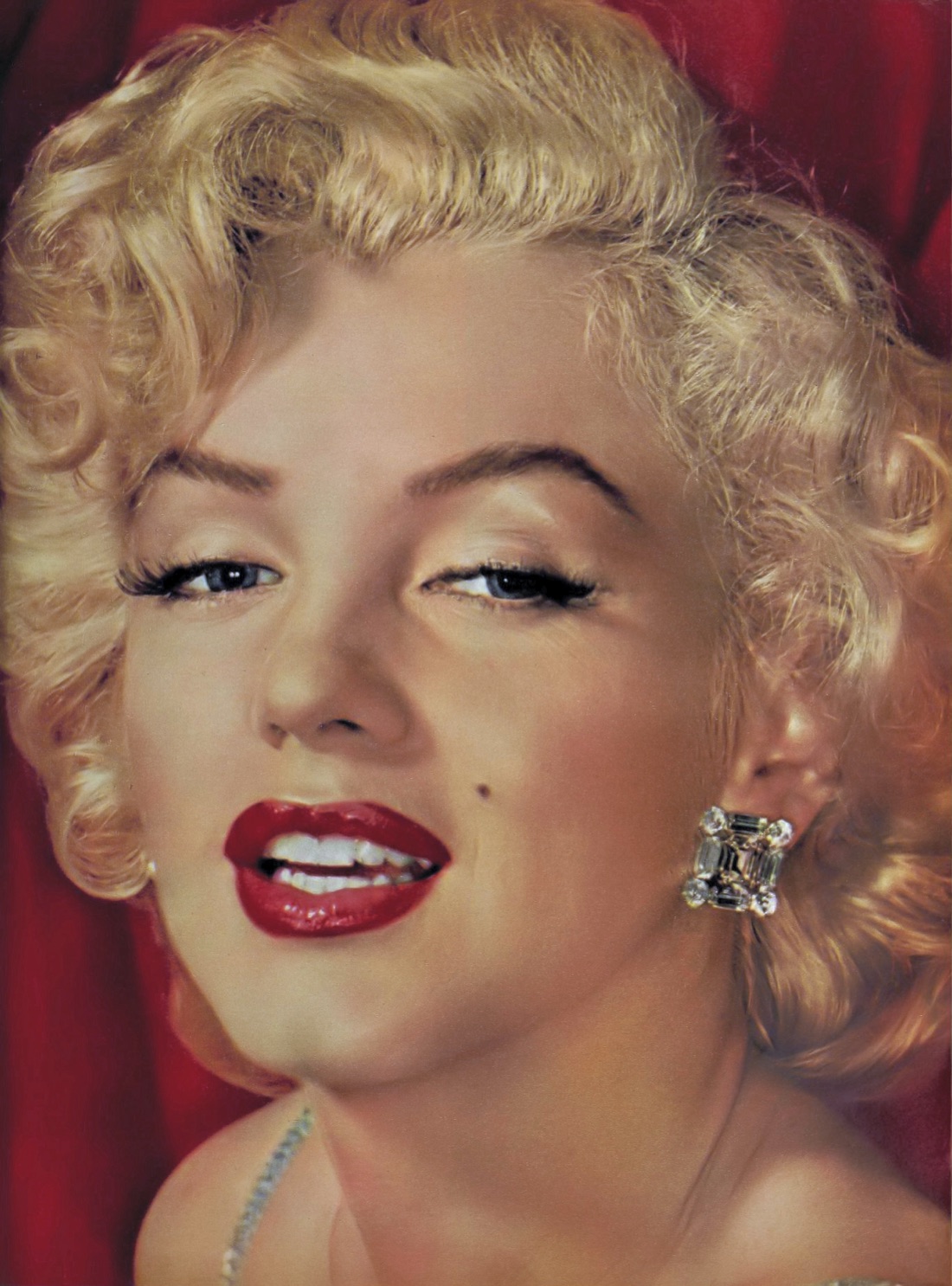
The Death of Marilyn Monroe: The Star, the Overdose, and the Theories
In the early hours of 5 August 1962, Marilyn Monroe — the most photographed and adored star of her age, an icon of Hollywood glamour recognised the world over — was found dead in the bedroom of her modest home in the Brentwood district of Los Angeles. She was thirty-six years old. The Los Angeles County coroner determined that she had died of acute barbiturate poisoning, a lethal quantity of sleeping pills in her system, and classified the death as a 'probable suicide,' consistent with her long and painful history of depression, insomnia, and dependency on the drugs that both sustained and endangered her. It should have been, and in its essentials was, the tragic end of a brilliant, fragile woman whom fame had exploited more than it had protected. But the investigation that night was careless and confused, the timeline muddled, the accounts of those present contradictory; and Monroe's rumoured connections to President John F. Kennedy and his brother, Attorney General Robert Kennedy, gave rise almost immediately to whispers, and then to an enduring industry, of conspiracy — that she had been murdered, or silenced, to protect powerful men. Sixty years on, those theories persist, unproven and unpersuasive, while the documented evidence points, as it did from the start, toward a lonelier and more ordinary tragedy. This is the story of the death of Marilyn Monroe — what is known, what is not, and why the difference matters.

The Death of Natalie Wood: Drowning Off Catalina
On the morning of 29 November 1981, the body of Natalie Wood — one of the most cherished actresses of her generation, a star since childhood — was found floating in the Pacific Ocean about a mile from her yacht, the Splendour, off the coast of Santa Catalina Island in California. She was forty-three, and she had drowned. The night before, she had been aboard the yacht with three other people: her husband, the actor Robert Wagner; her Brainstorm co-star, Christopher Walken; and the boat's captain, Dennis Davern. The Los Angeles coroner initially ruled the death an accidental drowning, theorising that she had slipped while trying to secure or board the yacht's dinghy and had been unable to climb back out of the cold water. But the account of that night was troubled from the start — there had reportedly been drinking and an argument aboard, the stories of those present shifted over the years, and Wood, it was widely known, had a lifelong fear of water. Three decades later, in 2011, the case was reopened; the cause of death was formally amended to 'drowning and other undetermined factors'; and in 2018 her husband was named a 'person of interest' — though he has always denied any wrongdoing, was never arrested or charged, and no evidence of foul play has ever been established. This is the story of the death of Natalie Wood — a genuine mystery in which the official record itself declines to say for certain what happened.

The Murder of Tupac Shakur: Twenty-Seven Years to an Arrest
On the night of 7 September 1996, Tupac Shakur — the visionary rapper, actor, and activist who was, at twenty-five, one of the most influential artists in the world — was shot in a drive-by while riding through the Las Vegas Strip in a car driven by the Death Row Records boss Marion 'Suge' Knight. The two had just left the Mike Tyson boxing match at the MGM Grand, where, earlier that evening, Tupac and his entourage had been caught on casino cameras beating a man in the lobby. As their car waited at a red light near the Strip, a white Cadillac pulled alongside and someone opened fire, hitting Tupac four times. He was rushed to hospital and fought for his life for six days before dying on 13 September 1996. His murder stunned the music world and became one of the most infamous unsolved killings in American cultural history — bound up with the bitter East Coast–West Coast rivalry that then convulsed hip-hop, and followed six months later by the strikingly similar murder of his rival, The Notorious B.I.G. For twenty-seven years, despite widespread belief about who was responsible, no one was charged. Then, in September 2023, Las Vegas police arrested a former gang leader who had publicly admitted his role, and charged him with orchestrating the killing. This is the story of the murder of Tupac Shakur — the man, the rivalry, the long silence, and the arrest that came almost three decades too late.
5 files · end of the line