
The waters off Santa Catalina Island, California, where Natalie Wood drowned on the night of 28–29 November 1981. She was found the next morning about a mile from her yacht. Wikimedia Commons / Don Ramey Logan, CC BY-SA 3.0.
The Death of Natalie Wood: Drowning Off Catalina
California, 29 November 1981 — The beloved actress drowned in the ocean off Catalina Island after a weekend on her yacht. First ruled an accident, the case was reopened three decades later, the cause of death changed to 'undetermined,' and unanswered questions have kept it one of Hollywood's most enduring mysteries
- Category
- Assassinations & Disappearances
- Published
- Length
- 3,550 words · 18 min read
- Author
- The editors
The death of Natalie Wood belongs to a different category from most celebrity mysteries, and the distinction is important. Where the deaths of a Marilyn Monroe or a Bruce Lee are officially resolved — a probable suicide, a death by misadventure — with conspiracy theories arrayed against a settled finding, Wood's case is one in which the authorities themselves have declared the manner of death undetermined. The coroner who once called it an accident later withdrew that certainty; a reopened investigation named her husband a person of interest; and the questions raised by the physical evidence and the shifting accounts of that night have never been answered. This does not mean a crime occurred — no crime has ever been proven, no one has been charged, and the living man at the centre of the speculation has consistently denied any wrongdoing, as he is entitled to have remembered. But it does mean that the honest description of the case is not "solved with fringe doubts" but genuinely, officially open. To write about it responsibly requires a careful hand: to lay out what is known and what is not, to take the real unanswered questions seriously, and to refuse to convict, in prose, a man the law has never convicted in fact.
This is the story of a drowning that the record cannot fully explain.
The star
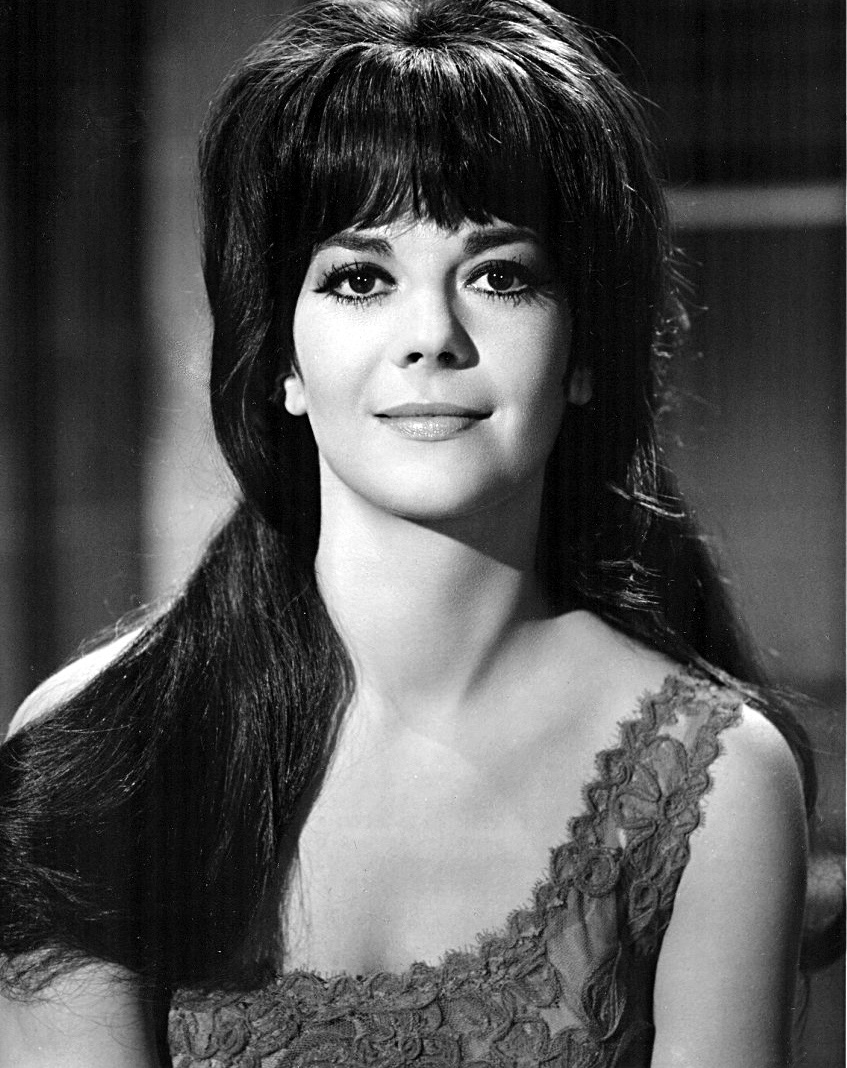
Natalie Wood had been famous almost her entire life. Born Natalia Zakharenko in 1938 to Russian immigrant parents, she became a child star with Miracle on 34th Street at the age of eight, and, unusually, made the difficult transition to adult stardom, becoming one of the defining actresses of her era. She earned three Academy Award nominations and starred in a string of celebrated films — Rebel Without a Cause opposite James Dean, Splendor in the Grass with Warren Beatty, West Side Story, and many more — that made her a beloved and enduring Hollywood figure. By 1981 she was a mature star, married to the actor Robert Wagner (whom she had married, divorced, and then remarried), the mother of two daughters, and at work on a science-fiction film called Brainstorm alongside Christopher Walken.
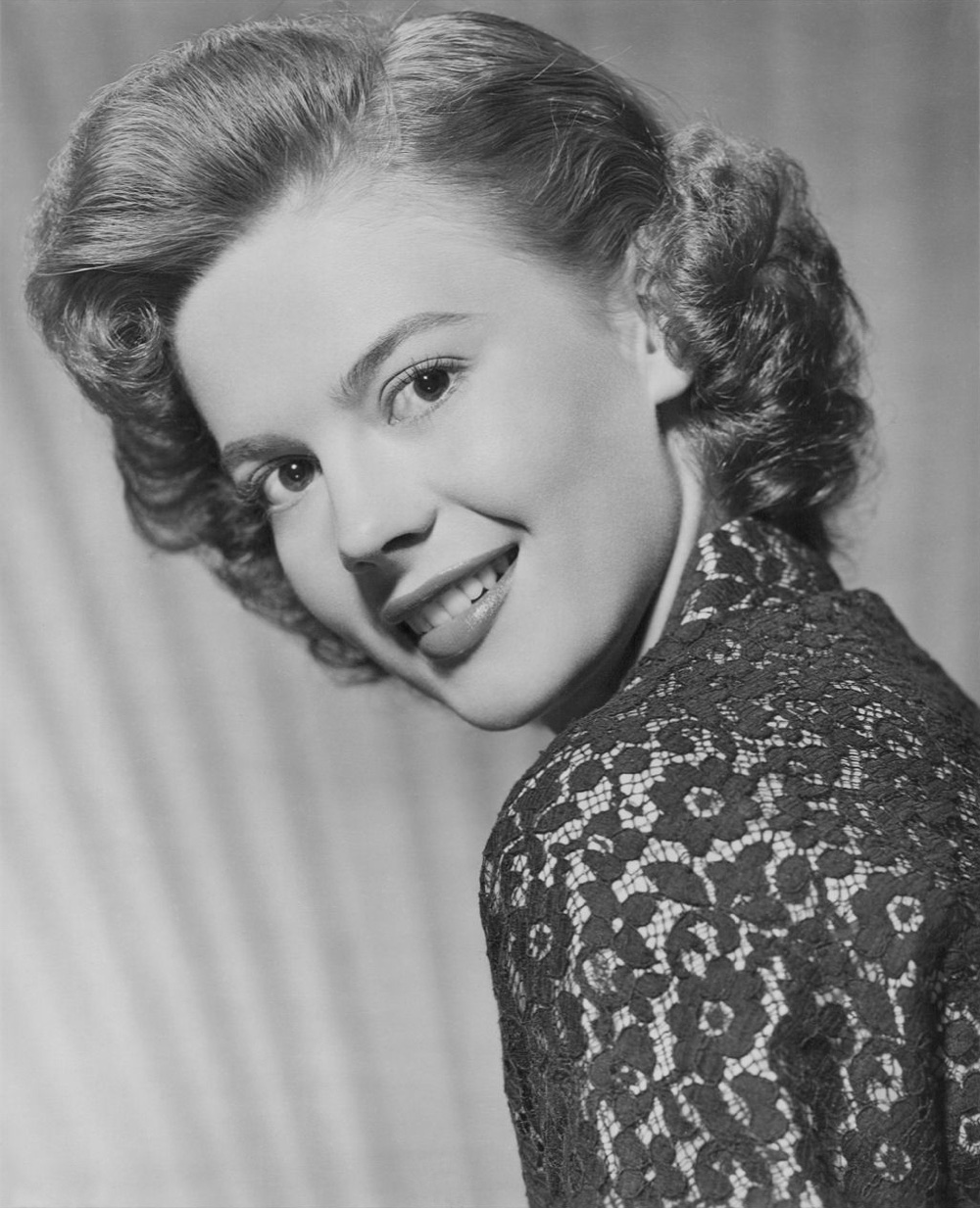
One biographical detail looms over her death: Natalie Wood was, by many accounts, deeply afraid of water, and specifically of dark water and drowning — a fear she spoke of openly and that friends and family confirmed. The source of this dread is sometimes traced to a childhood incident and to a fortune-teller's warning her superstitious mother had absorbed, but whatever its origin, it was real and lifelong. That a woman with such a profound terror of drowning should die by drowning, in dark ocean water at night, is one of the cruelest ironies of the case, and one of the reasons it has always felt so difficult to accept as a simple accident. Why she would have gone near the dinghy, or into the water, in the dark, alone, is a question her known fear only sharpens.
The night on the Splendour
The weekend had been a getaway. Over the Thanksgiving weekend of 1981, Natalie Wood, Robert Wagner, and Christopher Walken sailed to Catalina Island aboard the Splendour, crewed by Dennis Davern. By the accounts that emerged, the group had been drinking over the course of the trip, and on the final night, after dining ashore at a restaurant in the island's harbour town of Avalon, they returned to the yacht, where the atmosphere reportedly grew tense. Various accounts describe an argument — involving, in some tellings, friction between Wagner and Walken, or about Wood — though the precise nature and course of any dispute has never been definitively established and the participants' recollections have differed. At some point that night, Natalie Wood left the others, and at some point she ended up in the water. Exactly how and when are the questions the case has never been able to answer.
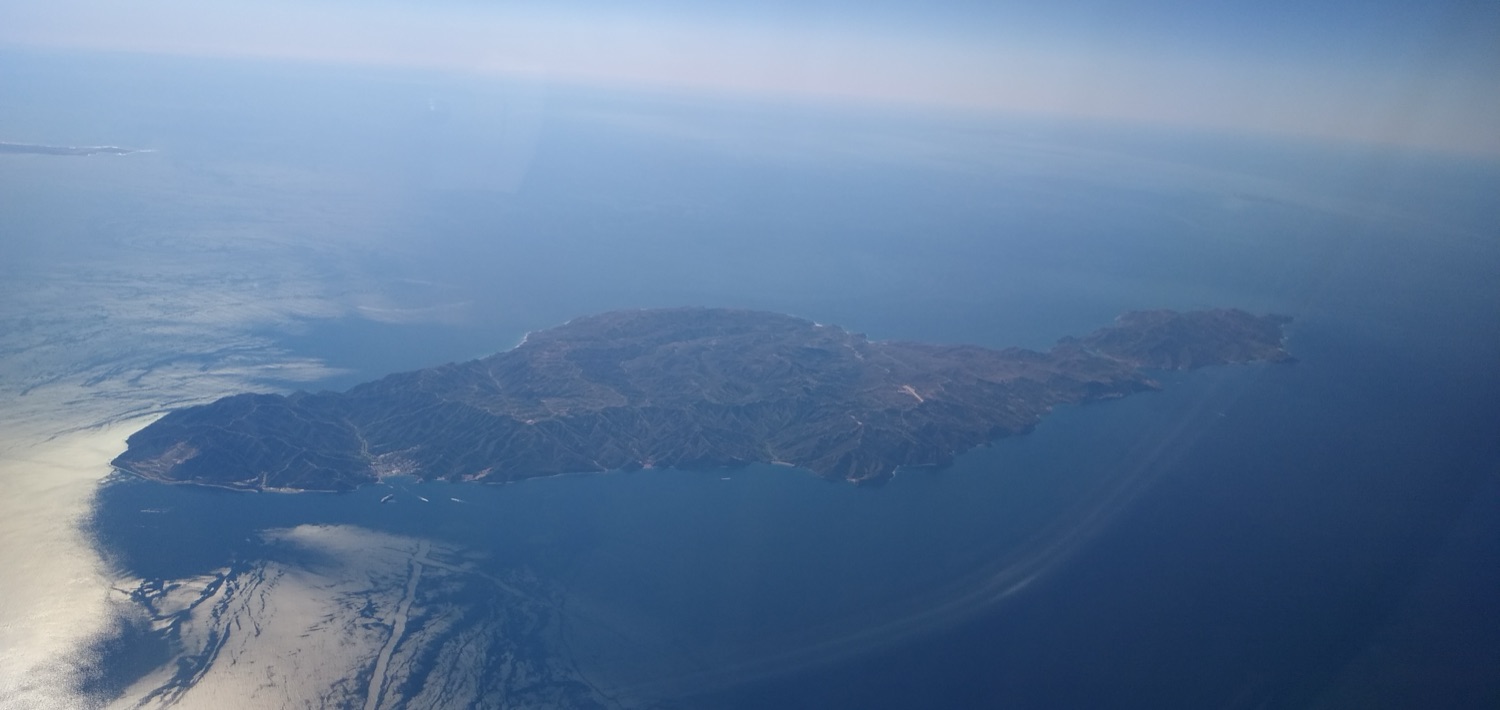
What is known is the grim discovery of the morning. Natalie Wood's body was found floating in the ocean roughly a mile from the Splendour, dressed in a nightgown, socks, and a red down jacket, with the yacht's small dinghy, the Valiant, found nearby, its ignition off and oars stowed. The prevailing early theory held that Wood, perhaps disturbed by the dinghy banging against the hull, had gone to secure or re-tie it, slipped on the swim step or while boarding, and fallen into the cold water, where — hampered by the heavy wet jacket, the alcohol in her system, and her inability to climb back aboard — she drowned. It was a plausible reconstruction of an accidental death, and on that basis the coroner made his original ruling. But it did not sit easily with everyone, and over time the cracks in it would widen.
The questions
The reasons the accident theory came under strain are specific and, taken together, substantial. The bruises on Wood's body — including on her arms and a facial abrasion — were difficult to square with a simple slip into the water, and raised the possibility that some altercation or struggle had preceded her drowning, though bruising can also occur during a desperate, prolonged effort to stay afloat or climb out. The accounts of the night, particularly those of the captain Dennis Davern, changed markedly over the years: Davern, who had supported the accident account in 1981, later alleged in books and interviews that there had been a serious argument, that the search for Wood had been inexcusably delayed, and that he had not told the whole truth originally — claims that were a major impetus for reopening the case, though Davern's own credibility and motives have also been questioned. And there were troubling details about the timeline: reports that Wood may have gone into the water hours before help was summoned, and questions about why the response was so slow.
The question of timing has been especially vexing. By various accounts, Wood may have gone missing from the yacht relatively early in the night, yet the Coast Guard was not alerted until the small hours of the morning, and a harbour official who was contacted has said he urged a search that was, for a time, resisted or delayed. The reasons offered — an assumption that she had taken the dinghy ashore, a reluctance to raise an alarm, the disorientation of a night of drinking — are plausible in themselves, but the gap between when she was last seen and when help was summoned has never been fully accounted for, and it is time in which a person in cold water would have had little chance. Whether that delay reflects nothing more than confusion and poor judgement, or something that has never been disclosed, is among the questions the reopened investigation could not resolve. It is the kind of detail that keeps the case genuinely open without, in itself, proving anything.
The reopening
In 2011, spurred by Davern's claims and by persistent public questions, the Los Angeles County Sheriff's Department reopened its investigation into Natalie Wood's death — a striking step three decades after the fact. The renewed inquiry led to the 2012 amendment of the cause of death and continued to develop over the following years. In 2018, the Sheriff's Department publicly described Robert Wagner as a "person of interest" in the case, with investigators stating that his account of the events of that night had, in their view, been inconsistent over time and that they wished to speak with him further. It is essential to be precise about what this means and does not mean. A "person of interest" is not a suspect formally accused of a crime; it is a term indicating someone investigators wish to learn more from or about. Wagner has consistently and firmly denied any involvement in his wife's death, has not been arrested or charged, and is entitled to the presumption of innocence that the law guarantees.
What can and cannot be said
Weighing the case responsibly means being clear about the boundaries of the knowable, and resisting the pull to cross them. What can be said with confidence is this: Natalie Wood drowned in the ocean off Catalina; she had been drinking; there were bruises on her body that are not fully explained; the accounts of the night are contradictory and, in the captain's case, changed dramatically over time; the original accident ruling was later downgraded by the coroner to "undetermined"; and the case was reopened, with her husband named a person of interest. What cannot be said — because it has never been established — is that a crime was committed, that anyone deliberately harmed her, or that any specific person is responsible for her death. The genuine, unresolved question is whether her drowning was a tragic accident or whether something else, never proven, contributed to it. Both remain possible; neither has been demonstrated. In a case involving living people who have never been charged, the difference between "there are unanswered questions" and "this person did it" is not a nicety but a fundamental matter of fairness and of fact, and it must be respected.
What it means
The death of Natalie Wood endures as one of Hollywood's most genuinely unresolved mysteries precisely because it resists the tidy shapes we prefer. It is neither a clearly accidental death dressed up as a conspiracy nor a proven crime; it is a drowning that the official record, after decades and a reopened investigation, still cannot fully explain. That irresolution is itself the story — a reminder that some deaths, even highly scrutinised ones involving famous people and thorough inquiries, simply do not yield a definitive answer, and that intellectual honesty sometimes means accepting a permanent "we do not know." The case has been made harder, and sadder, by the passage of time: witnesses have died, memories have faded and shifted, and the physical evidence of a single night on the water forty years ago can no longer be freshly examined. Whatever happened aboard the Splendour went into the dark water with Natalie Wood, and it may never come fully back.
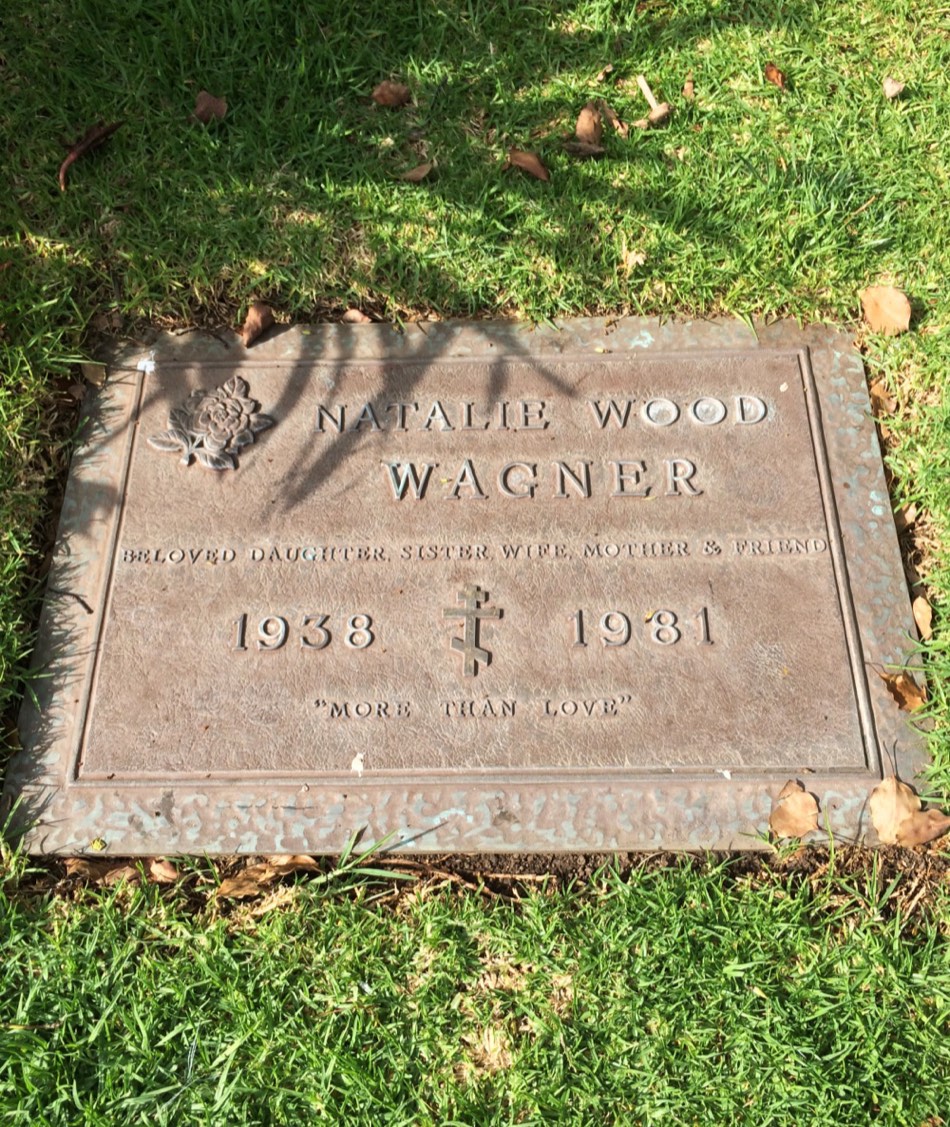
There has, in recent years, been a conscious effort to reclaim Natalie Wood from the shadow of her death. Her daughter, Natasha Gregson Wagner, produced a 2020 documentary that sought to shift the focus back to Wood's life, her talent, and the warm memories of those who loved her, rather than the endless speculation about her final hours — a reminder that behind the mystery is a real family that has lived with grief and rumour for four decades. This is worth holding onto. The public appetite for the puzzle of Natalie Wood's death, however understandable, has too often reduced a gifted woman and a devoted mother to the circumstances of a single tragic night, and the people who knew and loved her have had to endure both the loss itself and its transformation into perpetual public spectacle. Any honest account of the case owes it to them to remember that the questions, real as they are, concern a person, not a plot.
In the end, the death of Natalie Wood is a mystery that demands both curiosity and restraint. The questions are real: a woman terrified of water drowned in the ocean at night, bruised in ways not fully explained, amid an evening of drinking and tension whose details her companions have never consistently told. The official verdict — undetermined — is an honest admission that these questions have no proven answer. But the same honesty that acknowledges the mystery must also refuse to resolve it by accusing those who have never been charged; the presumption of innocence is not suspended because a case is famous or a death is suspicious. Natalie Wood deserves to be remembered as the luminous, gifted actress she was, and her death deserves to be treated with both the seriousness its unanswered questions warrant and the fairness that the living, uncharged people around it are owed. That it remains unresolved is not a failure of imagination but a fact — and one that, in this case, it is more honest to accept than to pretend away.
In the end, the drowning of Natalie Wood remains a genuine and probably permanent mystery — one of the rare celebrity deaths in which the uncertainty is not the invention of theorists but the official conclusion of the authorities themselves. A beloved actress, afraid of water all her life, died in the black ocean off Catalina on a November night, and four decades of scrutiny, a reopened investigation, and an amended death certificate have produced not an answer but an honest acknowledgement that there may be none. What can be said is bounded by the evidence: that she drowned, that questions surround how, that the record was changed from accident to undetermined, and that no crime has been proven and no one charged. Beyond that lies only speculation, and the responsible course — for all the temptation to do otherwise — is to let the unanswered questions stand as questions, to extend to the living the fairness the law requires, and to remember, above the mystery, the extraordinary woman whose loss it concerns.
Inspired this / based on it
HBO / Natasha Gregson Wagner
A documentary by Wood's daughter focusing on her life rather than the mystery of her death.
Filed under
Click any tag for every article carrying it.
Continue reading
The Death of Marilyn Monroe: The Star, the Overdose, and the Theories
In the early hours of 5 August 1962, Marilyn Monroe — the most photographed and adored star of her age, an icon of Hollywood glamour recognised the world over — was found dead in the bedroom of her modest home in the Brentwood district of Los Angeles. She was thirty-six years old. The Los Angeles County coroner determined that she had died of acute barbiturate poisoning, a lethal quantity of sleeping pills in her system, and classified the death as a 'probable suicide,' consistent with her long and painful history of depression, insomnia, and dependency on the drugs that both sustained and endangered her. It should have been, and in its essentials was, the tragic end of a brilliant, fragile woman whom fame had exploited more than it had protected. But the investigation that night was careless and confused, the timeline muddled, the accounts of those present contradictory; and Monroe's rumoured connections to President John F. Kennedy and his brother, Attorney General Robert Kennedy, gave rise almost immediately to whispers, and then to an enduring industry, of conspiracy — that she had been murdered, or silenced, to protect powerful men. Sixty years on, those theories persist, unproven and unpersuasive, while the documented evidence points, as it did from the start, toward a lonelier and more ordinary tragedy. This is the story of the death of Marilyn Monroe — what is known, what is not, and why the difference matters.
The Death of Bruce Lee: The Dragon's Sudden End
On the evening of 20 July 1973, Bruce Lee — the martial artist, actor, and philosopher who had done more than anyone to bring kung fu to the world, and who stood on the very threshold of global superstardom — lay down in a Hong Kong apartment with a headache and never woke up. He was thirty-two years old, extraordinarily fit, and weeks away from the release of Enter the Dragon, the film that would make him an immortal icon. His sudden death at the height of his powers stunned the world and seemed, to many, impossible: how could a man who embodied physical perfection simply die of a headache? A coroner's inquest concluded that he had died of a swelling of the brain — cerebral oedema — most likely triggered by a reaction to a common painkiller, and returned a verdict of 'death by misadventure.' But that clinical answer has never satisfied everyone, and in the vacuum of certainty a thicket of theories has grown: that he was murdered by rival martial artists or organised crime, that he fell to an ancient family curse later 'confirmed' by the freak death of his son, that some exotic 'death touch' had felled him. The medical reality is at once more mundane and more genuinely uncertain than any of these. This is the story of the death of Bruce Lee — of what the evidence shows, what remains unknown, and why the legends persist.
The Death of Kurt Cobain: The Reluctant Icon and the Theories
In early April 1994, Kurt Cobain — the singer, songwriter, and guitarist of Nirvana, the band that had carried underground rock into the mainstream and made him, against his own wishes, the defining voice of a generation — was found dead at his home in Seattle. He was twenty-seven years old. His death, from a self-inflicted gunshot wound, was ruled a suicide by the King County medical examiner and the Seattle police, a conclusion the authorities have reaffirmed in the decades since, including in a fresh review on the twentieth anniversary. Cobain had long struggled with severe depression, a debilitating chronic stomach condition, and heroin addiction, and had survived a near-fatal overdose only weeks before; a note was found at the scene. For most of those who knew him and have studied the case, his death was the tragic culmination of years of pain. Yet from the beginning a minority have insisted otherwise — that Cobain was murdered, that the suicide finding was wrong, with suspicion aimed in various directions — and these claims, amplified by books and films, have kept a conspiracy alive. This article examines his death with the care such a subject demands: what the evidence establishes, why the murder theories have not held up, and, above all, the human tragedy of mental illness and addiction that the conspiracy too often obscures. If you are struggling, please know that help is available, and that reaching out is a sign of strength, not weakness.