
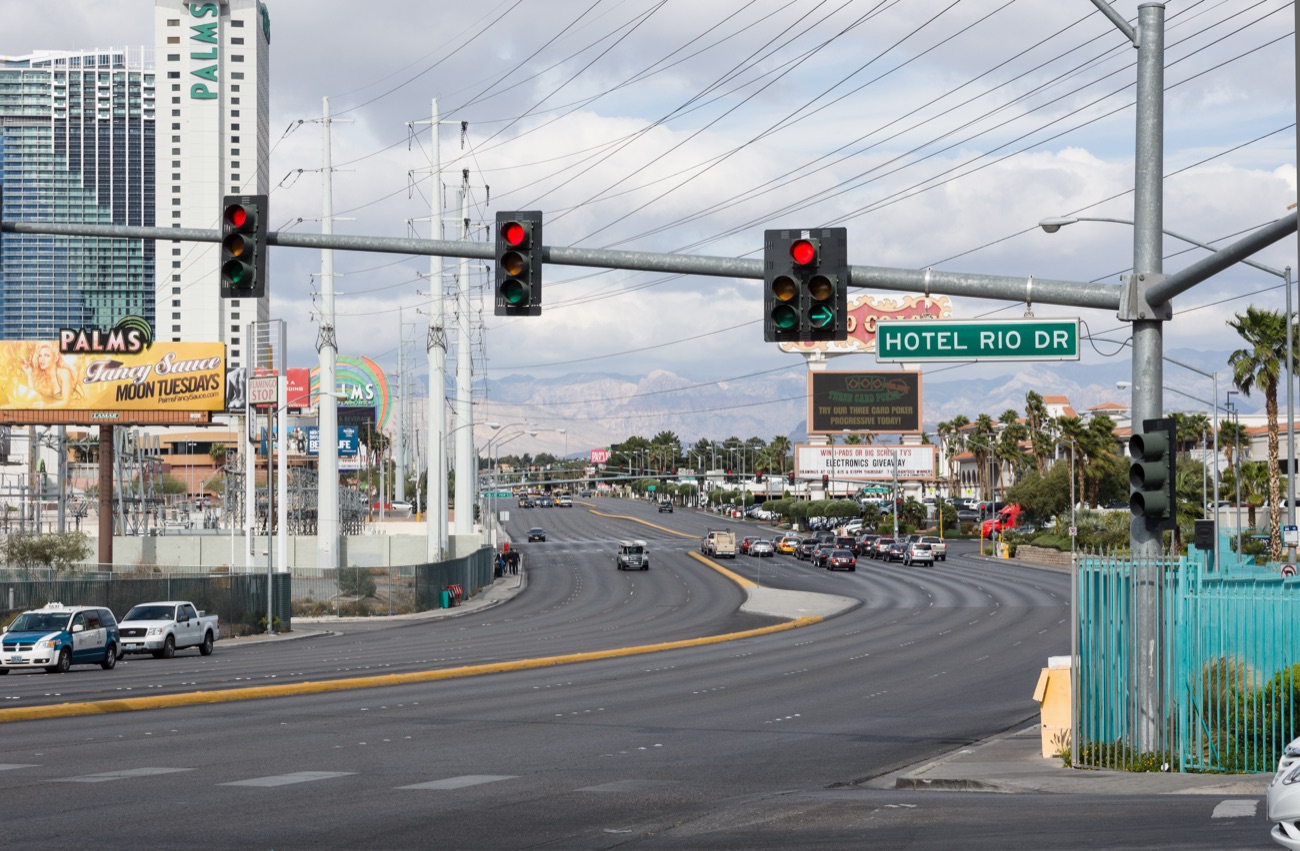
The Las Vegas Strip at night. It was here, at a red light near the Strip, that Tupac Shakur was shot in a drive-by on 7 September 1996; he died six days later. Wikimedia Commons / CC BY-SA 3.0.
The Murder of Tupac Shakur: Twenty-Seven Years to an Arrest
Las Vegas, September 1996 — One of the greatest rappers of all time was gunned down in a drive-by on the Las Vegas Strip at twenty-five. For twenty-seven years the murder went officially unsolved, wrapped in the era's coast-to-coast rap war — until, in 2023, police finally made an arrest
- Category
- Assassinations & Disappearances
- Published
- Length
- 3,550 words · 18 min read
- Author
- The editors
The murder of Tupac Shakur is unusual among the great celebrity-death mysteries because it was never really a mystery about what happened, only about accountability. There was no ambiguity of the kind that surrounds a drowning or an overdose: Tupac was plainly murdered, shot in a drive-by on a public street, and the broad circumstances — the rivalry, the earlier fight, the retaliation — were understood in outline almost from the start. What made it a mystery, and kept it one for twenty-seven years, was the failure to bring anyone to justice: a killing witnessed by many, embedded in a world of gang loyalties and coded silence, that the authorities could not, or did not, close. That silence finally broke in 2023, with an arrest built largely on the killer's own boasts. This account tries to hold the different threads clearly: the real and established facts of the murder, the strongly supported explanation of who did it and why, the wilder theories that flourished in the long vacuum of an unsolved case, and the caution owed to a living defendant who has been charged but not convicted. Above all it tries to keep sight of the artist whose loss it concerns — a figure of enormous talent and contradiction, killed far too young.
This is the story of his murder.
The artist and activist
To understand the magnitude of the loss, one must understand who Tupac Shakur was. Born in 1971 to Afeni Shakur, a member of the Black Panther Party, he was steeped from childhood in Black radical politics, and he grew into an artist of rare range and intensity: a rapper of extraordinary gifts, a poet, a film actor, and a passionate, contradictory voice on race, poverty, and injustice in America. His music could be tender and political — grappling with the struggles of Black women, the poor, and the young — and also aggressive and confrontational; he contained, and dramatised, the tensions of his time. By the mid-1990s he was one of the biggest stars in music, a cultural force whose influence would only grow after his death, and whose posthumous output and iconic status have made him one of the defining artists of his era.
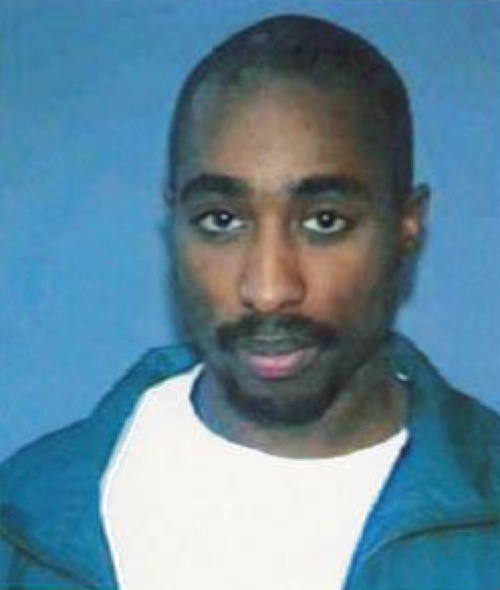
But Tupac's life was also entangled with violence and controversy in ways that would prove fatal. He had survived an earlier shooting — robbed and shot multiple times in a New York studio in 1994, an attack he came to blame, bitterly, on figures associated with his East Coast rivals — and had served time in prison. On his release in 1995, he signed with Death Row Records, the powerful and menacing West Coast label run by Suge Knight, a move that placed him at the very centre of the escalating war between the West and East Coast wings of hip-hop. He was, by 1996, both a global artist and a combatant in a feud that mixed music, money, ego, and real gang violence — a combination that would prove lethal.
The rivalry
The context of Tupac's murder was the East Coast–West Coast rivalry, the defining and eventually deadly feud of mid-1990s hip-hop. On one side stood the West Coast's Death Row Records, led by the intimidating Suge Knight, with Tupac as its biggest star; on the other, the East Coast's Bad Boy Records, led by Sean "Puffy" Combs, with The Notorious B.I.G. — Biggie Smalls — as its flagship artist. What had begun as regional and commercial competition curdled, after Tupac's 1994 shooting, into a bitter personal war, waged in escalating diss tracks and public insults and shadowed by the involvement of real street gangs on both sides. Tupac, convinced that his East Coast rivals had been behind the 1994 attack on him, poured his fury into his music, and the feud became a genuine and dangerous enmity, no longer merely artistic.
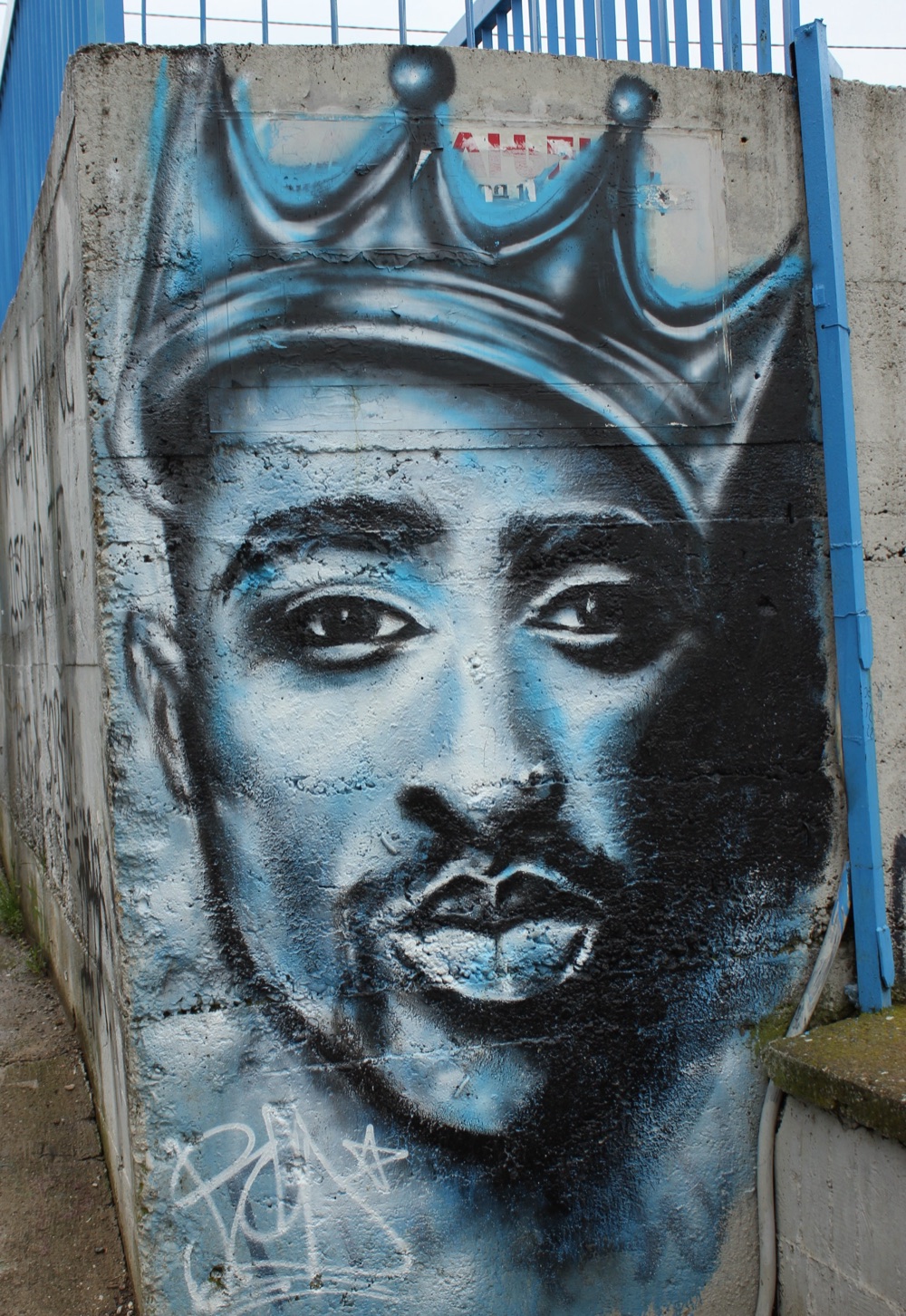
This is the essential backdrop to the killing, and it explains why the murder, however shocking, did not come from nowhere. Tupac was not a bystander struck by random violence; he was a central figure in a feud that had already produced one attempt on his life, embedded in a milieu where music-industry rivalry, gang affiliation, and personal vendetta were dangerously intertwined. The specific spark for his murder, though, would come not from the East Coast rivalry directly but from a sudden, violent encounter on the night itself — one that connected Tupac's death less to Biggie and Bad Boy than to a Los Angeles street gang and a beating in a casino lobby.
The night in Las Vegas
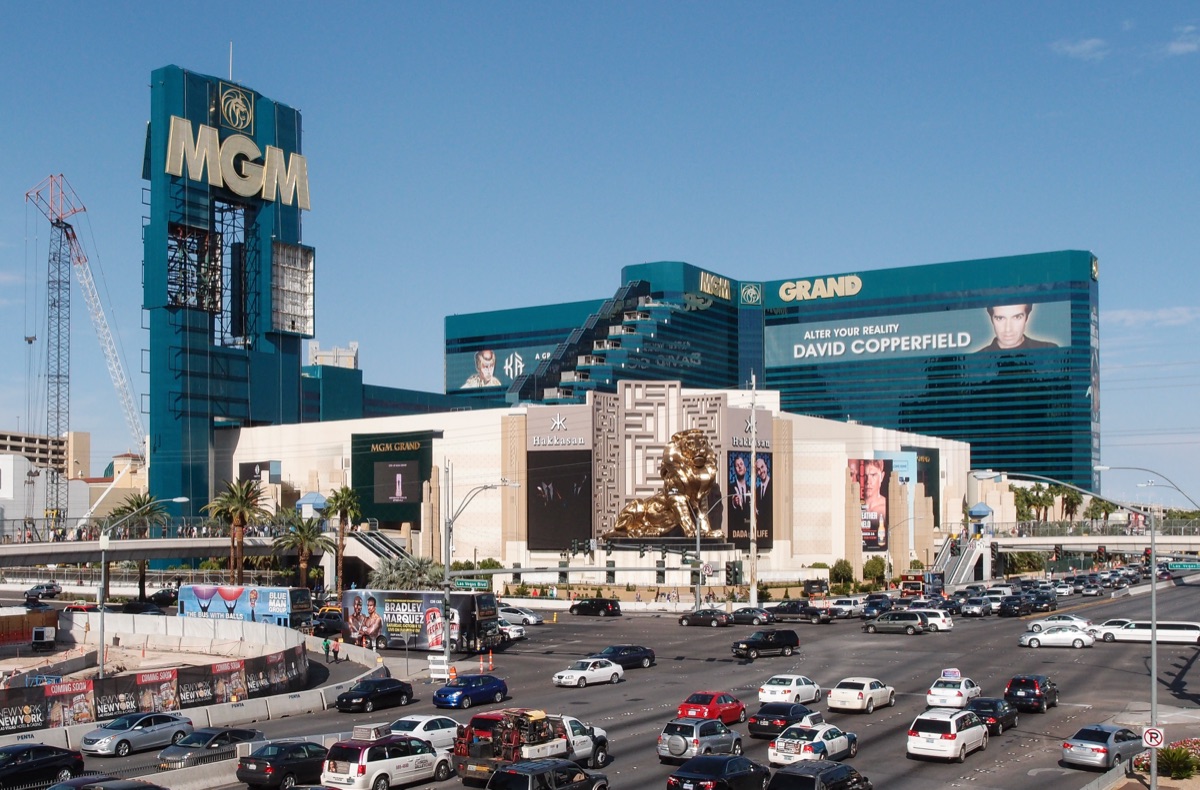
On 7 September 1996, Tupac and Suge Knight were in Las Vegas to attend the heavyweight boxing match between Mike Tyson and Bruce Seldon at the MGM Grand. After the fight, as Tupac's group moved through the casino, a chance encounter turned violent: Tupac spotted Orlando Anderson, a young man affiliated with the South Side Compton Crips, and — reportedly over a prior incident involving a Death Row associate — Tupac and his entourage set upon Anderson and beat him in the lobby. The assault, brief and brutal, was captured on the MGM's security cameras, and it would prove to be the fatal trigger. In the coded, retaliatory logic of gang conflict, a public beating like this demanded a response, and the response, investigators came to believe, came within hours.
After the fight and the lobby brawl, Tupac left the MGM with Suge Knight, riding in the passenger seat of Knight's black BMW as part of a convoy heading to a nightclub. As the car stopped at a red light on the corner of Flamingo Road and Koval Lane, just east of the Strip, a white Cadillac pulled up on the passenger side. Someone in the Cadillac opened fire, sending a volley of shots into the BMW. Tupac was struck four times — in the chest, arm, and thigh — while Suge Knight was grazed by fragments. The Cadillac sped away into the Las Vegas night. Tupac, gravely wounded, was rushed to the University Medical Center, where he underwent surgery and clung to life for six days, before dying on 13 September 1996. He was twenty-five years old.
Twenty-seven years unsolved
For nearly three decades, the murder of Tupac Shakur remained officially unsolved, an outcome that became itself a source of suspicion and legend. The reasons for the long failure to charge anyone are grimly familiar from gang-related homicides: witnesses who would not talk, a code of silence around the events, the death of key figures (Anderson himself was killed in 1998), and the difficulty of converting widely shared belief into courtroom-proof evidence. That so notorious a crime, witnessed by many and involving figures who spoke about it in interviews and memoirs, could go uncharged for so long struck many as inexplicable, and into that vacuum rushed a torrent of theories — some plausible, some baseless, all feeding on the sense that the truth was being suppressed or ignored.
The wildest of these was the enduring myth that Tupac never died at all — that he faked his death and went into hiding, a belief fuelled by his enormous posthumous output (record labels released his unreleased recordings for years), by numerology around the number seven, by the absence of a public funeral, and by his own fascination with figures like Machiavelli, who was said to have advised faking one's death. This theory has no basis whatsoever: Tupac was pronounced dead at the hospital, his death is thoroughly documented, and the "evidence" cited for his survival is a collection of coincidences and wishful thinking. It persists, like the "Elvis is alive" myth it resembles, because fans cannot bear the loss and because his posthumous ubiquity made it feel, for a time, as if he had never really gone.
The other theories
Beyond the retaliation explanation — now bolstered by the 2023 arrest — the long years of an unsolved case bred alternative theories that deserve brief, honest treatment. One implicated Suge Knight himself, suggesting the Death Row boss had somehow orchestrated or allowed the killing, whether over money, contracts, or label intrigue; Knight, who was in the car and himself wounded, has been the subject of much speculation but was never charged in the murder. Another linked Tupac's death to the wider East Coast–West Coast war and to the murder of Biggie Smalls six months later, positing a single web of retaliation, sometimes with allegations of corrupt police involvement drawn from investigations into the Biggie case. These theories range from the plausible to the speculative, and some contain elements that may yet prove relevant, but none has been established, and the evidence that has actually led to a charge points to the Compton Crips retaliation. The honest position distinguishes the well-supported explanation from the unproven ones, without pretending the latter have been disproven where they simply remain unestablished.
What it means
The murder of Tupac Shakur was a defining tragedy of 1990s American culture, and its meaning has only deepened with time. In the immediate term it marked, along with the murder of Biggie Smalls months later, the violent climax of a feud that had consumed hip-hop and cost the genre two of its greatest talents — a loss from which the music, and the communities it came from, drew hard lessons about the real cost of the war they had been waging in verse. Over the longer term, Tupac's stature has grown to almost mythic proportions: his posthumous releases kept him present for years, his image and words became ubiquitous, and he is now enshrined as one of the most important and influential artists of his era, his political and poetic voice studied and celebrated far beyond the world of rap. The manner of his death — young, violent, and long unpunished — has become inseparable from the myth, lending it a martyr's shadow.
The killing did not occur in isolation, and its echo came swiftly. Just six months later, in March 1997, The Notorious B.I.G. — Tupac's chief rival and the biggest star of the East Coast — was himself shot dead in a drive-by in Los Angeles, in circumstances eerily similar and, like Tupac's, unsolved for decades. The near-mirror symmetry of the two murders, the two greatest rappers of their moment gunned down within months of each other at the height of their feud, forced a genuine reckoning within hip-hop. Artists and executives who had fanned the East–West rivalry recoiled from what it had wrought; the tone of the music shifted; and the notion that the "beef" was a harmless theatre of words collapsed under the weight of two coffins. Whether the murders were directly linked — a question that has generated endless theorising, including claims of tit-for-tat retaliation between the coasts — has never been established, and Biggie's killing, like Tupac's, long resisted resolution. But together they stand as the grim culmination of a feud that had crossed from art into death, and as a turning point after which the glamorising of that particular war could never again be quite so innocent.
In the end, the murder of Tupac Shakur is a mystery of a particular sort: not a puzzle about how he died, which was never in serious doubt, but a decades-long failure to hold anyone to account for a killing that unfolded in public view. The long silence bred both understandable frustration and unfounded fantasy, from the plausible theories of gang retaliation — now supported by an arrest — to the baseless myth that he never died at all. The 2023 charging of Duane Davis, built on his own admissions, offers the possibility that the case may finally reach a courtroom conclusion, though that process is only beginning and its outcome unknown. What is certain, and what matters most, is the scale of the loss: a singular artist, poet, and voice, killed at twenty-five in a drive-by born of a feud and a fight, whose murder went unanswered for a generation. Remembering him means holding both the tragedy of that unpunished violence and the enduring power of what he created — and letting the pursuit of the truth proceed, at last, where it belongs: not in the endless speculation of the years of silence, but in a court of law.
In the end, the murder of Tupac Shakur stands as one of the most consequential and most frustrating unsolved crimes in modern cultural history — a killing whose broad truth was known almost at once but whose accountability took twenty-seven years to begin. He was a giant of his art, cut down at twenty-five in a burst of gunfire born of a feud, a fight, and the deadly logic of gang retaliation, and for a generation his murder went unanswered while myths and theories filled the void. The 2023 arrest of Duane Davis, however it resolves, marks the first real movement toward justice, and a reminder that even the coldest cases can thaw. But no verdict can restore what was lost. Tupac Shakur remains, decades on, both a monument to extraordinary talent destroyed by violence and a lesson in how long, and how imperfectly, the truth about such a killing can take to come to light — a truth that, at last, may finally be tested where it should be, before a jury, rather than in the endless rumour of an unsolved case.
Inspired this / based on it
Allen Hughes
A docuseries on Tupac and his mother Afeni Shakur.
Benny Boom
A biographical film about Tupac Shakur.
Filed under
Click any tag for every article carrying it.
Continue reading
The Death of Kurt Cobain: The Reluctant Icon and the Theories
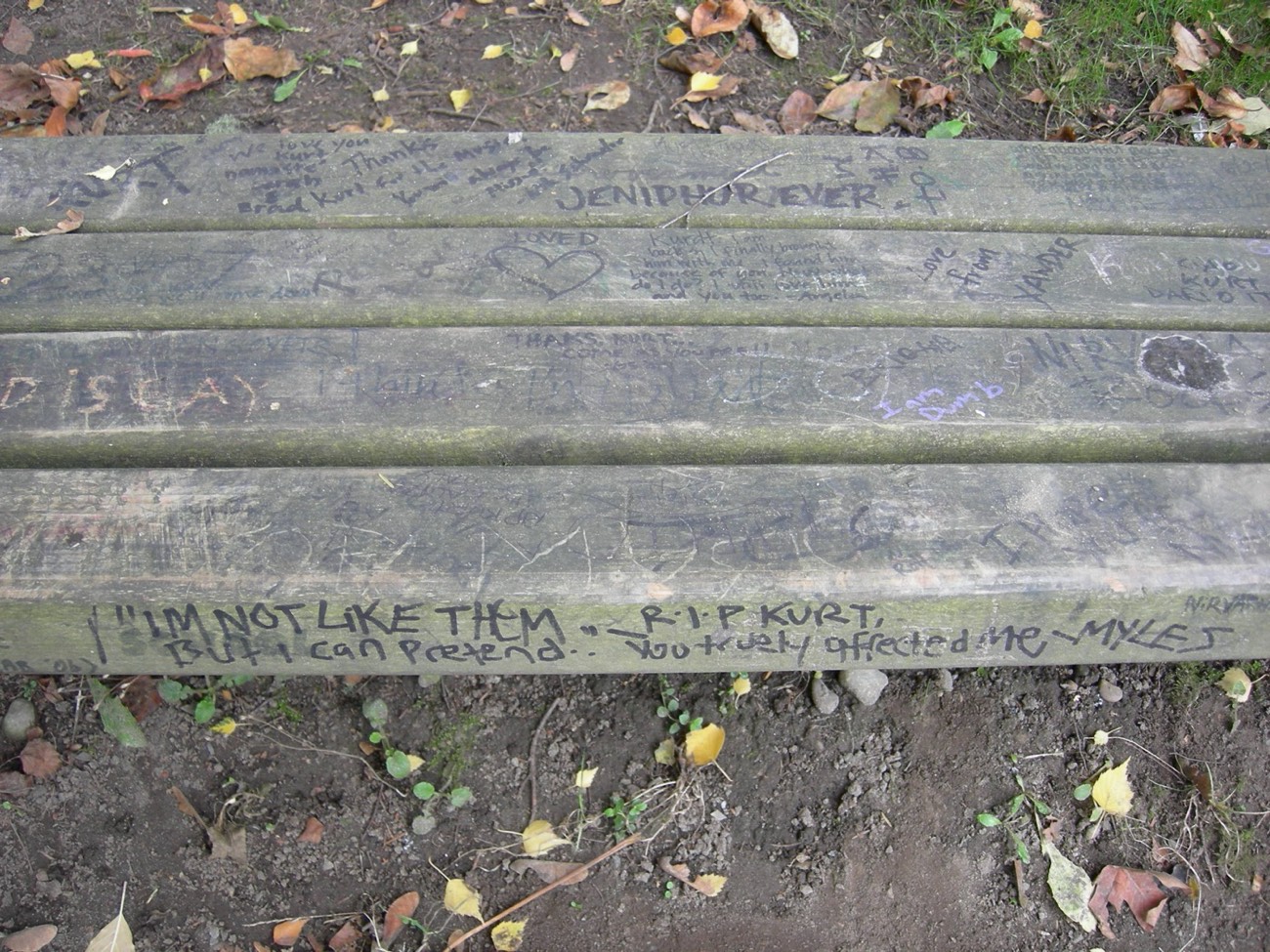
In early April 1994, Kurt Cobain — the singer, songwriter, and guitarist of Nirvana, the band that had carried underground rock into the mainstream and made him, against his own wishes, the defining voice of a generation — was found dead at his home in Seattle. He was twenty-seven years old. His death, from a self-inflicted gunshot wound, was ruled a suicide by the King County medical examiner and the Seattle police, a conclusion the authorities have reaffirmed in the decades since, including in a fresh review on the twentieth anniversary. Cobain had long struggled with severe depression, a debilitating chronic stomach condition, and heroin addiction, and had survived a near-fatal overdose only weeks before; a note was found at the scene. For most of those who knew him and have studied the case, his death was the tragic culmination of years of pain. Yet from the beginning a minority have insisted otherwise — that Cobain was murdered, that the suicide finding was wrong, with suspicion aimed in various directions — and these claims, amplified by books and films, have kept a conspiracy alive. This article examines his death with the care such a subject demands: what the evidence establishes, why the murder theories have not held up, and, above all, the human tragedy of mental illness and addiction that the conspiracy too often obscures. If you are struggling, please know that help is available, and that reaching out is a sign of strength, not weakness.

The Assassination of Malcolm X: The Wrong Men and the Long Wait for Justice
On the afternoon of 21 February 1965, Malcolm X stepped to the podium of the Audubon Ballroom in the Washington Heights neighbourhood of Manhattan to address a few hundred followers of his newly founded Organization of Afro-American Unity. He had barely begun to speak when a disturbance broke out in the crowd, and in the confusion gunmen rushed the stage and opened fire, striking him more than a dozen times. He was pronounced dead within the hour; he was thirty-nine years old, and his pregnant wife and children were in the room. The men who killed him were members of the Nation of Islam, the movement he had once served as its most electrifying voice and had, in the last year of his life, publicly broken with. That much has never been in serious doubt. But the case that followed was a travesty: of the three men convicted of the murder, two were almost certainly innocent, wrongly imprisoned for a crime they did not commit, while some of the real killers were never charged. It would take more than half a century — until November 2021 — for the state of New York to admit the injustice, exonerate the two surviving wrongly convicted men, and confront the evidence that the FBI and the police had concealed. This is the story of the assassination of Malcolm X, of the wrong men who paid for it, and of the long, unfinished wait for the truth.
The Death of Marilyn Monroe: The Star, the Overdose, and the Theories
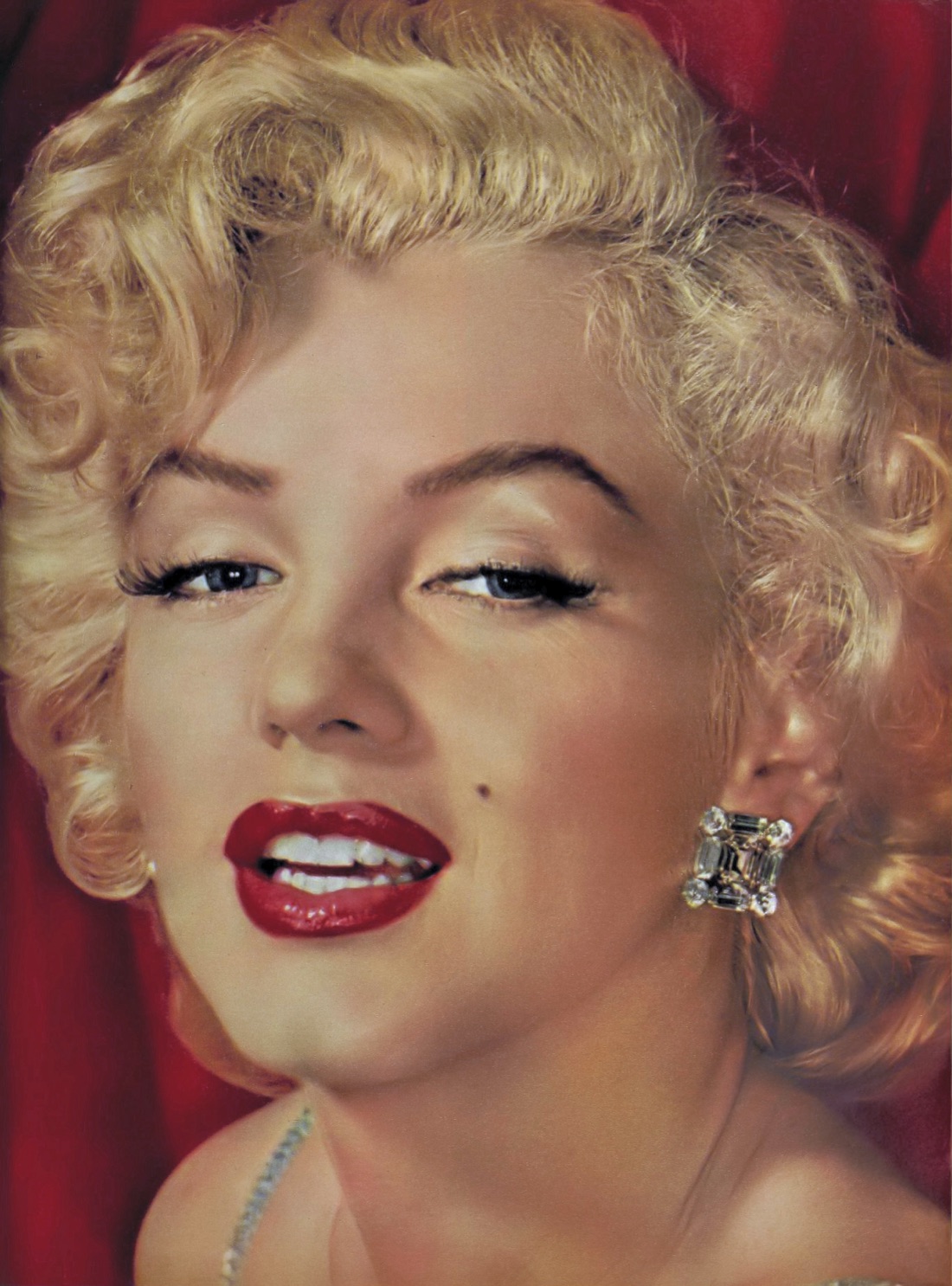
In the early hours of 5 August 1962, Marilyn Monroe — the most photographed and adored star of her age, an icon of Hollywood glamour recognised the world over — was found dead in the bedroom of her modest home in the Brentwood district of Los Angeles. She was thirty-six years old. The Los Angeles County coroner determined that she had died of acute barbiturate poisoning, a lethal quantity of sleeping pills in her system, and classified the death as a 'probable suicide,' consistent with her long and painful history of depression, insomnia, and dependency on the drugs that both sustained and endangered her. It should have been, and in its essentials was, the tragic end of a brilliant, fragile woman whom fame had exploited more than it had protected. But the investigation that night was careless and confused, the timeline muddled, the accounts of those present contradictory; and Monroe's rumoured connections to President John F. Kennedy and his brother, Attorney General Robert Kennedy, gave rise almost immediately to whispers, and then to an enduring industry, of conspiracy — that she had been murdered, or silenced, to protect powerful men. Sixty years on, those theories persist, unproven and unpersuasive, while the documented evidence points, as it did from the start, toward a lonelier and more ordinary tragedy. This is the story of the death of Marilyn Monroe — what is known, what is not, and why the difference matters.