Tag
#sweden
8 articles
Knutby: The Swedish Pentecostal Cult and the Nanny Made to Kill
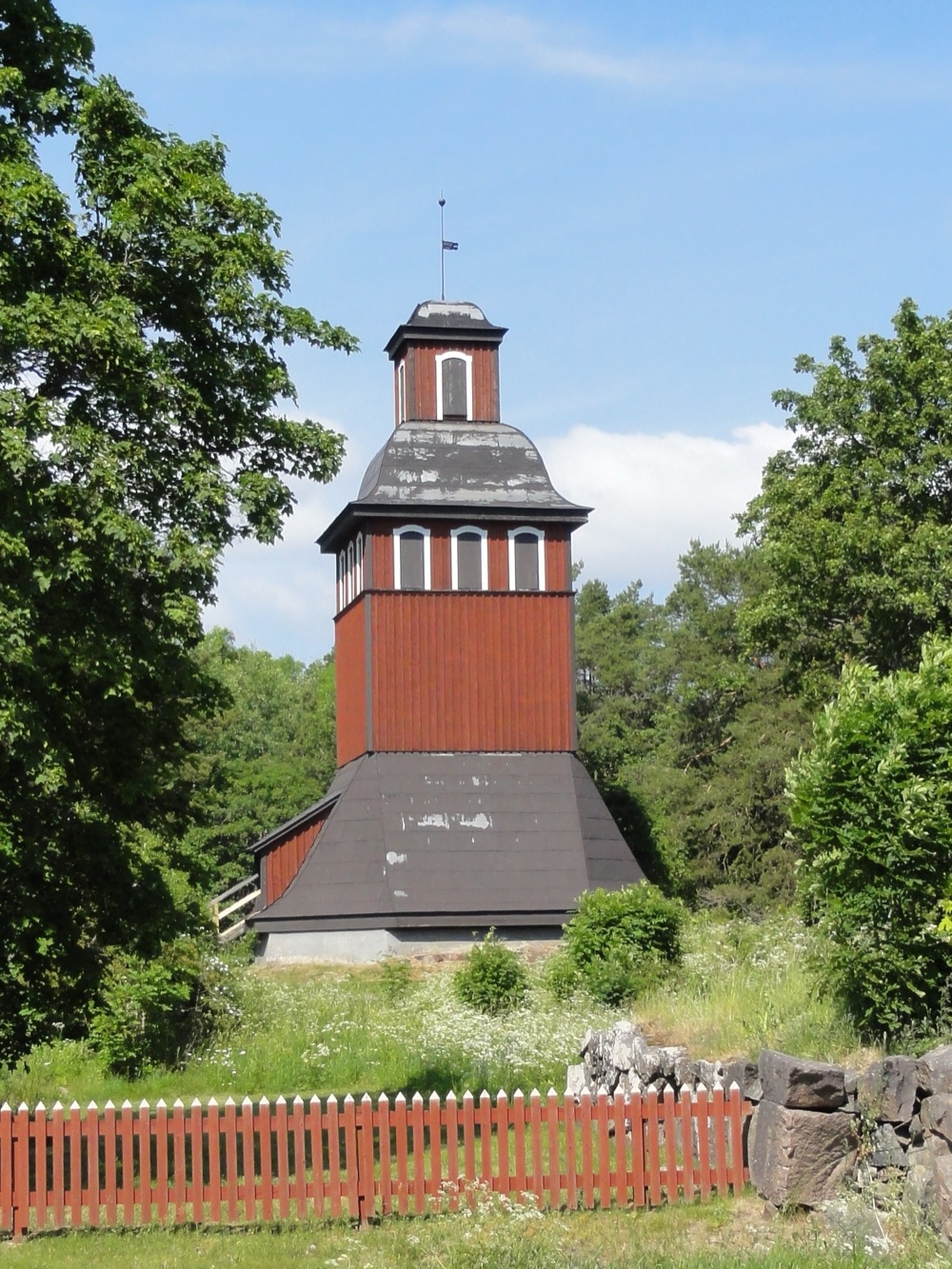
Knutby is a small village in the countryside of Uppland, north of Stockholm, the kind of quiet Swedish place where little is expected to happen. But within it, over the late 1990s and early 2000s, a small Pentecostal free-church congregation, the Knutby Filadelfia, had turned inward and grown strange. Its members had come to believe that one of their own leaders, a woman named Åsa Waldau, was the 'Bride of Christ' — a divine figure destined to marry Jesus at his return — and the congregation had developed the isolating, all-controlling dynamics of a cult, in which spiritual authority and personal power were dangerously fused. At the center of the drama was a charismatic and manipulative pastor, Helge Fossmo, who exercised profound influence over the community and, in particular, over a vulnerable young woman named Sara Svensson, who worked as a nanny for his family and whom he had drawn into a secret relationship. In January 2004, that machinery of manipulation produced murder. Sara Svensson, acting on the direction of Fossmo — who had manipulated her, in part through anonymous text messages purporting to carry divine authority — shot and killed Fossmo's wife, Alexandra, and gravely wounded a neighbor, the husband of another woman with whom Fossmo was involved. The crime, when it was unraveled, revealed not the act of a lone disturbed woman but the terrible product of a coercive religious community and a pastor who had turned a follower into a weapon. This is the story of Knutby, of the murder it produced, and of how a closed congregation became a machine for making an ordinary person kill.
The Bofors Scandal and the Bribes That Felled a Government
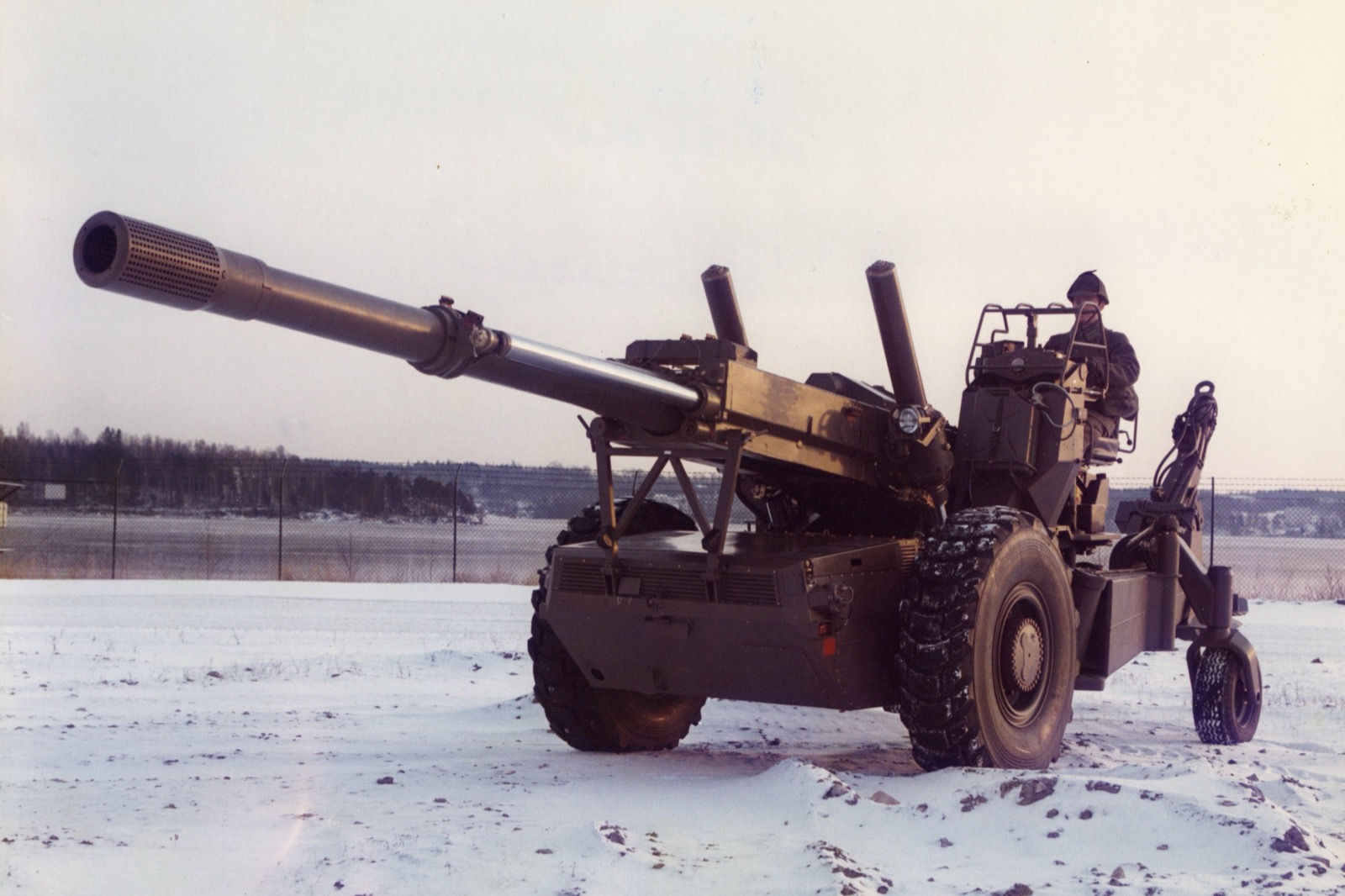
In March 1986, the Swedish arms manufacturer Bofors signed the contract of its life: a deal worth around 1.3 billion US dollars to supply 410 field howitzers to the army of India, beating its rivals for one of the largest defence orders of the decade. A little over a year later, in April 1987, Swedish public radio broadcast a revelation that would turn the triumph into one of the most consequential corruption scandals in the history of either country: to win the contract, Bofors had paid roughly 64 million dollars in secret commissions — bribes, in plain terms — funnelled through a web of front companies and secret Swiss bank accounts, in direct violation of India's rules forbidding middlemen and payoffs in defence deals. The question that consumed India for the next two decades was simple and explosive: who received the money? The investigation led through coded Swiss accounts to a circle of intermediaries, and above all to an Italian businessman, Ottavio Quattrocchi, who was personally close to the family of India's prime minister, Rajiv Gandhi. The scandal became a weapon in Indian politics, a symbol of corruption at the highest level, and a central reason Gandhi's government was swept from power in the 1989 election. Yet for all the decades of investigation that followed — across India, Sweden, and Switzerland — almost no one was ever convicted, the key suspect was never extradited, and the precise truth of who pocketed the bribes was never fully established in a court of law. This article sets out what is firmly known about the Bofors affair, what remains contested, and why a Swedish weapons deal became the scandal that would not die.
Thomas Quick and the Serial Killer Who Never Was
For most of two decades, Sweden believed it had produced its worst serial killer. Thomas Quick — the name a patient at the Säter secure psychiatric hospital had taken — confessed, from the early 1990s onward, to more than thirty murders across Scandinavia, a catalogue of horror stretching back decades. He described killing children and adults, led police on expeditions to remote forests to point out where bodies had lain, and was convicted, between 1994 and 2001, of eight of those murders in Swedish courts. He became a figure of national dread and fascination, the subject of headlines and books, the embodiment of evil. There was only one problem, and it was total: not a single one of the convictions rested on technical evidence. No DNA, no fingerprints, no murder weapon, no body found through his help that had not already been known — nothing tied him to any crime except his own confessions, produced in therapy. And in 2008, Thomas Quick fell silent, stopped the powerful drugs he had been taking for years, reverted to his real name, Sture Bergwall, and recanted everything. He had committed none of the murders. He had invented them all — and over the following years, every one of his eight convictions was overturned, leaving him exonerated and free. The Thomas Quick affair is the worst miscarriage of justice in modern Swedish history, and its horror is not that a system was fooled by a clever liar, but that therapists, memory experts, prosecutors, and courts actively helped a damaged man construct a serial killer out of nothing, and convicted him of murders that, in several cases, may have had no killer at all. This is the story of how that happened.
The Swedish Submarine Incidents and the Phantoms in the Archipelago
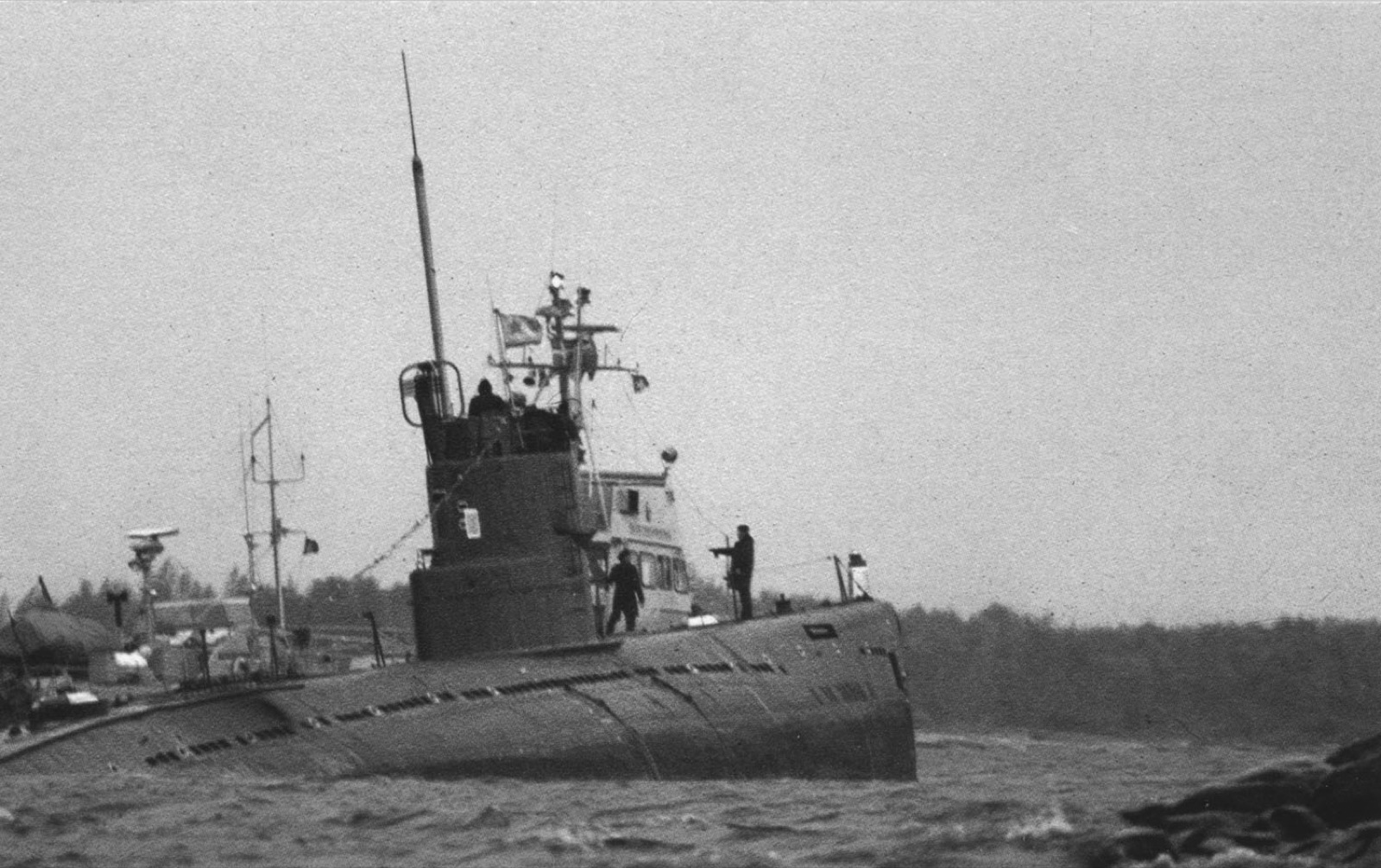
On the evening of 27 October 1981, fishermen near the Karlskrona naval base in southern Sweden saw something that should have been impossible: a Soviet submarine, hard aground on the rocks of Gåsefjärden, deep inside a restricted military zone barely ten kilometres from one of Sweden's most secret naval installations. The vessel was U 137, a Whiskey-class boat of the Soviet Baltic Fleet, and it had blundered far into Swedish territorial waters and stranded itself on a skerry. The Swedish press, with grim delight, called it 'Whiskey on the Rocks.' The incident was a genuine Cold War sensation — a foreign warship caught red-handed in neutral Sweden's most sensitive waters, suspected of carrying nuclear weapons — and it was, crucially, completely real and undeniable: the submarine was there, on the rocks, for the world to photograph. But U 137 was only the prologue. In the years that followed, the Swedish navy became convinced that foreign submarines were repeatedly violating Swedish waters, slipping into the archipelagos around Stockholm and elsewhere, and it launched hunt after hunt — dropping depth charges, sealing off bays, mobilising the fleet — to catch them. The government accused the Soviet Union; a national near-obsession took hold. And yet, across all those years and all those hunts, not a single intruding submarine was ever caught, surfaced, or conclusively identified. The evidence was fiercely disputed, some of the 'submarine sounds' were later attributed to such mundane sources as minks and herring, and decades later the unsettling possibility emerged that some of the intrusions Sweden blamed on Moscow may have been Western — NATO probes of Swedish resolve. This article separates what is certain — the very real U 137 — from what remains, forty years on, one of the strangest unresolved episodes of the Cold War.
The Sinking of MS Estonia and the Wreck Sweden Would Not Raise
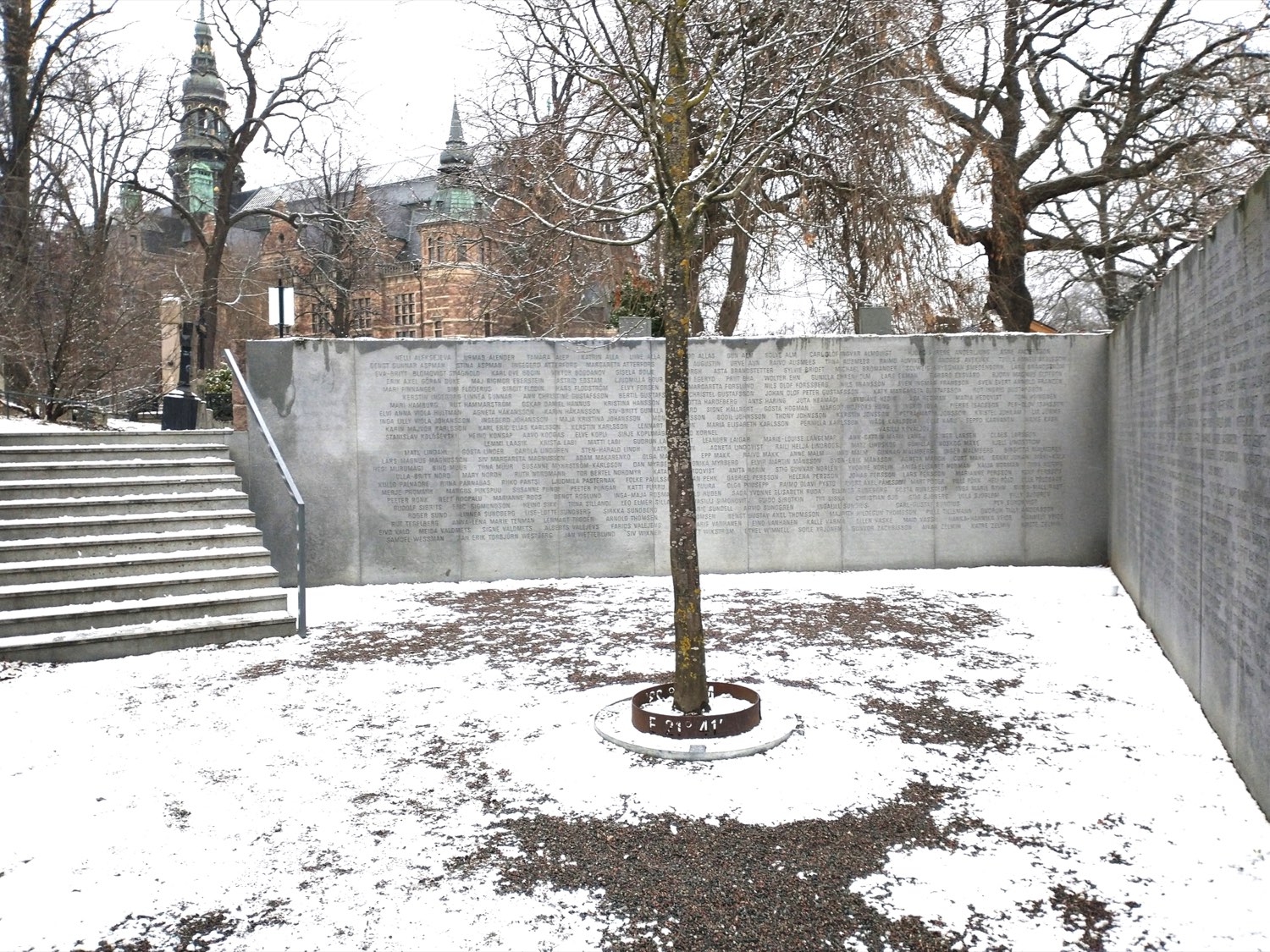
Shortly after one o'clock in the morning on 28 September 1994, the passenger ferry MS Estonia was midway across the Baltic Sea, sailing from Tallinn to Stockholm through a strong autumn gale, when the great clamshell visor at her bow — the hinged structure that lifted to let cars drive on and off — wrenched free of its locks under the pounding of the waves. As it fell away it dragged open the ramp behind it, and the sea poured onto the car deck. A ship like the Estonia could not survive water loose on that long, open deck: it sloshed to one side, the ferry took on a heavy list, and within minutes she was rolling over. From the first violent heel to the moment she vanished beneath the surface, perhaps fifty minutes passed — barely time for those near the upper decks to scramble out into the freezing water, and no time at all for the hundreds asleep in cabins below. Of the 989 people aboard, 852 died. It was the deadliest peacetime shipwreck in European waters of the twentieth century, and a wound that has never fully closed in Sweden, Estonia, and Finland, the three nations that lost the most. An official investigation concluded in 1997 that the visor's failure had doomed the ship. But what turned a catastrophe into an enduring controversy was what came after: Sweden's decision not to raise the bodies or the wreck, to leave the dead in the hull and seal it as a grave; the persistent theories of explosions and secret military cargo; and, in 2020, documentary footage of a large hole in the hull that forced the case to be reopened. This article sets out what happened that night, what is firmly established, and what remains genuinely contested.
The Macchiarini Scandal and the Surgeon Who Sold a Miracle
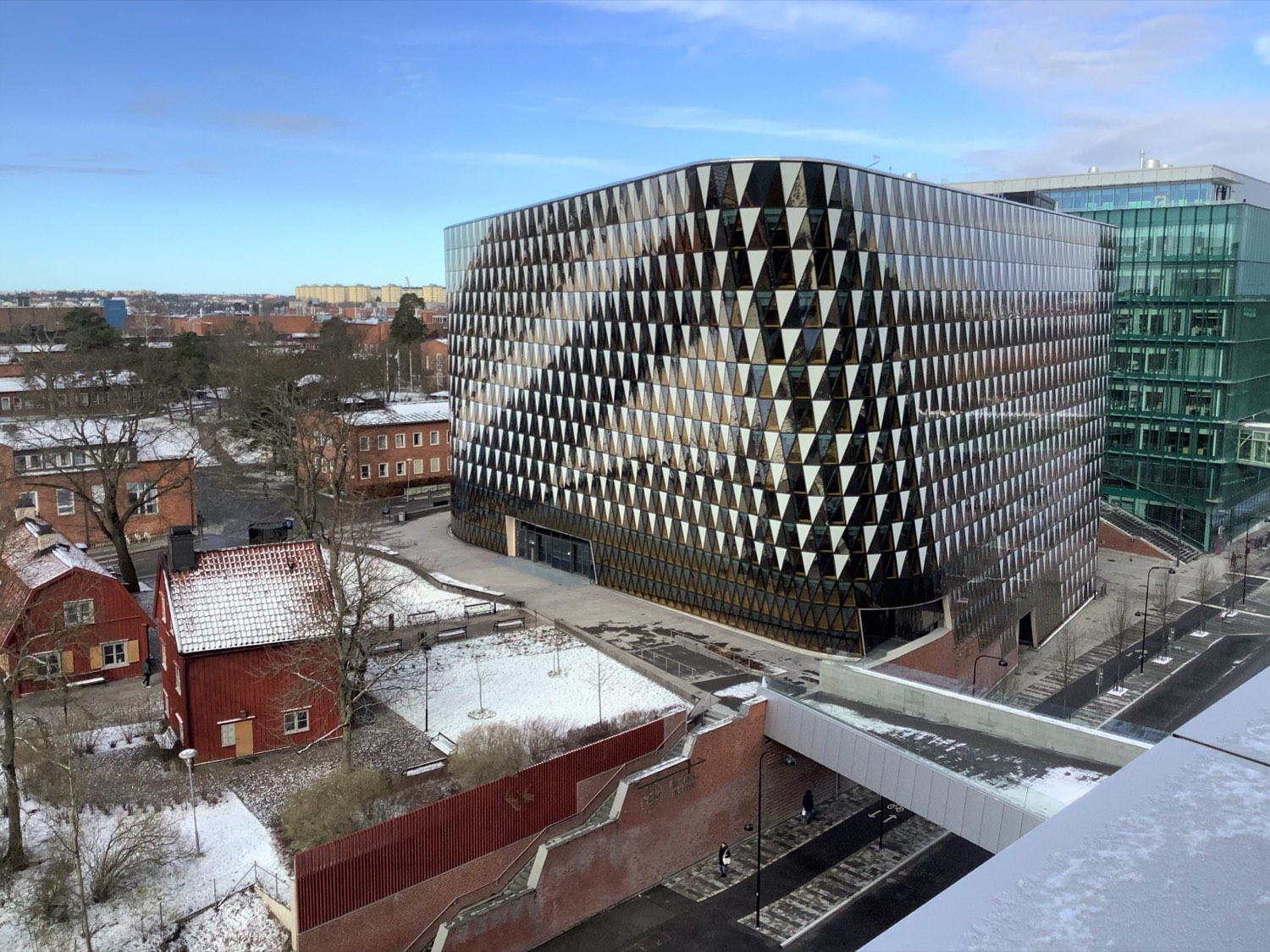
Paolo Macchiarini arrived at Sweden's Karolinska Institute in 2010 trailing the aura of a medical pioneer — a charismatic thoracic surgeon who claimed to be doing the seemingly impossible: building new windpipes for patients whose own were failing, by seeding a scaffold with the patient's own stem cells so the body would not reject it. The most audacious version used a synthetic trachea, a tube of plastic, soaked in a bath of stem cells and implanted where a human windpipe should be. It was presented as the dawn of regenerative medicine, published in the world's most prestigious journals, and celebrated by the Karolinska Institute — the body that awards the Nobel Prize in Medicine — as a triumph that might one day grow organs to order. The reality was a catastrophe. The synthetic tracheas did not become living tissue; they degraded, collapsed, and festered inside the patients, who suffered terribly. Of the handful of people who received Macchiarini's plastic windpipes, almost all died. When four senior doctors at Karolinska examined the cases and concluded that he had endangered patients and misrepresented his results, the institute's leadership did not stop him — it cleared him, and turned its machinery against the whistleblowers who had spoken up. It took an American magazine's exposé of Macchiarini's astonishing private life, and a Swedish television documentary, to finally break the story open in 2016. The unravelling cost the careers of university and hospital leaders, produced a landmark reckoning over research fraud, and ended, in 2023, with Macchiarini convicted of bodily harm. This is the story of how a celebrated institution came to protect a man who was killing his patients, and of the colleagues who paid for telling the truth.
The Vipeholm Experiments and the Toffee Made to Rot Teeth
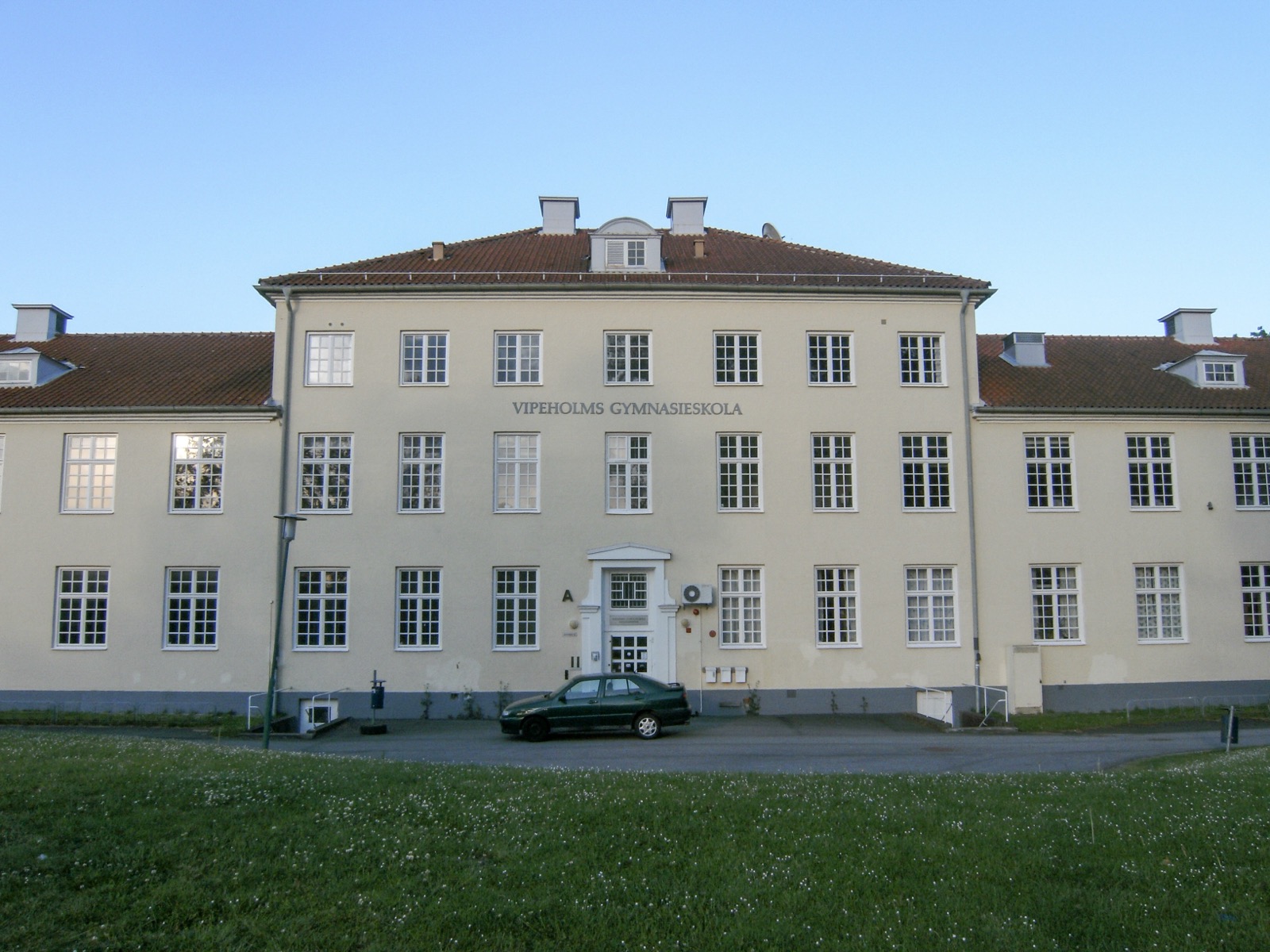
At the Vipeholm hospital outside Lund, in southern Sweden, the patients could not leave and could not consent. They were adults with severe intellectual disabilities, classified in the language of the time as 'uneducable,' housed for life in a state institution that controlled every meal they ate. And in the years after the Second World War, that total control made them, in the eyes of Sweden's medical authorities, the perfect material for an experiment. The country had one of the worst rates of tooth decay in the world, and the National Board of Health wanted to understand, definitively, what caused it. So between 1945 and the mid-1950s, researchers used the people of Vipeholm to find out — feeding different groups different diets, and, in the most notorious phase, giving some of them large quantities of a specially formulated sticky toffee, eaten between meals, that was engineered to cling to the teeth and bathe them in sugar for as long as possible. The patients' mouths were the laboratory. Many of them developed severe, irreversible cavities. The studies that resulted were a genuine scientific landmark: they established, more clearly than any work before, that it is sugar — and above all sugar eaten frequently and in sticky form — that drives tooth decay. That finding reshaped dentistry and gave Sweden its enduring tradition of lördagsgodis, sweets saved for Saturdays. But it was bought with the teeth of people who were never asked, and could not have answered. This is the story of what was done at Vipeholm, what it taught the world, and the question it leaves about the price of knowledge.

The Olof Palme Assassination
At 11:21 p.m. on Friday, February 28, 1986, the Prime Minister of Sweden, Olof Palme, was shot in the back at point-blank range on Sveavägen, Stockholm, while walking home from a cinema with his wife Lisbet. Lisbet Palme was grazed by a second shot. Olof Palme was 59 years old. He had been the Prime Minister of Sweden from 1969 to 1976 and again from 1982. He had no bodyguards that night. The killer ran east up Tunnelgatan and disappeared. He has never been positively identified. Sweden's Palme Commission and its successor police investigation ran for 34 years. On June 10, 2020, Chief Prosecutor Krister Petersson publicly named the most likely perpetrator — a Swedish graphic designer named Stig Engström, the so-called "Skandiamannen" — and simultaneously closed the case because Engström had died in 2000 and could not be tried. The 40-year-old investigation produced 22 binders of investigative material, dozens of failed theories, one wrongful conviction, and no court ruling. It is the largest unsolved political assassination in modern European history.
8 files · end of the line