Tag
#declassified
29 articles
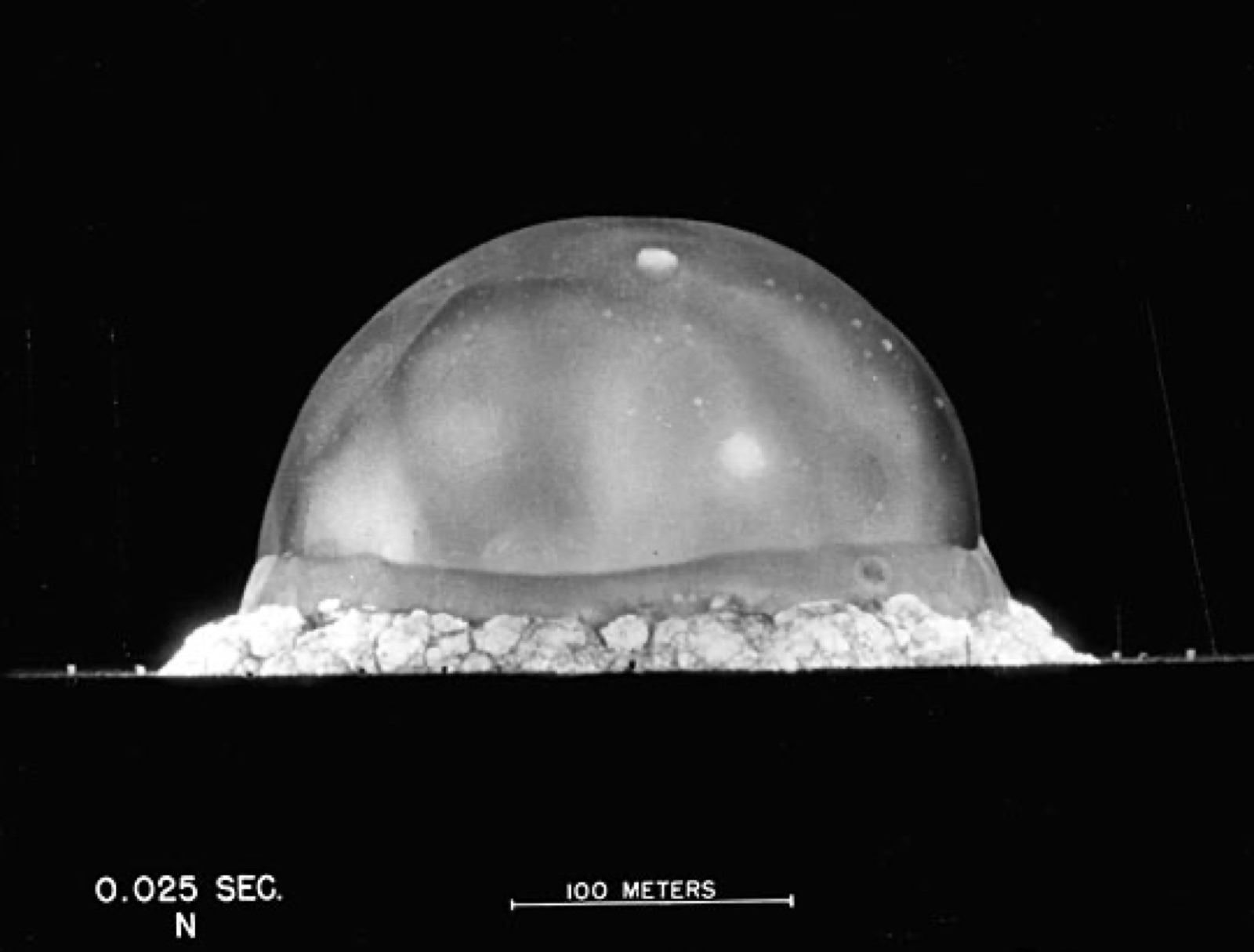
Kodak and the Trinity Test
In January 1946, X-ray film from Eastman Kodak began coming back damaged with unexplained spots. When the company's chemists finally traced the source, they were forced to confront the U.S. government. What they were given went further than anyone expected — and stayed secret for fifty years.
Lockerbie / Pan Am 103
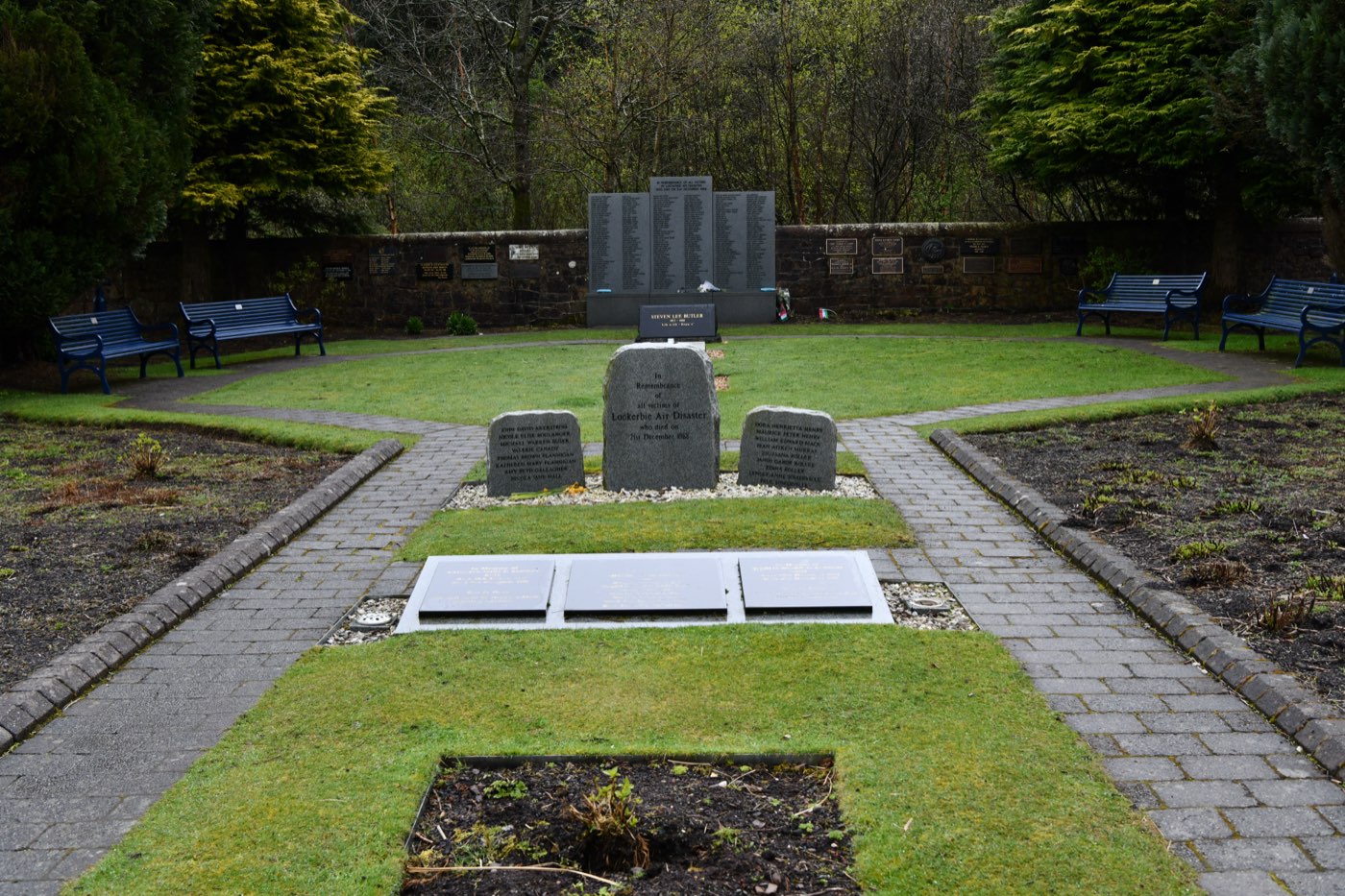
At 19:02:50 Greenwich Mean Time on Wednesday, December 21, 1988, Pan American World Airways Flight 103 — a Boeing 747-121 named *Clipper Maid of the Seas*, registration N739PA, on the daily transatlantic service from London Heathrow to New York's John F. Kennedy International Airport — was at flight level 310 (31,000 feet) and approximately 38 minutes into its scheduled 7-hour 50-minute flight when a 312-gram improvised explosive device detonated inside the forward cargo hold. The bomb had been concealed within a Toshiba RT-SF 16 BomBeat radio-cassette recorder packed inside a brown Samsonite hardshell suitcase. The aircraft broke up immediately. The forward fuselage section — including the cockpit — separated from the airframe and fell intact for approximately 90 seconds before impacting at Tundergarth, three miles east of the small Dumfriesshire market town of Lockerbie. The remaining airframe broke into thousands of pieces across an area subsequently mapped at 845 square miles. Of 243 passengers and 16 crew aboard, all died. On the ground in Lockerbie, 11 residents of Sherwood Crescent were killed when the centre-wing fuel tanks impacted at the southwestern edge of the town. Total deaths: 270 — the highest single-incident terrorist casualty figure on British soil in the 20th century. The investigation that followed has had two principal evidential phases. The first phase (December 1988 – November 1990) focused on the Popular Front for the Liberation of Palestine – General Command (PFLP-GC), a Syrian-sponsored Palestinian faction. The second phase (from November 1990) re-directed the investigation toward Libya and produced the November 1991 U.S. and U.K. indictments of two Libyan Arab Airlines employees: Abdelbaset al-Megrahi and Lamin Khalifa Fhimah. The temporal coincidence between the investigative shift and the Gulf War coalition-building of late 1990 (which brought Syria into alignment with the United States) has been the subject of subsequent academic and journalistic debate. The Camp Zeist trial of 2000-2001 — held under Scottish law in a Dutch facility designated as Scottish soil for the trial — convicted Megrahi (January 31, 2001) and acquitted Fhimah. Megrahi was released by the Scottish Government on compassionate grounds (terminal prostate cancer) on August 20, 2009, after serving 8 years 6 months of his life sentence; he died in Tripoli on May 20, 2012. A second Libyan defendant — Abu Agila Mohammad Mas'ud Kheir Al-Marimi, identified as the bombmaker — was extradited to the United States from Libya in December 2022 and is currently awaiting trial in the District of Columbia. The case is formally closed in legal terms; substantive aspects of the evidence — including the identification of the timer fragment that linked Megrahi to the bomb — remain disputed in independent forensic reviews.
My Lai Massacre
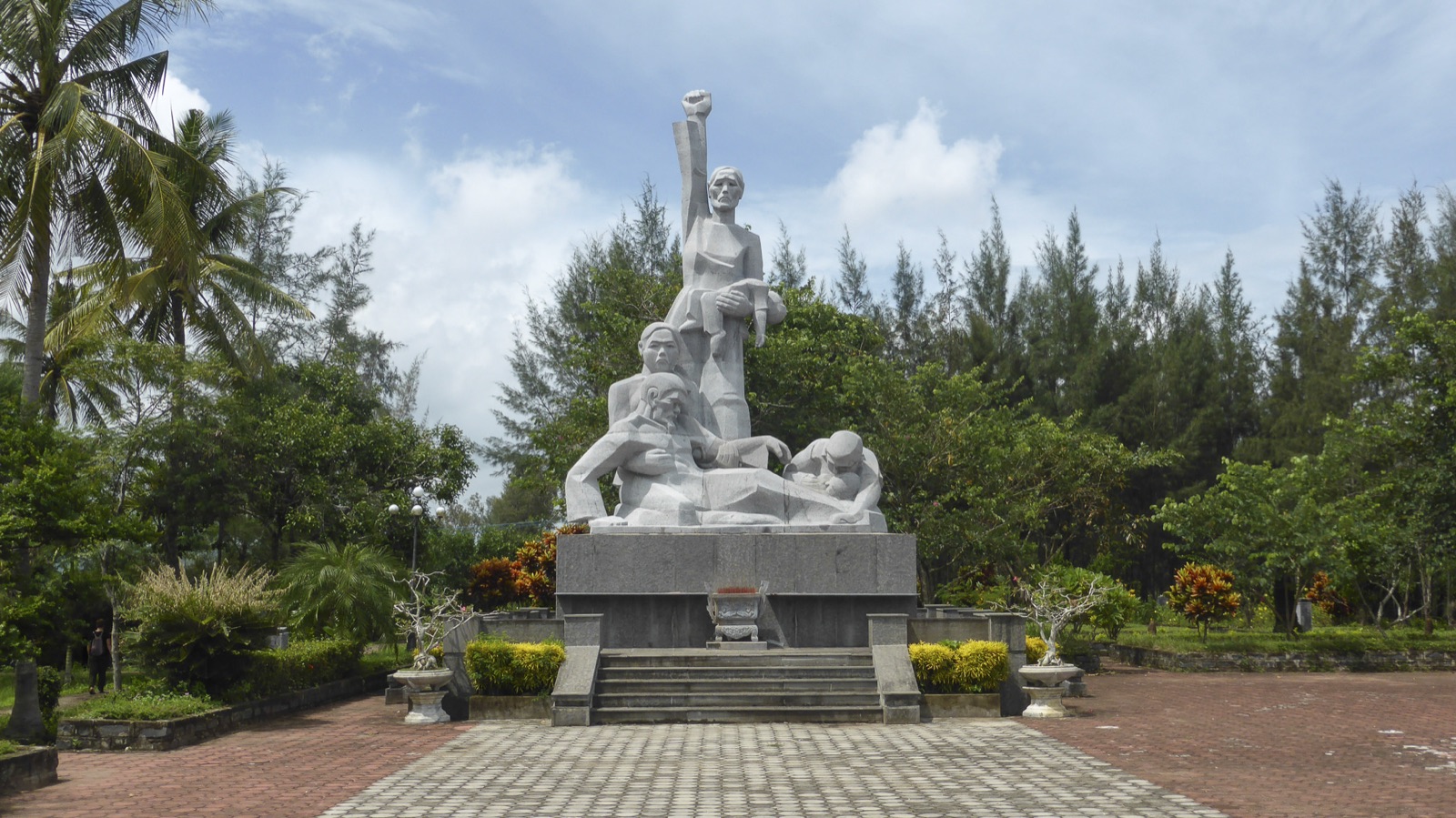
On Saturday morning, March 16, 1968 — five months after the Tet Offensive had upended the U.S. military's narrative of the Vietnam War, six weeks after Walter Cronkite's CBS Evening News commentary that the war was "mired in stalemate," and forty-eight days after President Lyndon Johnson would announce on March 31 that he would not seek re-election — Charlie Company of the 1st Battalion, 20th Infantry, 11th Light Infantry Brigade, Americal Division, was inserted by helicopter into the rice-paddy farmland surrounding the hamlets of Sơn Mỹ village, Quảng Ngãi Province, central Vietnam. The company's commanding officer was Captain Ernest Medina; the 1st Platoon was led by 2nd Lieutenant William Laws Calley Jr. The operation's mission, as briefed the previous evening, was to engage and destroy the 48th Local Force Battalion of the Việt Cộng, which Army intelligence had assessed was using Sơn Mỹ as a base. The 48th Battalion was not in the hamlets that morning. The hamlets were occupied by approximately 700 civilians — predominantly women, children under 16, and adults over 60. Between approximately 7:30 a.m. and 11:30 a.m. local time, Charlie Company killed an estimated 504 of them. The company sustained one casualty: one U.S. soldier shot himself in the foot — an act subsequently classified as self-inflicted. No enemy combatants were killed. No weapons were recovered. The killings were halted by the intervention of three Army aviation crew members — Warrant Officer Hugh Thompson Jr., his door gunner Specialist Lawrence Colburn, and his crew chief Specialist Glenn Andreotta — flying overhead in an OH-23 Raven observation helicopter, who landed and threatened to direct their guns on Charlie Company personnel to enforce protection of approximately 11 surviving Vietnamese civilians whom they evacuated. The Army's after-action report, filed March 18, 1968, characterized the operation as a successful engagement of the 48th Battalion with 128 enemy killed. The actual events did not enter public knowledge for twenty months: until November 12, 1969, when freelance journalist Seymour Hersh, working from a tip provided by 23-year-old former Army specialist Ron Ridenhour — who had not been at Sơn Mỹ but had heard the accounts from members of Charlie Company at later postings — published the first comprehensive account through Dispatch News Service. Of 26 personnel ultimately charged with criminal offenses in connection with the events of March 16, 1968, exactly one was convicted: Lieutenant Calley, found guilty in March 1971 of the murder of 22 civilians. President Nixon transferred Calley to house arrest within 24 hours of the conviction. Calley served approximately 3.5 years of house arrest before being released on parole in November 1974. He was the only person ever to serve any term of confinement for what the U.S. military's own subsequent inquiry — the Peers Commission of 1969-1970 — characterized as the killing of "a large number of noncombatants."
The Bay of Pigs
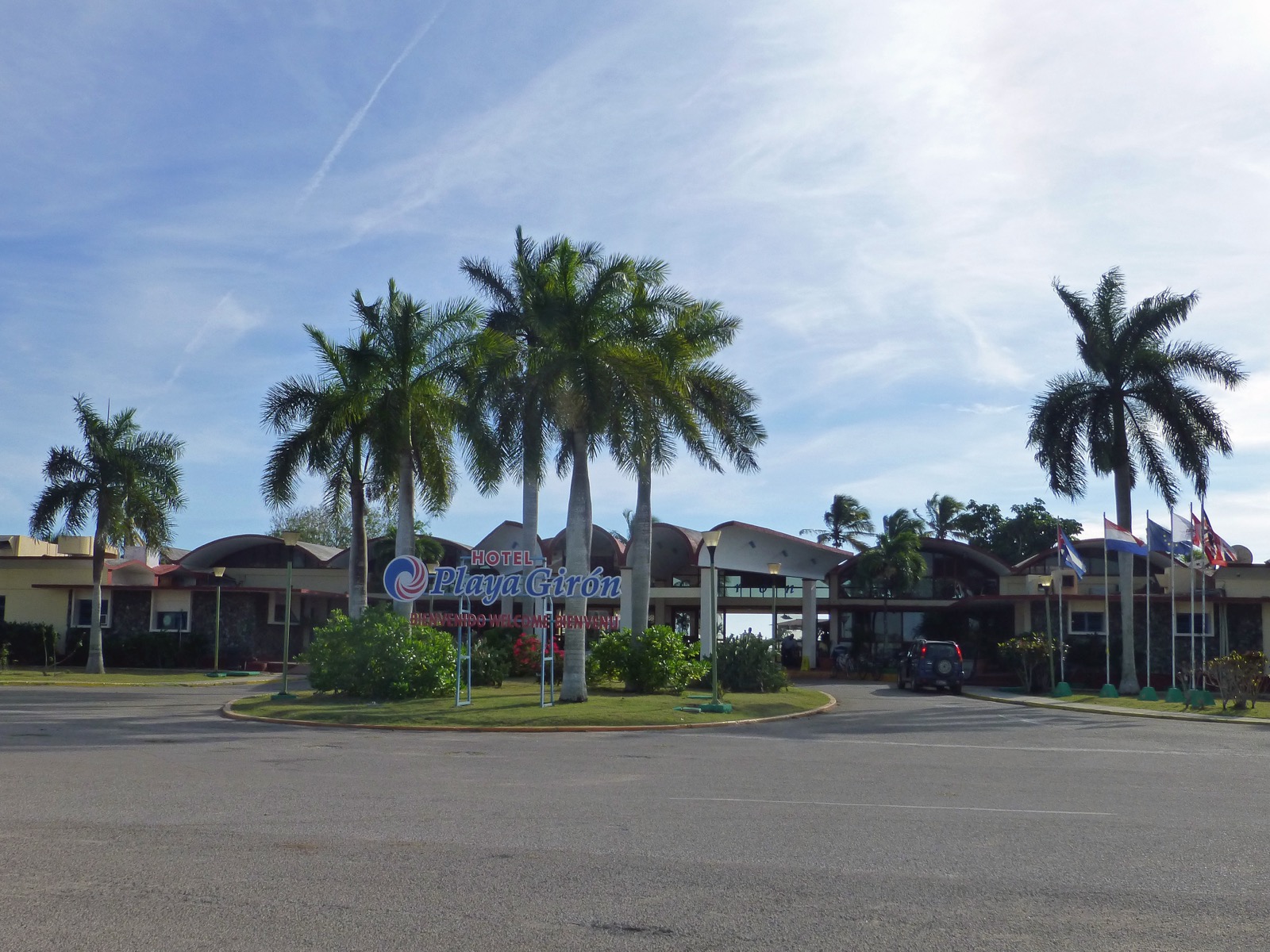
On the night of Sunday, April 16, 1961, approximately 1,400 Cuban exiles trained by the United States Central Intelligence Agency embarked from a staging port at Puerto Cabezas on Nicaragua's Mosquito Coast aboard chartered freighters of the García Line. They were Brigade 2506 — the operational unit codename derived from the serial number of the brigade's first combat fatality during the Guatemalan training phase. Their objective: an amphibious landing on the southern coast of Cuba at Bahía de Cochinos — the Bay of Pigs — followed by the establishment of a beachhead from which a provisional Cuban government-in-exile would be declared, internal opposition to Fidel Castro's two-and-a-half-year-old revolutionary government would be encouraged, and conventional U.S. military intervention could, if events warranted, be requested under cover of a civil war already in progress. The plan had been developed under the Eisenhower administration from March 1960; the operational variant executed in April 1961 had been authorized by President John F. Kennedy, in office for 87 days, on April 4 and again on April 16. The operation was, in its own operational terms, a comprehensive failure: the air strikes on Cuban airfields scheduled for the morning of April 15 destroyed only a fraction of Castro's air force; the landings on April 17 met immediate, sustained, and well-organized resistance; the second wave of U.S. air support was cancelled by Kennedy on April 16-17; the brigade was overrun at the beach within 72 hours. Brigade casualties: 114 killed, 1,189 captured. The captured personnel were held in Cuba until December 1962 when they were exchanged for approximately $53 million in U.S.-supplied food and medicine. Within weeks of the operation, Kennedy had requested the resignations of CIA Director Allen Dulles, CIA Deputy Director Charles Cabell, and Deputy Director for Plans Richard Bissell. Within eighteen months, the Soviet decision to install medium-range nuclear missiles on Cuban territory — a decision Nikita Khrushchev later attributed in part to the demonstration of U.S. willingness to attempt military overthrow — had brought the United States and the Soviet Union to within hours of nuclear exchange. The Bay of Pigs is the foundational documented operational failure of the U.S. intelligence community and the immediate institutional precursor to the Cuban Missile Crisis.
The Stasi Archives
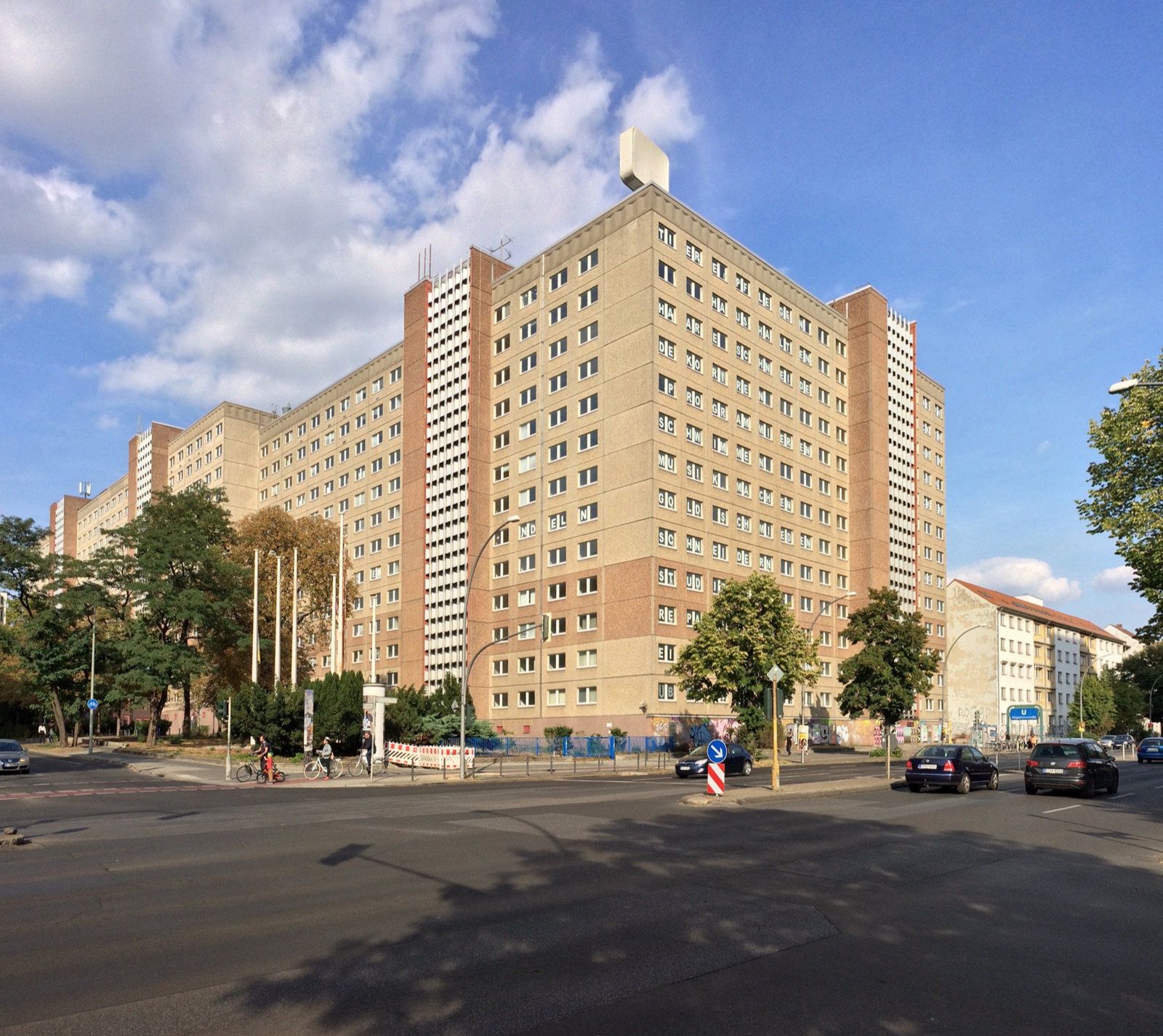
On the evening of Monday, January 15, 1990 — eight weeks after the Berlin Wall opened and four weeks after the Round Table had begun negotiating East Germany's transition — approximately five thousand demonstrators forced their way through the iron gates of the Ministry for State Security headquarters on Normannenstraße in the East Berlin district of Lichtenberg. The Bürgerkomitee 15. Januar (Citizens' Committee of 15 January) had organized the breach in response to evidence that Stasi officers had spent the prior weeks systematically shredding operational files. Inside the headquarters — a complex of 22 connected buildings housing approximately 7,000 of the Ministry's central-office personnel — the demonstrators found Stasi staff still at desks. The shredding stopped that night. Over the following 24 months, the East German interim government, the post-reunification Bundestag, and the citizen committees of fourteen East German cities preserved what would become the most extensive corpus of state-surveillance operational records in modern human history: approximately 111 kilometers of paper files in the central Berlin archive, approximately 47 kilometers in regional offices, 1.7 million photographs, 30,000 video and audio tapes, 15,500 bags of pre-shredded fragments awaiting reconstruction, and the operational, biographical, and personal-network files of an estimated 5.6 million individuals. The Stasi-Unterlagen-Gesetz (Stasi Records Act) of December 20, 1991 established the Federal Commissioner for the Records of the State Security Service (BStU), with East German pastor and civil-rights activist Joachim Gauck as its founding director. The Records Act authorized any individual to request their personal Stasi file. By the end of 2024, the BStU had processed approximately 7.4 million such requests. The aggregate human record of what those requesters read — who had informed on them, what had been documented, what had been done in consequence — constitutes the most comprehensive case study of institutional state surveillance against a domestic civilian population that the historical record contains.
Epstein Didn't Kill Himself
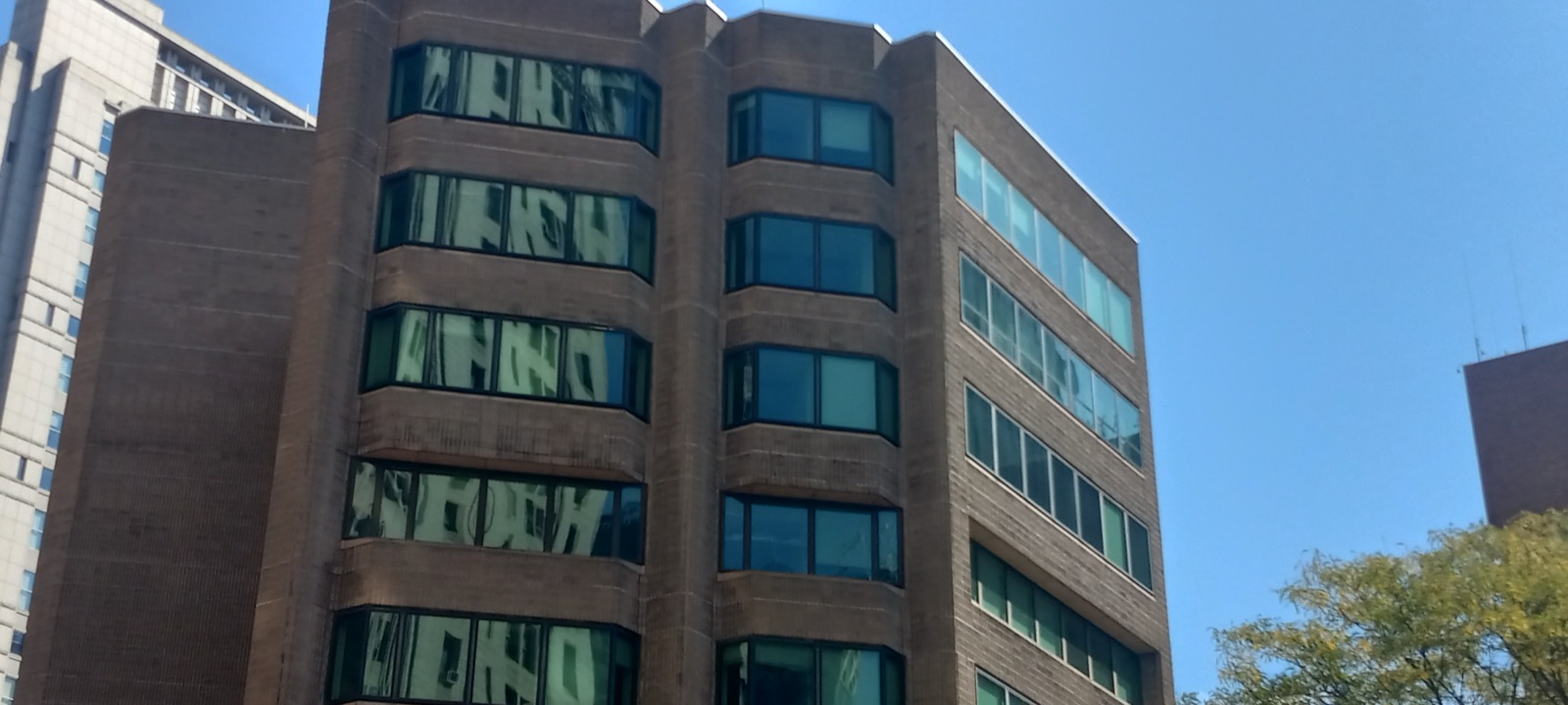
At approximately 6:30 a.m. on Saturday, August 10, 2019, Jeffrey Epstein was found unresponsive in his Special Housing Unit cell at the Metropolitan Correctional Center in lower Manhattan. He was 66 years old, one month into pretrial federal detention on sex-trafficking charges that carried a maximum sentence of 45 years. The Federal Bureau of Prisons announced his death by suicide. The New York City Office of the Chief Medical Examiner, after a five-day review including consultation with Dr. Michael Baden — the prominent independent forensic pathologist retained by Epstein's brother to observe the autopsy — issued a final determination of suicide by hanging. Baden publicly dissented, stating that the pattern of hyoid and thyroid cartilage fractures Epstein exhibited was, in his decades of homicide-investigation experience, more consistent with strangulation than with hanging. The two corrections officers assigned to monitor Epstein on the night of August 9-10 — Tova Noel and Michael Thomas — were subsequently charged with falsifying official records: they had certified mandatory 30-minute observation rounds they had not performed. Both had been awake on personal-shopping websites; both had slept; neither had checked Epstein's cell for approximately three hours. The cell-block surveillance cameras outside Epstein's cell had malfunctioned during the relevant window. The cell itself was not monitored. The phrase 'Epstein didn't kill himself' entered American public discourse within 72 hours of the announcement and has not left it. The federal forensic record concludes suicide. The public conviction, across the U.S. political spectrum, remains substantially otherwise.
Operation Condor
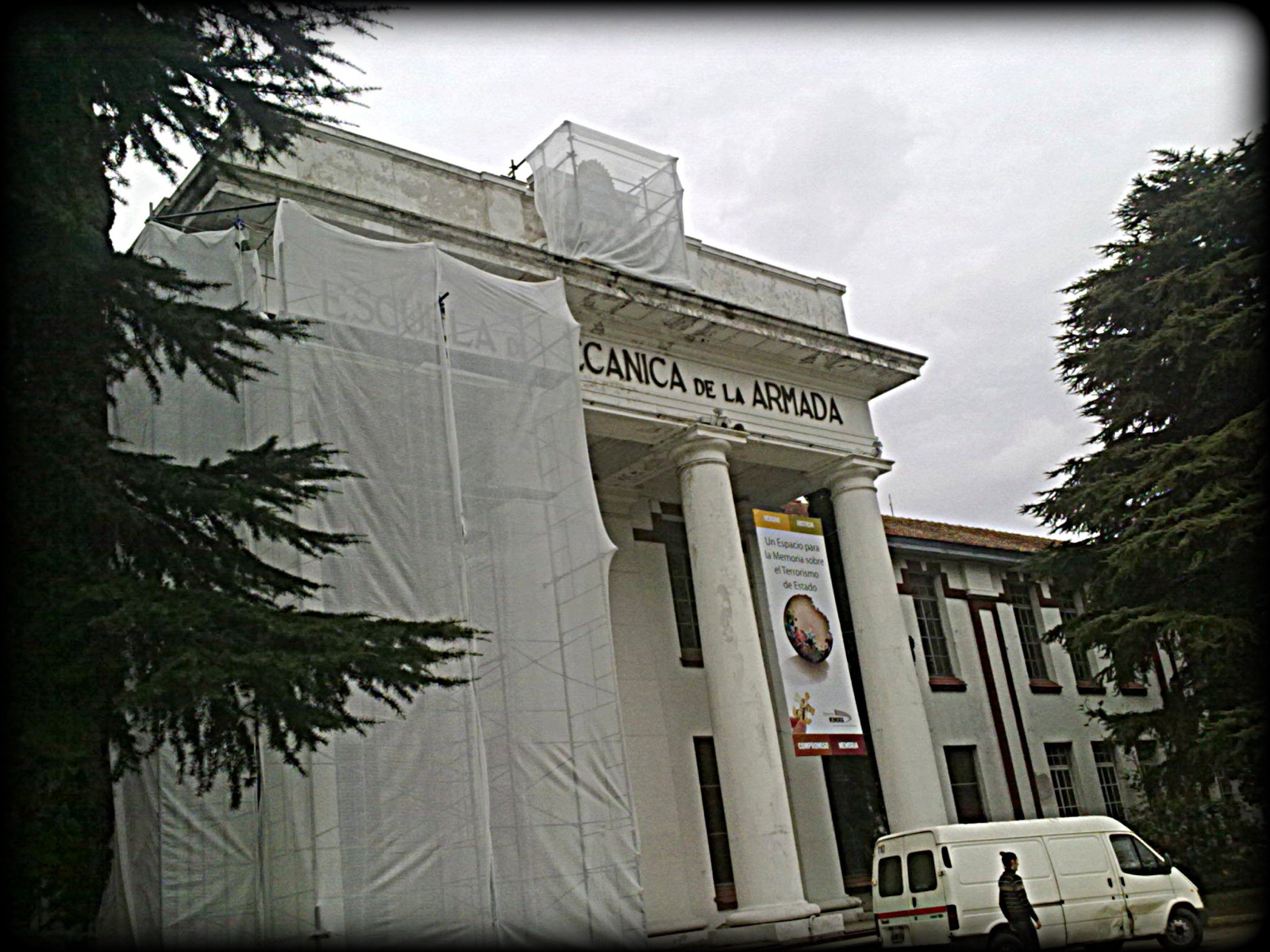
On November 25, 1975, in the headquarters of Chile's National Intelligence Directorate (DINA) in Santiago, the intelligence chiefs of six South American military dictatorships — Argentina, Bolivia, Brazil, Chile, Paraguay, and Uruguay — signed the founding charter of what they named *Operación Cóndor*. The agreement was sponsored by DINA's director, Colonel Manuel Contreras, with the formal cooperation of his counterparts in the participating regimes. Operation Condor was a clandestine cross-border intelligence-sharing and counter-insurgency apparatus designed to identify, locate, surveil, abduct, interrogate, and — where the participating regimes determined it warranted — assassinate political opponents of any of the member governments, anywhere they could be reached. The operation conducted hundreds of cross-border abductions, was directly responsible for several thousand documented disappearances within the participating countries, and carried out at least three documented international assassinations: General Carlos Prats in Buenos Aires on September 30, 1974 (in the pre-charter operational period); the attempted assassination of Bernardo Leighton and his wife in Rome on October 6, 1975; and the September 21, 1976 car-bomb killing of former Chilean Foreign Minister Orlando Letelier and his American assistant Ronni Moffitt at Sheridan Circle, two miles from the White House. The United States Department of State, under Secretary Henry Kissinger, was briefed on Condor's existence and capabilities; the Central Intelligence Agency provided communications infrastructure (a continental cryptocommunications system known as 'Condortel') in 1976. The full organizational structure was unknown to the public until December 1992, when Paraguayan dissident lawyer Martín Almada and a Paraguayan judge located 60,000 pages of operational records — the 'Archives of Terror' — in a police facility in a Lambaré suburb of Asunción. The Argentine 'Mega-Causa Plan Cóndor' trial concluded in May 2016 with the conviction of 15 senior officers including former Argentine President Reynaldo Bignone. The Italian Court of Cassation issued final convictions in absentia of 24 South American officers in 2019. The case is closed in legal terms; it is the most operationally-documented multinational state-sponsored political-murder program of the late 20th century.
The Pentagon UAP Report
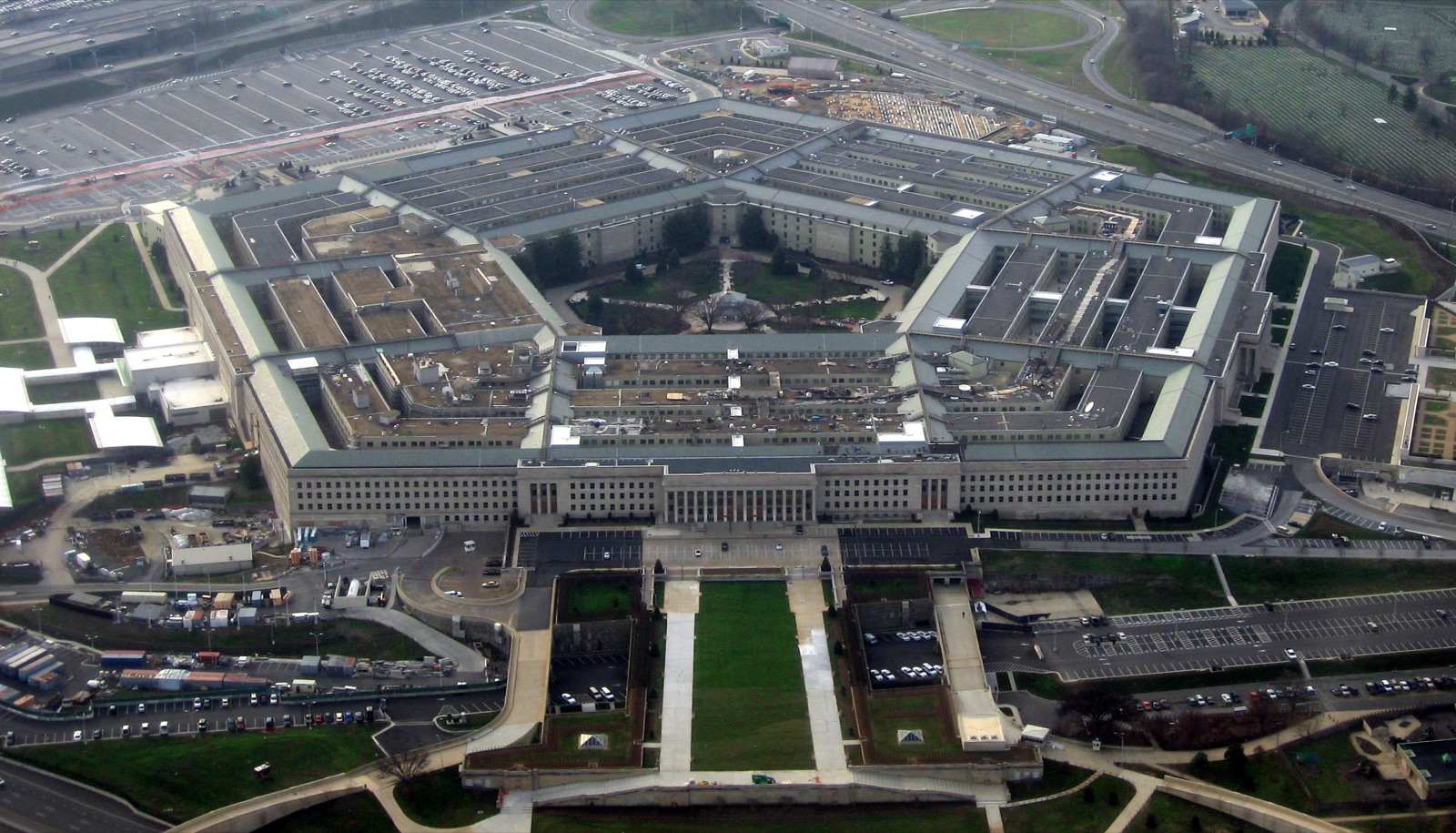
On December 16, 2017, *The New York Times* published a front-page article disclosing that a small, classified program inside the Pentagon — formally the Advanced Aerospace Threat Identification Program, informally AATIP — had been studying military encounters with Unidentified Aerial Phenomena since 2007. The article was accompanied by previously-classified U.S. Navy gun-camera footage of an oval-shaped object filmed off the coast of San Diego by an F/A-18F Super Hornet of the USS Nimitz Carrier Strike Group in November 2004 — the so-called 'Tic-Tac' footage. Over the following seven years, the U.S. Department of Defense has progressively renamed its UAP investigation office (AATIP → UAPTF → AOIMSG → AARO), held three Congressional hearings on UAP, issued one Office of the Director of National Intelligence preliminary report (June 2021), one All-domain Anomaly Resolution Office Historical Record Report Volume I (March 2024), and received Senator Chuck Schumer's UAP Disclosure Act amendment to the 2024 National Defense Authorization Act in substantially diluted form. In July 2023 a former Air Force intelligence officer, David Grusch, testified under oath to the House Oversight Subcommittee on National Security that the U.S. government holds 'non-human biologics' recovered from crashed craft — testimony the Pentagon has denied. The substantive evidentiary picture has not changed since 2017. What has changed is what governments are willing to say in public about it. The case file is open.
The JFK Assassination
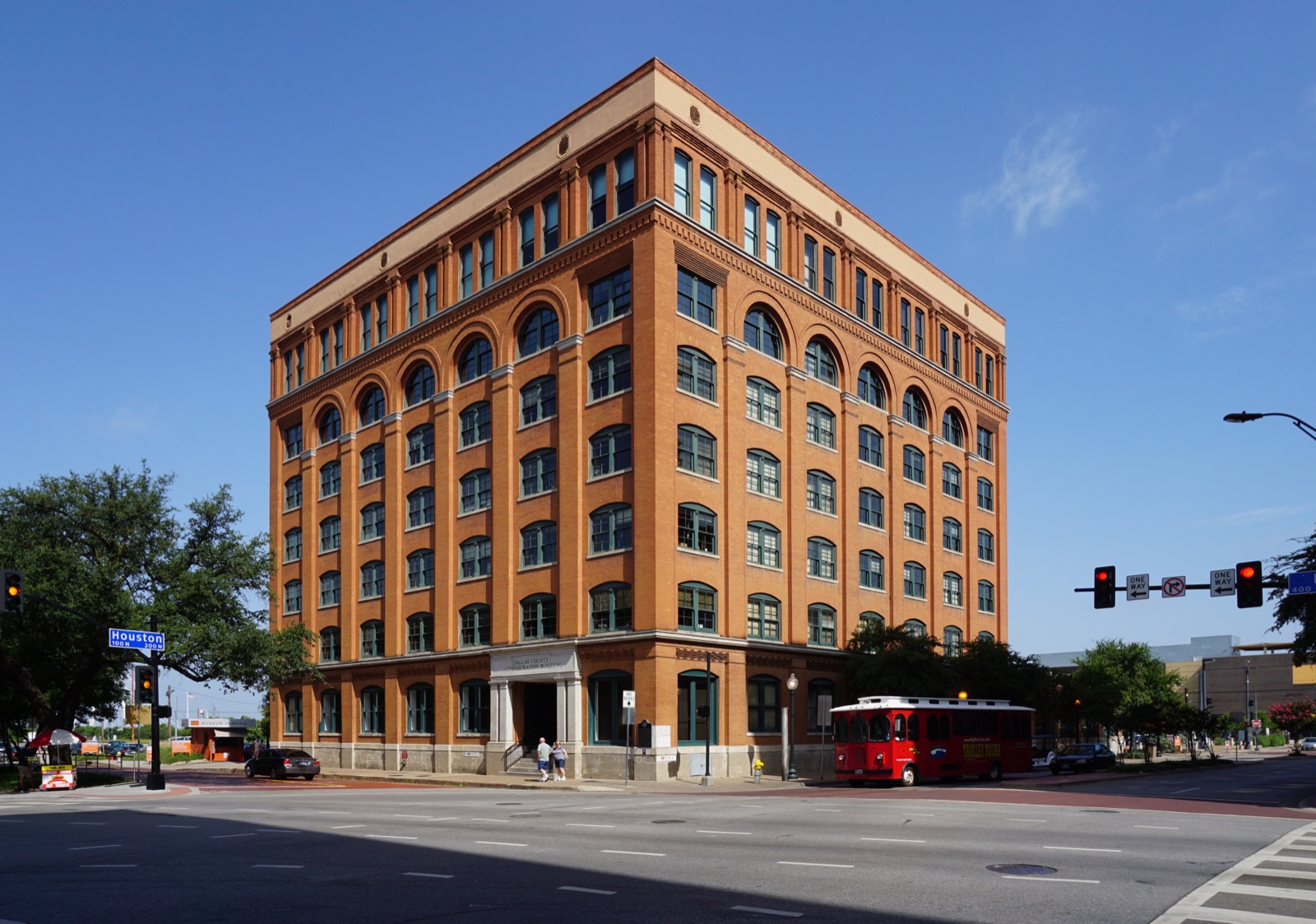
At 12:30 p.m. local time on Friday, November 22, 1963, three rifle shots were fired at the presidential motorcade as it traveled through Dealey Plaza in downtown Dallas. The 35th President of the United States, John Fitzgerald Kennedy, was struck twice — first through the neck and then in the head. He was pronounced dead at Parkland Memorial Hospital at 1:00 p.m. The man arrested for the killing — Lee Harvey Oswald, a 24-year-old former U.S. Marine who had defected to the Soviet Union in 1959 and returned to the United States with his Russian wife in 1962 — was shot to death two days later, on November 24, in the basement of the Dallas Police Department by Jack Ruby, a Dallas nightclub owner with documented organized-crime connections. Oswald was never tried. The Warren Commission, appointed by President Lyndon Johnson on November 29, 1963, concluded in its September 1964 report that Oswald had acted alone. The 1976-1979 House Select Committee on Assassinations concluded that Oswald had assassinated Kennedy but that 'a conspiracy was probable' based on disputed acoustic evidence. Approximately 5 million pages of classified material related to the case have been declassified in waves since the 1992 JFK Records Act — most recently in major batches in October 2017, November 2017, April 2018, December 2022, and June 2023. The final tranche under Trump's second presidency was released March 18, 2025. The declassifications have confirmed extensive operational CIA activity connected to Oswald's pre-assassination movements but have not produced documentary evidence of a second shooter or of senior-level U.S. government involvement. The case remains the foundational American conspiracy story and the principal modern example of how partially-declassified state files can sustain — rather than resolve — public doubt.
Tiananmen Square 1989
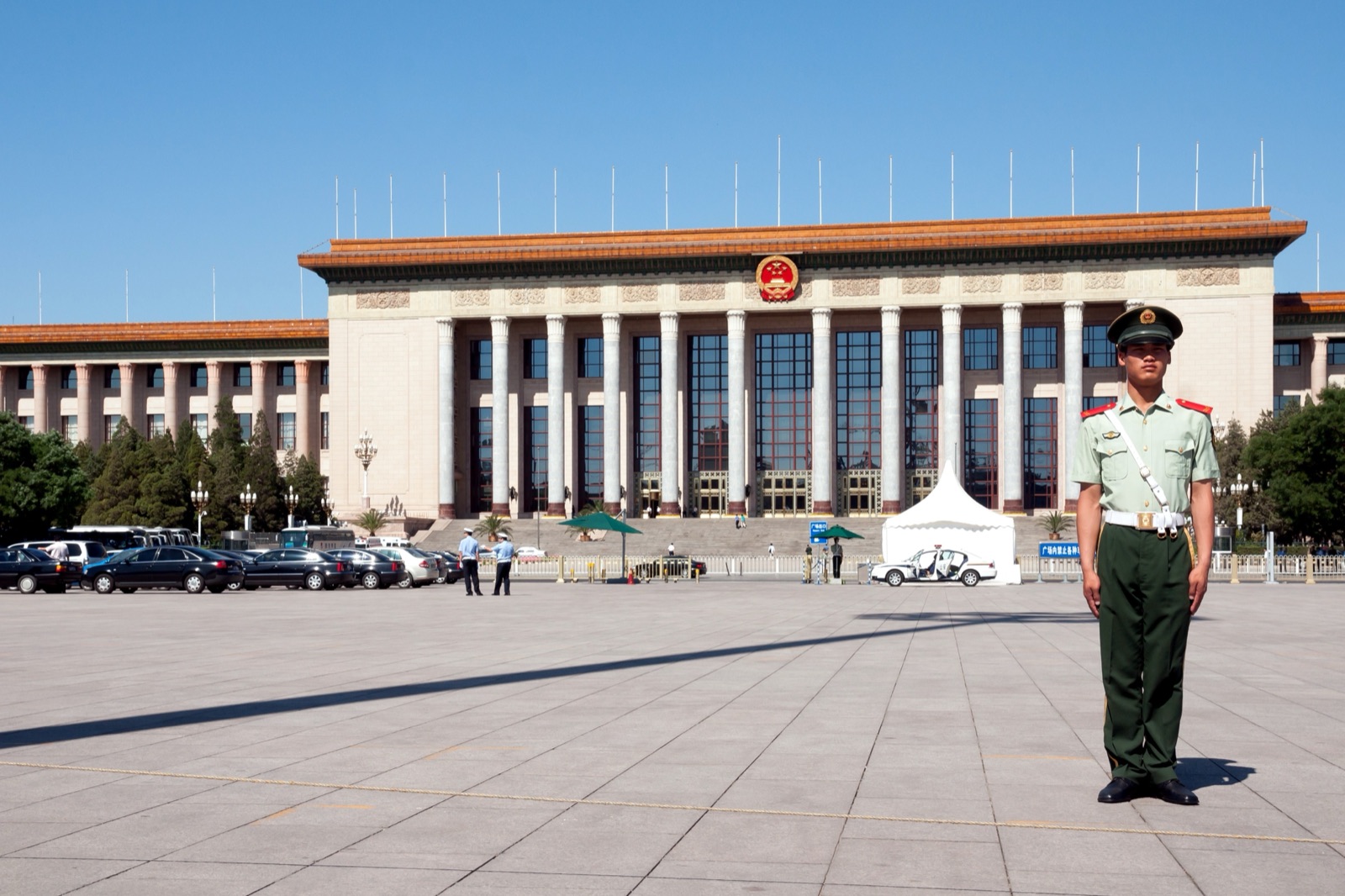
Between April 15 and June 4, 1989, the Chinese Communist Party faced its most serious internal political challenge since the founding of the People's Republic in 1949. What began as a student memorial for the deceased reformist Party Secretary Hu Yaobang on April 15 evolved within weeks into a nation-wide pro-democracy movement: hundreds of thousands of student demonstrators occupied Tiananmen Square in Beijing, factory workers organized autonomous unions outside the Party structure, hunger strikes drew international press attention, and the Party leadership itself split publicly between reformist General Secretary Zhao Ziyang and the hardline majority centered on paramount leader Deng Xiaoping. Martial law was declared on May 20. On the night of June 3-4, 1989, units of the People's Liberation Army's 27th and 38th Armies cleared the square. The official Chinese death toll was 200-300, all civilians. Western estimates ranged from 1,000 to 2,600. The British ambassador Sir Alan Donald's June 5 cable to London — declassified in October 2017 — placed the toll at 10,454 dead. On June 5, an unidentified man stepped in front of a column of armored vehicles on Chang'an Avenue. The photograph and video — captured by four foreign journalists from different angles — became the most-circulated image of late-20th-century resistance. The man's identity has never been publicly established. The Chinese state has, since 1989, conducted one of the most sustained information-control operations in modern history to remove the events from Chinese public consciousness.
Indonesia 1965
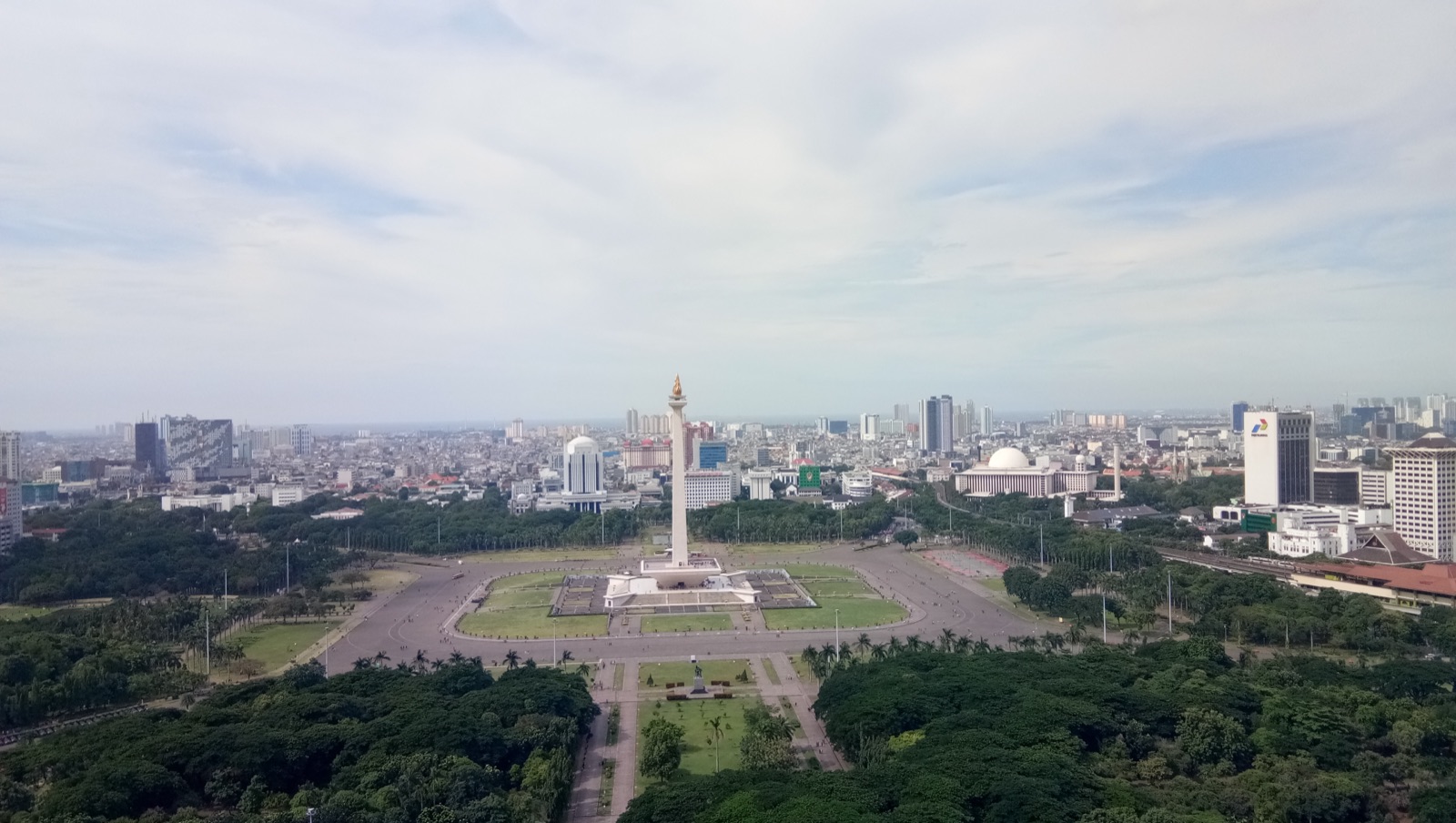
Between October 1965 and March 1966, the Indonesian Army and its civilian and religious militia allies killed between 500,000 and 1 million people. The targets were members and suspected sympathizers of the Indonesian Communist Party (PKI) — at the time, the third-largest communist party in the world after the Soviet and Chinese parties, with approximately 3 million card-carrying members. The killings began in the aftermath of a failed coup attempt on the night of September 30 to October 1, 1965, in which six senior Army generals were murdered. The Army, under General Suharto, blamed the PKI. Within ten days, anti-communist purges had begun across Java; within six months they had spread to Bali, Sumatra, and other islands. The U.S. Embassy in Jakarta — under Ambassador Marshall Green — supplied the Indonesian Army with lists of suspected PKI members. The U.S. State Department declassified approximately 30,000 pages of embassy cables and CIA briefings in October 2017, confirming the operational support pattern that historians had documented from other sources since the 1990s. President Sukarno was forced from power; Suharto formally became President in March 1968. Suharto's 'New Order' regime ruled Indonesia until 1998. The 1965-66 killings were never formally investigated by the Indonesian state. The 2012 documentary *The Act of Killing* (Joshua Oppenheimer) and its 2014 companion *The Look of Silence* brought the killings into international consciousness through interviews with the surviving perpetrators.
The Assassination of Patrice Lumumba
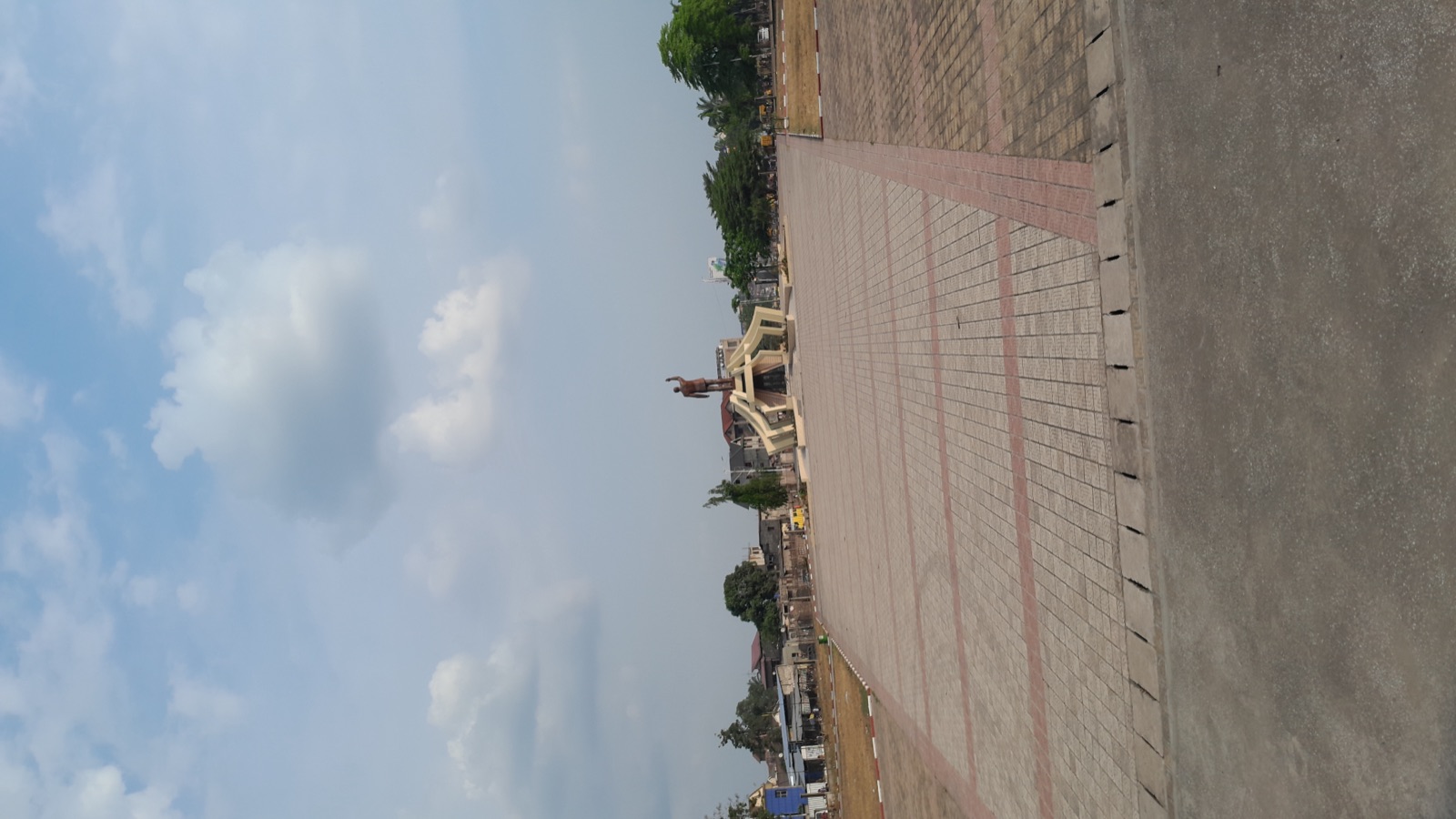
At approximately 9:43 p.m. on Tuesday, January 17, 1961, the first Prime Minister of the newly independent Democratic Republic of the Congo, Patrice Émery Lumumba, was shot to death by a Belgian-supervised firing squad in a forest clearing outside Élisabethville (now Lubumbashi) in the secessionist Katanga province. He was 35 years old. He had been in office for less than three months before being deposed by a Belgian-and-American-supported coup, held in extralegal detention for two months, transferred to his political enemies on January 17 under explicit Belgian escort, and killed within hours of arrival. The U.S. Central Intelligence Agency had a parallel plan to poison him with a tube of doctored toothpaste; the CIA plan did not need to be activated because the Belgian-Katangan operation succeeded first. The Belgian government formally acknowledged its 'moral responsibility' in 2002 after a Belgian parliamentary inquiry. The Belgian state returned Lumumba's recovered tooth — the only physical remain that had not been dissolved in acid by his Belgian guards — to his family in Brussels on June 20, 2022, in a formal ceremony attended by Belgian Prime Minister Alexander De Croo. King Philippe of Belgium had earlier, in June 2020, issued the first formal Belgian royal expression of regret for the colonial period. The Congolese state has yet to conduct a comprehensive investigation.