Category
Assassinations & Disappearances
JFK, Palme, Diana, MH370. The cases we cannot put down.
20 articles

The Death of Bruce Lee: The Dragon's Sudden End
On the evening of 20 July 1973, Bruce Lee — the martial artist, actor, and philosopher who had done more than anyone to bring kung fu to the world, and who stood on the very threshold of global superstardom — lay down in a Hong Kong apartment with a headache and never woke up. He was thirty-two years old, extraordinarily fit, and weeks away from the release of Enter the Dragon, the film that would make him an immortal icon. His sudden death at the height of his powers stunned the world and seemed, to many, impossible: how could a man who embodied physical perfection simply die of a headache? A coroner's inquest concluded that he had died of a swelling of the brain — cerebral oedema — most likely triggered by a reaction to a common painkiller, and returned a verdict of 'death by misadventure.' But that clinical answer has never satisfied everyone, and in the vacuum of certainty a thicket of theories has grown: that he was murdered by rival martial artists or organised crime, that he fell to an ancient family curse later 'confirmed' by the freak death of his son, that some exotic 'death touch' had felled him. The medical reality is at once more mundane and more genuinely uncertain than any of these. This is the story of the death of Bruce Lee — of what the evidence shows, what remains unknown, and why the legends persist.
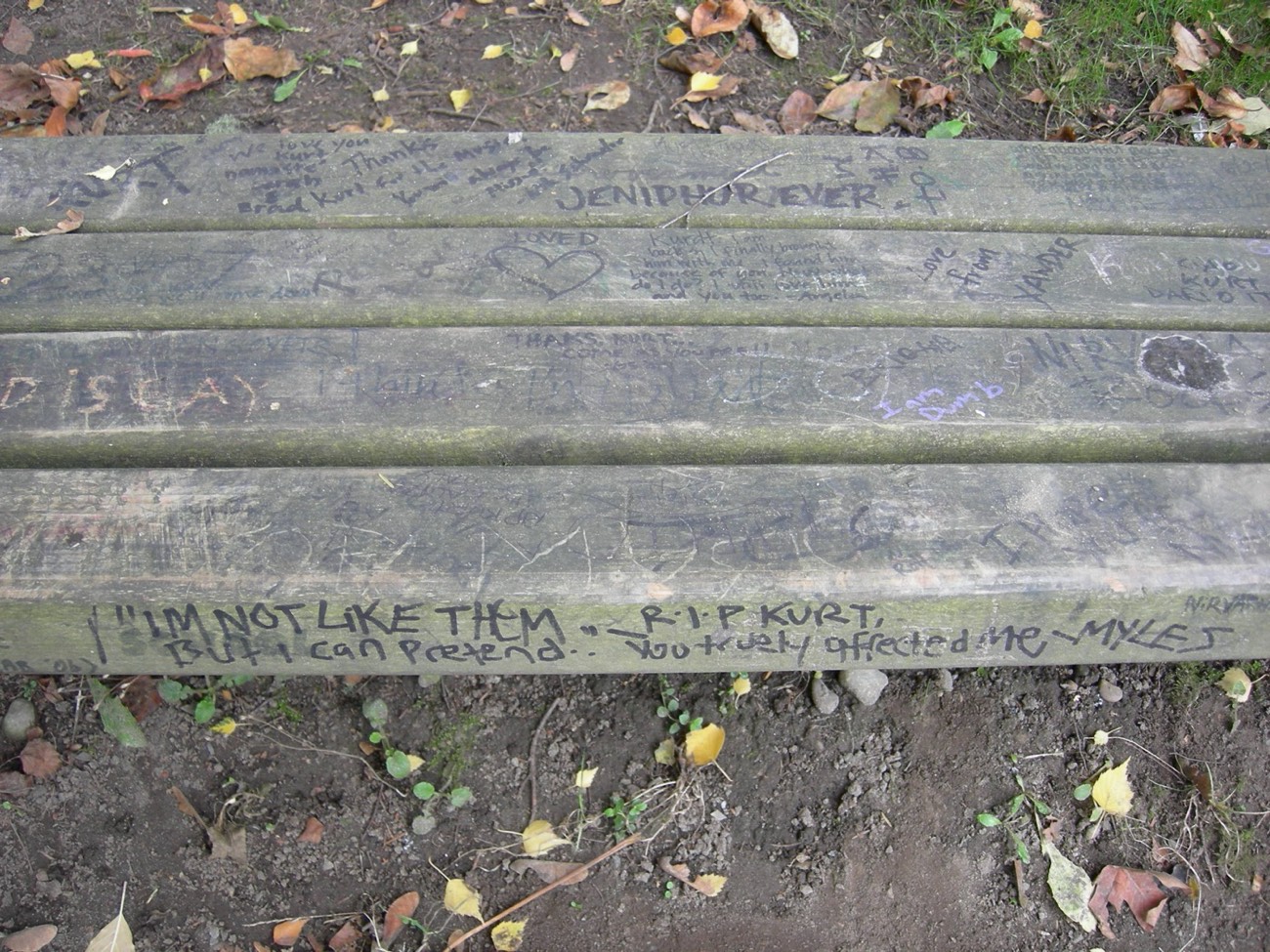
The Death of Kurt Cobain: The Reluctant Icon and the Theories
In early April 1994, Kurt Cobain — the singer, songwriter, and guitarist of Nirvana, the band that had carried underground rock into the mainstream and made him, against his own wishes, the defining voice of a generation — was found dead at his home in Seattle. He was twenty-seven years old. His death, from a self-inflicted gunshot wound, was ruled a suicide by the King County medical examiner and the Seattle police, a conclusion the authorities have reaffirmed in the decades since, including in a fresh review on the twentieth anniversary. Cobain had long struggled with severe depression, a debilitating chronic stomach condition, and heroin addiction, and had survived a near-fatal overdose only weeks before; a note was found at the scene. For most of those who knew him and have studied the case, his death was the tragic culmination of years of pain. Yet from the beginning a minority have insisted otherwise — that Cobain was murdered, that the suicide finding was wrong, with suspicion aimed in various directions — and these claims, amplified by books and films, have kept a conspiracy alive. This article examines his death with the care such a subject demands: what the evidence establishes, why the murder theories have not held up, and, above all, the human tragedy of mental illness and addiction that the conspiracy too often obscures. If you are struggling, please know that help is available, and that reaching out is a sign of strength, not weakness.

The Death of Marilyn Monroe: The Star, the Overdose, and the Theories
In the early hours of 5 August 1962, Marilyn Monroe — the most photographed and adored star of her age, an icon of Hollywood glamour recognised the world over — was found dead in the bedroom of her modest home in the Brentwood district of Los Angeles. She was thirty-six years old. The Los Angeles County coroner determined that she had died of acute barbiturate poisoning, a lethal quantity of sleeping pills in her system, and classified the death as a 'probable suicide,' consistent with her long and painful history of depression, insomnia, and dependency on the drugs that both sustained and endangered her. It should have been, and in its essentials was, the tragic end of a brilliant, fragile woman whom fame had exploited more than it had protected. But the investigation that night was careless and confused, the timeline muddled, the accounts of those present contradictory; and Monroe's rumoured connections to President John F. Kennedy and his brother, Attorney General Robert Kennedy, gave rise almost immediately to whispers, and then to an enduring industry, of conspiracy — that she had been murdered, or silenced, to protect powerful men. Sixty years on, those theories persist, unproven and unpersuasive, while the documented evidence points, as it did from the start, toward a lonelier and more ordinary tragedy. This is the story of the death of Marilyn Monroe — what is known, what is not, and why the difference matters.

The Death of Natalie Wood: Drowning Off Catalina
On the morning of 29 November 1981, the body of Natalie Wood — one of the most cherished actresses of her generation, a star since childhood — was found floating in the Pacific Ocean about a mile from her yacht, the Splendour, off the coast of Santa Catalina Island in California. She was forty-three, and she had drowned. The night before, she had been aboard the yacht with three other people: her husband, the actor Robert Wagner; her Brainstorm co-star, Christopher Walken; and the boat's captain, Dennis Davern. The Los Angeles coroner initially ruled the death an accidental drowning, theorising that she had slipped while trying to secure or board the yacht's dinghy and had been unable to climb back out of the cold water. But the account of that night was troubled from the start — there had reportedly been drinking and an argument aboard, the stories of those present shifted over the years, and Wood, it was widely known, had a lifelong fear of water. Three decades later, in 2011, the case was reopened; the cause of death was formally amended to 'drowning and other undetermined factors'; and in 2018 her husband was named a 'person of interest' — though he has always denied any wrongdoing, was never arrested or charged, and no evidence of foul play has ever been established. This is the story of the death of Natalie Wood — a genuine mystery in which the official record itself declines to say for certain what happened.

The Murder of Tupac Shakur: Twenty-Seven Years to an Arrest
On the night of 7 September 1996, Tupac Shakur — the visionary rapper, actor, and activist who was, at twenty-five, one of the most influential artists in the world — was shot in a drive-by while riding through the Las Vegas Strip in a car driven by the Death Row Records boss Marion 'Suge' Knight. The two had just left the Mike Tyson boxing match at the MGM Grand, where, earlier that evening, Tupac and his entourage had been caught on casino cameras beating a man in the lobby. As their car waited at a red light near the Strip, a white Cadillac pulled alongside and someone opened fire, hitting Tupac four times. He was rushed to hospital and fought for his life for six days before dying on 13 September 1996. His murder stunned the music world and became one of the most infamous unsolved killings in American cultural history — bound up with the bitter East Coast–West Coast rivalry that then convulsed hip-hop, and followed six months later by the strikingly similar murder of his rival, The Notorious B.I.G. For twenty-seven years, despite widespread belief about who was responsible, no one was charged. Then, in September 2023, Las Vegas police arrested a former gang leader who had publicly admitted his role, and charged him with orchestrating the killing. This is the story of the murder of Tupac Shakur — the man, the rivalry, the long silence, and the arrest that came almost three decades too late.

The Flannan Isles: The Lighthouse Keepers Who Vanished
On a tiny, uninhabited island in the Atlantic off the northwest coast of Scotland, a lighthouse stood watch in the winter of 1900, manned by three experienced keepers. The Flannan Isles — a scatter of rocky islets the Hebridean fishermen called the Seven Hunters, long reputed to be uncanny — lay some thirty kilometers out into the open ocean, and the lighthouse on the largest of them, Eilean Mòr, was one of the loneliest postings in the British Isles. In mid-December, a passing steamer noticed that the light was not burning, but the report went unheeded, and bad weather delayed the relief vessel. When it finally reached the island the day after Christmas, the relief keeper climbed up to the lighthouse and found it empty. The three men — James Ducat, Thomas Marshall, and Donald MacArthur — were gone. The lamp was clean and ready but unlit; the entrance gate and the doors were shut; the clock had stopped; the last entry in the log was days old. There was no sign of the keepers anywhere on the island, and there never would be: their bodies were never found. At the island's west landing, far above the normal reach of the sea, the investigators found startling damage — equipment torn from a crevice high on the cliff, iron railings bent, a great rock shifted — the marks of a wave of extraordinary size. The official conclusion was that the three men had been swept into the sea by such a wave while trying to secure their gear in a storm. It is the most likely explanation, and it is probably true. But because no one saw it happen and nothing was ever recovered, the disappearance became one of the most haunting mysteries of the sea, and the facts were soon overgrown with legend. This is the story of the keepers who vanished from the Flannan Isles.
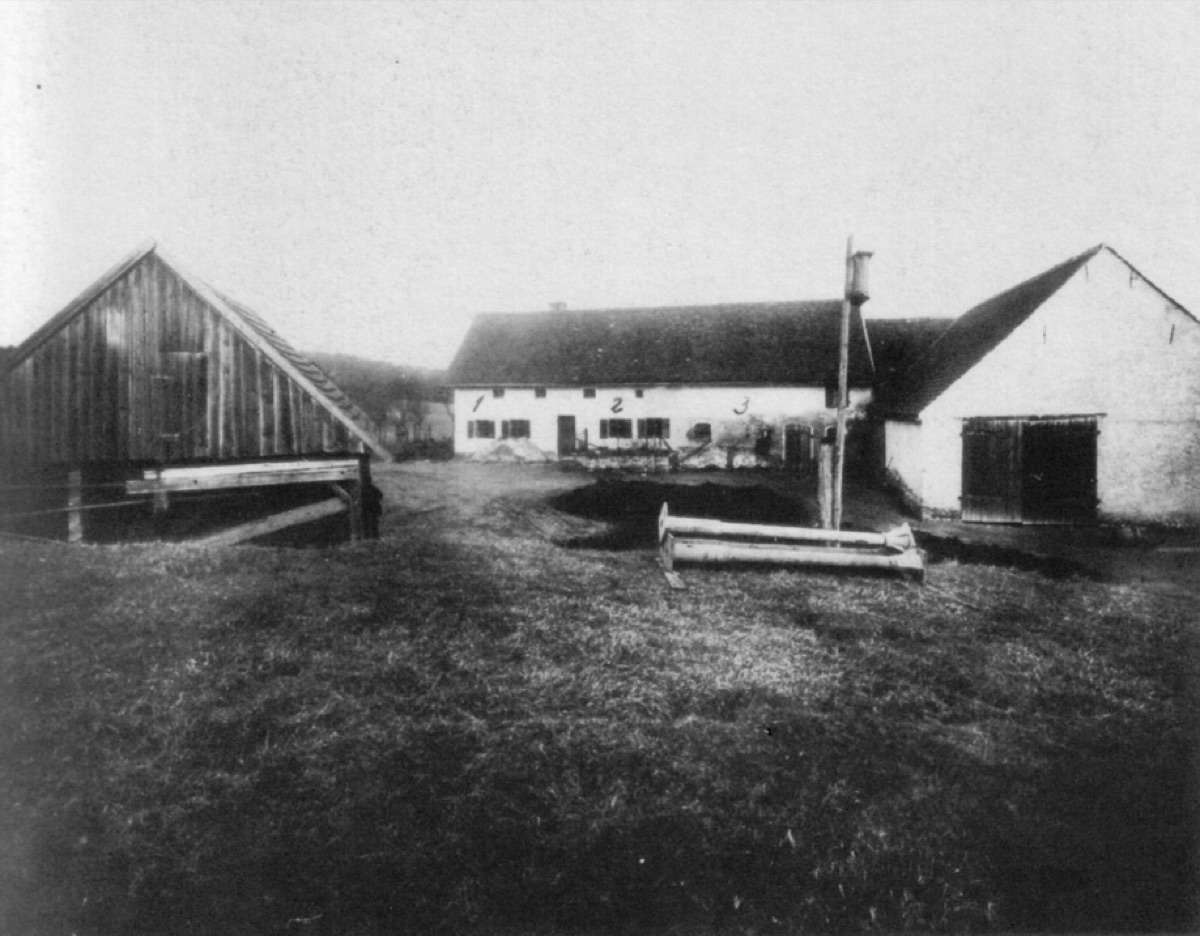
Hinterkaifeck: The Farm Murders That Were Never Solved
On the evening of 31 March 1922, on a small, isolated farmstead called Hinterkaifeck in the Bavarian countryside of southern Germany, six people were murdered, one after another, with a heavy farming mattock. The dead were a single household: the elderly farmer Andreas Gruber and his wife Cäzilia; their widowed daughter Viktoria Gabriel; Viktoria's two young children, seven-year-old Cäzilia and two-year-old Josef; and the family's maid, Maria Baumgartner, who had arrived to begin work only hours before. In the days before the killings, the farmer had told neighbors of strange and frightening things: footprints in the snow leading from the forest to the farm but none leading away, footsteps heard in the attic, a set of house keys gone missing, a newspaper on the property that no one had bought. He did not go to the police. After the murders, in the most chilling detail of all, the killer appears not to have fled but to have remained at the farm for several days — feeding the cattle, tending the dog, and lighting the kitchen stove, while the six bodies lay where they had fallen and neighbors, seeing smoke from the chimney, suspected nothing. It was four days before anyone came close enough to discover the horror. The investigation that followed was one of the largest in Bavarian history, pursuing hundreds of suspects over the decades and reopening the case again and again. No one was ever charged. A century later, the Hinterkaifeck murders remain unsolved, one of the most haunting cold cases in the world. This is the story of the farm where six people died and the killer was never found.

The Somerton Man: The Body on the Beach and the Words 'Tamám Shud'
On the morning of 1 December 1948, the body of a man was found on Somerton Park beach near Adelaide, in South Australia, propped against the seawall as though he had fallen asleep looking out to sea. He was middle-aged, fit, and neatly dressed in a good suit, and he carried no wallet, no documents, and nothing that could say who he was. Stranger still, every maker's label had been carefully cut or removed from his clothing, as if someone had wanted to ensure he could not be identified. He had no obvious injuries; the cause of his death could not be established, and though poison was suspected, none was ever found. The investigation that followed turned up one haunting clue after another and solved none of them. Hidden in a tiny fob pocket sewn into his trousers was a scrap of paper, torn from a book, printed with two words in Persian: 'Tamám Shud' — meaning 'ended' or 'finished,' the final words of the famous poem the Rubáiyát of Omar Khayyám. The very copy of the book from which the scrap had been torn was later found, discarded in a parked car nearby, and in the back of it were pencilled a phone number and a string of capital letters that looked like a code — a code that has never been deciphered. For three-quarters of a century, no one even knew the dead man's name, and his case became one of the most famous unsolved mysteries in the world. In 2022, DNA evidence finally offered an answer to who he was. But how he came to be dead on that beach, and what the cut labels and the uncrackable code meant, remain unexplained to this day. This is the story of the Somerton Man.
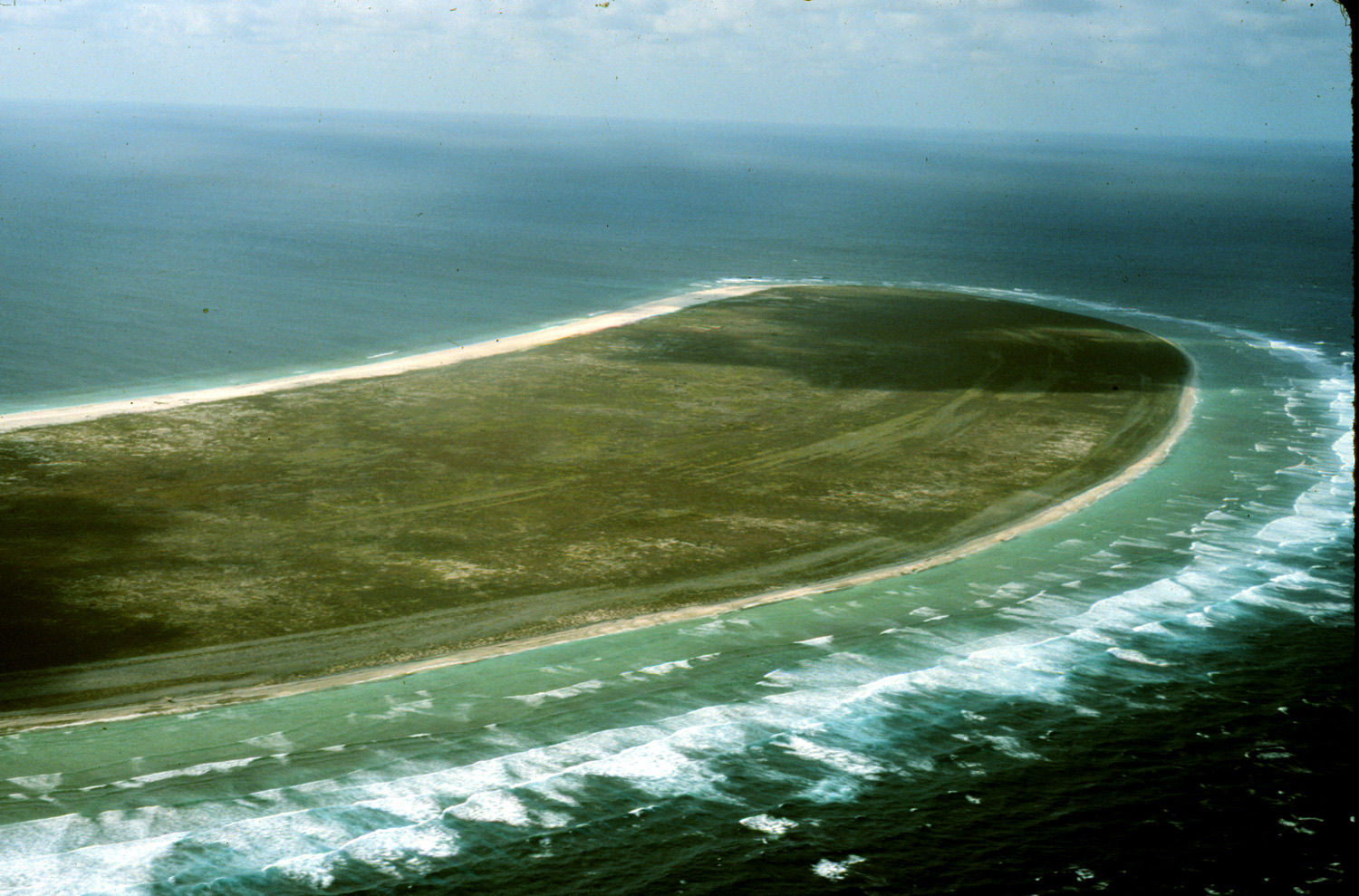
Amelia Earhart and the Speck in the Pacific
On July 2, 1937, Amelia Earhart — the first woman to fly the Atlantic solo, the most celebrated aviator on earth — took off from Lae, in New Guinea, with her navigator Fred Noonan, bound for a flat coral speck in the central Pacific called Howland Island. It was the most dangerous leg of an attempt to circle the globe near the equator: more than 2,500 miles of open ocean to a target a mile and a half long and twenty feet high, which they had to find by dead reckoning and the stars after a night and a morning over featureless water. A United States Coast Guard cutter, the Itasca, waited off Howland to guide them in by radio and to lay a column of smoke. It was never needed. Through the morning the Itasca's crew heard Earhart's voice growing tense as she searched for an island she could not see — 'We must be on you but cannot see you… gas is running low' — and then, in her last understood transmission, a line of position and the words that she was running north and south along it. After that there was silence. The largest air and sea search in American history to that date found nothing: no plane, no wreckage, no bodies. Earhart and Noonan were declared lost, and in the decades since, their disappearance has hardened into the most enduring mystery in the history of flight, fought over by three incompatible theories — that they ran out of fuel and sank near Howland; that they came down as castaways on a different island and died there; and that they fell into Japanese hands and never came home. This article sets out what is actually known about the flight and its final hours, and weighs the rival explanations — the plausible, the contested, and the long-debunked — against the evidence.

D.B. Cooper and the Only Hijacking That Was Never Solved
On the afternoon of Wednesday, November 24, 1971, the day before Thanksgiving, a man in a dark suit and a clip-on tie boarded Northwest Orient Airlines Flight 305, a Boeing 727 making the short hop from Portland, Oregon, to Seattle. He had bought his ticket with cash under the name Dan Cooper. Once airborne he handed a flight attendant a note saying he had a bomb, opened a briefcase to show her a tangle of wires and red cylinders, and dictated his terms: two hundred thousand dollars in twenty-dollar bills and four parachutes, to be waiting when the plane landed at Seattle-Tacoma. The airline paid. On the ground Cooper released the thirty-six passengers, kept four crew, had the jet refuelled, and ordered it back into the air toward Mexico City — flying low and slow, landing gear down, with the rear airstair lowered. Somewhere over the dark, rain-soaked forests of southwestern Washington, at around a quarter past eight in the evening, he stepped off the end of those stairs into the night with the money strapped to his body, and vanished. No body was ever found. No parachute was ever found. Of the ten thousand marked bills, exactly two hundred and ninety ever turned up — a packet of rotting twenties dug out of a riverbank by a child nine years later. The FBI worked the case for forty-five years, ran down more than a thousand suspects, and in 2016 quietly closed it without an answer. The skyjacking of Flight 305 remains the only unsolved act of air piracy in the history of American aviation, and 'D.B. Cooper' — a name born from a reporter's error — became the rarest kind of American legend: a criminal almost everyone half-hopes got away. This article reconstructs what actually happened that night, what the single scrap of physical evidence does and does not tell us, and why a fifty-year-old robbery has never let go of the public imagination.
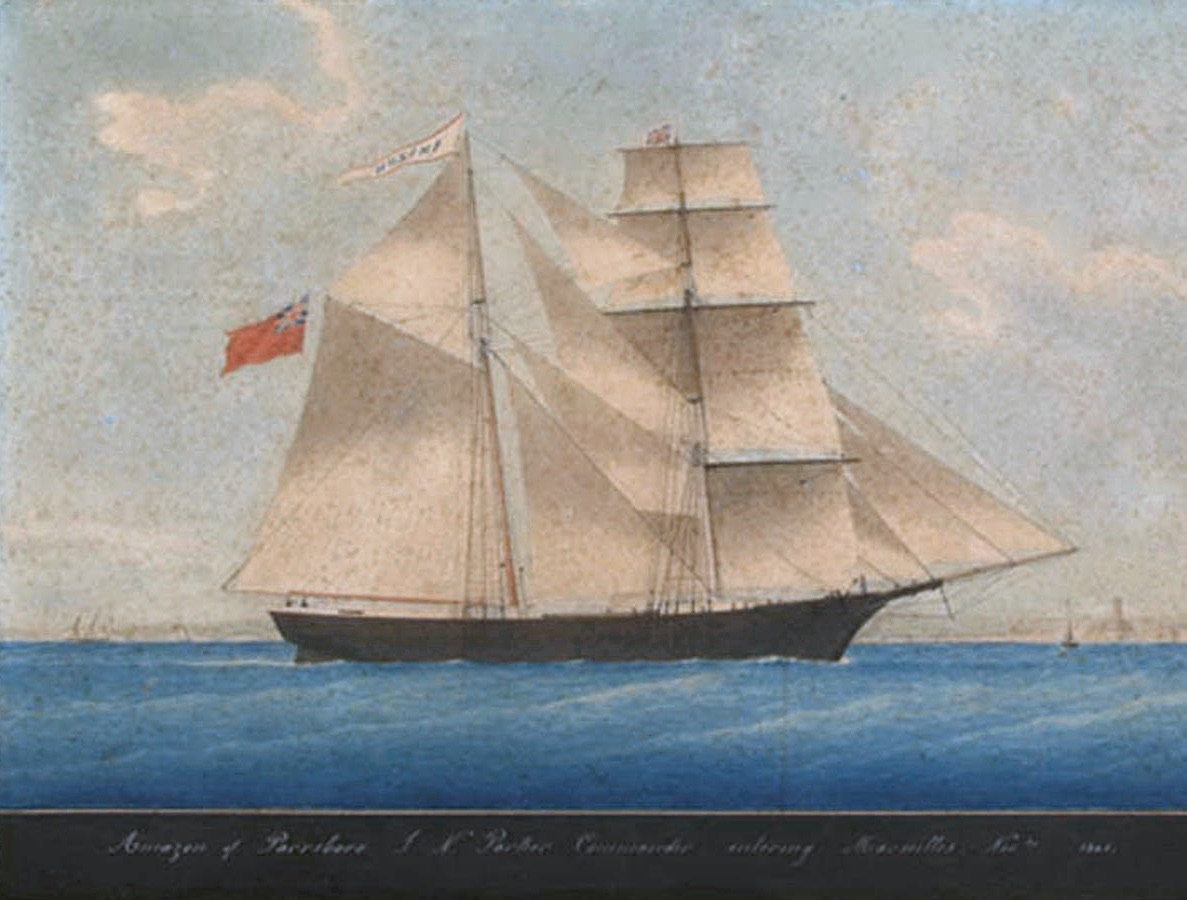
The Mary Celeste and the Ship That Sailed Itself
On December 5, 1872, the crew of the British brigantine Dei Gratia, several hundred miles west of Portugal, sighted another two-masted ship moving strangely across the swell — sails partly set, yawing as if no one had the helm. They closed on her, hailed her, got no answer, and sent a boarding party across. The ship was the Mary Celeste, an American merchant brigantine that had left New York a month earlier bound for Genoa with a cargo of industrial alcohol, and she was deserted. There was no one at the wheel and no one below; there was no sign of violence, no sign of robbery, no disorder beyond what a few days of unattended sailing would explain. The cargo sat almost untouched in the hold. There was ample food and fresh water. The crew's oilskins and boots and pipes were still where they had been left, and the captain's wife had left behind her harmonium and her child's toys. The ship was seaworthy and could have sailed on for months. But the ten people who had been aboard — Captain Benjamin Briggs, his wife Sarah, their two-year-old daughter Sophia, and seven crew — were gone, and so was the ship's single lifeboat, a small yawl that appeared to have been deliberately launched. No trace of any of them was ever found. The Mary Celeste became, and has remained, the most famous mystery in the history of the sea: not a wreck, not a massacre, but a sound ship abandoned in calm circumstances by people who had every reason to stay aboard. This article reconstructs what was actually found, what the Gibraltar inquiry made of it, and which of the many explanations — the credible and the lurid — best fits the strange, orderly emptiness of the ship that sailed itself.

The Assassination of Yitzhak Rabin
On the night of Saturday, November 4, 1995, the Prime Minister of Israel, Yitzhak Rabin — soldier, chief of staff in the Six-Day War, and a year earlier a Nobel Peace laureate for the Oslo Accords — stood on a stage above a crowd of more than a hundred thousand people in Kings of Israel Square in Tel Aviv and sang 'Shir LaShalom,' the Song for Peace. He folded the printed lyrics and put them in his breast pocket. A little after half past nine he came down the stairs at the side of the city hall toward his waiting car, and a 25-year-old law student named Yigal Amir, who had been loitering in the supposedly sterile parking area for some forty minutes, stepped forward and fired a semi-automatic pistol loaded with hollow-point bullets into his back. Rabin was driven to the Ichilov hospital a few hundred metres away and died on the operating table; the song sheet in his pocket came back soaked in his blood, and his aide read its scorched, stained words aloud to the world. Amir did not run. He was seized on the spot, and he confessed at once, calmly, explaining that he had acted alone and on what he understood to be the command of Jewish religious law, to stop a prime minister he regarded as a traitor handing the Land of Israel to its enemies. None of the central facts of the case has ever been in doubt. And yet Rabin's killing has generated, in the decades since, both a thriving undergrowth of conspiracy theory — that the bullets were blanks, that the Shin Bet staged it, that Rabin was killed elsewhere — and a set of genuinely uncomfortable questions that have nothing to do with those fantasies: how the country's security service failed so completely; what its own agent provocateur, embedded in the violent fringe and personally acquainted with the assassin, knew and when; and how a year of placards depicting a sitting prime minister in an SS uniform curdled into a gunshot. This article separates the two — the established murder from the manufactured mystery, and both from the failures that were real.