Tag
#fbi
7 articles
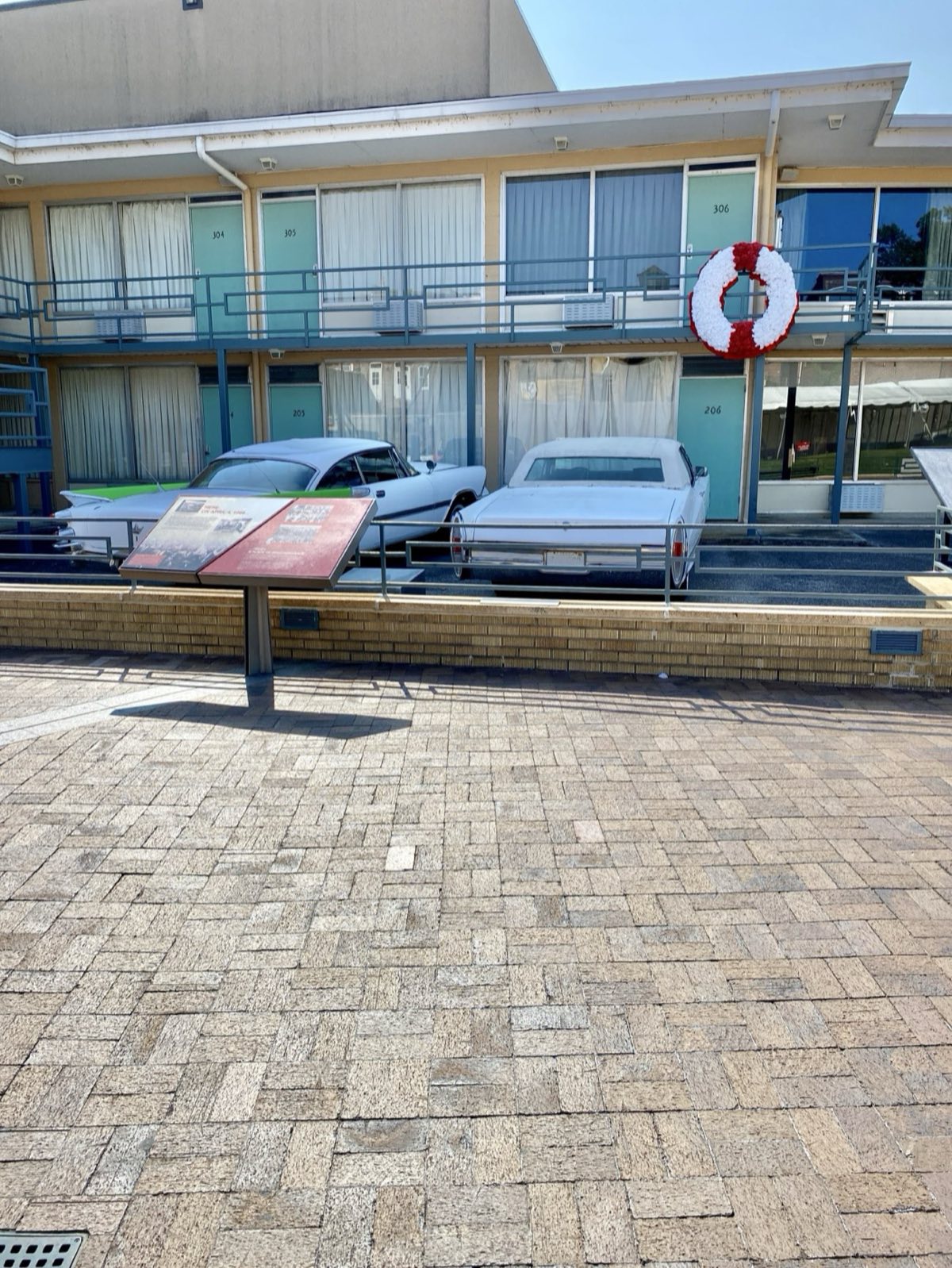
The Assassination of Martin Luther King Jr.: The Shot at the Lorraine Motel
At one minute past six on the evening of 4 April 1968, Martin Luther King Jr. stepped out onto the balcony of room 306 at the Lorraine Motel in Memphis, Tennessee. He had come to the city to support striking Black sanitation workers, and the night before had delivered, as if in premonition, his haunting 'I've Been to the Mountaintop' speech. Now, standing at the railing chatting with colleagues in the parking lot below, he was struck in the face by a single high-powered rifle bullet fired from a rooming house across the street. He fell mortally wounded and was pronounced dead an hour later. He was thirty-nine years old, and with his death the United States lost the most eloquent, disciplined, and morally commanding leader its long struggle for racial justice had produced. A petty criminal and escaped convict named James Earl Ray was identified as the assassin, captured after a two-month international manhunt, and convicted on his own guilty plea. Yet within days Ray recanted, insisting he had been a pawn in a larger plot; he spent the rest of his life seeking the trial he never got; and King's own widow and children came to believe he was not the lone gunman — or not the gunman at all. Set against the documented fact that the FBI had waged a vicious secret campaign to destroy King, the questions have proved impossible to lay fully to rest. This is the story of the assassination at the Lorraine Motel, and of the doubts that outlived the man convicted of it.
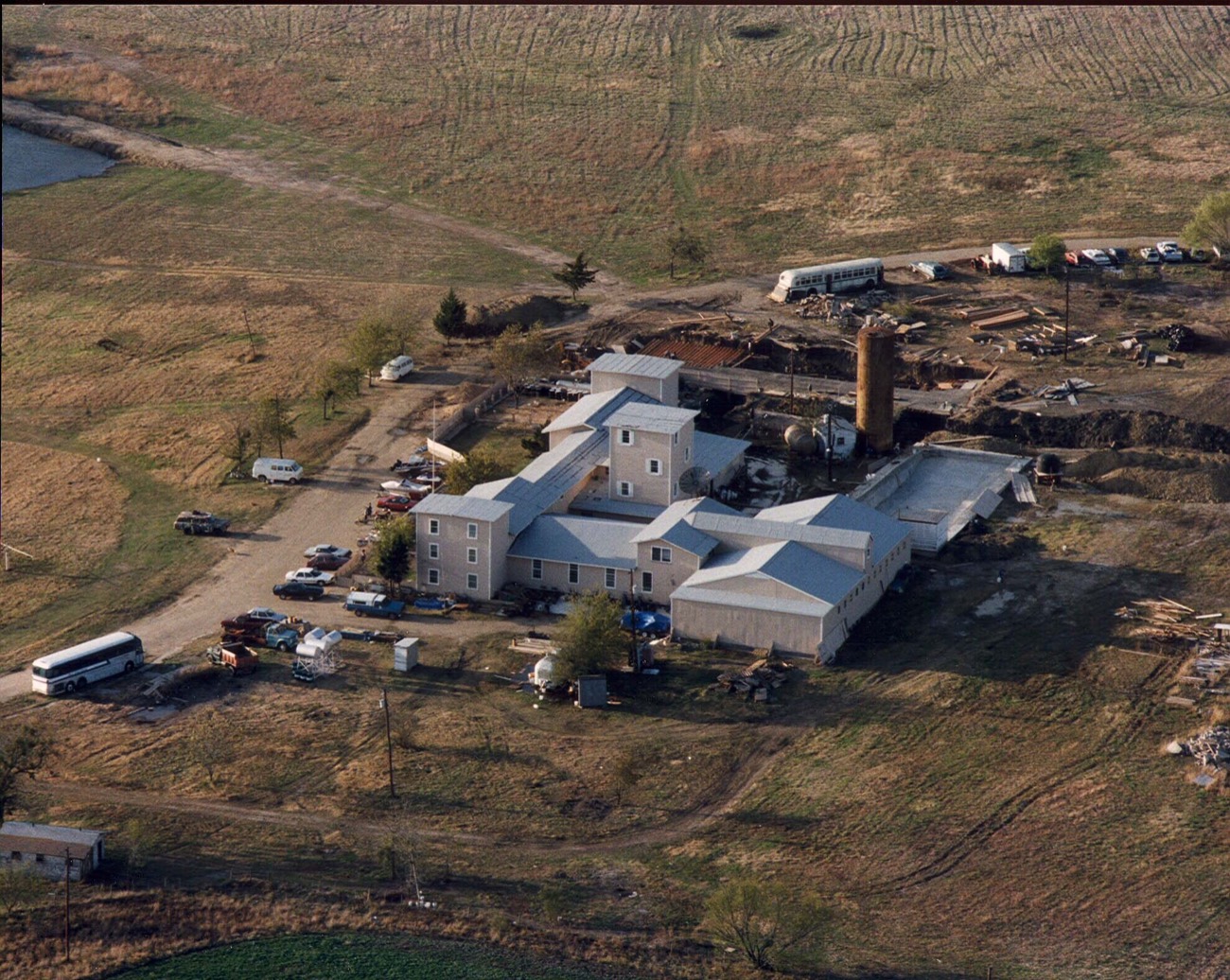
Waco: The Branch Davidian Siege and the Fire That Followed
In the spring of 1993, the eyes of the United States were fixed on a sprawling compound in the Texas countryside near Waco, where a religious community called the Branch Davidians, led by a man named David Koresh, was locked in a standoff with the federal government. It had begun on 28 February, when agents of the Bureau of Alcohol, Tobacco, and Firearms attempted a dynamic raid to serve warrants over illegal weapons — a raid that went catastrophically wrong. A gun battle erupted, each side later blaming the other for firing first, and when it ended four federal agents and six Branch Davidians were dead. The failed raid became a 51-day siege, as the FBI surrounded the compound and negotiators tried, with growing frustration, to talk Koresh and his followers out. Inside were roughly a hundred people, including many children. On 19 April 1993, the government launched a final assault, using armored vehicles to punch holes in the building and inject tear gas to force the occupants out. Around midday, fires broke out inside the compound and swept through it within minutes. Some 76 Branch Davidians died, among them David Koresh and about 25 children. The tragedy became one of the most contested events in modern American history — argued over ever since by those who blame Koresh for leading his followers to death, those who blame the government for reckless and aggressive tactics, and those who see failures on every side. It reshaped how the government handles such standoffs, and it became a rallying cry for the anti-government movement, cited by the man who, exactly two years later, bombed a federal building in Oklahoma City. This is the story of Waco, told with care for the facts and for the dead.
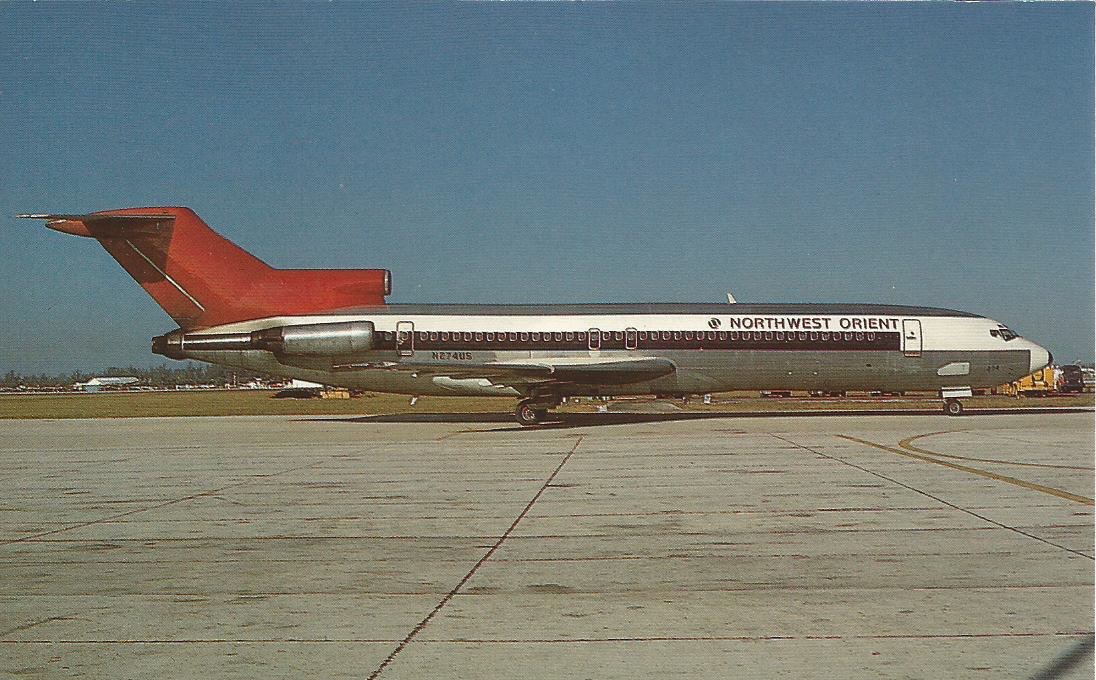
D.B. Cooper and the Only Hijacking That Was Never Solved
On the afternoon of Wednesday, November 24, 1971, the day before Thanksgiving, a man in a dark suit and a clip-on tie boarded Northwest Orient Airlines Flight 305, a Boeing 727 making the short hop from Portland, Oregon, to Seattle. He had bought his ticket with cash under the name Dan Cooper. Once airborne he handed a flight attendant a note saying he had a bomb, opened a briefcase to show her a tangle of wires and red cylinders, and dictated his terms: two hundred thousand dollars in twenty-dollar bills and four parachutes, to be waiting when the plane landed at Seattle-Tacoma. The airline paid. On the ground Cooper released the thirty-six passengers, kept four crew, had the jet refuelled, and ordered it back into the air toward Mexico City — flying low and slow, landing gear down, with the rear airstair lowered. Somewhere over the dark, rain-soaked forests of southwestern Washington, at around a quarter past eight in the evening, he stepped off the end of those stairs into the night with the money strapped to his body, and vanished. No body was ever found. No parachute was ever found. Of the ten thousand marked bills, exactly two hundred and ninety ever turned up — a packet of rotting twenties dug out of a riverbank by a child nine years later. The FBI worked the case for forty-five years, ran down more than a thousand suspects, and in 2016 quietly closed it without an answer. The skyjacking of Flight 305 remains the only unsolved act of air piracy in the history of American aviation, and 'D.B. Cooper' — a name born from a reporter's error — became the rarest kind of American legend: a criminal almost everyone half-hopes got away. This article reconstructs what actually happened that night, what the single scrap of physical evidence does and does not tell us, and why a fifty-year-old robbery has never let go of the public imagination.
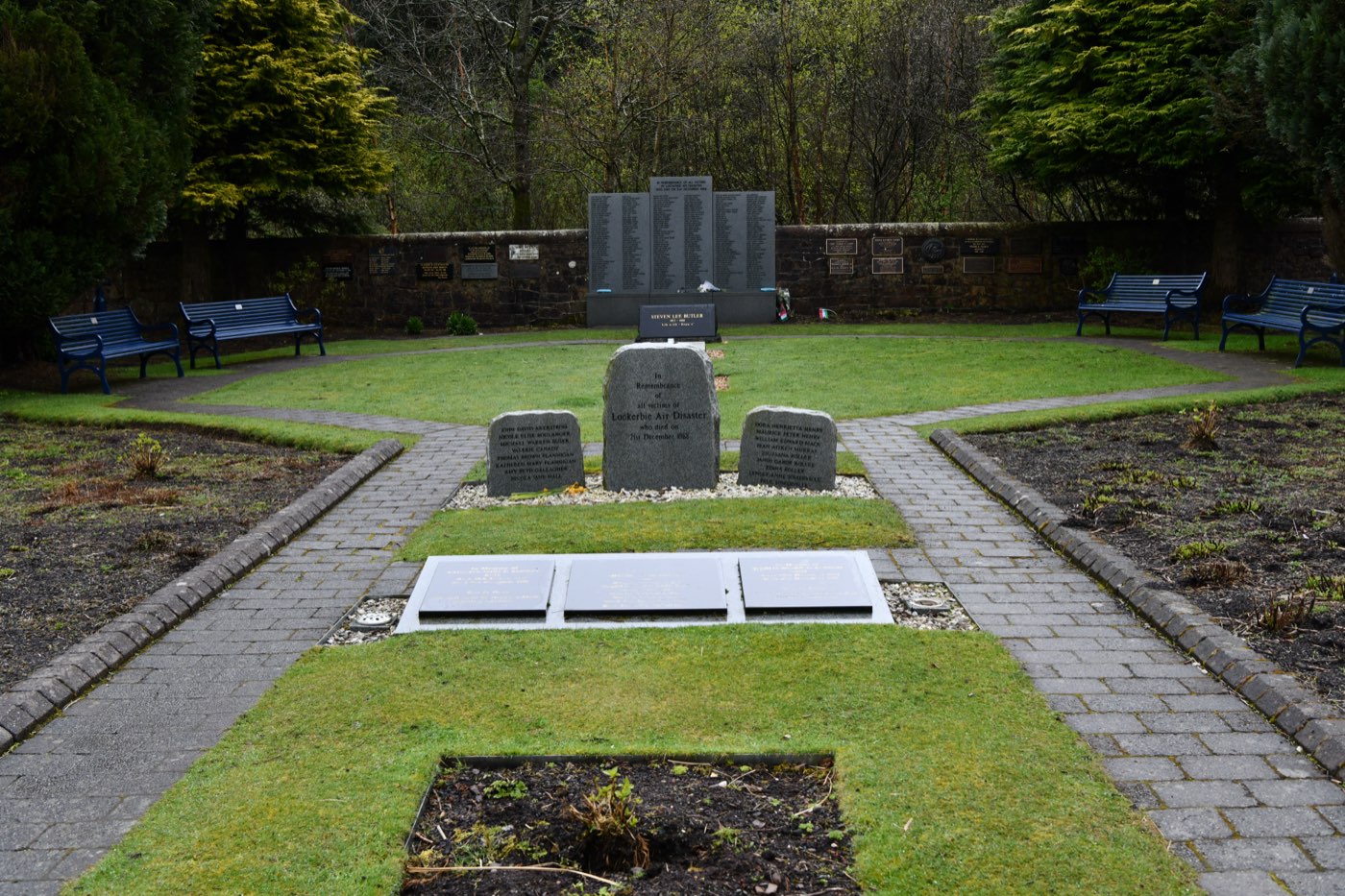
Lockerbie / Pan Am 103
At 19:02:50 Greenwich Mean Time on Wednesday, December 21, 1988, Pan American World Airways Flight 103 — a Boeing 747-121 named *Clipper Maid of the Seas*, registration N739PA, on the daily transatlantic service from London Heathrow to New York's John F. Kennedy International Airport — was at flight level 310 (31,000 feet) and approximately 38 minutes into its scheduled 7-hour 50-minute flight when a 312-gram improvised explosive device detonated inside the forward cargo hold. The bomb had been concealed within a Toshiba RT-SF 16 BomBeat radio-cassette recorder packed inside a brown Samsonite hardshell suitcase. The aircraft broke up immediately. The forward fuselage section — including the cockpit — separated from the airframe and fell intact for approximately 90 seconds before impacting at Tundergarth, three miles east of the small Dumfriesshire market town of Lockerbie. The remaining airframe broke into thousands of pieces across an area subsequently mapped at 845 square miles. Of 243 passengers and 16 crew aboard, all died. On the ground in Lockerbie, 11 residents of Sherwood Crescent were killed when the centre-wing fuel tanks impacted at the southwestern edge of the town. Total deaths: 270 — the highest single-incident terrorist casualty figure on British soil in the 20th century. The investigation that followed has had two principal evidential phases. The first phase (December 1988 – November 1990) focused on the Popular Front for the Liberation of Palestine – General Command (PFLP-GC), a Syrian-sponsored Palestinian faction. The second phase (from November 1990) re-directed the investigation toward Libya and produced the November 1991 U.S. and U.K. indictments of two Libyan Arab Airlines employees: Abdelbaset al-Megrahi and Lamin Khalifa Fhimah. The temporal coincidence between the investigative shift and the Gulf War coalition-building of late 1990 (which brought Syria into alignment with the United States) has been the subject of subsequent academic and journalistic debate. The Camp Zeist trial of 2000-2001 — held under Scottish law in a Dutch facility designated as Scottish soil for the trial — convicted Megrahi (January 31, 2001) and acquitted Fhimah. Megrahi was released by the Scottish Government on compassionate grounds (terminal prostate cancer) on August 20, 2009, after serving 8 years 6 months of his life sentence; he died in Tripoli on May 20, 2012. A second Libyan defendant — Abu Agila Mohammad Mas'ud Kheir Al-Marimi, identified as the bombmaker — was extradited to the United States from Libya in December 2022 and is currently awaiting trial in the District of Columbia. The case is formally closed in legal terms; substantive aspects of the evidence — including the identification of the timer fragment that linked Megrahi to the bomb — remain disputed in independent forensic reviews.
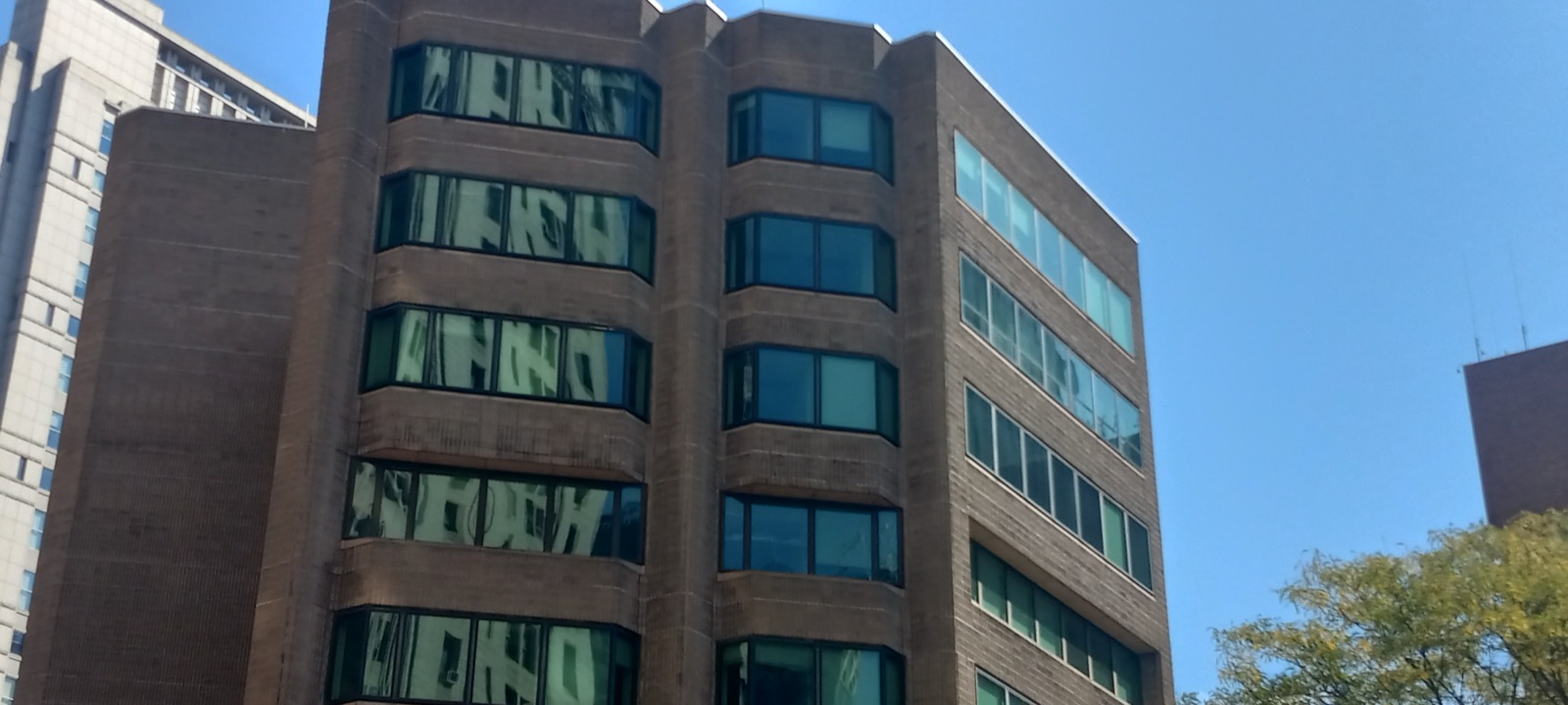
Epstein Didn't Kill Himself
At approximately 6:30 a.m. on Saturday, August 10, 2019, Jeffrey Epstein was found unresponsive in his Special Housing Unit cell at the Metropolitan Correctional Center in lower Manhattan. He was 66 years old, one month into pretrial federal detention on sex-trafficking charges that carried a maximum sentence of 45 years. The Federal Bureau of Prisons announced his death by suicide. The New York City Office of the Chief Medical Examiner, after a five-day review including consultation with Dr. Michael Baden — the prominent independent forensic pathologist retained by Epstein's brother to observe the autopsy — issued a final determination of suicide by hanging. Baden publicly dissented, stating that the pattern of hyoid and thyroid cartilage fractures Epstein exhibited was, in his decades of homicide-investigation experience, more consistent with strangulation than with hanging. The two corrections officers assigned to monitor Epstein on the night of August 9-10 — Tova Noel and Michael Thomas — were subsequently charged with falsifying official records: they had certified mandatory 30-minute observation rounds they had not performed. Both had been awake on personal-shopping websites; both had slept; neither had checked Epstein's cell for approximately three hours. The cell-block surveillance cameras outside Epstein's cell had malfunctioned during the relevant window. The cell itself was not monitored. The phrase 'Epstein didn't kill himself' entered American public discourse within 72 hours of the announcement and has not left it. The federal forensic record concludes suicide. The public conviction, across the U.S. political spectrum, remains substantially otherwise.
COINTELPRO
Between 1956 and 1971, the Federal Bureau of Investigation ran a counter-intelligence program against Americans. Not foreign agents — Americans. The targets were Martin Luther King Jr., Malcolm X, the Black Panther Party, the American Indian Movement, the Students for a Democratic Society, the Communist Party, the Ku Klux Klan, and dozens of others. The methods included blackmail, forged letters, planted informants, and — in at least one documented case — collaboration in a killing. The program stayed secret until eight people walked into an FBI office in Pennsylvania on the night of a heavyweight title fight.
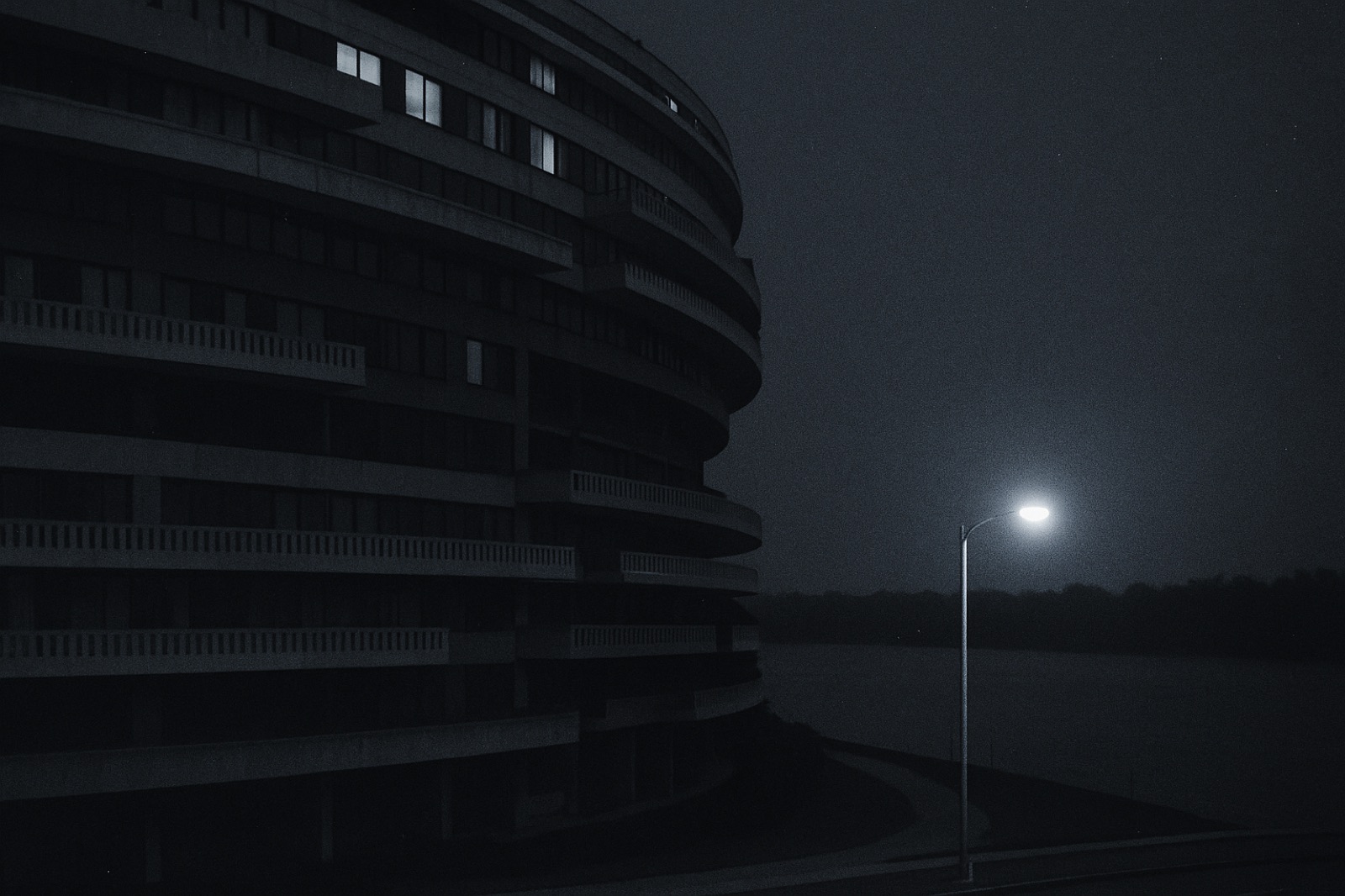
Watergate
In the early hours of June 17, 1972, five men were arrested inside the Democratic National Committee's offices on the sixth floor of the Watergate complex. Two years and 54 days later, on August 9, 1974, Richard Nixon became the only sitting U.S. president to resign. Between those dates lies the most thoroughly documented presidential cover-up in American history — and the deliberate destruction of careers, evidence, and finally the office itself.
7 files · end of the line