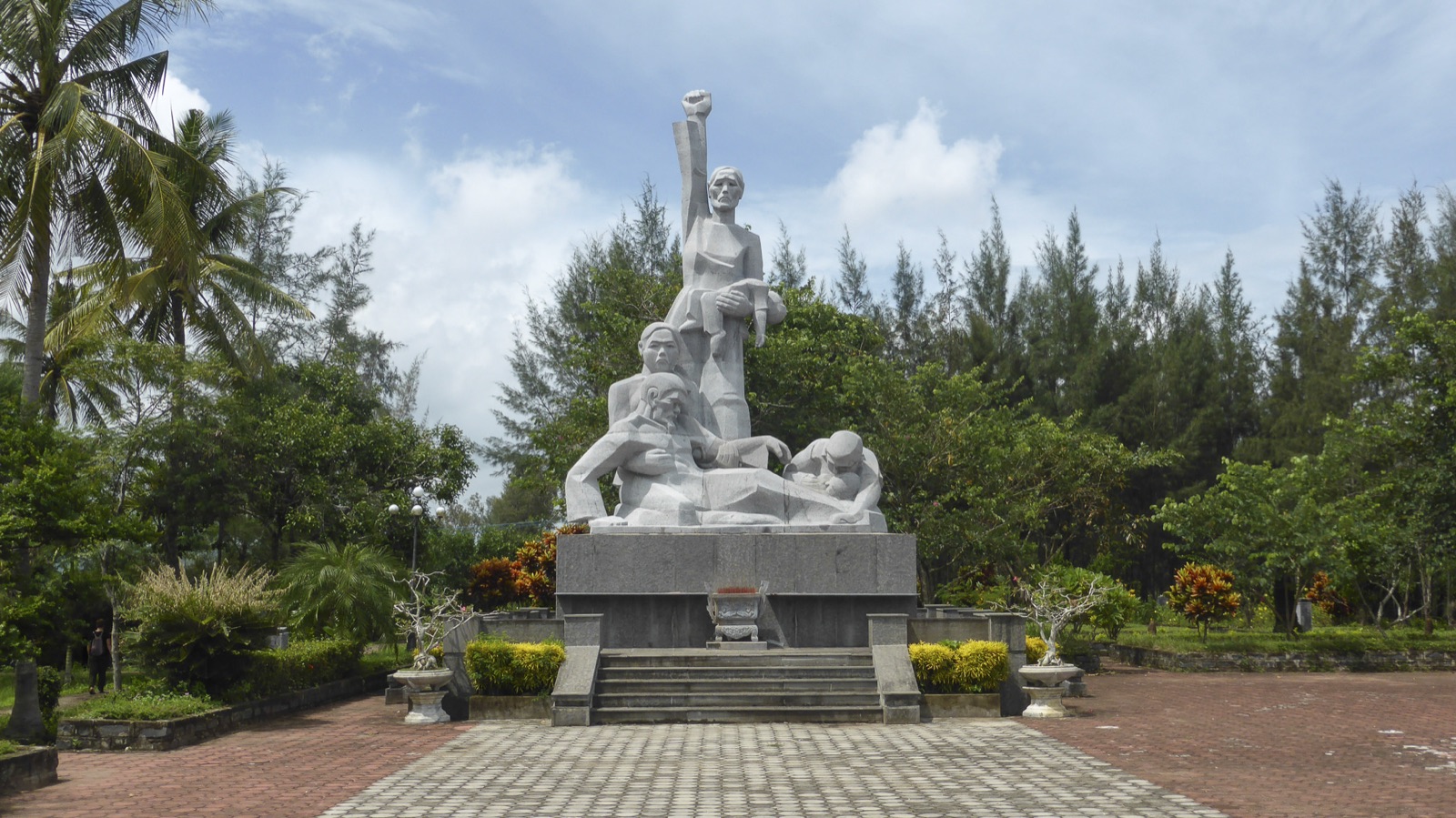
The Sơn Mỹ Memorial Park, Tịnh Khê Commune, Quảng Ngãi Province, Vietnam. The memorial was established by the Vietnamese government in 1976 on the grounds of the former Sơn Mỹ hamlets. The central monument lists the names of 504 documented victims. The site has been a national memorial since 1979 and includes a museum, the preserved foundations of several destroyed homes, and a small reflecting pool. Wikimedia Commons, CC BY 2.0.
My Lai Massacre
Quảng Ngãi Province, March 16, 1968 — and the cover-up that took twenty months to unravel
- Category
- State & Intelligence Operations
- Published
- Length
- 3,700 words · 17 min read
- Author
- The editors
My Lai Massacre
Quảng Ngãi Province, March 16, 1968 — and the cover-up that took twenty months to unravel.
Quảng Ngãi Province, March 16, 1968
Quảng Ngãi Province lies on Vietnam's central coast, approximately 100 kilometres south of Đà Nẵng and 850 kilometres south of Hanoi. The terrain is a narrow coastal plain rising into the Trường Sơn mountains inland — densely cultivated rice paddies, scattered hamlets organized into commune units, palm groves and bamboo stands along the irrigation channels. In March 1968 the province was within the operational area of the U.S. Army's Americal Division (the 23rd Infantry Division, headquartered at Chu Lai 30 kilometres to the north).

The Sơn Mỹ village — a Vietnamese administrative unit (xã) comprising four hamlets (Mỹ Lai, Mỹ Khe, Cổ Lũy, and Tu Cung) — sat near the coast in Tịnh Khê commune. The four hamlets together held approximately 700 residents on the morning of March 16, 1968. The American military designation for the area was "Pinkville" — a reference to the red color used on tactical maps to indicate Việt Cộng-controlled territory.
The operational order for Saturday, March 16 came from Task Force Barker — a battalion-sized task force commanded by Lieutenant Colonel Frank Barker, organized within the 11th Brigade. The task force comprised three rifle companies: Charlie, Bravo, and Alpha (1st Battalion, 20th Infantry). The mission as briefed: a "search-and-destroy" operation against the 48th Local Force Battalion of the Việt Cộng, which Army intelligence had assessed was using the Sơn Mỹ hamlets as a forward base.
Army intelligence had been wrong. The 48th Local Force Battalion was not at Sơn Mỹ on the morning of March 16. The hamlets contained civilians.
Charlie Company
Charlie Company of the 1st Battalion, 20th Infantry was an under-strength rifle company of approximately 100 personnel on the morning of March 16, 1968. The company had arrived in Vietnam approximately three months earlier (December 1967) and had been on combat operations in the Sơn Mỹ area for the prior six weeks. In that period the company had taken approximately 28 casualties — 5 killed and 23 wounded — predominantly from mines, booby-traps, and sniper fire. No Charlie Company personnel had been killed in direct combat with identified Việt Cộng forces. The frustration produced by the casualty pattern was substantial; the company's morale and discipline had degraded measurably.
The company's senior leadership:
- Captain Ernest Lou Medina (1936-2018) — Company commander. A Mexican-American career soldier; commissioned through Officer Candidate School. Medina had served two prior tours in Vietnam.
- 2nd Lieutenant William Laws Calley Jr. (1943-2024) — 1st Platoon commander. A reservist commissioned through Officer Candidate School at Fort Benning in 1967; in Vietnam approximately three months at the time of the operation. 24 years old on March 16, 1968.
- 2nd Lieutenant Stephen Brooks (KIA April 1968) — 2nd Platoon commander.
- 2nd Lieutenant Jeffrey U. La Cross — 3rd Platoon commander.
The company was not an elite unit. Its personnel had been drawn primarily through the Selective Service draft. Its training had been the standard 1967 Army infantry-rifle-company program. Its officers were predominantly junior, with the company commander Medina (then 32 years old, captain) the senior officer.
The orders
The operational briefing was conducted by Captain Medina at Charlie Company's bivouac at Landing Zone Dottie on the evening of March 15, 1968. The briefing audience: the company's officers, senior NCOs, and platoon-sergeant-level personnel — approximately 25-30 men.
Medina's verbal briefing has been the central interpretive question of the entire case. The most operationally relevant disputed elements:
- Medina described the 48th Local Force Battalion as expected in the hamlets in the morning.
- He stated that the women and children of the hamlets would be at the market by approximately 7:00 a.m. — implying that anyone remaining in the hamlets after that time was a combatant.
- He authorized the burning of houses, the killing of livestock, and the destruction of food stocks.
- He described the operation as a "kill or be killed" engagement.
Whether Medina explicitly ordered the killing of civilians was — and remains — the principal factual dispute. Calley testified at his subsequent court-martial that he understood Medina's order to mean "kill everyone in the village." Medina, at his own court-martial in August-September 1971, denied giving such an order. Medina was acquitted on all charges.
Witnesses to the briefing — interviewed extensively by the Peers Commission in 1969-1970 — gave varying accounts. Approximately one-third reported having understood Medina's order to authorize civilian killings; one-third reported the opposite understanding; one-third reported ambiguity. The Peers Commission concluded that Medina's order was probably ambiguous and probably understood by a substantial portion of Charlie Company as authorizing civilian killings.
The four hours
Charlie Company was inserted by approximately ten UH-1 Huey helicopters into the rice fields surrounding the Sơn Mỹ hamlets beginning at approximately 7:30 a.m. on March 16. The 1st Platoon, under Calley, was inserted at the western edge of the Mỹ Lai 4 hamlet (the American designation for the principal hamlet within Sơn Mỹ village). The 2nd Platoon, under Brooks, was inserted at the northern edge. The 3rd Platoon, under La Cross, was held in reserve.
Charlie Company encountered no resistance. No enemy fire was directed at the company. No enemy combatants were observed. The "preparatory fire" by U.S. helicopter gunships before insertion had killed an estimated 20-30 hamlet residents.
Over the following approximately four hours, Charlie Company personnel killed an estimated 504 Vietnamese civilians in Mỹ Lai 4 and in the neighboring hamlet of Mỹ Khe 4 (where the 2nd Platoon operated). The killings were conducted in multiple locations: in homes (which were then burned), in irrigation ditches into which residents had been herded, on hamlet paths, in rice paddies. Specific operational episodes documented by the Peers Commission and by subsequent investigative reporting include:
- The herding of approximately 70-80 residents (predominantly women, children, and elderly) into a drainage ditch east of Mỹ Lai 4, and the systematic shooting of the herded civilians by Charlie Company personnel under Calley's direct command.
- The burning of approximately 50 hamlet homes and the killing of residents who attempted to flee the burning structures.
- The systematic killing of livestock and the destruction of food stocks.
- The sexual assault and subsequent killing of approximately 20 Vietnamese women and girls.
Charlie Company sustained one casualty in the four-hour operation: one U.S. soldier shot himself in the foot. The wound was subsequently classified as self-inflicted and not enemy-action-related.
Hugh Thompson
The killings were halted in part by the intervention of an Army aviation crew under Warrant Officer 1 Hugh Clowers Thompson Jr.
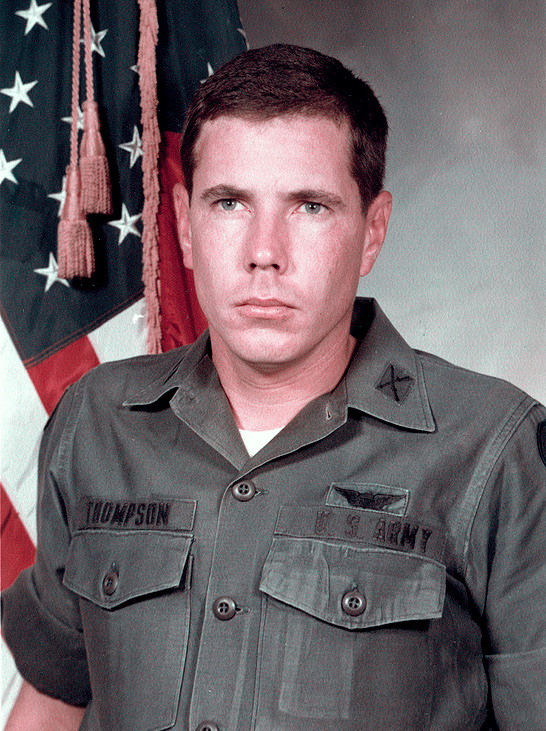
Thompson was 25 years old on March 16, 1968. His crew that morning: Specialist 4 Lawrence Manley Colburn (door gunner, 18 years old) and Specialist 4 Glenn U. Andreotta (crew chief, 20 years old). Their aircraft was an OH-23 Raven — a small, two-seat helicopter used for scout and reconnaissance missions. The crew had been assigned to observe and report Charlie Company's operation from the air.
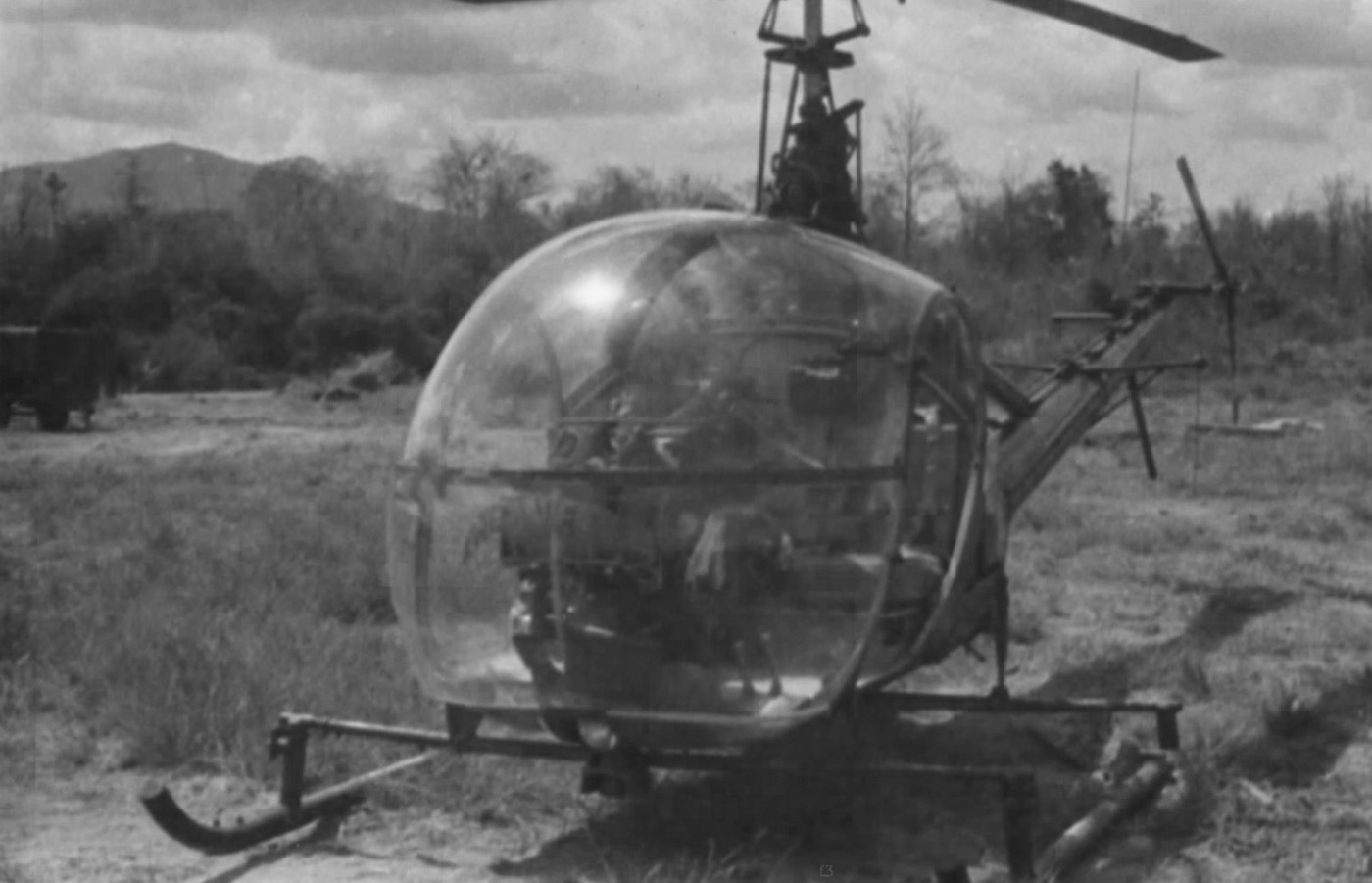
What Thompson observed from the air over Mỹ Lai 4 between approximately 8:30 a.m. and 10:00 a.m.:
- Vietnamese civilians — predominantly women and children — being herded across rice fields by Charlie Company personnel.
- Bodies of Vietnamese civilians in irrigation ditches and on hamlet paths.
- Charlie Company personnel firing at civilians not engaged in any combat behavior.
Thompson's response: he landed his OH-23 in front of a group of approximately 10-12 Vietnamese civilians who were being approached by Charlie Company personnel. He instructed Colburn and Andreotta to direct their M60 machine guns at the U.S. infantry. He spoke with the senior U.S. personnel on the ground (subsequently identified as Lieutenant Stephen Brooks's 2nd Platoon elements). Thompson informed the U.S. personnel that he would direct his guns on them if they continued to engage the civilians. He then arranged for two Army UH-1 Huey helicopters to evacuate the 10-12 civilians to a nearby aid station.
Thompson made a fourth contribution: he extracted a young Vietnamese boy — approximately 8 years old, alive but unable to walk — from a drainage ditch where Charlie Company had killed approximately 70-80 civilians, and personally airlifted the boy to a Quảng Ngãi field hospital. The boy survived.
The cover-up
The Americal Division's official after-action report on the March 16 operation was prepared by Lieutenant Colonel Frank Barker, Task Force Barker commander, and submitted on March 18. The report characterized the operation as a successful search-and-destroy engagement against the 48th Local Force Battalion with 128 Việt Cộng killed.
The cover-up extended to multiple command echelons. The Peers Commission's 1970 report subsequently identified at least 30 U.S. personnel involved in concealment activities at company, battalion, brigade, and division command levels between March 16 and the public disclosure 20 months later. The principal cover-up actions:
- Falsification of after-action report. Barker's March 18 report was based on briefings from Charlie Company officers who had been present and had themselves participated in or witnessed the killings.
- Concealment of Thompson's report. Thompson personally reported what he had observed to his immediate superior, Major Frederic Watke (123rd Aviation Battalion), on the afternoon of March 16. Watke reported the matter to Colonel Oran Henderson, 11th Brigade commander. Henderson conducted what was characterized as an "informal investigation" — interviewing Charlie Company personnel only — and reported no irregularities.
- Division-level concealment. Major General Samuel Koster, the Americal Division commander, was briefed by Henderson on Thompson's allegations. Koster's response: no formal investigation. Koster's role was the principal subject of the Peers Commission's institutional findings.
- Press releases. The Americal Division's public-affairs office released a press statement on March 17 characterizing the operation as a successful engagement.
The Vietnamese district administration submitted complaints about civilian casualties through South Vietnamese government channels in March-April 1968. These complaints were received by U.S. military advisers and were not pursued.
Ron Ridenhour's letter
The cover-up began to unravel approximately one year after the events. Ron Ridenhour, a 22-year-old former Army specialist who had served in Vietnam (with Company E, 51st Infantry, LRP) between 1967 and 1968, had heard accounts of the events at Sơn Mỹ from members of Charlie Company at later postings — including from "Butch" Gruver, Charles Gruver, and Larry LaCroix.
Ridenhour, on returning to the United States, spent approximately six months between December 1968 and March 1969 conducting his own informal investigation: tracking down Charlie Company veterans, recording their accounts, cross-referencing geographic and chronological details. His conclusion: the accounts were consistent enough to constitute reliable evidence of large-scale unlawful killings of civilians.
On March 29, 1969, Ridenhour sent a five-page letter to 30 federal officials. The mailing list:
- President Nixon (then 2 months in office).
- Secretary of Defense Melvin Laird.
- Joint Chiefs of Staff Chairman General Earle Wheeler.
- The Senate Armed Services Committee chair and ranking member.
- Twenty members of Congress (selected for their interest in military oversight).
- Six senators (including Edward Kennedy, Eugene McCarthy, Mike Mansfield, and Barry Goldwater).
Ridenhour's letter described the alleged events in approximately 1,500 words. He named seven Charlie Company veterans as his sources and provided their contact information.
The letter precipitated the U.S. Army Criminal Investigation Division (CID) inquiry, formally opened on April 23, 1969. The CID investigation — initially led by Warrant Officer André Feher — interviewed Charlie Company veterans, located three additional eyewitnesses, and confirmed the substance of Ridenhour's allegations by approximately August 1969.
Seymour Hersh, November 12, 1969
The CID investigation was a closed Army inquiry. It produced no public information through the late summer and early fall of 1969. The Army did, in early September 1969, charge William Calley with the murder of 109 Vietnamese civilians — but the charge was filed without press release and without public statement of the underlying allegations.
The freelance investigative journalist Seymour Myron Hersh — 32 years old, a former AP reporter who had won the Polk Award in 1967 for his coverage of U.S. chemical and biological weapons programs — received a tip about the Calley charge from an anonymous source (subsequently identified as Geoffrey Cowan, a lawyer at the National Resources Defense Council).
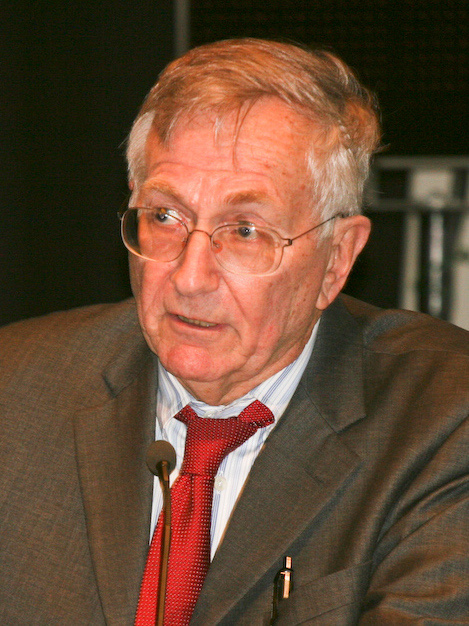
Hersh worked the story for approximately five weeks in October-November 1969. He located Calley (in pre-trial detention at Fort Benning, Georgia) and conducted a substantive interview. He located Ridenhour and confirmed the original tip. He located three additional Charlie Company veterans and obtained eyewitness accounts. He pitched the resulting story to Life and Look magazines; both declined.
Hersh ultimately distributed the story through Dispatch News Service — a small alternative news agency. The story ran on November 12, 1969 in approximately 30 U.S. newspapers including the Boston Globe and the Washington Post. The New York Times picked it up on November 13. Time magazine's December 5, 1969 issue made it the cover story. The story was subsequently picked up internationally.
Hersh won the 1970 Pulitzer Prize for International Reporting. He has since written approximately a dozen books and remained a principal investigative reporter through 2025.
The Peers Commission and the trials
The Peers Commission — formally the Department of the Army Review of the Preliminary Investigations into the My Lai Incident — was convened by Army Chief of Staff General William C. Westmoreland on November 24, 1969, twelve days after the Hersh disclosure. The commission was led by Lieutenant General William R. Peers.
The Peers Commission's investigation extended from December 1969 through March 1970. The commission interviewed approximately 400 witnesses (including substantially all surviving Charlie Company personnel), reviewed approximately 20,000 pages of operational documents, and visited the Sơn Mỹ site (April 1970). The commission's report — declassified and released in March 1970 — concluded:
- Charlie Company personnel killed "a large number of noncombatants" at Mỹ Lai 4 on March 16, 1968.
- The killings were conducted across approximately four hours in a pattern that indicated systematic rather than incidental conduct.
- A cover-up was organized at multiple command levels and persisted for approximately 18 months.
- At least 30 personnel — from company level through division command — bore some institutional responsibility.
Of 26 personnel ultimately charged with criminal offenses:
- Lieutenant William Calley — Tried at Fort Benning, Georgia, November 1970 – March 1971. Convicted March 29, 1971 of the premeditated murder of 22 civilians. Sentenced to life imprisonment with hard labor.
- Captain Ernest Medina — Tried at Fort McPherson, August-September 1971. Acquitted on all charges.
- Captain Eugene Kotouc — Acquitted.
- Colonel Oran Henderson — Tried 1971, acquitted.
- Lieutenant Stephen Brooks — Killed in action in Vietnam, April 1968.
- All other 21 charged personnel — Charges dismissed or referred to non-judicial punishment (Article 15).
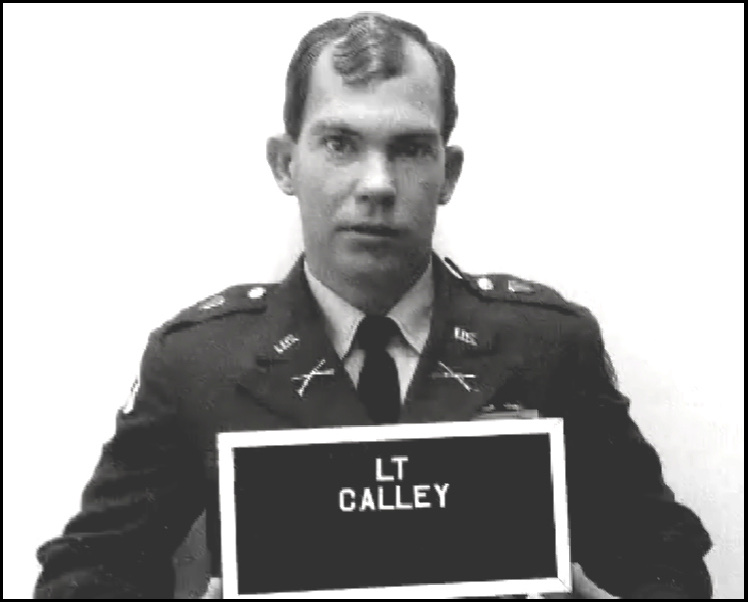
Calley's life sentence was reduced by the convening authority (the commanding general of the Third U.S. Army) to 20 years on August 20, 1971. President Nixon transferred Calley from Fort Leavenworth military prison to house arrest at Fort Benning within 24 hours of the March 1971 conviction. Calley served approximately 30 days at Leavenworth before the transfer; he served the remaining 3.5 years at his Fort Benning bachelor quarters, then released on parole November 19, 1974. The Secretary of the Army subsequently reduced Calley's sentence to ten years; an Army Clemency and Parole Board recommendation in 1976 reduced it further. Calley received no further confinement.
The institutional consequences
The My Lai case had four substantive institutional consequences in U.S. military and civilian doctrine:
Superior-orders defense. The Calley court-martial's rejection of Calley's defense — that he had been following Captain Medina's orders — established the principle that U.S. military personnel may not invoke superior orders as a defense to acts that a reasonable person would recognize as unlawful. This principle had been articulated at Nuremberg in 1946-1948 but had not previously been operationalized in U.S. military jurisprudence.
After-action reporting standards. The exposure of the falsified Barker report led to extensive 1970-1975 reforms of Army after-action reporting requirements, including the introduction of independent-verification protocols and the requirement of multi-source corroboration for casualty claims.
Rules of engagement reform. The U.S. Army's 1972 revision of operational doctrine introduced explicit and detailed civilian-protection provisions in rules-of-engagement statements. The doctrine reform was extended to all U.S. military services by 1975.
Whistleblower precedent. Ron Ridenhour's letter became the foundational case in U.S. military-whistleblower doctrine. Subsequent legislation — including the 1986 Military Whistleblower Protection Act — was directly informed by the Ridenhour precedent.
The Vietnamese government established the Sơn Mỹ Memorial in 1976. The site has been a national memorial since 1979. The U.S. Army's Center of Military History prepared its own comprehensive after-the-fact account in 1973 (Lieutenant Colonel William Eckhardt's My Lai: An American Tragedy); the document has been continuously available since the Pentagon Papers-era declassifications.
The cast
Sources
Primary documents:
- Report of the Department of the Army Review of the Preliminary Investigations into the My Lai Incident, Lieutenant General William R. Peers, March 14, 1970. 4 volumes; declassified in part 1974, in substantial part 1976, in further parts 1993.
- United States v. William L. Calley Jr. — court-martial record, Fort Benning, Georgia, November 1970 – March 1971.
- United States v. Ernest L. Medina — court-martial record, Fort McPherson, August-September 1971.
- United States v. Oran K. Henderson — court-martial record, 1971.
- Hugh Thompson Jr. — Peers Commission deposition, December 1969.
- Ron Ridenhour, letter of March 29, 1969 to President Nixon and 29 other federal officials.
- Army Criminal Investigation Division (CID) case file, declassified portions 1970-2010.
- U.S. House Armed Services Committee, Investigation of the My Lai Incident, hearings April-June 1970.
Secondary investigative reporting: 9. Seymour M. Hersh, "Lieutenant Accused of Murdering 109 Civilians," Dispatch News Service, November 12, 1969. 10. Seymour M. Hersh, My Lai 4: A Report on the Massacre and Its Aftermath (Random House, 1970). 11. Seymour M. Hersh, Cover-Up: The Army's Secret Investigation of the Massacre at My Lai 4 (Random House, 1972). 12. Trent Angers, The Forgotten Hero of My Lai: The Hugh Thompson Story (Acadian House, 1999). 13. Michael Bilton and Kevin Sim, Four Hours in My Lai (Penguin, 1992). 14. PBS Frontline, "Remember My Lai," 1989. 15. Brian Gegenheimer, My Lai: An American Tragedy (Time-Life, 1998). 16. The Vietnam War (Ken Burns and Lynn Novick, PBS, 2017) — Episode 8 covers My Lai context. 17. The Atlantic, "The Scene of the Crime," Seymour Hersh, March 2015 — 47-year retrospective. 18. 60 Minutes, "The Killings at My Lai," March 2008 — 40-year anniversary segment.
Academic / specialist scholarship: 19. Howard Jones, My Lai: Vietnam, 1968, and the Descent into Darkness (Oxford University Press, 2017). The standard contemporary academic treatment. 20. Kendrick Oliver, The My Lai Massacre in American History and Memory (Manchester University Press, 2006). 21. Mark Lazerson and James S. Olson, My Lai: A Brief History with Documents (Bedford/St. Martin's, 1998). 22. William Eckhardt, "Command Criminal Responsibility: A Plea for a Workable Standard," Military Law Review 97, Summer 1982.
Corrections & updates
2026-06-03: First publication.
Inspired this / based on it
Howard Jones
Oxford University Press. The leading 21st-century academic synthesis.
Michael Bilton and Kevin Sim
Penguin. Companion to the 1989 PBS Frontline documentary.
PBS Frontline
First broadcast documentary featuring interviews with Charlie Company veterans and Hugh Thompson.
Seymour M. Hersh
Random House. The contemporaneous expanded report by the Pulitzer-winning original journalist.
Trent Angers
Acadian House. The principal biographical treatment of Thompson, accompanying his 1998 Soldier's Medal.
Ken Burns and Lynn Novick / PBS · ★ 9
Episode 8 ("The History of the World," May-July 1968) covers My Lai in detail.
Filed under
- #my-lai
- #son-my
- #charlie-company
- #william-calley
- #ernest-medina
- #hugh-thompson
- #seymour-hersh
- #ron-ridenhour
- #peers-commission
- #vietnam-war
- #americal-division
- #1968
- #asia
- #vietnam
- #war-crimes
- #declassified
- #cover-up
Click any tag for every article carrying it.
Continue reading
The Pentagon Papers
In October 1969, a Defense Department analyst at the RAND Corporation in Santa Monica began making photocopies of a 7,000-page classified history of the Vietnam War. He worked nights, with a single accomplice. He took the documents home in stages. He photocopied them on a commercial Xerox machine that his daughter, age 13, helped him operate. Twenty-one months later, the New York Times began publishing them. The Nixon White House obtained the first prior-restraint injunction against an American newspaper in 154 years. The Supreme Court overturned it within fifteen days. The same White House unit set up to stop Daniel Ellsberg from leaking anything else became, eight months later, the unit that broke into the Democratic National Committee at Watergate.
Operation Condor
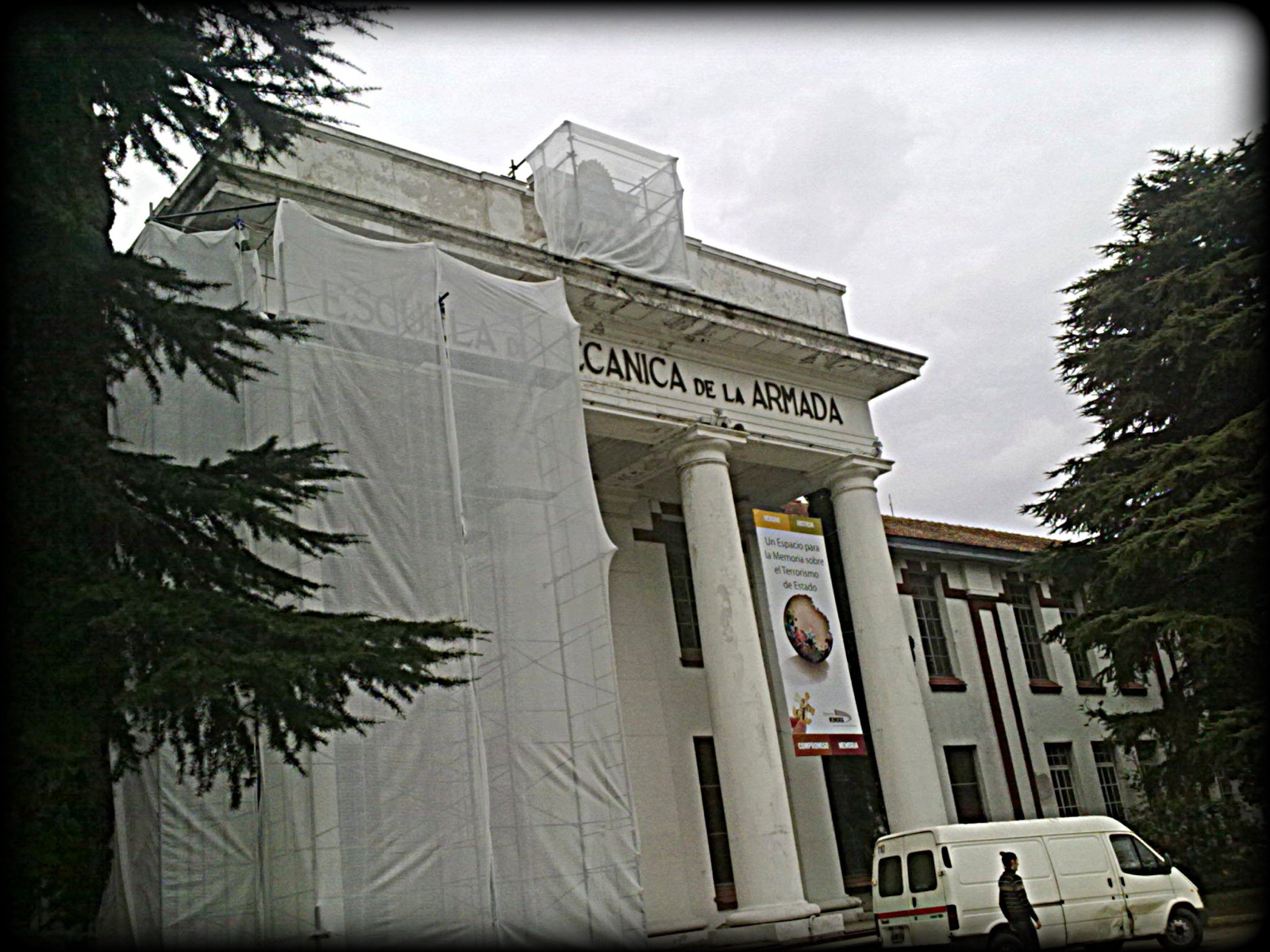
On November 25, 1975, in the headquarters of Chile's National Intelligence Directorate (DINA) in Santiago, the intelligence chiefs of six South American military dictatorships — Argentina, Bolivia, Brazil, Chile, Paraguay, and Uruguay — signed the founding charter of what they named *Operación Cóndor*. The agreement was sponsored by DINA's director, Colonel Manuel Contreras, with the formal cooperation of his counterparts in the participating regimes. Operation Condor was a clandestine cross-border intelligence-sharing and counter-insurgency apparatus designed to identify, locate, surveil, abduct, interrogate, and — where the participating regimes determined it warranted — assassinate political opponents of any of the member governments, anywhere they could be reached. The operation conducted hundreds of cross-border abductions, was directly responsible for several thousand documented disappearances within the participating countries, and carried out at least three documented international assassinations: General Carlos Prats in Buenos Aires on September 30, 1974 (in the pre-charter operational period); the attempted assassination of Bernardo Leighton and his wife in Rome on October 6, 1975; and the September 21, 1976 car-bomb killing of former Chilean Foreign Minister Orlando Letelier and his American assistant Ronni Moffitt at Sheridan Circle, two miles from the White House. The United States Department of State, under Secretary Henry Kissinger, was briefed on Condor's existence and capabilities; the Central Intelligence Agency provided communications infrastructure (a continental cryptocommunications system known as 'Condortel') in 1976. The full organizational structure was unknown to the public until December 1992, when Paraguayan dissident lawyer Martín Almada and a Paraguayan judge located 60,000 pages of operational records — the 'Archives of Terror' — in a police facility in a Lambaré suburb of Asunción. The Argentine 'Mega-Causa Plan Cóndor' trial concluded in May 2016 with the conviction of 15 senior officers including former Argentine President Reynaldo Bignone. The Italian Court of Cassation issued final convictions in absentia of 24 South American officers in 2019. The case is closed in legal terms; it is the most operationally-documented multinational state-sponsored political-murder program of the late 20th century.
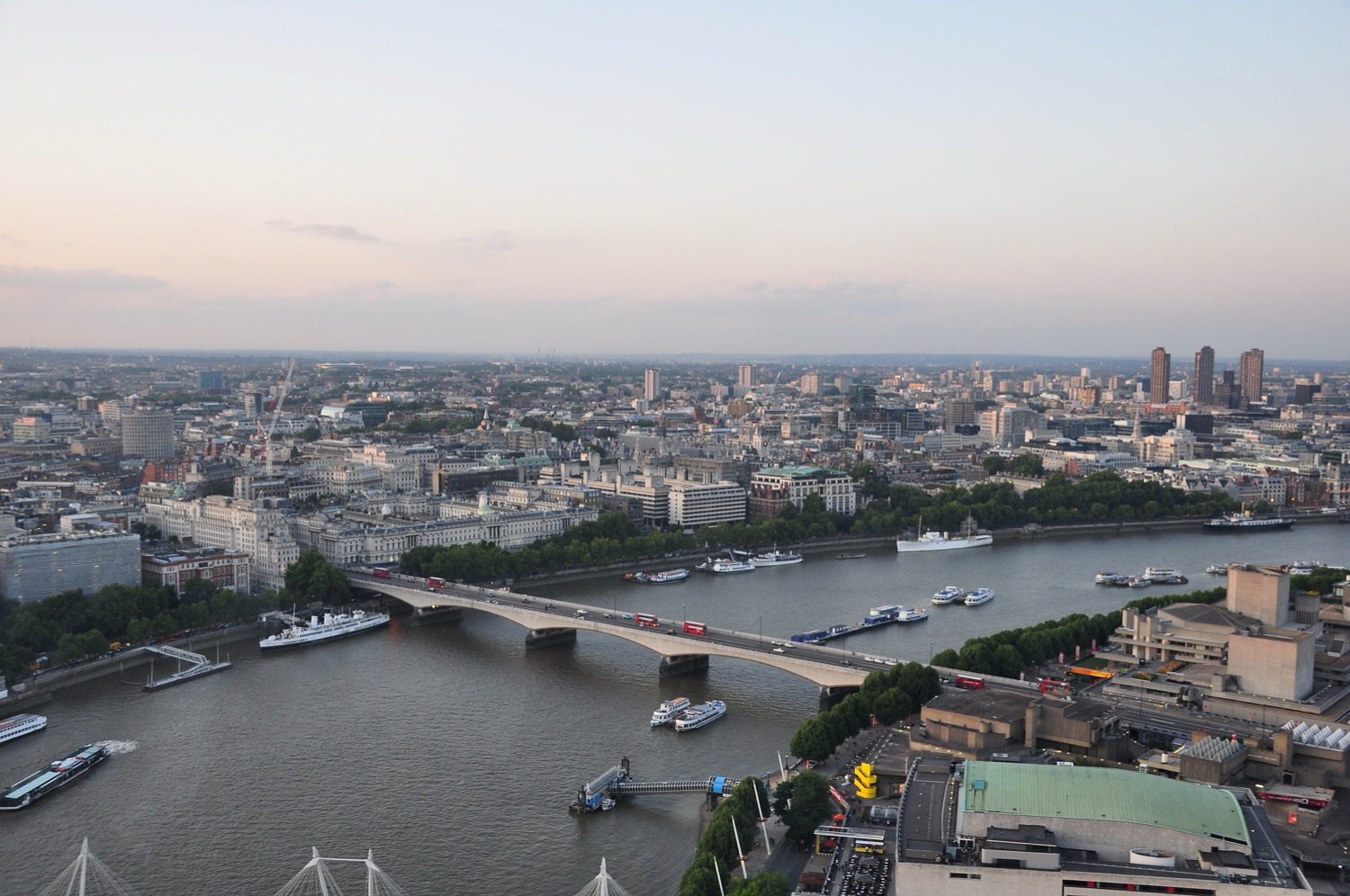
The Umbrella Murder: The Poisoning of Georgi Markov
On the afternoon of 7 September 1978, Georgi Markov, a Bulgarian émigré writer, was waiting at a bus stop on Waterloo Bridge in London, on his way to his job at the BBC World Service, when he felt a sudden sharp sting in the back of his right thigh. Turning, he saw a man behind him bending to pick up a dropped umbrella; the man apologised in a foreign accent, hurried across the road, and got into a taxi. Markov thought little of it at first, but by that evening he had developed a high fever, and over the next three days his condition collapsed catastrophically. He died on 11 September, aged forty-nine. A post-mortem examination found, embedded in his thigh, a tiny metal pellet no larger than a pinhead, drilled with minuscule cavities that had held a dose of ricin — one of the deadliest toxins known, and one for which there is no antidote. Markov had been assassinated in broad daylight on a London street, murdered for the crime of broadcasting the truth about the communist regime in his homeland. The method — a poison pellet delivered, it is believed, by a specially engineered umbrella — became one of the most infamous images of Cold War espionage, and the killing itself one of its clearest examples of a state reaching across borders to silence a dissident. This is the story of the umbrella murder.