Tag
#asia
6 articles
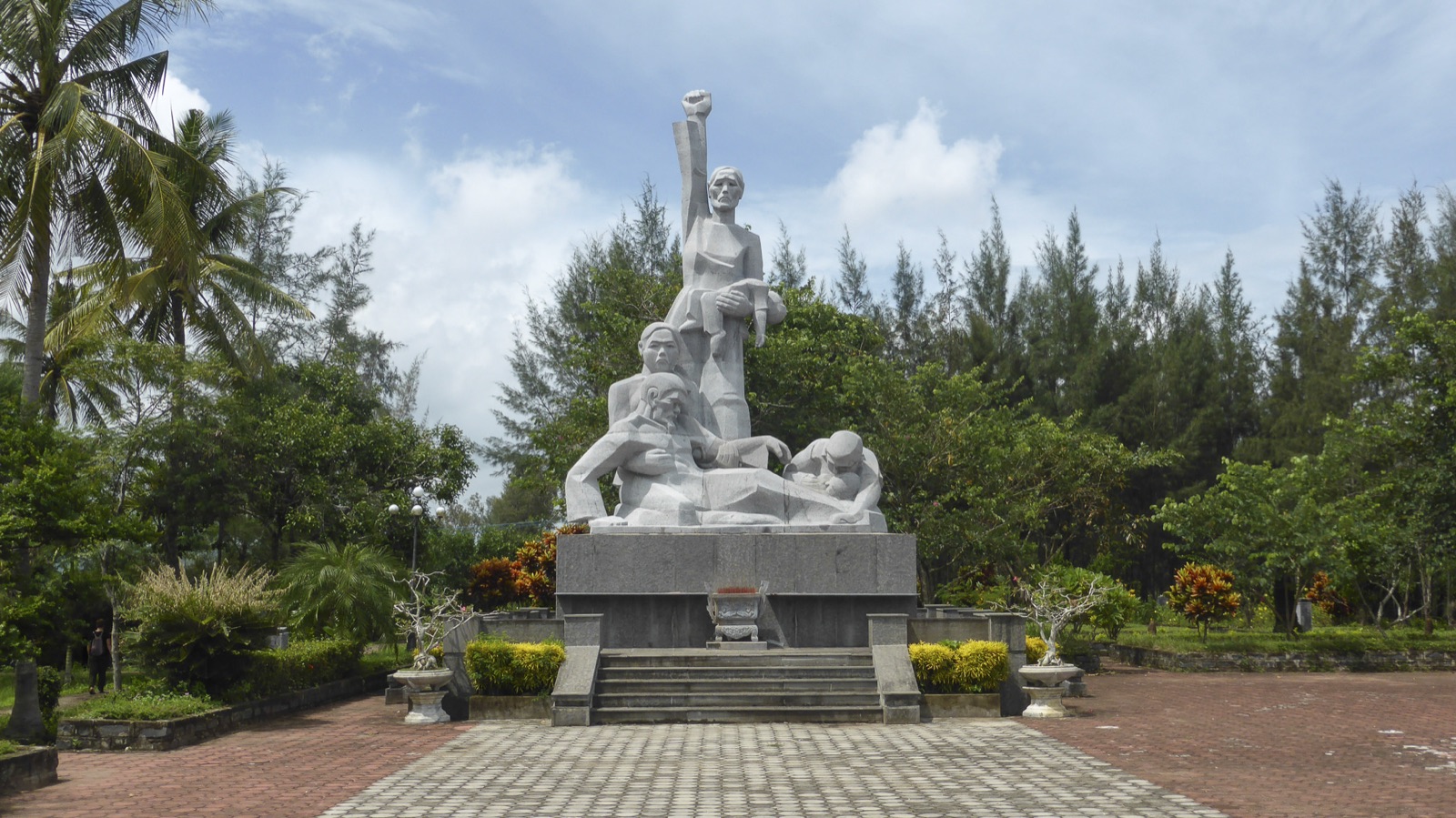
My Lai Massacre
On Saturday morning, March 16, 1968 — five months after the Tet Offensive had upended the U.S. military's narrative of the Vietnam War, six weeks after Walter Cronkite's CBS Evening News commentary that the war was "mired in stalemate," and forty-eight days after President Lyndon Johnson would announce on March 31 that he would not seek re-election — Charlie Company of the 1st Battalion, 20th Infantry, 11th Light Infantry Brigade, Americal Division, was inserted by helicopter into the rice-paddy farmland surrounding the hamlets of Sơn Mỹ village, Quảng Ngãi Province, central Vietnam. The company's commanding officer was Captain Ernest Medina; the 1st Platoon was led by 2nd Lieutenant William Laws Calley Jr. The operation's mission, as briefed the previous evening, was to engage and destroy the 48th Local Force Battalion of the Việt Cộng, which Army intelligence had assessed was using Sơn Mỹ as a base. The 48th Battalion was not in the hamlets that morning. The hamlets were occupied by approximately 700 civilians — predominantly women, children under 16, and adults over 60. Between approximately 7:30 a.m. and 11:30 a.m. local time, Charlie Company killed an estimated 504 of them. The company sustained one casualty: one U.S. soldier shot himself in the foot — an act subsequently classified as self-inflicted. No enemy combatants were killed. No weapons were recovered. The killings were halted by the intervention of three Army aviation crew members — Warrant Officer Hugh Thompson Jr., his door gunner Specialist Lawrence Colburn, and his crew chief Specialist Glenn Andreotta — flying overhead in an OH-23 Raven observation helicopter, who landed and threatened to direct their guns on Charlie Company personnel to enforce protection of approximately 11 surviving Vietnamese civilians whom they evacuated. The Army's after-action report, filed March 18, 1968, characterized the operation as a successful engagement of the 48th Battalion with 128 enemy killed. The actual events did not enter public knowledge for twenty months: until November 12, 1969, when freelance journalist Seymour Hersh, working from a tip provided by 23-year-old former Army specialist Ron Ridenhour — who had not been at Sơn Mỹ but had heard the accounts from members of Charlie Company at later postings — published the first comprehensive account through Dispatch News Service. Of 26 personnel ultimately charged with criminal offenses in connection with the events of March 16, 1968, exactly one was convicted: Lieutenant Calley, found guilty in March 1971 of the murder of 22 civilians. President Nixon transferred Calley to house arrest within 24 hours of the conviction. Calley served approximately 3.5 years of house arrest before being released on parole in November 1974. He was the only person ever to serve any term of confinement for what the U.S. military's own subsequent inquiry — the Peers Commission of 1969-1970 — characterized as the killing of "a large number of noncombatants."
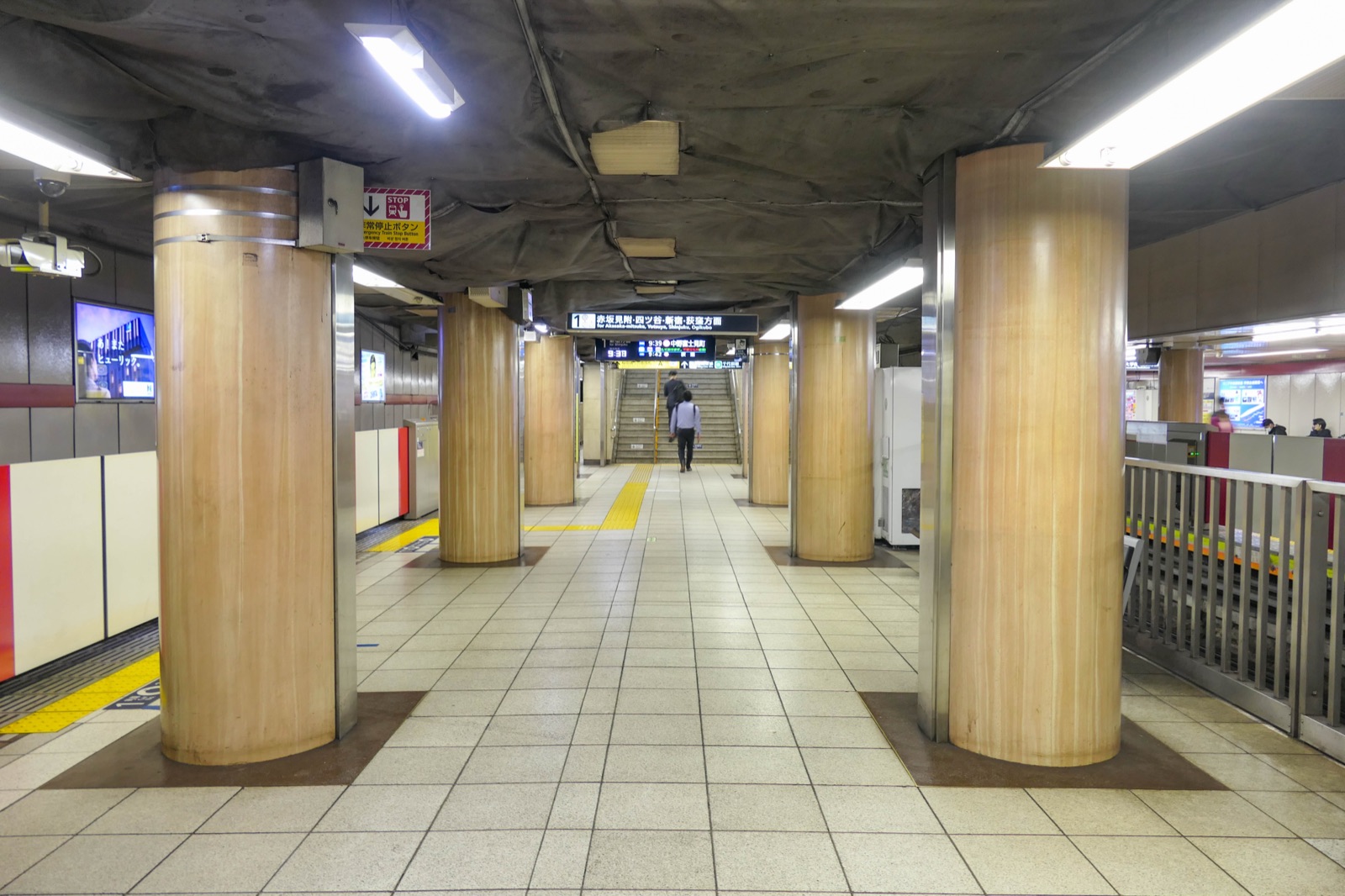
Aum Shinrikyo and the Tokyo Subway Attack
At 7:48 a.m. on Monday, March 20, 1995, five members of the Japanese new-religious-movement *Aum Shinrikyo* boarded five different trains on three converging Tokyo subway lines. Each carried two or three plastic bags wrapped in newspaper, each bag containing approximately 600 milliliters of impure liquid sarin. As the trains approached Kasumigaseki station — the station at the political heart of Tokyo, beneath the National Diet, the Supreme Court, and the major ministries — each man set down his package, pierced the bags with the sharpened tip of an umbrella, and stepped off at the next station. The released sarin evaporated through the morning commute. The first 911 call came at 8:09 a.m. By the time the trains had been cleared, hospitals across Tokyo were processing the largest mass-casualty event in Japanese postwar history: 13 dead (a 14th died of injuries 14 years later), approximately 5,800 injured, of whom approximately 1,000 required hospitalization. The attackers belonged to a cult that, in 1989, had been registered as a recognized religious organization with Japanese authorities, and by 1995 claimed approximately 40,000 members worldwide. Its founder, Shoko Asahara — a half-blind acupuncturist and yoga instructor — had ordered the attack as part of a planned millenarian apocalypse that would establish Aum theocratic rule in Japan. Asahara was executed by hanging on July 6, 2018, together with six other Aum senior figures. The attack remains the single most consequential act of chemical-weapon terrorism by a non-state actor in modern history.
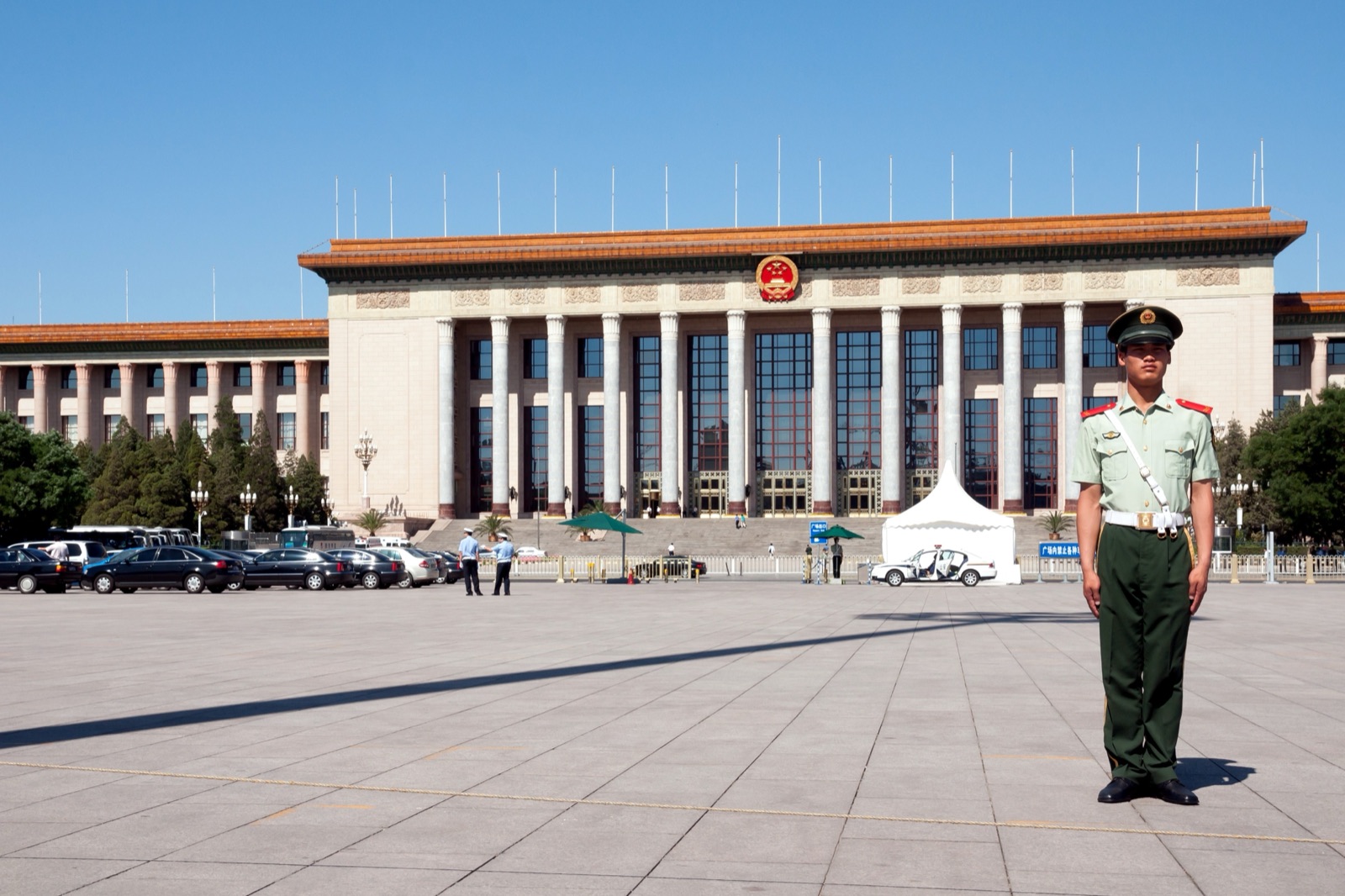
Tiananmen Square 1989
Between April 15 and June 4, 1989, the Chinese Communist Party faced its most serious internal political challenge since the founding of the People's Republic in 1949. What began as a student memorial for the deceased reformist Party Secretary Hu Yaobang on April 15 evolved within weeks into a nation-wide pro-democracy movement: hundreds of thousands of student demonstrators occupied Tiananmen Square in Beijing, factory workers organized autonomous unions outside the Party structure, hunger strikes drew international press attention, and the Party leadership itself split publicly between reformist General Secretary Zhao Ziyang and the hardline majority centered on paramount leader Deng Xiaoping. Martial law was declared on May 20. On the night of June 3-4, 1989, units of the People's Liberation Army's 27th and 38th Armies cleared the square. The official Chinese death toll was 200-300, all civilians. Western estimates ranged from 1,000 to 2,600. The British ambassador Sir Alan Donald's June 5 cable to London — declassified in October 2017 — placed the toll at 10,454 dead. On June 5, an unidentified man stepped in front of a column of armored vehicles on Chang'an Avenue. The photograph and video — captured by four foreign journalists from different angles — became the most-circulated image of late-20th-century resistance. The man's identity has never been publicly established. The Chinese state has, since 1989, conducted one of the most sustained information-control operations in modern history to remove the events from Chinese public consciousness.
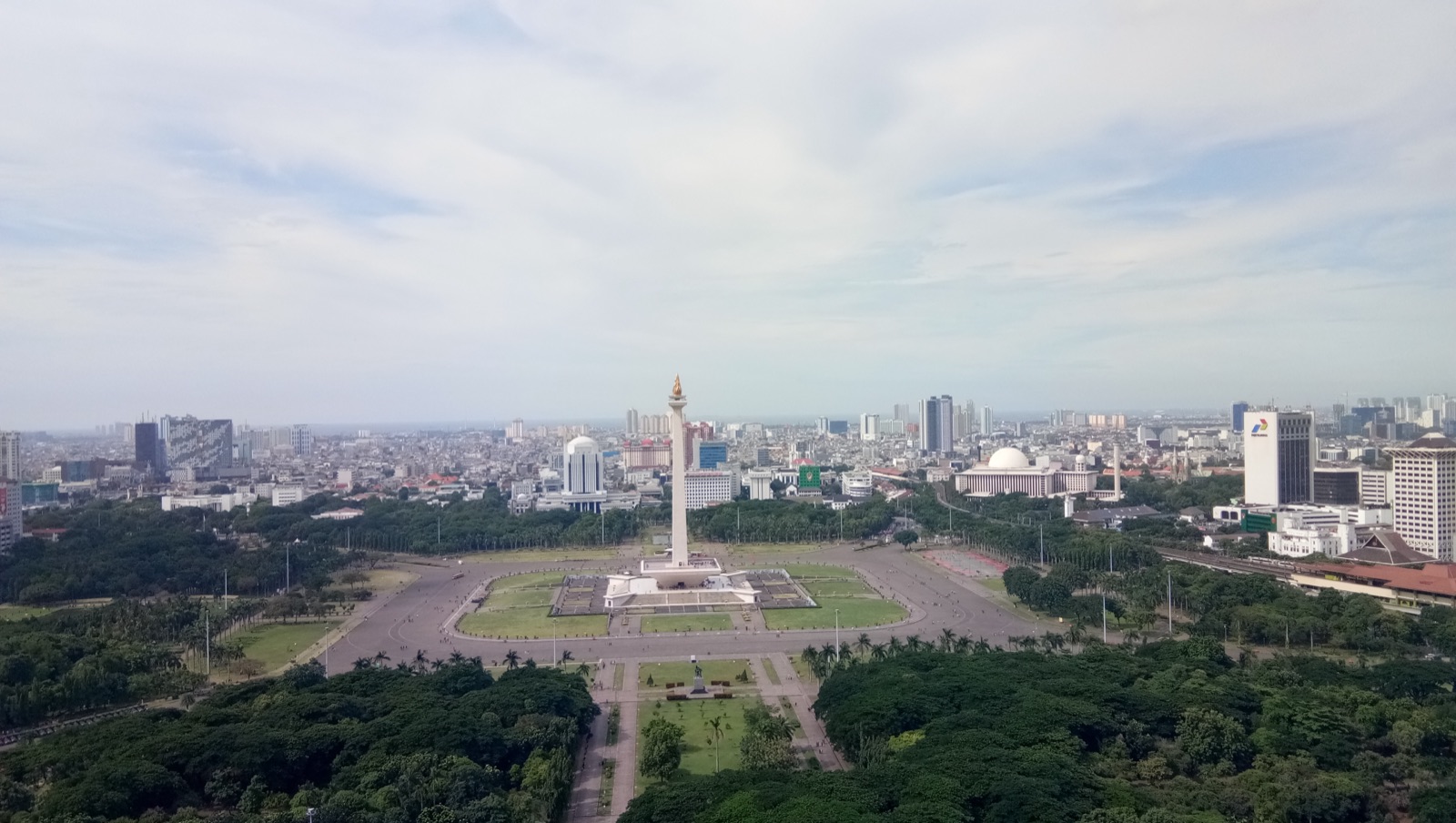
Indonesia 1965
Between October 1965 and March 1966, the Indonesian Army and its civilian and religious militia allies killed between 500,000 and 1 million people. The targets were members and suspected sympathizers of the Indonesian Communist Party (PKI) — at the time, the third-largest communist party in the world after the Soviet and Chinese parties, with approximately 3 million card-carrying members. The killings began in the aftermath of a failed coup attempt on the night of September 30 to October 1, 1965, in which six senior Army generals were murdered. The Army, under General Suharto, blamed the PKI. Within ten days, anti-communist purges had begun across Java; within six months they had spread to Bali, Sumatra, and other islands. The U.S. Embassy in Jakarta — under Ambassador Marshall Green — supplied the Indonesian Army with lists of suspected PKI members. The U.S. State Department declassified approximately 30,000 pages of embassy cables and CIA briefings in October 2017, confirming the operational support pattern that historians had documented from other sources since the 1990s. President Sukarno was forced from power; Suharto formally became President in March 1968. Suharto's 'New Order' regime ruled Indonesia until 1998. The 1965-66 killings were never formally investigated by the Indonesian state. The 2012 documentary *The Act of Killing* (Joshua Oppenheimer) and its 2014 companion *The Look of Silence* brought the killings into international consciousness through interviews with the surviving perpetrators.
Unit 731
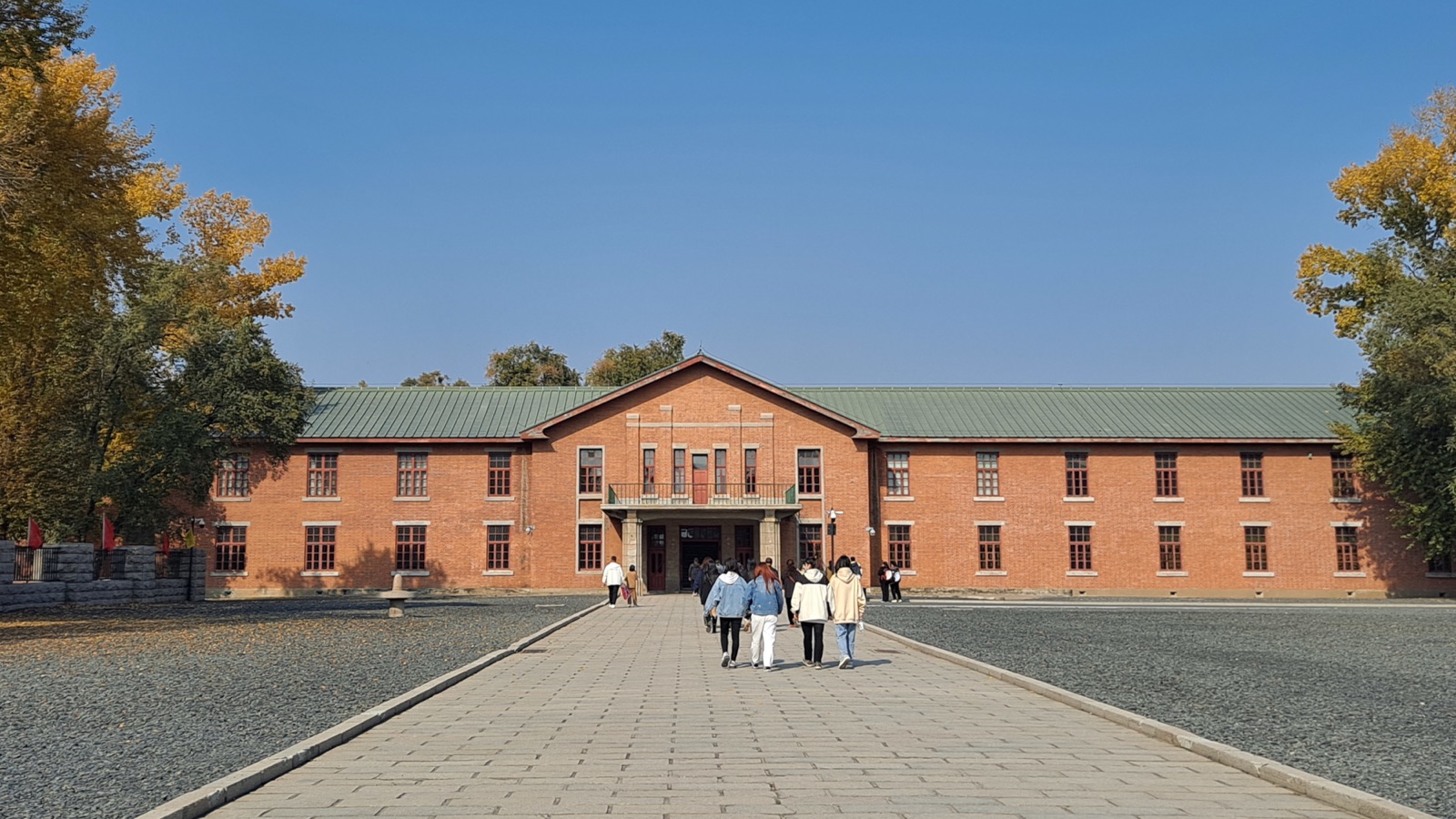
Between 1936 and 1945, the Imperial Japanese Army operated a 6-square-kilometer biological-warfare research compound at Pingfang, 24 kilometers south of the city of Harbin in Japanese-occupied Manchuria. The compound's bureaucratic designation was the *Epidemic Prevention and Water Purification Department of the Kwantung Army* — Unit 731 (七三一部隊, *Nana-san-ichi Butai*) was the unit number. Under its founding director, Surgeon General Shirō Ishii (1892-1959), Unit 731 conducted a sustained program of lethal medical experimentation on prisoners — primarily Chinese, but including Korean, Russian, and Allied POW subjects. The experiments included vivisection without anesthesia, deliberate frostbite induction and amputation, deliberate infection with plague, anthrax, cholera, typhus, and other pathogens, weapons-testing experiments using captured prisoners as targets, and field-testing of biological weapons on Chinese civilians in cities including Ningbo (1940) and Changde (1941). The total number of victims is contested; the most-cited estimates range from 3,000 to 12,000 direct experimental subjects plus a much larger number of Chinese civilians killed in field-deployment operations (estimates range from 200,000 to 580,000 across Chinese cities). When Soviet forces declared war on Japan in August 1945, Unit 731 personnel destroyed the Pingfang compound, killed the remaining ~400 prisoners, and escaped to Japan. Twelve Unit 731 staff were prosecuted at the 1949 Soviet Khabarovsk War Crime Trial; none were prosecuted at the 1946-1948 Allied International Military Tribunal for the Far East (the Tokyo Trials). General Ishii and his senior officers received explicit immunity from prosecution from U.S. occupation authorities under General Douglas MacArthur, in exchange for the surrender of Unit 731's research records and Ishii's personal cooperation. The U.S. Army declassification of approximately 100,000 pages of Unit 731-related material between 1999 and 2007 established the operational details of the immunity arrangement. The Japanese government did not formally acknowledge Unit 731 until 2002; it has not formally apologized.
COVID-19 Origins
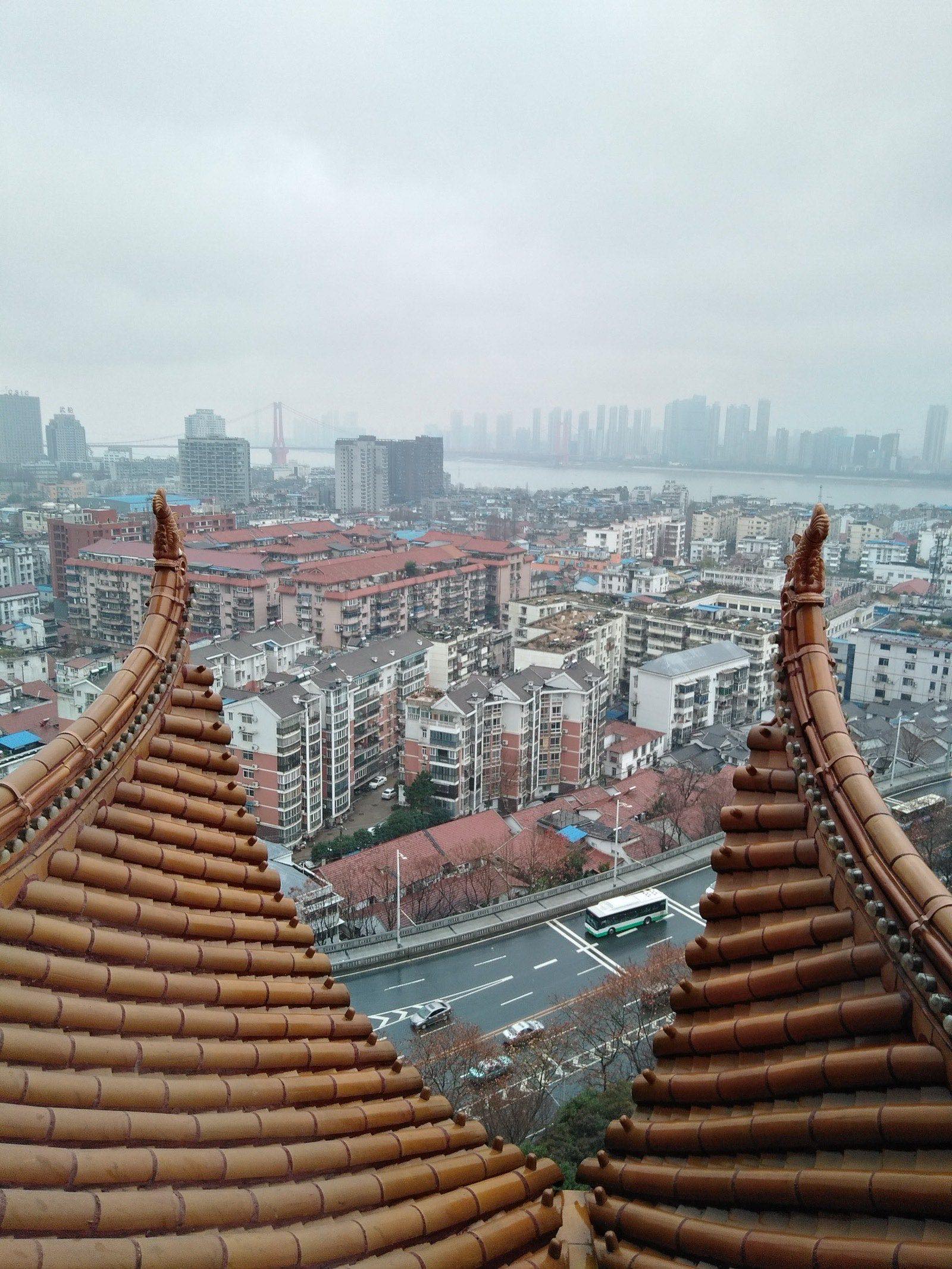
The first publicly documented cluster of pneumonia cases caused by what would later be named SARS-CoV-2 was identified in Wuhan, Hubei Province, China, in the second week of December 2019. By March 11, 2020, the World Health Organization had declared a pandemic. By mid-2024, the recorded global death toll was approximately 7 million; excess-mortality estimates ran two to three times higher. The origin of the virus has been the subject of two competing hypotheses since early 2020: a *natural zoonotic spillover* from a wildlife host (most likely a horseshoe bat via an intermediate species, possibly through the Huanan Seafood Wholesale Market in central Wuhan), and a *research-related incident* from one of the coronavirus research programs at the Wuhan Institute of Virology (WIV) located 14 kilometres south of the market. The WHO's 2021 joint study with Chinese authorities ruled the lab leak 'extremely unlikely.' Subsequent intelligence-community assessments by U.S. agencies have been internally divided. As of late 2025, the FBI and the U.S. Department of Energy lean toward a lab-origin hypothesis at low-to-moderate confidence; the CIA in January 2025 issued a low-confidence lab-origin assessment; other U.S. agencies have continued to favor natural zoonotic origin. Independent peer-reviewed analyses have likewise divided. The case file remains open. What follows is a description of what is documented, what is contested, and where the evidence currently stands.
6 files · end of the line