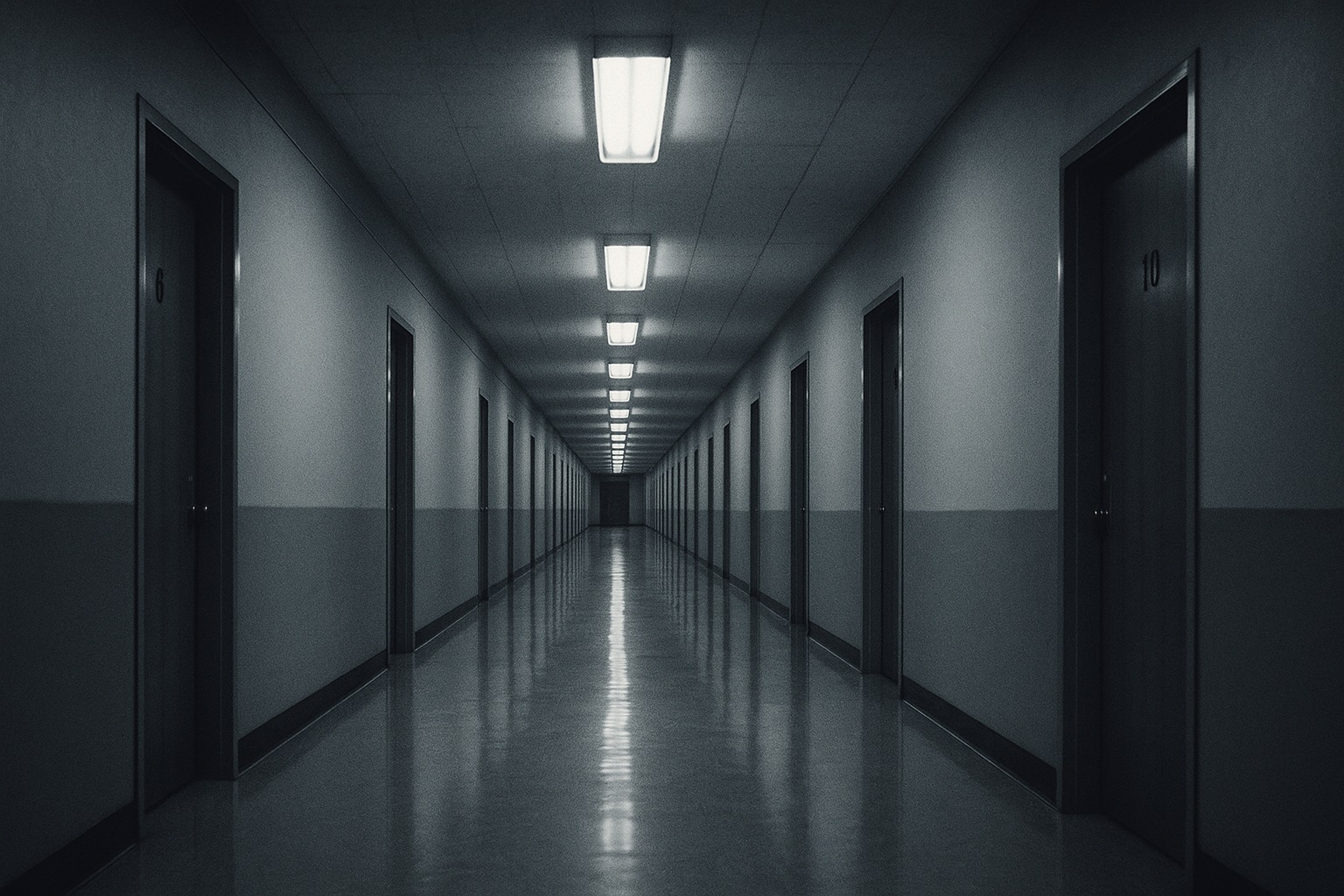
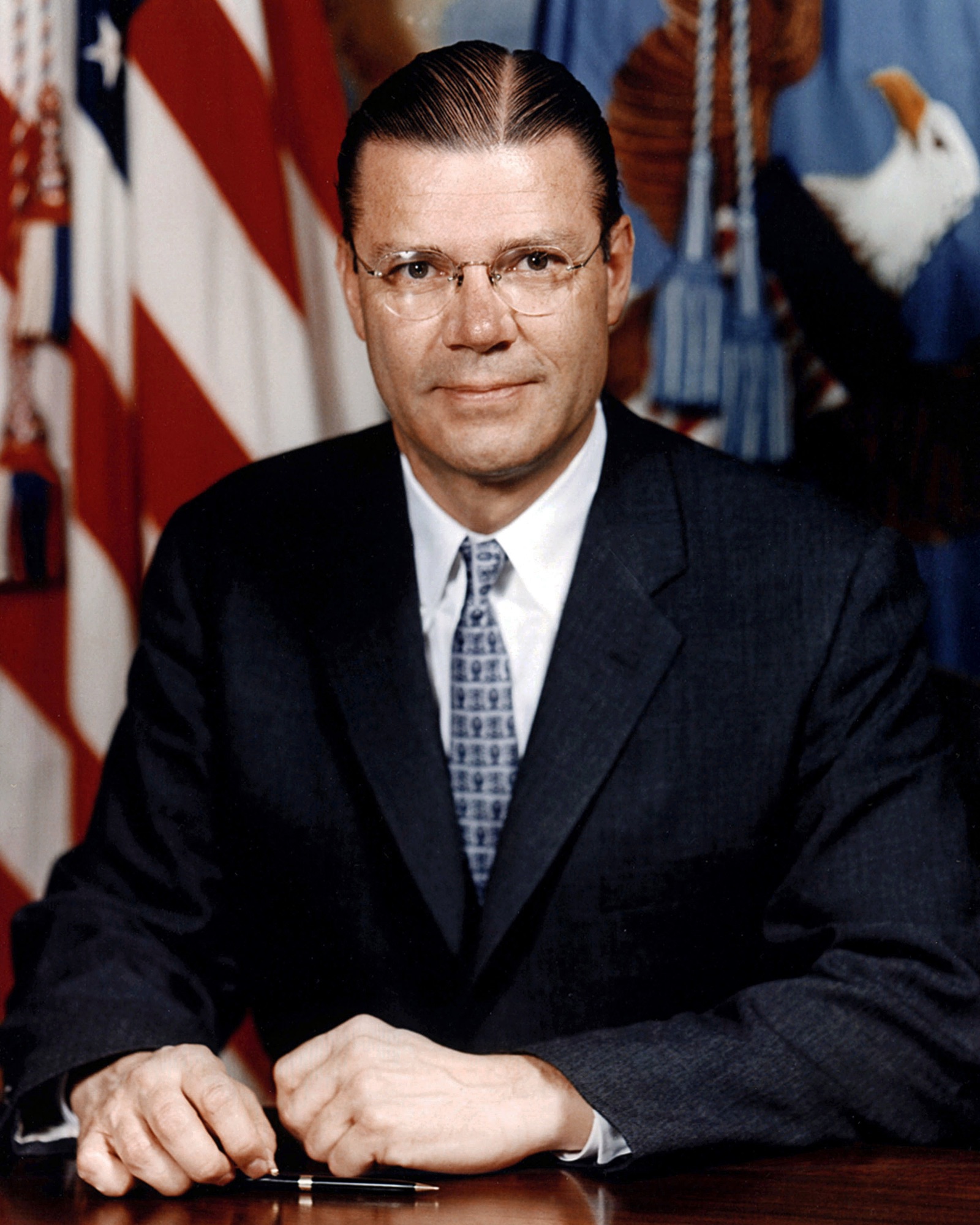
The Pentagon, Washington D.C. On March 13, 1962, the Joint Chiefs of Staff approved a memorandum that proposed a campaign of false-flag terrorism against the United States.
Operation Northwoods
The Pentagon's blueprint for a false flag
- Category
- State & Intelligence Operations
- Published
- Length
- 3,500 words · 17 min read
- Author
- The editors
Operation Northwoods
The Pentagon's blueprint for a false flag.
A Tuesday at the Pentagon
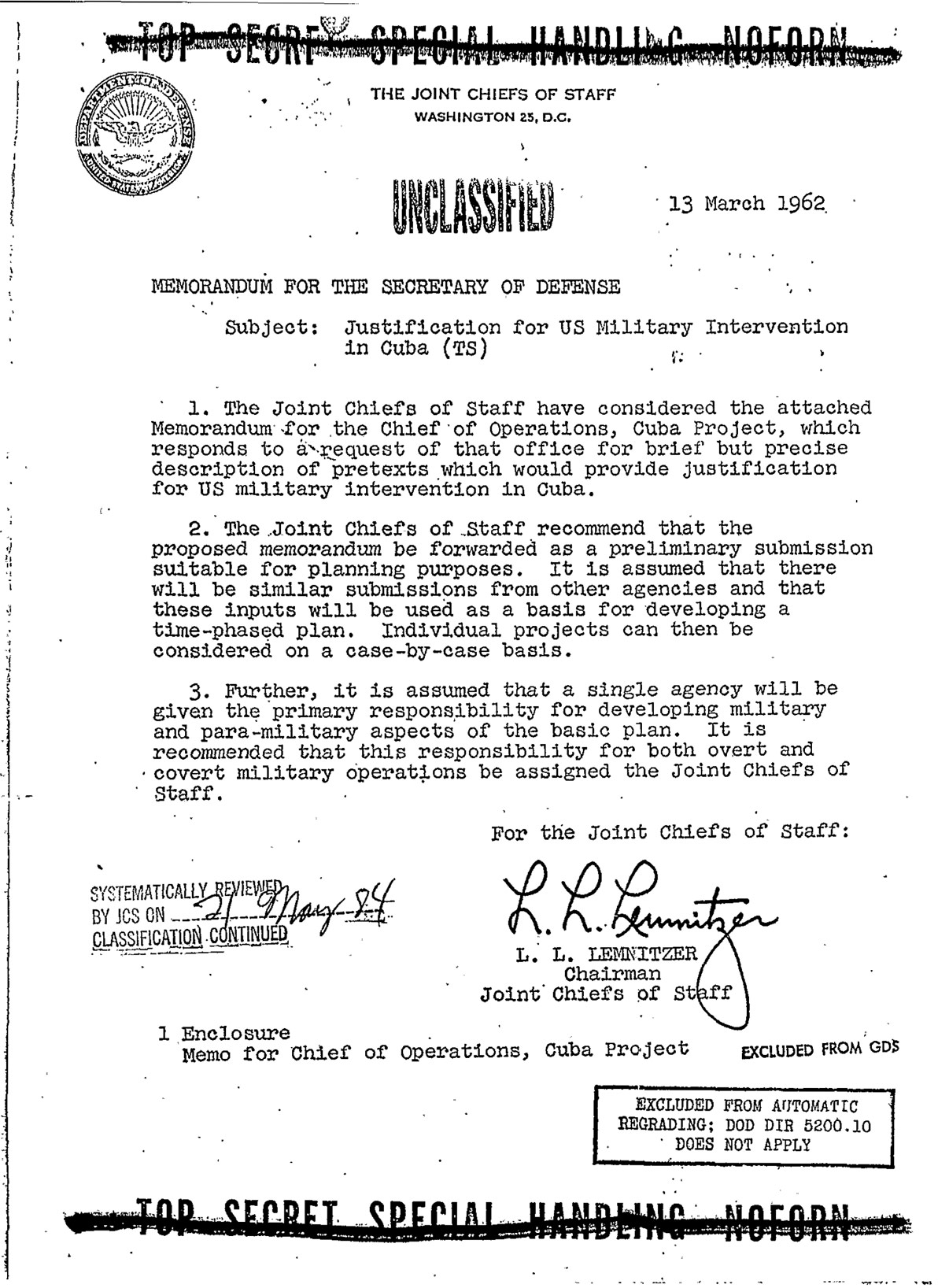
On the morning of Tuesday, March 13, 1962, an envelope arrived on Secretary of Defense Robert McNamara's desk in the E-ring of the Pentagon. The cover sheet was stamped TOP SECRET — SPECIAL HANDLING — NOFORN. Beneath the cover sheet was a thirteen-page memorandum titled, in the dry register of Pentagon prose, Justification for U.S. Military Intervention in Cuba.
The memorandum's first paragraph described the document as a "preliminary submission" representing the views of the Joint Chiefs of Staff "as to the type of pretext actions which might be undertaken to facilitate U.S. military intervention in Cuba." The next twelve pages laid those pretext actions out, in numbered sequence, with their operational requirements.
There were thirteen of them.
The memorandum proposed, among other things, that the United States should covertly stage attacks on its own forces at Guantánamo Naval Base in Cuba. It suggested sinking American or Cuban-exile boats carrying refugees and blaming the deaths on Castro. It proposed exploding a United States ship in Guantánamo Bay and publishing casualty lists in American newspapers. It proposed a "Communist Cuban terror campaign" targeting Cuban exiles in Florida — bombing civilians in Miami, sinking boats off Florida ports — and, the memorandum said, "even in Washington." It proposed shooting down a chartered civilian airliner over Cuban waters by substituting the plane with a remote-controlled drone made up to look like the original, with the actual passengers (carefully selected in advance) covertly removed. It proposed conducting "funerals for mock victims" to dramatize the loss of American life.1
The memorandum was signed by every member of the Joint Chiefs. It carried the cover signature of the Chairman, General Lyman L. Lemnitzer.
The chairman
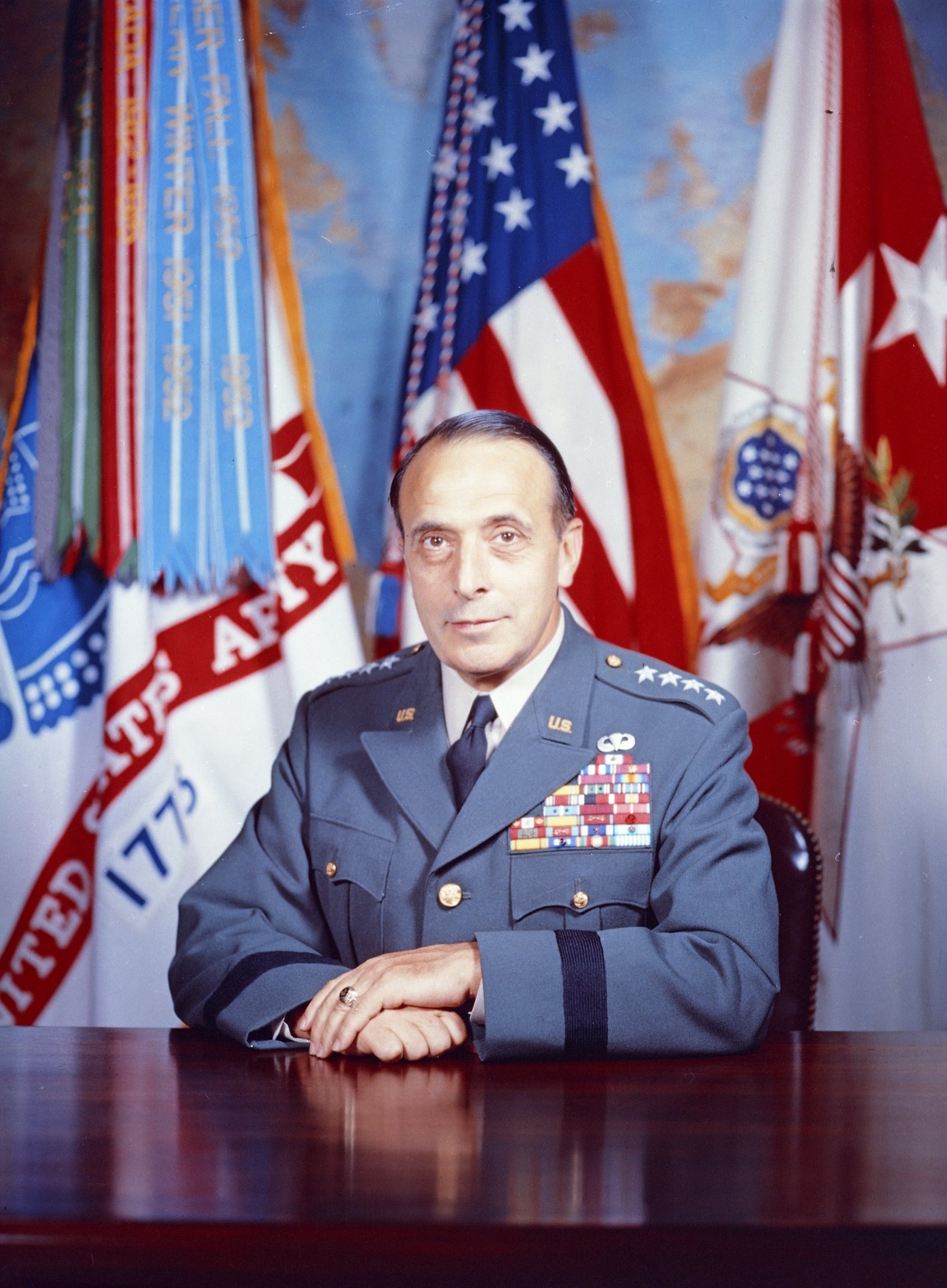
Lyman Louis Lemnitzer had been Chairman of the Joint Chiefs of Staff for sixteen months. He was sixty-two years old, the son of a Pennsylvania shoemaker, a West Point graduate of the class of 1920, and a Second World War combat commander who had landed at Salerno and at Anzio. He believed, in the way that career soldiers of his generation believed, in unambiguous chains of command and in the moral simplicity of fighting declared enemies. He did not believe in Castro.
By March 1962, Lemnitzer had spent the previous year watching the Eisenhower-era plan to invade Cuba unravel. The Bay of Pigs disaster of April 1961 had embarrassed the new Kennedy administration and produced a deep mutual suspicion between the White House and the military command that had advised it. The Joint Chiefs had warned, in writing, that the operation as planned would fail. Kennedy had gone ahead anyway, declined to provide the U.S. air cover the Joint Chiefs had recommended, and then publicly accepted responsibility for the failure. The Joint Chiefs did not feel they had been listened to. The Kennedy White House had concluded the military advice it received was not always to be trusted.
By the spring of 1962, both sides were looking for a way to fix Cuba. The Kennedy administration's effort, codenamed Operation Mongoose, was being run out of CIA under Brigadier General Edward Lansdale and amounted to a covert sabotage and political-destabilization program. The Joint Chiefs were producing a parallel set of contingency studies on direct military intervention. The Northwoods document was the last of a series of "pretext" memoranda the JCS produced that winter.
What is unusual about Northwoods is not that the Joint Chiefs were considering ways to justify war with Cuba. The Joint Chiefs are professionally obliged to plan for contingencies. What is unusual is the content of the proposals.
What the document said
The thirteen pretexts in the document run from a few that read like plausible covert operations to several that read like the script of a political thriller.
Among the more conventional proposals: U.S. forces in Guantánamo could fake retaliation against fictitious Cuban attacks, "blowing up ammunition inside the base, starting fires" and producing casualty lists. The Joint Chiefs allowed that the casualties could be limited to mannequins and mock-victim funerals, though the document is not entirely consistent on this point.
Among the more striking: the Joint Chiefs proposed that the United States should "develop a Communist Cuban terror campaign in the Miami area, in other Florida cities, and even in Washington." This terror campaign would involve, the memorandum says, the bombing of "selected targets" — the document does not specify which buildings or what level of civilian harm was contemplated.
And among the most fully developed: the proposal to shoot down a U.S. civilian airliner over Cuban waters. The Joint Chiefs proposed that a chartered passenger plane be made up to look identical to a registered civilian aircraft. The decoy aircraft, with selected passengers boarding under aliases, would depart from a U.S. airport. Once outside U.S. airspace, the decoy would be substituted with a remote-controlled drone identically painted. The original passengers (their real identities now detached from the flight) would be diverted to a CIA airfield. The drone would then transmit a distress call indicating it was being attacked by a Cuban fighter, and self-destruct in Cuban waters. The U.S. would publish a passenger manifest in the morning papers.2
This was, in the deadpan language of the memorandum, "a casualty list in U.S. newspapers" that "would cause a helpful wave of national indignation."
The memorandum closed with an estimate that the proposed pretext operations, "depending on the type developed," could be completed within "the next few weeks" of authorization.
What Kennedy did
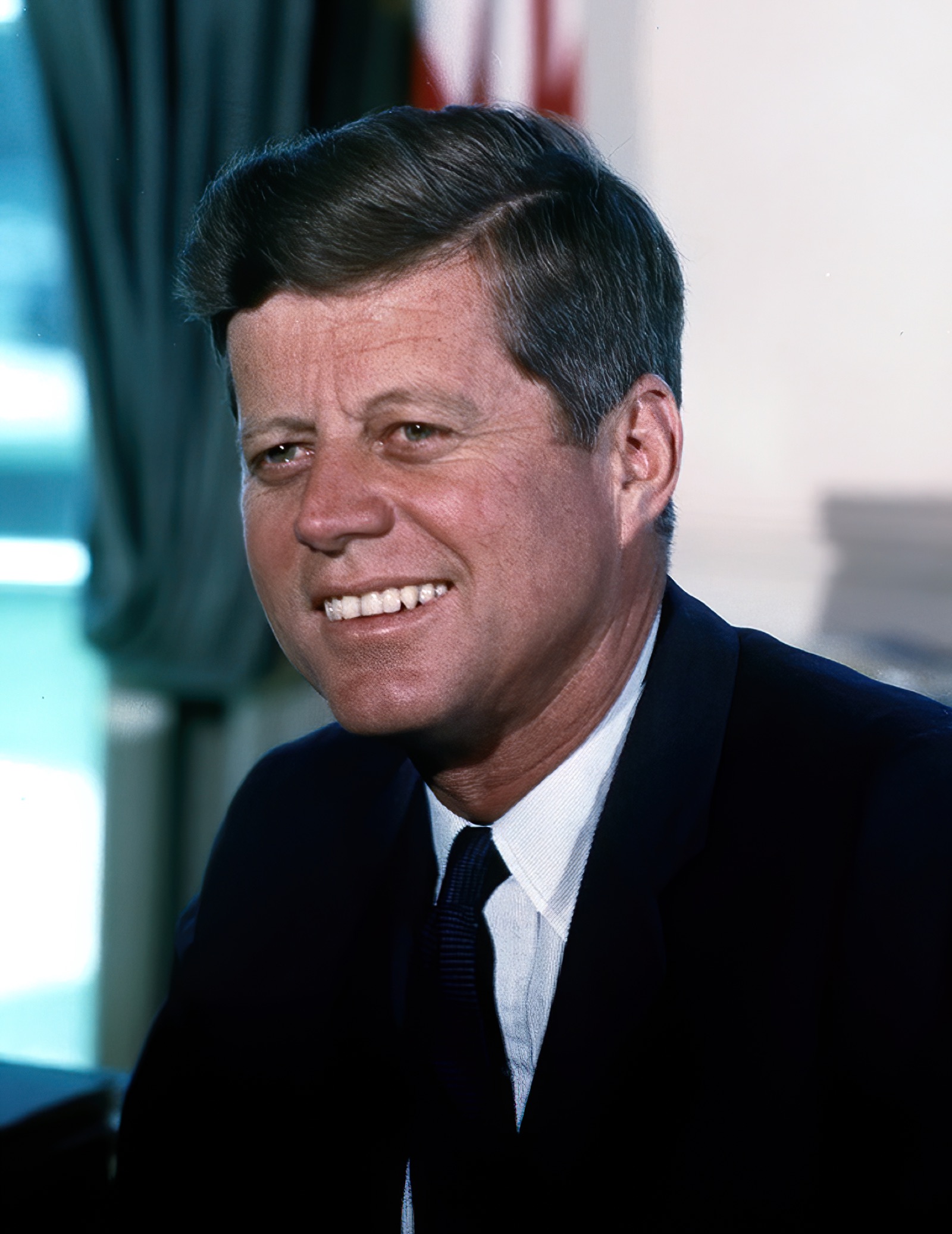
The Joint Chiefs proposed that the document be forwarded for the President's consideration. McNamara seems to have received it on the 13th. Three days later, on the morning of Friday, March 16, McNamara took the proposal to a small meeting at the White House. The notes of that meeting, declassified later, are terse. Kennedy is recorded as saying, of the use of U.S. military force in Cuba, that "we were not discussing the use of military force."
The Northwoods proposals were not authorized.
What happened next is less precisely documented, but the trajectory is clear. Lemnitzer's relationship with the Kennedy White House, already strained by the Bay of Pigs, did not recover. On September 30, 1962, Lemnitzer's term as Chairman of the Joint Chiefs ended; Kennedy did not reappoint him to a second term, an unusual decision. Lemnitzer was moved to Europe as Supreme Allied Commander, Europe (SACEUR) — a prestigious posting but one that placed him, geographically and operationally, at the maximum possible distance from the White House.
Lemnitzer left the chairmanship publicly grateful and never spoke about Northwoods in his lifetime. He died in 1988. The first major journalistic treatment of the document appeared in James Bamford's Body of Secrets in April 2001 — thirteen years after Lemnitzer's death.
The Joint Chiefs' parallel "pretext" planning appears to have ended in the same period. The Cuban Missile Crisis the following October restructured the political setting of Cuba policy so completely that the March 1962 memorandum became, in operational terms, obsolete.
How the document came out
For thirty-five years, the memorandum sat in classified files. It survived because of the Kennedy Assassination Records Collection Act of 1992, which mandated the declassification of a wide set of materials contemporaneous with the assassination — including JCS records from the preceding years.
The document was declassified on November 18, 1997, and quietly added to the National Archives' Cuba files at College Park, Maryland.
It would have stayed quiet there had James Bamford, an investigative journalist working on a history of the National Security Agency, not been combing through the JCS records from the Cuban Missile Crisis era in 1998 and 1999 for context. Bamford found the Northwoods file, read it, and wrote about it in Body of Secrets: Anatomy of the Ultra-Secret National Security Agency, published in April 2001.
The book's reception focused, understandably, on the NSA material that was the volume's main subject. But Bamford's chapter on Northwoods — quoting the memorandum at length — was the first major treatment of the document for a general audience. ABC News ran a story. So did the Baltimore Sun. The document entered the public conversation.3
What proponents and critics say
What Northwoods means is the question that has lingered for a quarter century. The memorandum is real. The signatures are real. The proposals are as outlined above. The interpretive disagreement is about what the document represented.
The contingency reading. The Pentagon's job is to plan for contingencies. The JCS staff was producing studies all winter on how the U.S. might justify intervention in Cuba; Northwoods was the most elaborate of these. In this reading, the document was a staff exercise — the JCS demonstrating the range of options available, including the unpalatable, to clarify what the political leadership was willing to authorize. The fact that Kennedy rejected it is the point; the system worked.
The serious-proposal reading. Every member of the JCS signed it. The operational specificity (named airports, specific casualty mechanisms, proposed timelines) does not read like a thought experiment. The Northwoods proposals built on actual JCS planning for an invasion the Chiefs continued to advocate. In this reading, the document represented a genuine recommendation that Kennedy was being asked to approve.
The civil-control reading. The Joint Chiefs were, on this view, going along with whatever the next stage in Cuba policy might require, partly to make sure the JCS had a seat at the table. The memorandum was a kind of bid: here is the most aggressive version of intervention; let us know how aggressive you want us to be. On this reading, the rejection sent a signal, and the signal was received.
All three readings are compatible with the documentary record. None of them is comforting.
How we read the evidence
The Northwoods memorandum is, by some distance, the most fully documented case of senior U.S. military officers proposing false-flag attacks against American civilians. Its existence is not in dispute. The signatures are real. The operational detail is granular. The interpretive question — was it a contingency study or a serious recommendation? — is genuinely open, but it is open to a fairly narrow band of bad answers. None of them suggest a healthy civil-military relationship at the start of 1962.
What the document does not show, despite a generation of secondary literature attempting to draw the line, is a connection to other false flags later claimed by conspiracy literature. Northwoods is not a template for 9/11. It is not evidence that the Kennedy assassination later that year was retaliation for the rejection. It is what it is: a discrete artifact, signed in a room at the Pentagon on a Tuesday morning in March 1962, that the president of the United States then declined to authorize.
That artifact tells us something durable about how American institutions behaved at a particular moment — and about the limits of the civilian oversight that prevented the moment from becoming something worse.
Key figures
Further reading
Books:
- James Bamford, Body of Secrets: Anatomy of the Ultra-Secret National Security Agency (Doubleday, 2001), chapter 4.
- Lawrence Freedman, Kennedy's Wars: Berlin, Cuba, Laos, and Vietnam (Oxford UP, 2000).
- David Talbot, The Devil's Chessboard: Allen Dulles, the CIA, and the Rise of America's Secret Government (HarperCollins, 2015).
Primary archives:
- National Security Archive — JCS Pretexts to Invade Cuba
- Mary Ferrell Foundation — Operation Northwoods page
- NARA — JFK Assassination Records Collection
Sources
Primary sources
- Joint Chiefs of Staff. (1962). Justification for U.S. Military Intervention in Cuba. Memorandum to the Secretary of Defense, 13 March 1962. TOP SECRET. Declassified November 18, 1997.
- Edward Lansdale. (1962). Operation Mongoose program review documents, January–April 1962. Released through the JFK Assassination Records collection.
- JFK Assassination Records Review Board. (1998). Final Report. U.S. Government Printing Office.
- NARA, Record Group 218 (Records of the U.S. Joint Chiefs of Staff). Cuban operational files, declassified 1997–1998.
Secondary sources
- Bamford, J. (2001). Body of Secrets: Anatomy of the Ultra-Secret National Security Agency. Doubleday.
- Freedman, L. (2000). Kennedy's Wars: Berlin, Cuba, Laos, and Vietnam. Oxford University Press.
- Talbot, D. (2015). The Devil's Chessboard: Allen Dulles, the CIA, and the Rise of America's Secret Government. HarperCollins.
- Baltimore Sun, 2001-04-24. "U.S. Joint Chiefs of Staff Proposed Faking Attacks on America to Justify Invading Cuba."
- ABC News, 2001-05-01. "U.S. Military Wanted to Provoke War With Cuba."
- National Security Archive briefing book on the Cuban Missile Crisis (2022 edition).
- Frontline, War Made Easy (PBS, 2008). Documentary segment on Northwoods.
- The Atlantic, 2014. "The President and the Joint Chiefs: A History."
Academic sources
- Fursenko, A. & Naftali, T. (1997). "One Hell of a Gamble": Khrushchev, Castro, and Kennedy, 1958–1964. W.W. Norton.
- Kornbluh, P. (1998). Bay of Pigs Declassified. The New Press.
Corrections & updates
(None yet.)
Footnotes
-
Joint Chiefs of Staff. (1962). Justification for U.S. Military Intervention in Cuba. Memorandum to the Secretary of Defense, 13 March 1962, TOP SECRET. Declassified November 18, 1997. Available via the National Security Archive at George Washington University, nsarchive.gwu.edu/CMC-60/joint-chiefs-pretexts-to-invade-Cuba-1962. ↩
-
Joint Chiefs of Staff (1962), Appendix to Enclosure A, paragraph 8. Available in full at the National Security Archive collection cited above and reproduced in James Bamford, Body of Secrets: Anatomy of the Ultra-Secret National Security Agency (Doubleday, 2001), pp. 82–91. ↩
-
James Bamford, Body of Secrets: Anatomy of the Ultra-Secret National Security Agency (Doubleday, 2001), chapter 4. Bamford has since described in interviews how he came across the memorandum while researching the parallel NSA-Cuba operational record. ↩
Inspired this / based on it
James Bamford
Chapter 4 brought Northwoods to a general audience
Judith Ehrlich & Rick Goldsmith · ★ 7.5
Period context — Pentagon/JFK era
Filed under
- #cia
- #joint-chiefs
- #pentagon
- #cuba
- #lyman-lemnitzer
- #robert-mcnamara
- #jfk
- #1960s
- #usa
- #declassified
- #false-flag
- #cold-war
Click any tag for every article carrying it.
Continue reading
MK-Ultra
Between 1953 and 1973, the Central Intelligence Agency ran one of the most ambitious — and least restrained — human-experimentation programs in American history. The goal was mind control. The subjects rarely knew they were subjects. By the time the public found out, most of the records had been burned.
Kodak and the Trinity Test
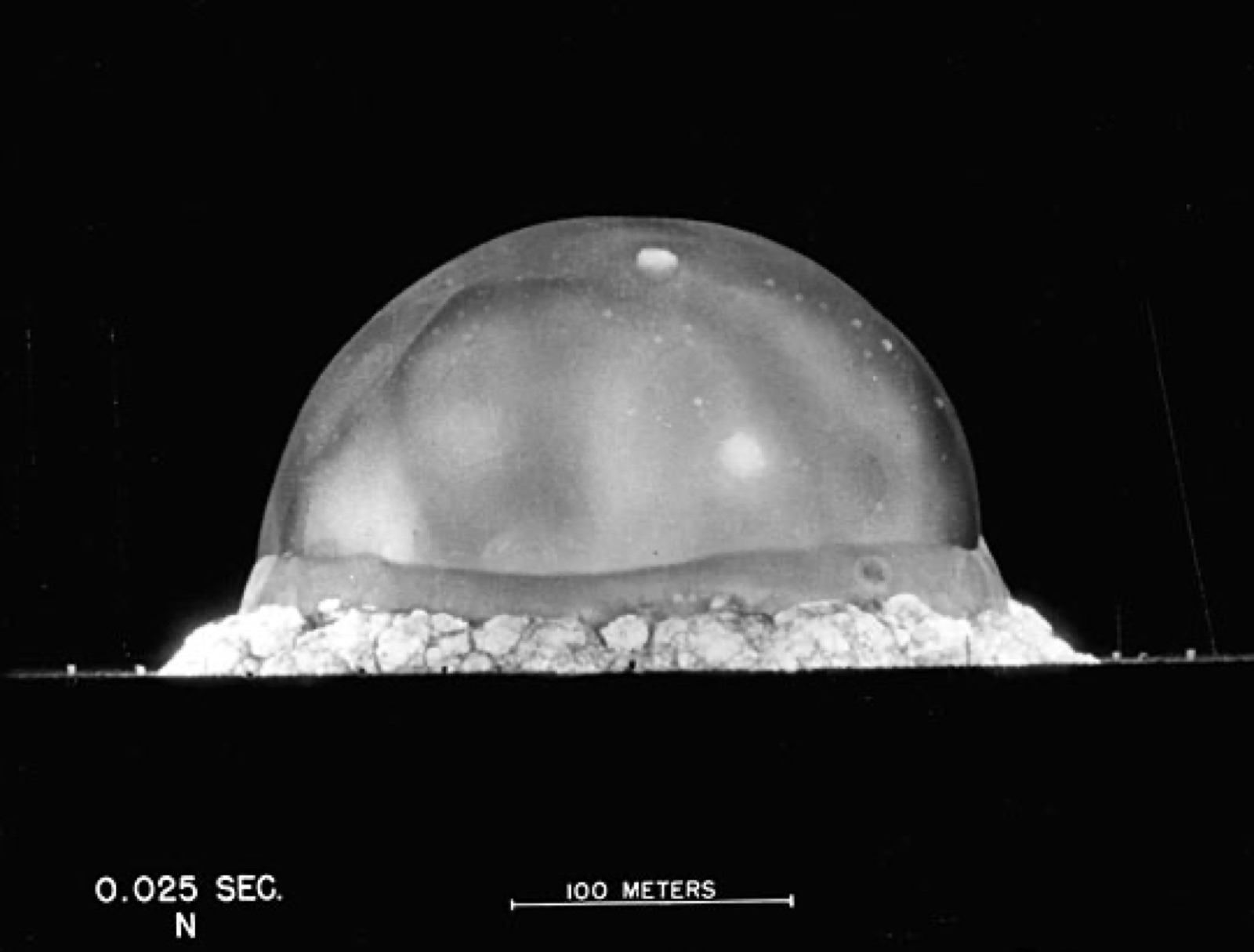
In January 1946, X-ray film from Eastman Kodak began coming back damaged with unexplained spots. When the company's chemists finally traced the source, they were forced to confront the U.S. government. What they were given went further than anyone expected — and stayed secret for fifty years.
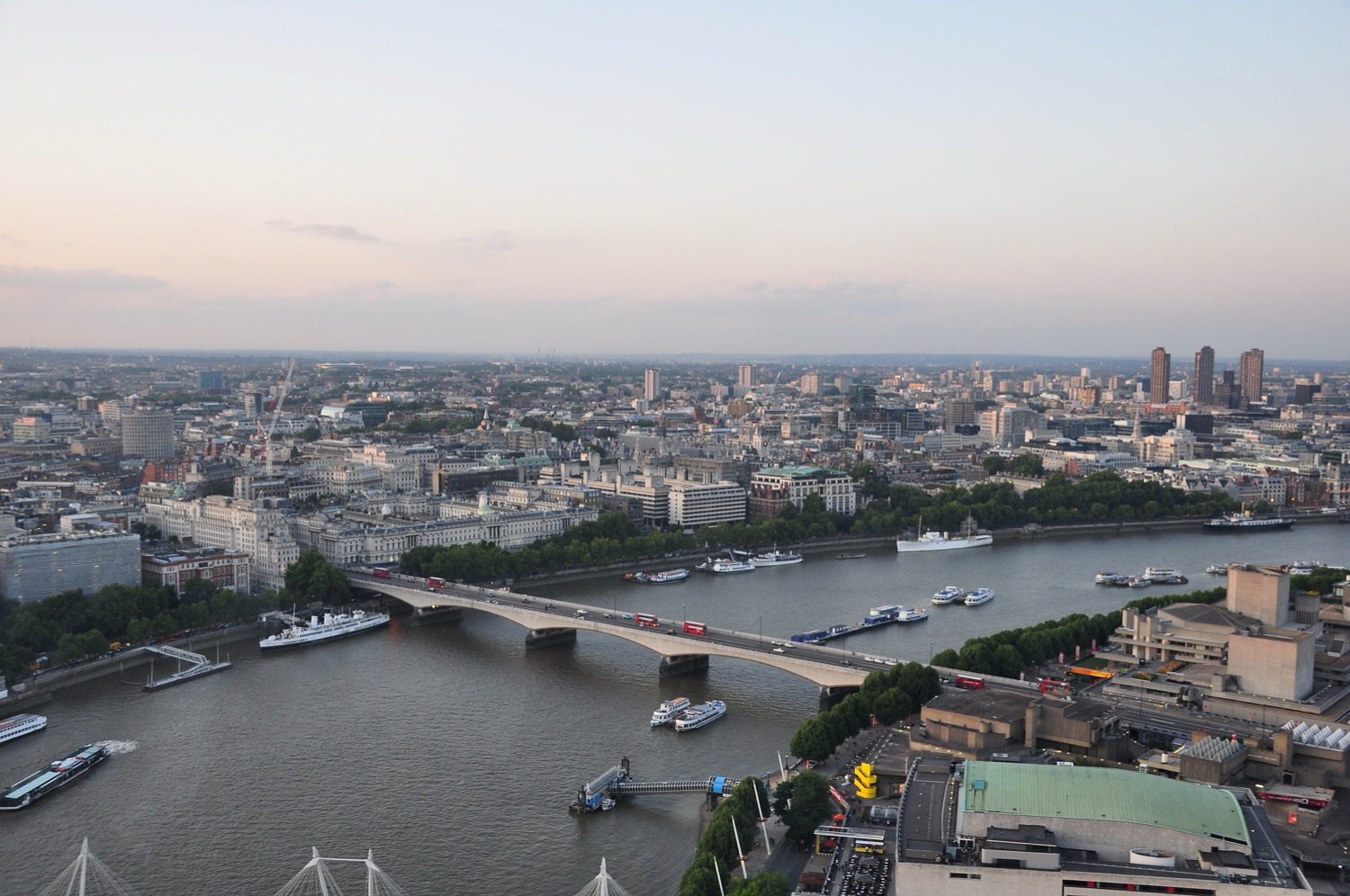
The Umbrella Murder: The Poisoning of Georgi Markov
On the afternoon of 7 September 1978, Georgi Markov, a Bulgarian émigré writer, was waiting at a bus stop on Waterloo Bridge in London, on his way to his job at the BBC World Service, when he felt a sudden sharp sting in the back of his right thigh. Turning, he saw a man behind him bending to pick up a dropped umbrella; the man apologised in a foreign accent, hurried across the road, and got into a taxi. Markov thought little of it at first, but by that evening he had developed a high fever, and over the next three days his condition collapsed catastrophically. He died on 11 September, aged forty-nine. A post-mortem examination found, embedded in his thigh, a tiny metal pellet no larger than a pinhead, drilled with minuscule cavities that had held a dose of ricin — one of the deadliest toxins known, and one for which there is no antidote. Markov had been assassinated in broad daylight on a London street, murdered for the crime of broadcasting the truth about the communist regime in his homeland. The method — a poison pellet delivered, it is believed, by a specially engineered umbrella — became one of the most infamous images of Cold War espionage, and the killing itself one of its clearest examples of a state reaching across borders to silence a dissident. This is the story of the umbrella murder.