Tag
#1960s
10 articles
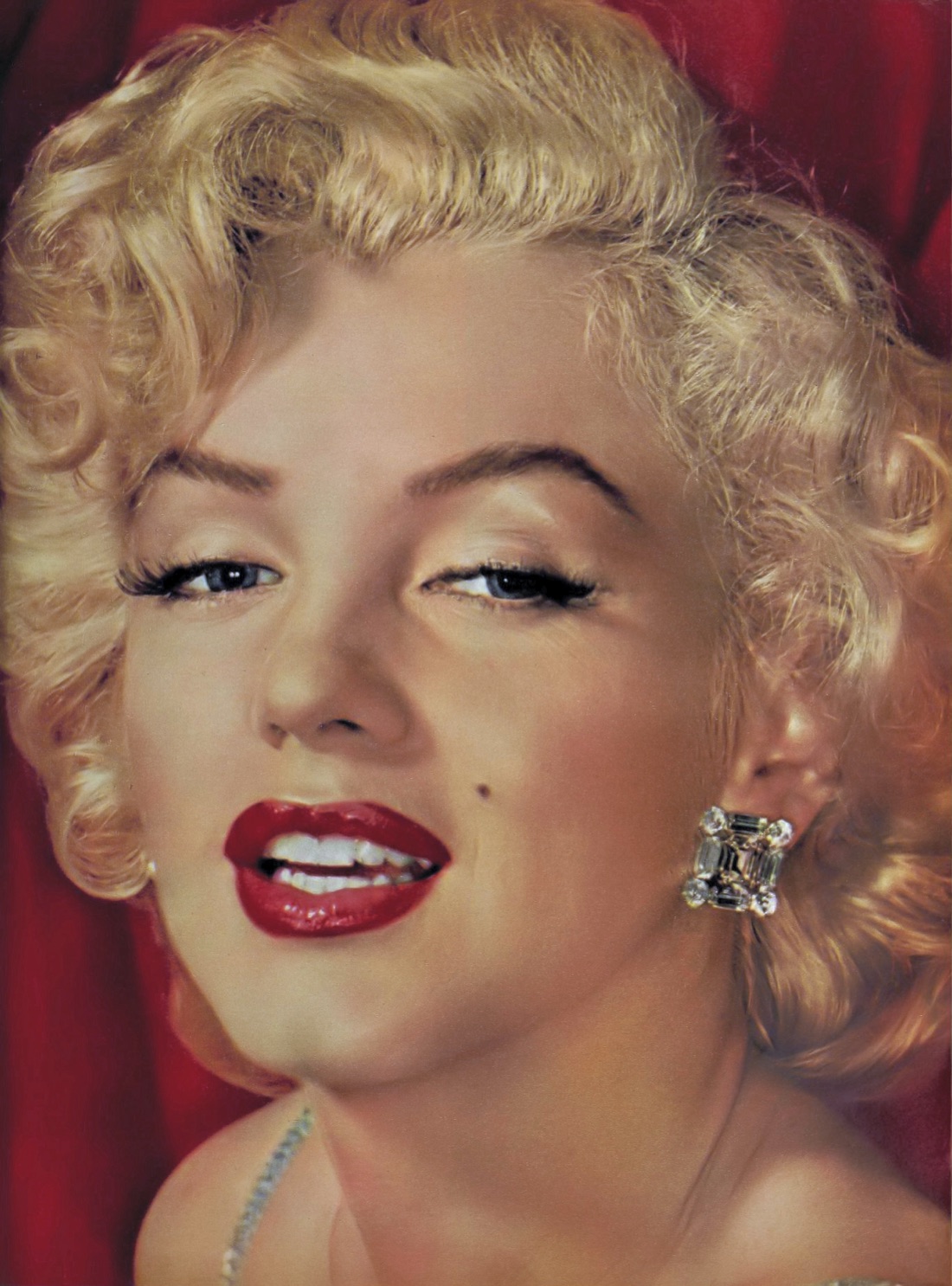
The Death of Marilyn Monroe: The Star, the Overdose, and the Theories
In the early hours of 5 August 1962, Marilyn Monroe — the most photographed and adored star of her age, an icon of Hollywood glamour recognised the world over — was found dead in the bedroom of her modest home in the Brentwood district of Los Angeles. She was thirty-six years old. The Los Angeles County coroner determined that she had died of acute barbiturate poisoning, a lethal quantity of sleeping pills in her system, and classified the death as a 'probable suicide,' consistent with her long and painful history of depression, insomnia, and dependency on the drugs that both sustained and endangered her. It should have been, and in its essentials was, the tragic end of a brilliant, fragile woman whom fame had exploited more than it had protected. But the investigation that night was careless and confused, the timeline muddled, the accounts of those present contradictory; and Monroe's rumoured connections to President John F. Kennedy and his brother, Attorney General Robert Kennedy, gave rise almost immediately to whispers, and then to an enduring industry, of conspiracy — that she had been murdered, or silenced, to protect powerful men. Sixty years on, those theories persist, unproven and unpersuasive, while the documented evidence points, as it did from the start, toward a lonelier and more ordinary tragedy. This is the story of the death of Marilyn Monroe — what is known, what is not, and why the difference matters.
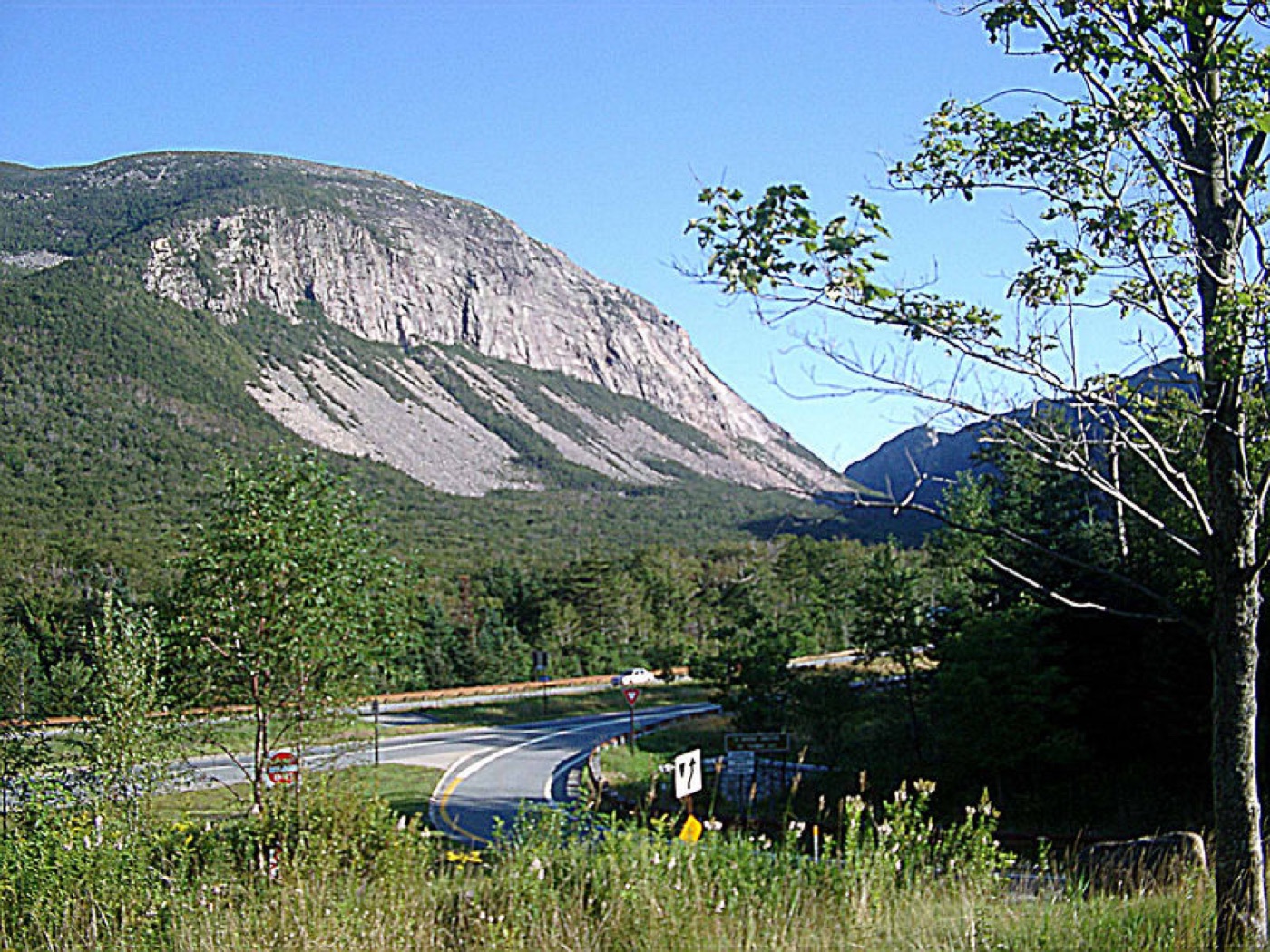
Betty and Barney Hill: The First Alien Abduction
On the night of 19 September 1961, Betty and Barney Hill were driving home to Portsmouth, New Hampshire, from a vacation, taking the winding roads through the White Mountains late at night, when they noticed a bright light in the sky that seemed to be following their car. As it drew closer, Barney stopped and looked at it through binoculars, and reported seeing a structured craft with figures visible inside; frightened, the couple drove on. When they reached home, they found that the journey had taken about two hours longer than it should have — two hours they could not account for. In the days that followed, Betty was troubled by vivid nightmares of being taken aboard a craft and examined by strange beings, and Barney developed acute anxiety. Two years later, seeking relief, the Hills underwent hypnosis with a psychiatrist, and under hypnosis both recounted, separately, a detailed story of abduction: of being taken aboard the object by small humanoid beings, subjected to a medical examination, and, in Betty's case, shown a 'star map' of the visitors' travels among the stars. Their account, made public and then widely published, became the first famous case of alien abduction — and it established the entire template that countless later abduction stories would follow: the light on a lonely road, the missing time, the medical examination, the grey humanoid beings, and the memories recovered under hypnosis. The Hills were, by all accounts, sincere. What their sincere experience actually was — a genuine encounter, or something the mind constructs — is the real question. This is the story of Betty and Barney Hill.
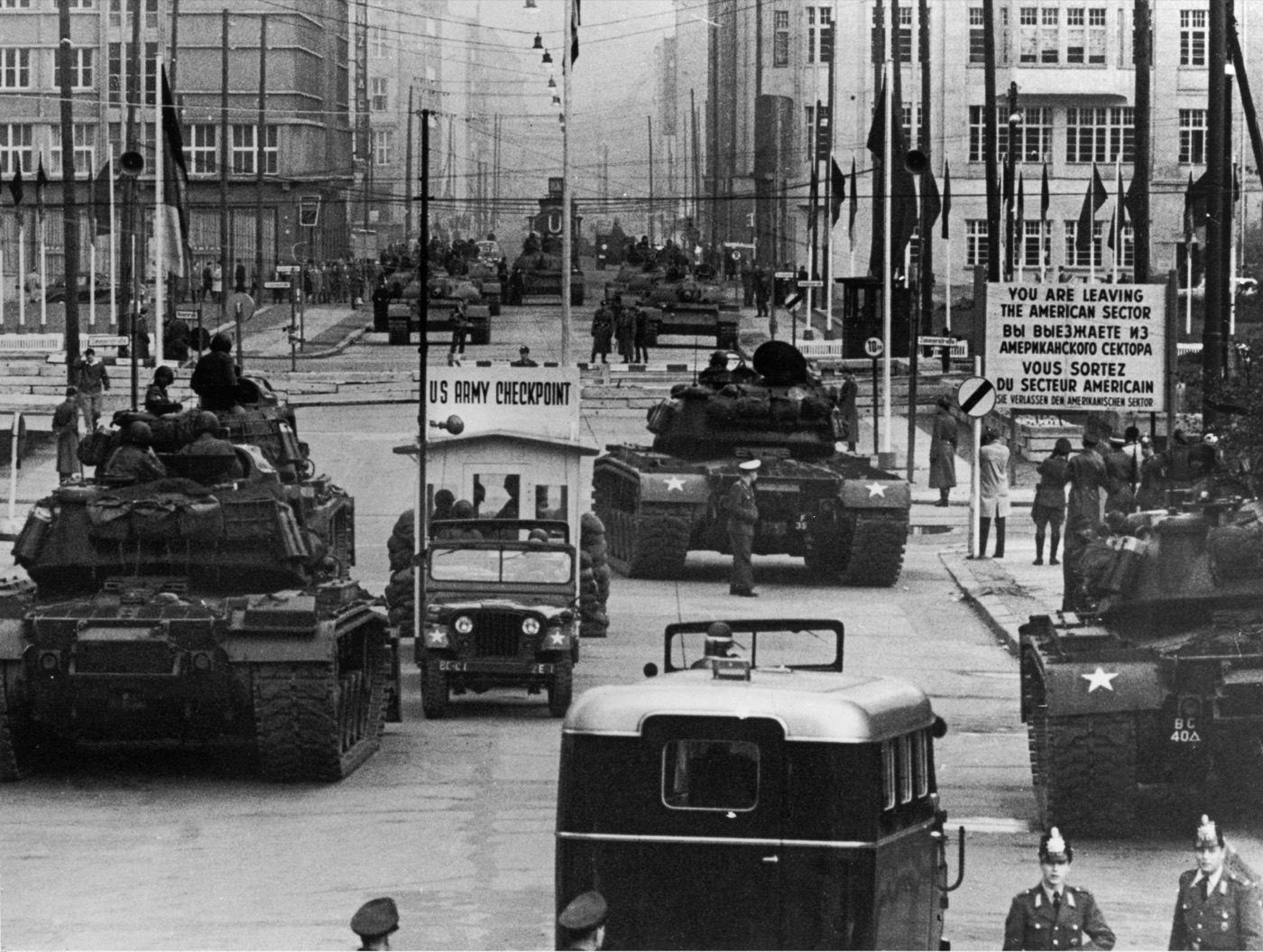
The Building of the Berlin Wall, 1961
For more than a decade after the Second World War, Berlin was the great open wound of the Cold War and its most dangerous flashpoint. The city lay deep inside communist East Germany, yet it was itself divided into a Soviet-controlled east and a Western-controlled west, and the border that ran through it remained, almost uniquely, open. Through that gap, across the 1950s, millions of East Germans simply walked to freedom — boarding a train or a tram in the east and stepping off in the west, and from there flying out to a new life. They were disproportionately the young, the skilled, the educated: doctors, engineers, teachers, the very people a struggling socialist state could least afford to lose. By 1961 this haemorrhage threatened the survival of East Germany itself, and its leaders, with the backing of the Soviet Union, resolved to stop it the only way they could — by closing the door. In the early hours of Sunday 13 August 1961, East German troops and police moved into position along the sector boundary and began to seal it with barbed wire, tearing the city in two while most of its people slept. Within days the wire was giving way to concrete, and a permanent wall was rising through streets and squares, separating families, neighbours, and workplaces with a suddenness that stunned the world. The Western powers protested furiously but did not intervene, for they understood that the wall, monstrous as it was, did not threaten their own position in West Berlin — and that to challenge it by force risked a war that might go nuclear. The Berlin Wall would stand for twenty-eight years as the physical embodiment of a divided world. This is the story of the weekend it went up.
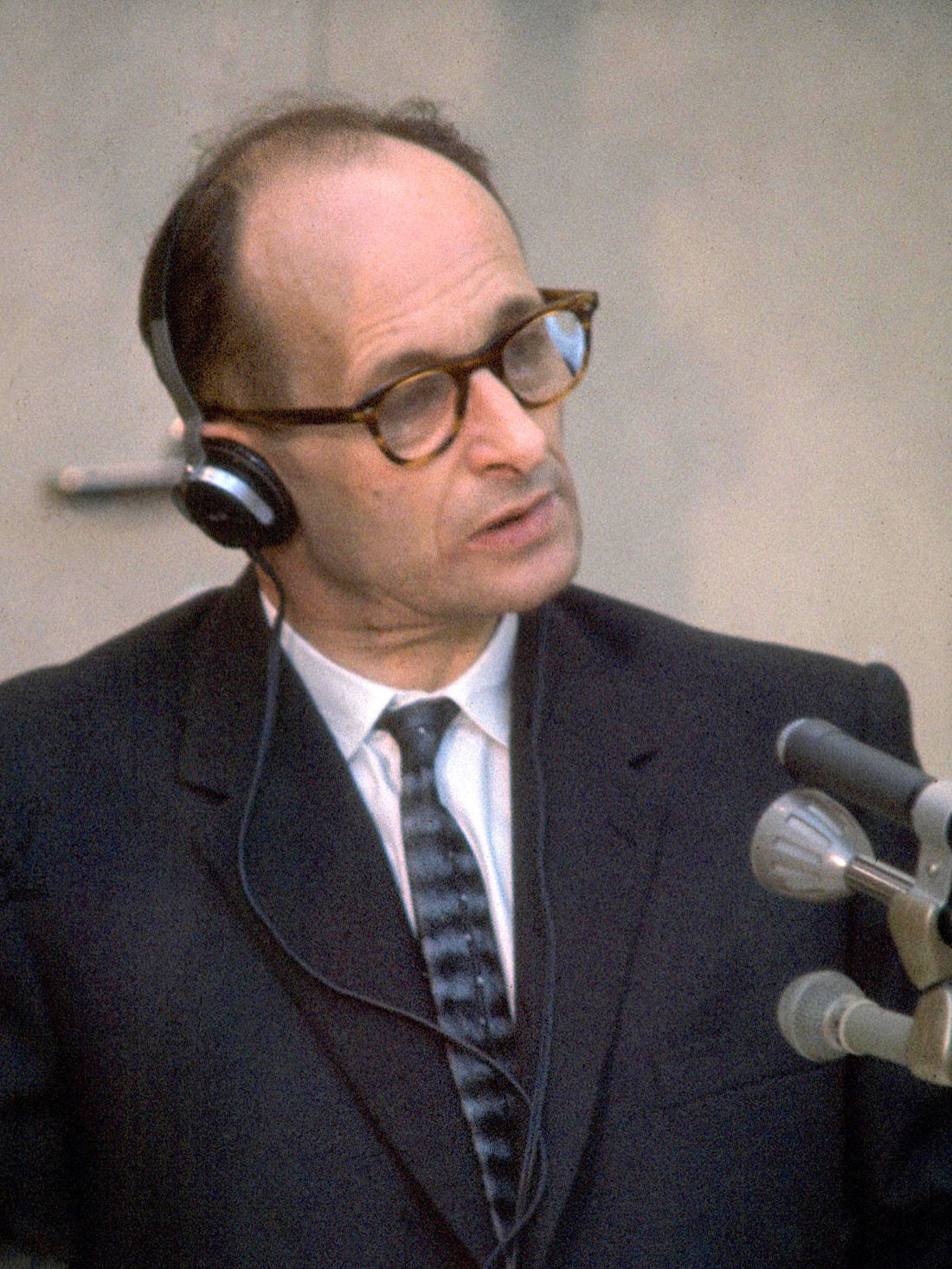
The Capture of Adolf Eichmann
Adolf Eichmann had been one of the principal administrators of the Holocaust — the SS officer who managed the vast machinery of deportation that carried millions of Jews to the ghettos and the killing centres of Nazi-occupied Europe. When the Second World War ended, he slipped away, hid his identity, and eventually escaped along the clandestine routes that carried fugitive Nazis to South America. By the 1950s he was living in Argentina under the name Ricardo Klement, an unremarkable factory worker in the suburbs of Buenos Aires, his family around him, his past apparently buried. But he had not been forgotten. A chance tip, passed through a courageous West German prosecutor who did not trust his own country's institutions to act, reached the intelligence service of the young state of Israel. In 1960 a small team of Israeli operatives travelled secretly to Argentina, confirmed that the quiet Herr Klement was indeed Eichmann, and on the evening of 11 May seized him as he walked home from the bus near his house on Garibaldi Street. They held him in a safe house, secured his signature on a statement agreeing to be tried, and then — because Argentina would never have handed him over — smuggled him out of the country disguised as a member of an airline crew, aboard a flight that had brought an Israeli delegation to Buenos Aires. Days later, Israel's prime minister announced to a stunned parliament that Eichmann was in Israeli hands and would face justice. The trial that followed, in Jerusalem in 1961, became one of the defining events in the world's reckoning with the Holocaust. This is the story of how he was found, taken, and brought to account.
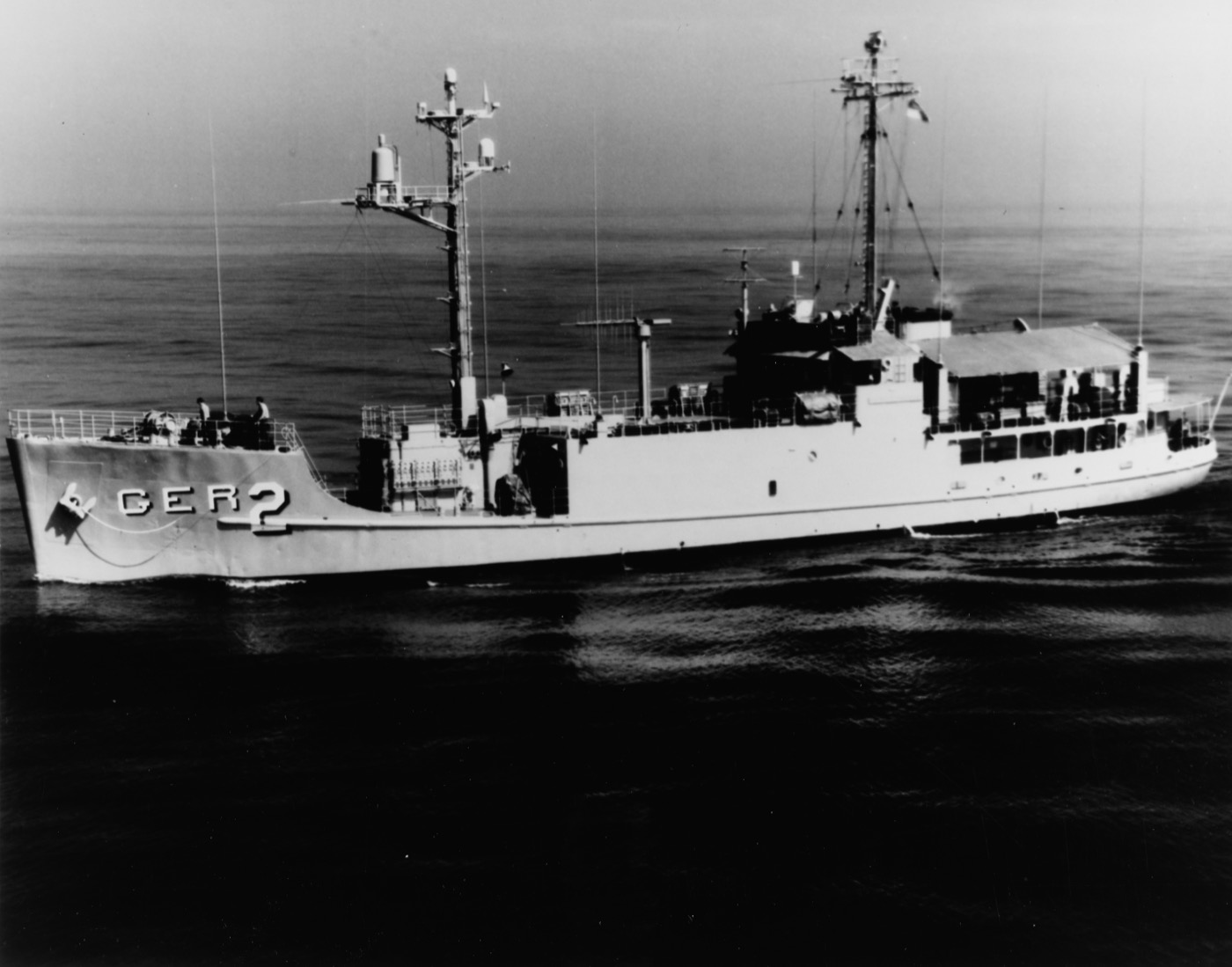
The USS Pueblo: The Spy Ship North Korea Captured
On 23 January 1968, a lightly armed United States Navy intelligence ship called the USS Pueblo was gathering electronic and signals intelligence off the coast of North Korea when it was surrounded by North Korean patrol boats and a submarine chaser, fired upon, boarded, and captured. One American sailor was killed in the assault; the other eighty-two men aboard were taken prisoner and carried into North Korea, where they would be held, beaten, starved, and paraded for propaganda for the next eleven months. The seizure was a profound humiliation for the United States — a commissioned warship taken on the high seas, its crew held hostage, its cargo of secret cryptographic equipment and documents falling into the hands of a hostile communist state. And yet the world's most powerful nation found that it could do almost nothing about it. The United States was at that moment consumed by the war in Vietnam, where the Tet Offensive was about to erupt, and it could not risk a second war on the Korean peninsula to recover one small ship. So instead of force, it turned to negotiation, and after eleven agonising months of talks the crew was freed only when an American general signed a humiliating false confession admitting the ship had been spying inside North Korean waters — a document the United States publicly repudiated even as it signed. The men came home; the ship did not. To this day the USS Pueblo remains in North Korean hands, a trophy of the Cold War moored in Pyongyang, and it is still, officially, a commissioned vessel of the United States Navy. This is the story of its capture, its crew's long ordeal, and the strange, unresolved standoff it became.
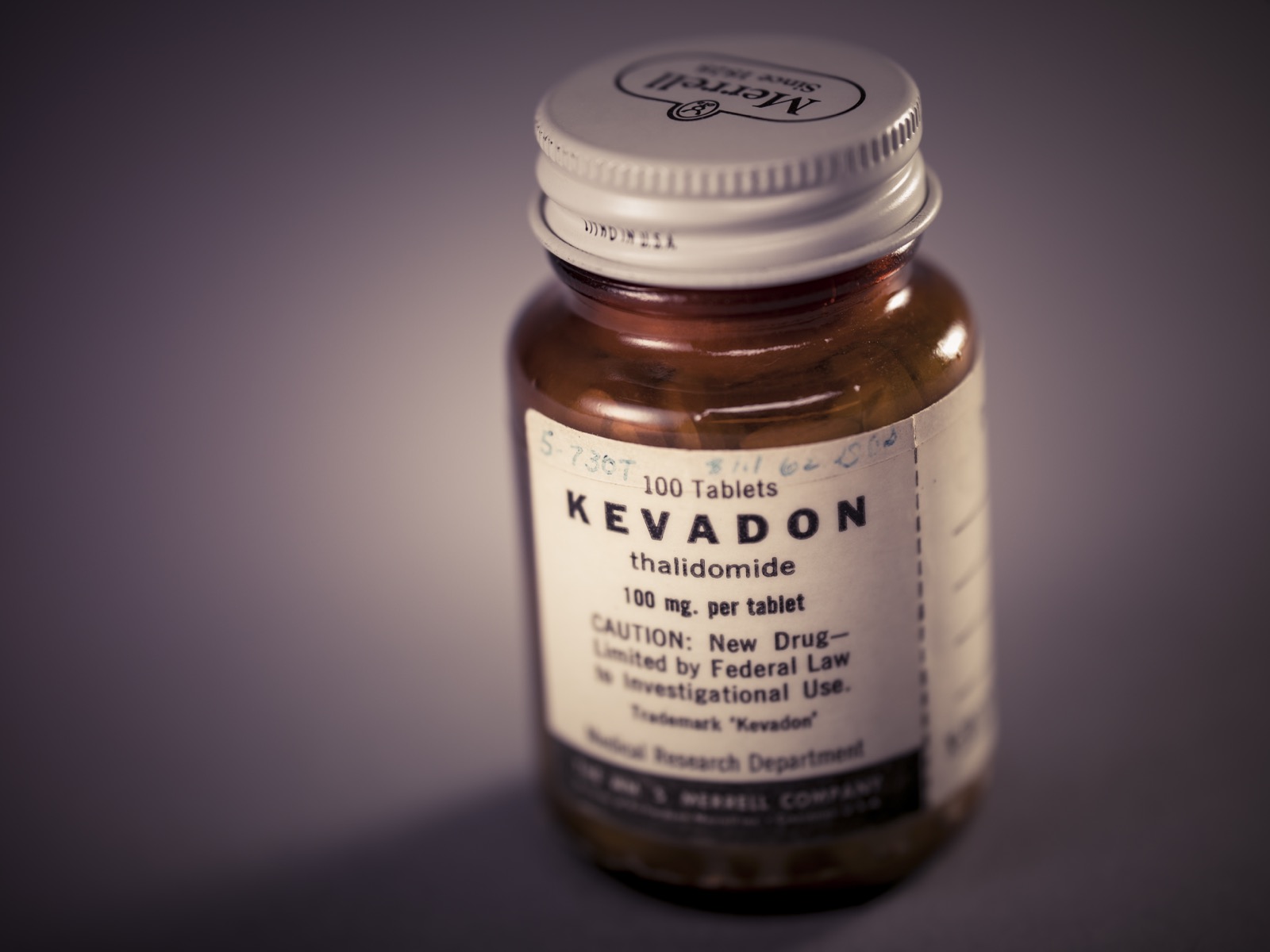
Thalidomide and the Wonder Drug That Came for the Unborn
It was sold as the safest drug imaginable. Thalidomide — marketed as Contergan in West Germany, Distaval in Britain, Neurosedyn in Sweden, and Kevadon in North America — was a sedative and sleeping pill that the German company Grünenthal advertised as so harmless it was impossible to take a fatal overdose, suitable even for children, and, crucially, safe for pregnant women suffering morning sickness. None of it had been properly tested for what it did to a developing fetus, because in the late 1950s almost no one tested for that at all. Between 1957 and 1961 the drug was sold in dozens of countries, and as it spread, something terrible began to appear in maternity wards: babies born with limbs shortened or missing entirely — hands attached at the shoulder, the condition doctors called phocomelia — along with damage to ears, eyes, hearts, and internal organs. By the time the cause was identified and the drug pulled from shelves in late 1961, roughly ten thousand children worldwide had been born with thalidomide injuries, and thousands more had died before or shortly after birth. The United States was very nearly spared entirely, because of one woman: Frances Oldham Kelsey, a new reviewer at the Food and Drug Administration who, against sustained pressure from the manufacturer, simply refused to approve it. The thalidomide disaster destroyed the comfortable assumption that a drug on the market must be safe, broke the makers' long resistance to accountability, and forced governments to rebuild the entire system by which medicines are tested and approved. This is the story of how it happened, who stopped it, and what it changed.

Bigfoot and the Ape That Biology Forbids
Somewhere in the dense, dripping forests of the Pacific Northwest, the story goes, walks a creature seven, eight, nine feet tall — heavy, hairy, ape-like, and upright, leaving enormous human-shaped footprints and a smell that witnesses never forget. It has a Native name anglicised as Sasquatch and a newspaper name, born in 1958, that conquered the world: Bigfoot. It has thousands of reported sightings, a famous home movie shot in 1967 that shows a striding figure turning to look back at the camera, a small library of plaster footprint casts, and a devoted community of researchers, hunters, and weekend believers who have spent their lives looking for it. What it does not have, after more than sixty years of that searching, is a single specimen. No body has ever been recovered, living or dead; no bone, no tooth, no fossil of any North American great ape has ever been found; and every hair and droppings sample submitted for genetic testing has come back as a bear, a deer, a human, a cow — never as an unknown primate. The name itself began as a hoax, the founding footprints carved from wood by a prankster whose family confessed it after his death. The most rigorous DNA study of alleged Bigfoot and Yeti samples, run by an Oxford geneticist, matched every one to a known species. And the biology is decisive: no ape has ever lived in the Americas, and a breeding population of giant primates could not hide from a continent now carpeted with trail cameras and smartphones. By the standards of evidence, Bigfoot does not exist. And yet it thrives — in the festivals, the statues, the television shows, and the sincere conviction of people who have seen something they cannot name. This article sets out where the legend came from, why its best evidence dissolves on inspection, what science has actually established, and why a creature that almost certainly is not there refuses to leave the woods.
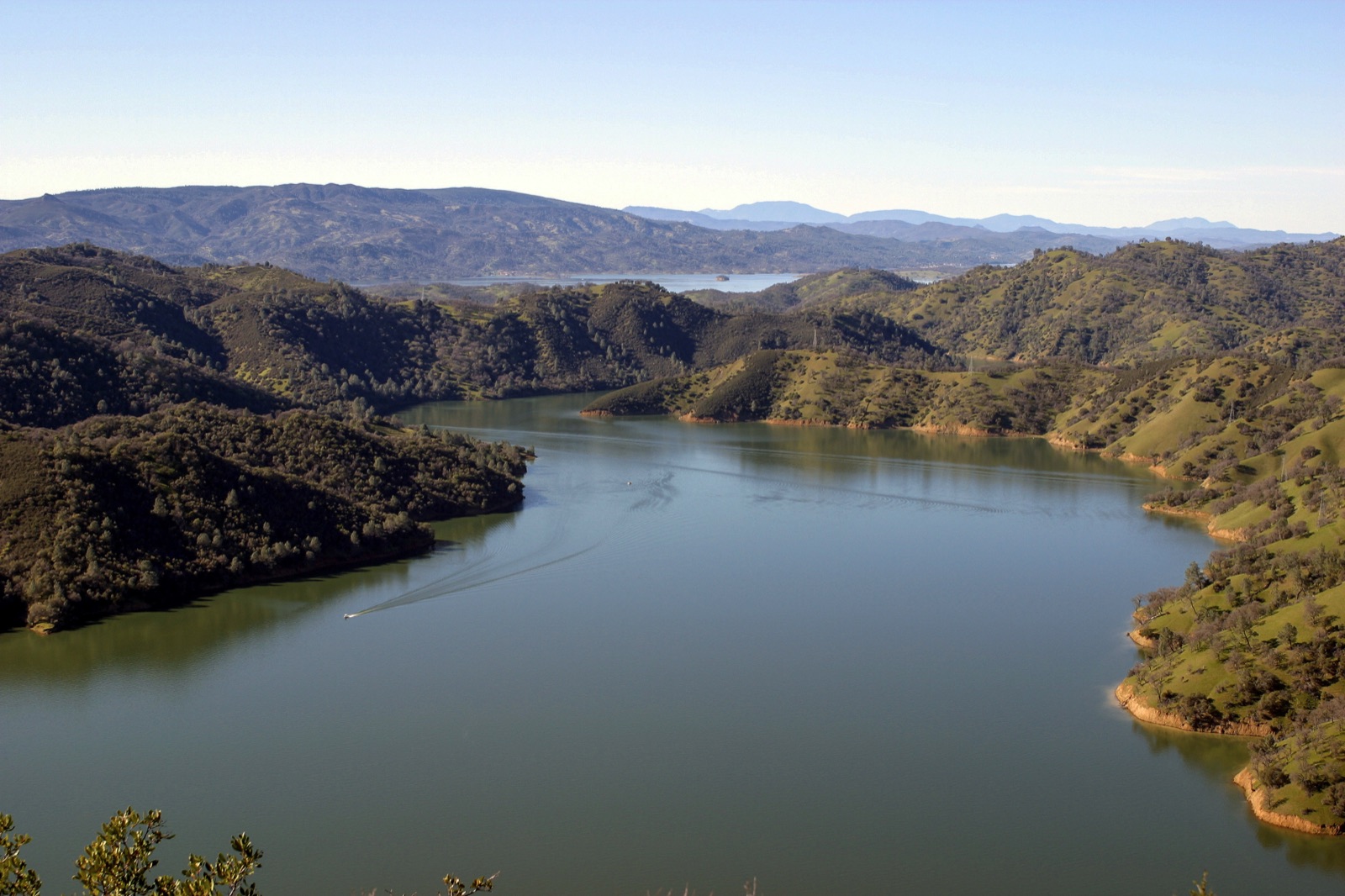
The Zodiac Killer and the Cipher That Held Out for Fifty Years
Between December 1968 and October 1969, someone shot or stabbed seven people in the suburbs and countryside around San Francisco Bay, killing five of them, and then did something almost no murderer does: he wrote to the newspapers. In a series of letters to the San Francisco Chronicle, the San Francisco Examiner, and the Vallejo Times-Herald, a man claiming the killings announced himself, demanded that his words be printed on the front page on pain of further murders, signed himself with a crossed-circle symbol, and opened his messages with a line that became infamous — 'This is the Zodiac speaking.' He enclosed ciphers, blocks of strange symbols that he said concealed his identity, and he taunted the police forces of four separate jurisdictions who could not catch him. One of those ciphers, a 408-symbol cryptogram, was broken within a week by a pair of schoolteachers; another, the 340-symbol cipher he mailed in November 1969, defeated professional and amateur codebreakers for fifty-one years before an international trio cracked it in December 2020 — and, like the first, it contained taunts but no name. The Zodiac claimed thirty-seven victims; police could confirm five. He was never identified, never charged, never caught. The case remains officially open more than half a century later, the most famous unsolved serial-murder case in American history, and one whose grip on the public comes precisely from its central absence: a killer who told the world everything except the one thing it most wanted to know. This article reconstructs what is actually known — the confirmed murders, the letters, the ciphers and what they did and did not reveal — and separates it from the long parade of suspects and 'solutions' that have never quite closed the case.
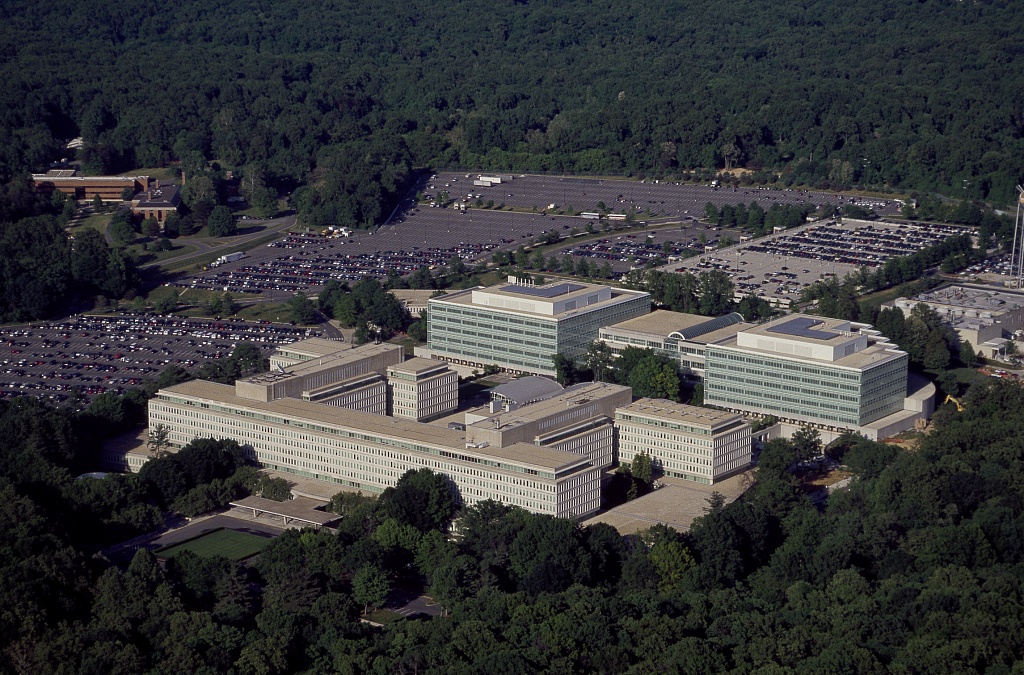
MK-Ultra
Between 1953 and 1973, the Central Intelligence Agency ran one of the most ambitious — and least restrained — human-experimentation programs in American history. The goal was mind control. The subjects rarely knew they were subjects. By the time the public found out, most of the records had been burned.
Operation Northwoods
In March 1962, the Joint Chiefs of Staff put a document on Robert McNamara's desk. It proposed a series of false-flag attacks against the United States — sunk ships, civilian terror campaigns in Miami and Washington, a faked civilian airliner shoot-down — to manufacture public support for invading Cuba. Every member of the Joint Chiefs signed it. Kennedy rejected it within days. The document stayed buried for thirty-five years.
10 files · end of the line