Tag
#europe
8 articles
Lockerbie / Pan Am 103
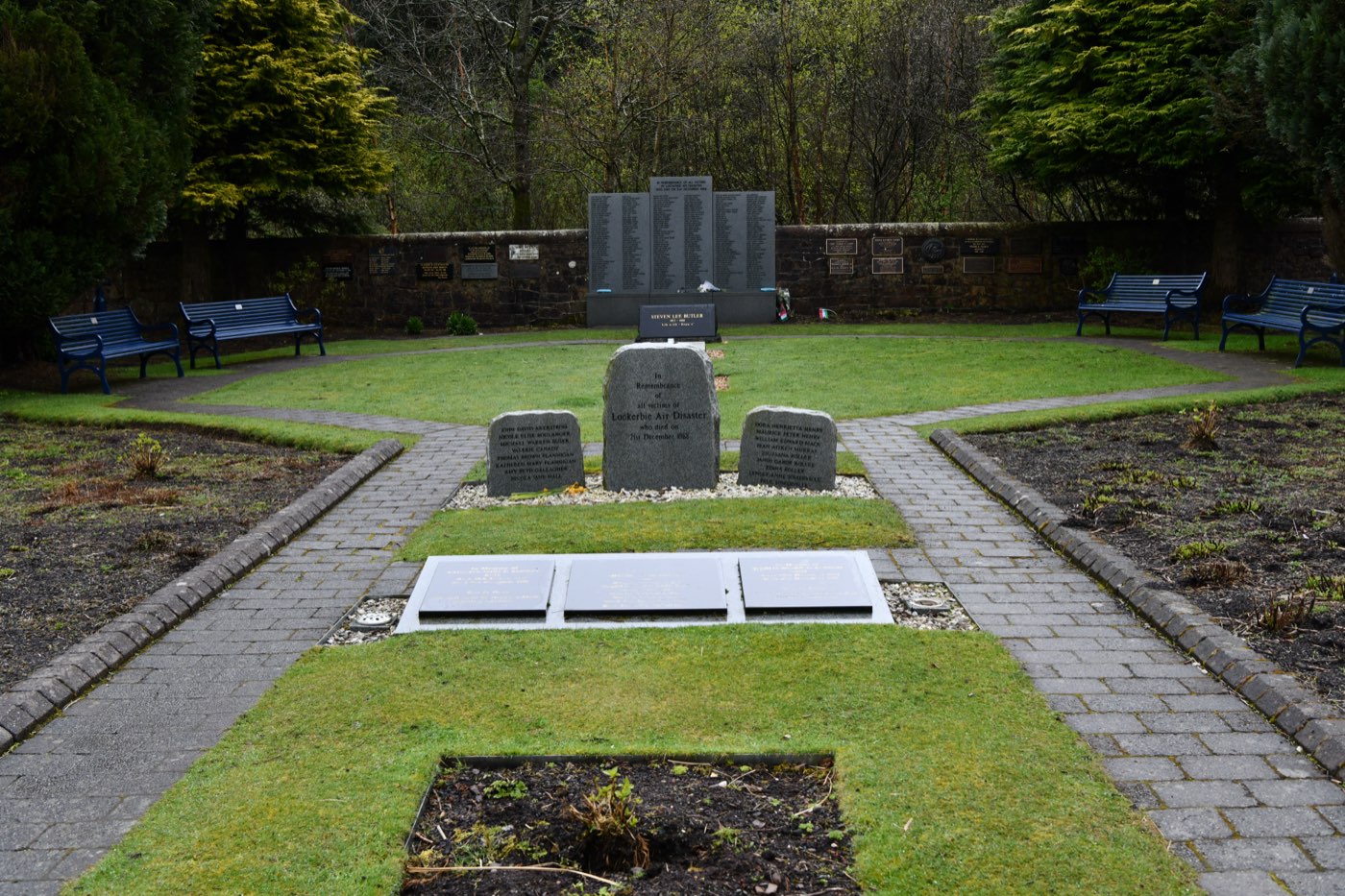
At 19:02:50 Greenwich Mean Time on Wednesday, December 21, 1988, Pan American World Airways Flight 103 — a Boeing 747-121 named *Clipper Maid of the Seas*, registration N739PA, on the daily transatlantic service from London Heathrow to New York's John F. Kennedy International Airport — was at flight level 310 (31,000 feet) and approximately 38 minutes into its scheduled 7-hour 50-minute flight when a 312-gram improvised explosive device detonated inside the forward cargo hold. The bomb had been concealed within a Toshiba RT-SF 16 BomBeat radio-cassette recorder packed inside a brown Samsonite hardshell suitcase. The aircraft broke up immediately. The forward fuselage section — including the cockpit — separated from the airframe and fell intact for approximately 90 seconds before impacting at Tundergarth, three miles east of the small Dumfriesshire market town of Lockerbie. The remaining airframe broke into thousands of pieces across an area subsequently mapped at 845 square miles. Of 243 passengers and 16 crew aboard, all died. On the ground in Lockerbie, 11 residents of Sherwood Crescent were killed when the centre-wing fuel tanks impacted at the southwestern edge of the town. Total deaths: 270 — the highest single-incident terrorist casualty figure on British soil in the 20th century. The investigation that followed has had two principal evidential phases. The first phase (December 1988 – November 1990) focused on the Popular Front for the Liberation of Palestine – General Command (PFLP-GC), a Syrian-sponsored Palestinian faction. The second phase (from November 1990) re-directed the investigation toward Libya and produced the November 1991 U.S. and U.K. indictments of two Libyan Arab Airlines employees: Abdelbaset al-Megrahi and Lamin Khalifa Fhimah. The temporal coincidence between the investigative shift and the Gulf War coalition-building of late 1990 (which brought Syria into alignment with the United States) has been the subject of subsequent academic and journalistic debate. The Camp Zeist trial of 2000-2001 — held under Scottish law in a Dutch facility designated as Scottish soil for the trial — convicted Megrahi (January 31, 2001) and acquitted Fhimah. Megrahi was released by the Scottish Government on compassionate grounds (terminal prostate cancer) on August 20, 2009, after serving 8 years 6 months of his life sentence; he died in Tripoli on May 20, 2012. A second Libyan defendant — Abu Agila Mohammad Mas'ud Kheir Al-Marimi, identified as the bombmaker — was extradited to the United States from Libya in December 2022 and is currently awaiting trial in the District of Columbia. The case is formally closed in legal terms; substantive aspects of the evidence — including the identification of the timer fragment that linked Megrahi to the bomb — remain disputed in independent forensic reviews.
The Stasi Archives
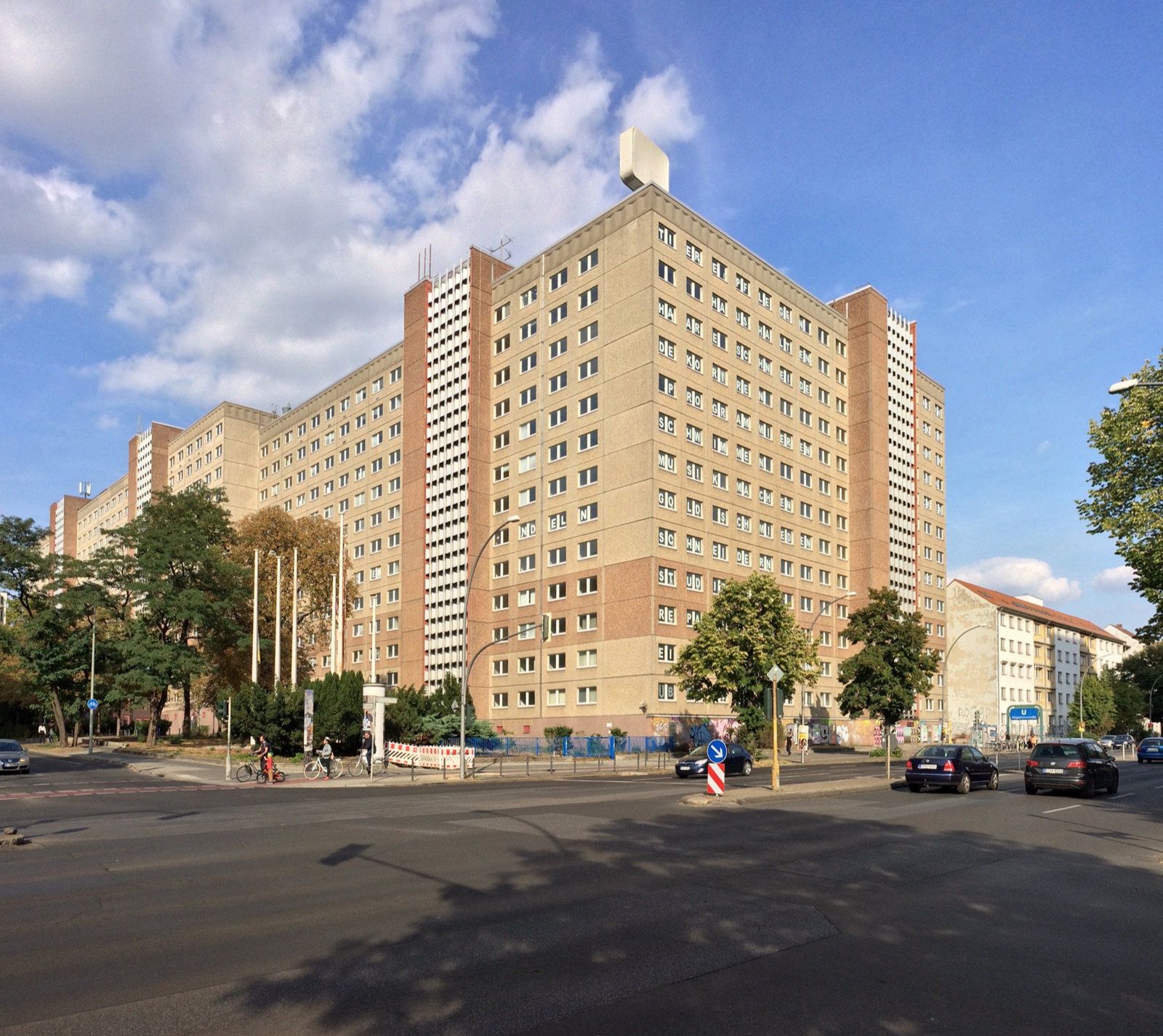
On the evening of Monday, January 15, 1990 — eight weeks after the Berlin Wall opened and four weeks after the Round Table had begun negotiating East Germany's transition — approximately five thousand demonstrators forced their way through the iron gates of the Ministry for State Security headquarters on Normannenstraße in the East Berlin district of Lichtenberg. The Bürgerkomitee 15. Januar (Citizens' Committee of 15 January) had organized the breach in response to evidence that Stasi officers had spent the prior weeks systematically shredding operational files. Inside the headquarters — a complex of 22 connected buildings housing approximately 7,000 of the Ministry's central-office personnel — the demonstrators found Stasi staff still at desks. The shredding stopped that night. Over the following 24 months, the East German interim government, the post-reunification Bundestag, and the citizen committees of fourteen East German cities preserved what would become the most extensive corpus of state-surveillance operational records in modern human history: approximately 111 kilometers of paper files in the central Berlin archive, approximately 47 kilometers in regional offices, 1.7 million photographs, 30,000 video and audio tapes, 15,500 bags of pre-shredded fragments awaiting reconstruction, and the operational, biographical, and personal-network files of an estimated 5.6 million individuals. The Stasi-Unterlagen-Gesetz (Stasi Records Act) of December 20, 1991 established the Federal Commissioner for the Records of the State Security Service (BStU), with East German pastor and civil-rights activist Joachim Gauck as its founding director. The Records Act authorized any individual to request their personal Stasi file. By the end of 2024, the BStU had processed approximately 7.4 million such requests. The aggregate human record of what those requesters read — who had informed on them, what had been documented, what had been done in consequence — constitutes the most comprehensive case study of institutional state surveillance against a domestic civilian population that the historical record contains.
The Voynich Manuscript
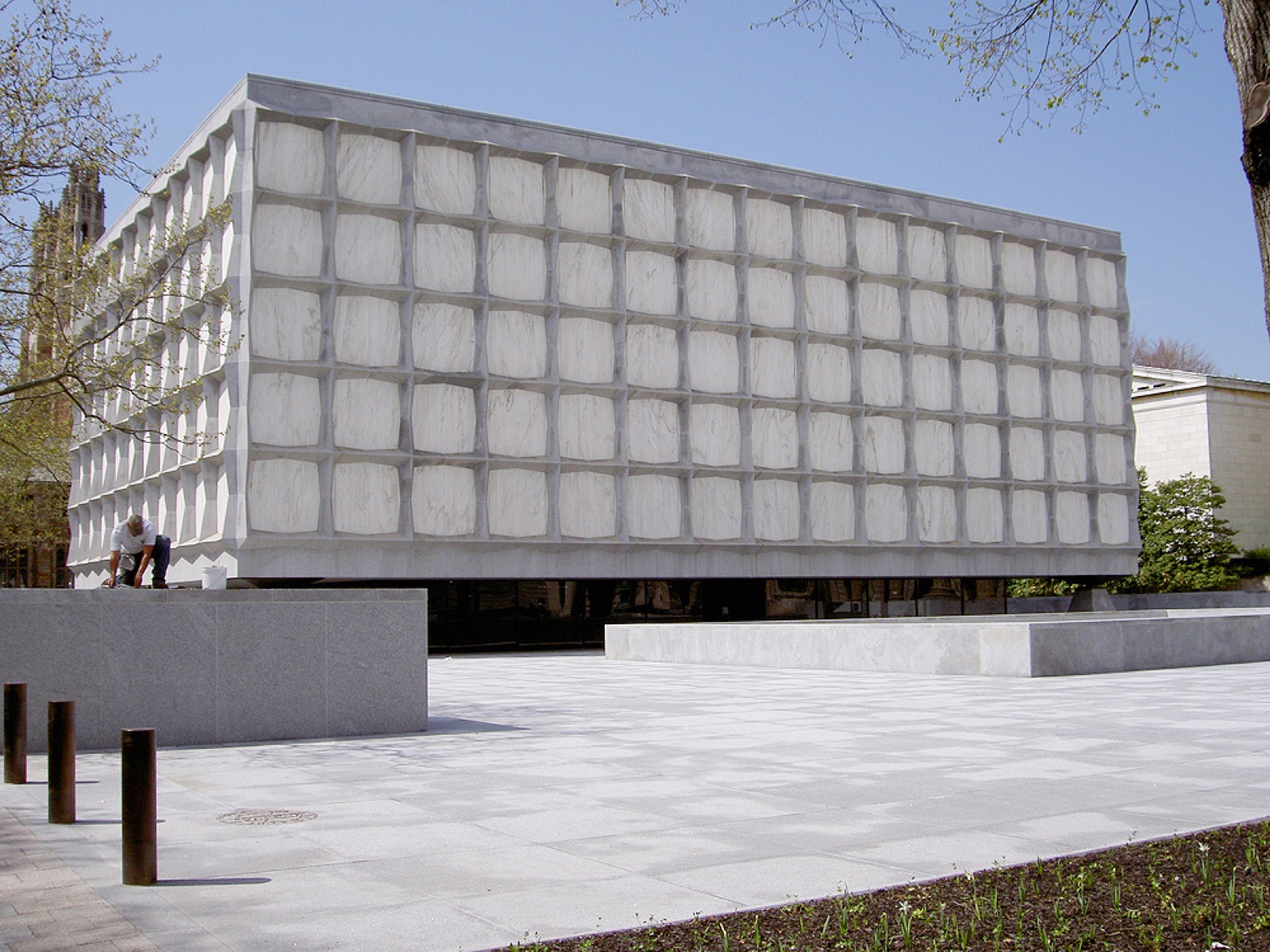
Sometime between 1404 and 1438 — the period to which the University of Arizona's accelerator mass spectrometry laboratory carbon-dated four samples of its vellum in 2009 — someone, almost certainly in northern Italy, produced a 240-page illustrated manuscript in a script that no one before or since has been able to read. The codex is now held as MS 408 of the Beinecke Rare Book and Manuscript Library at Yale University. It is one of the most studied documents in existence. It has been examined by the leading cryptographers of two centuries — including the team at the U.S. Army's Signal Intelligence Service that broke Japanese diplomatic codes in 1940 — and by the leading natural-language statisticians and machine-learning researchers of the present generation. Every claimed decipherment, of which there have been several dozen, has been rejected by the broader academic consensus. The script — colloquially 'Voynichese' — exhibits statistical patterns that resemble those of natural human languages while corresponding to no known language. The illustrations are recognizably medieval in style but depict, in their botanical sections, plants that match no identified species, and in their balneological sections, scenes of small naked female figures in green pools connected by what appear to be plumbing systems. The manuscript surfaced in the historical record in 1639 (a letter from a Bohemian alchemist to the Jesuit polymath Athanasius Kircher), disappeared again, and re-emerged in 1912 when the Polish-American bookseller Wilfrid Voynich purchased it from a Jesuit college near Rome. It has been at Yale since 1969. The Beinecke made it freely downloadable in 2020. The case file is mathematical, philological, and codicological. It is open in every sense.
Chernobyl
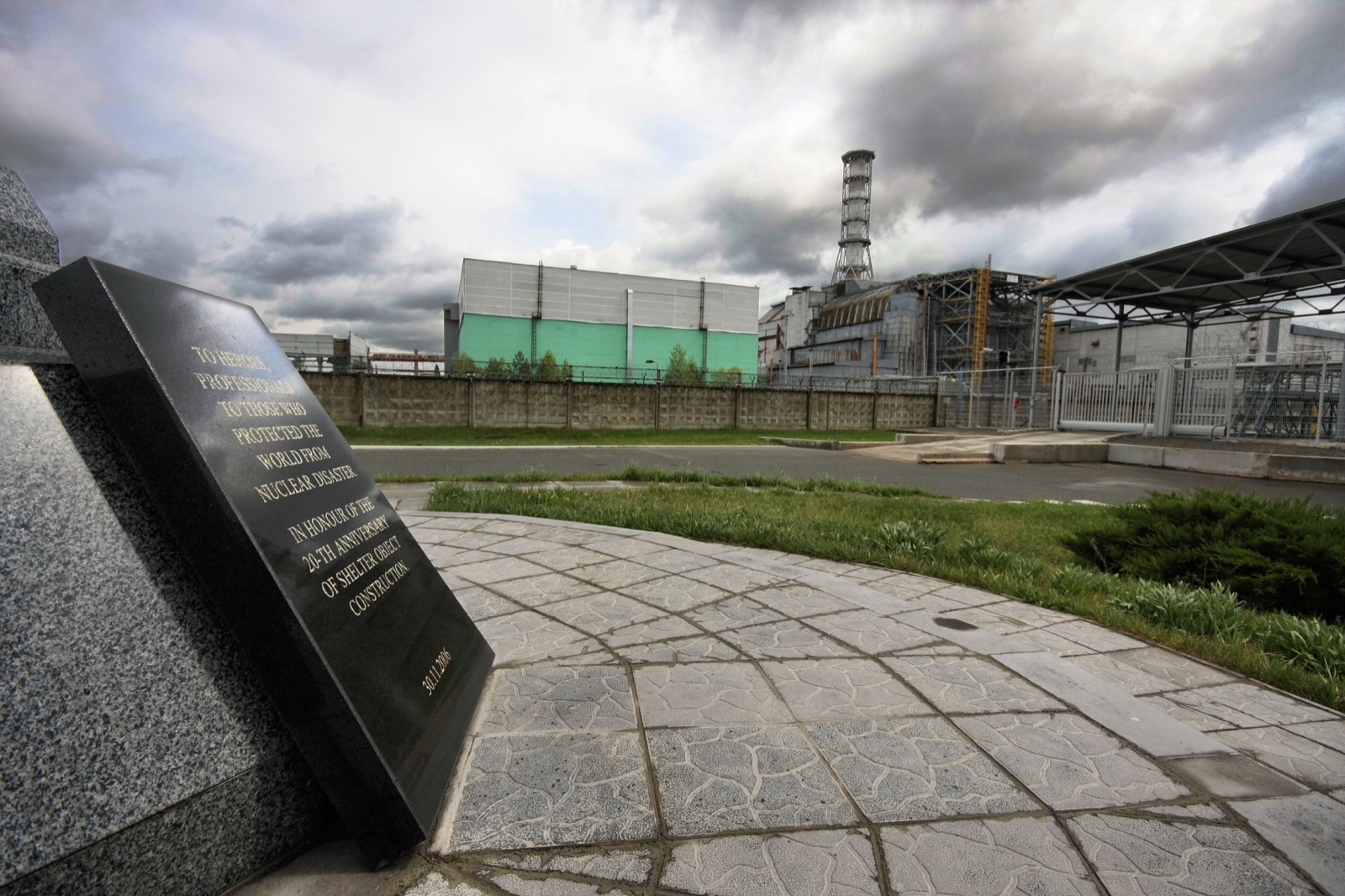
At 1:23:40 a.m. local time on Saturday, April 26, 1986, reactor 4 at the V. I. Lenin Nuclear Power Plant near Pripyat, Ukrainian Soviet Socialist Republic, exploded. A planned low-power safety test, run by night-shift personnel who had been ordered to proceed despite warnings, drove the RBMK-1000 reactor into a state its designers had specifically marked as forbidden. The graphite-tipped control rods, lowered to scram the reactor, briefly added reactivity before shutting it down. The core's thermal output spiked to approximately 30,000 megawatts — ten times rated capacity — in four seconds. Two steam explosions ripped the 1,000-tonne upper biological shield off the reactor and exposed the burning graphite core to the atmosphere. Two workers died at the moment of explosion. Twenty-nine more — firefighters, control-room operators, plant electricians — died from acute radiation syndrome within four months. Forty-eight hours passed before the city of Pripyat (population 49,360) was evacuated. The Soviet government did not publicly acknowledge the accident until April 28, after Swedish nuclear technicians at Forsmark detected the airborne plume 1,200 kilometres to the northwest. The cover-up was, by Mikhail Gorbachev's own subsequent assessment, the moment Soviet glasnost became unavoidable.
The Holodomor
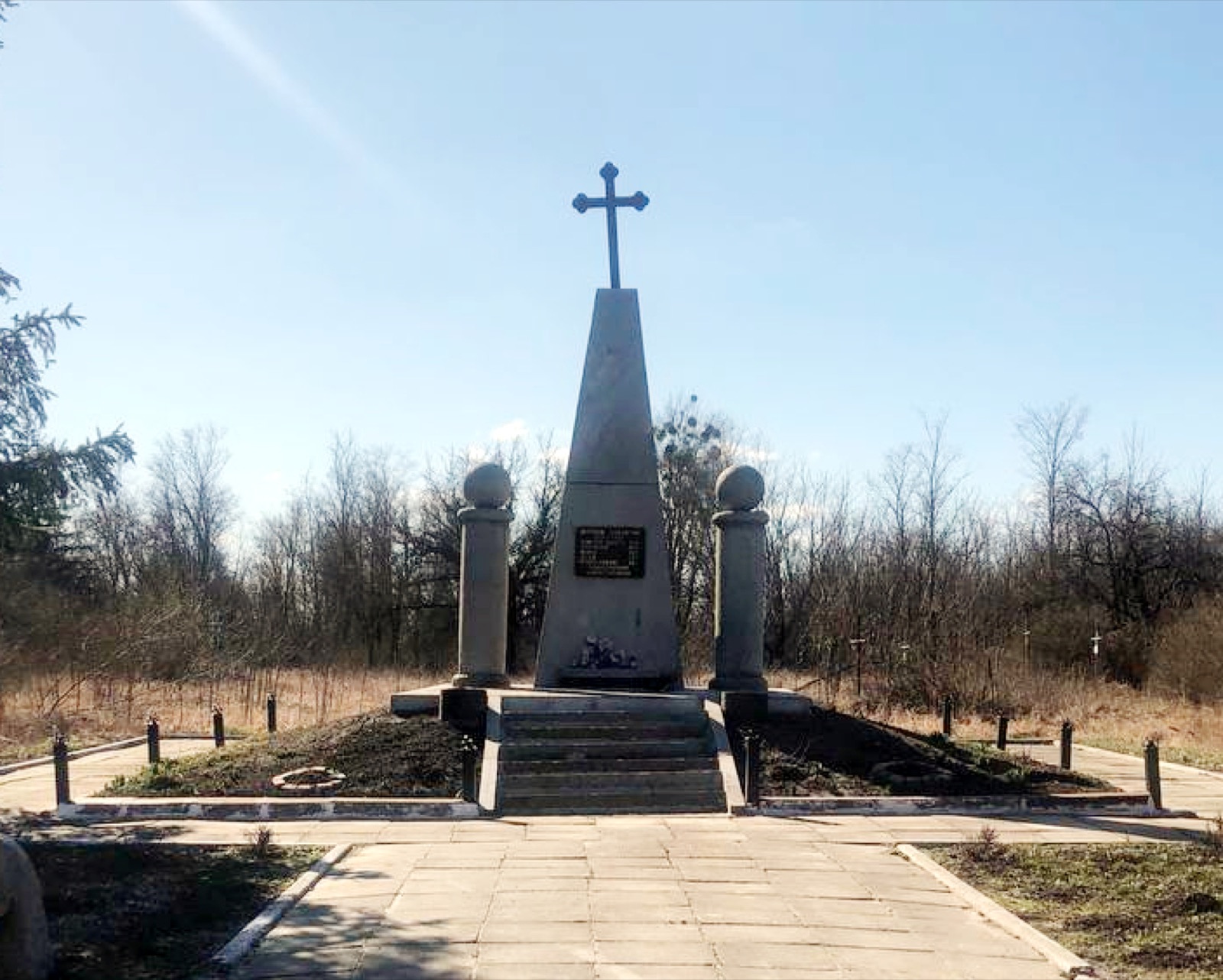
Between the winter of 1932 and the summer of 1933, between 3.5 million and 7.5 million people died of starvation and starvation-related illness in the Ukrainian Soviet Socialist Republic and the adjacent grain-producing regions of the North Caucasus and Kazakhstan. The deaths were not the result of crop failure. The 1932 Ukrainian harvest was below average but not catastrophically so; the deaths occurred because the Soviet state confiscated the harvest. Joseph Stalin's regime, working through Ukraine's Communist Party leadership under Lazar Kaganovich and Pavel Postyshev, imposed grain-procurement quotas that exceeded what the harvest could yield. When the quotas were not met, the state introduced 'blacklists' of villages — barred from receiving any goods, including food, until they delivered the quota. The state introduced an internal-passport system in late 1932 that prevented peasants from leaving their villages to find food elsewhere. Border guards turned back peasants attempting to cross into Russia or Belarus. The death toll, denied by the Soviet government for fifty-seven years, has since been documented through demographic analysis, opening of Soviet archives after 1991, and recovery of the photographic record — particularly the photographs of the Austrian engineer Alexander Wienerberger, who documented the famine in Kharkiv on a Leica camera he smuggled out of the USSR. The Ukrainian word *Holodomor* combines *holod* (hunger) and *moryty* (to kill, exterminate). The word was first used publicly by Ukrainian diaspora writers in the 1980s. The Ukrainian government formally recognized the events as genocide in 2006. As of 2024, the Holodomor has been recognized as genocide by approximately 34 countries and the European Parliament.
The Olof Palme Assassination
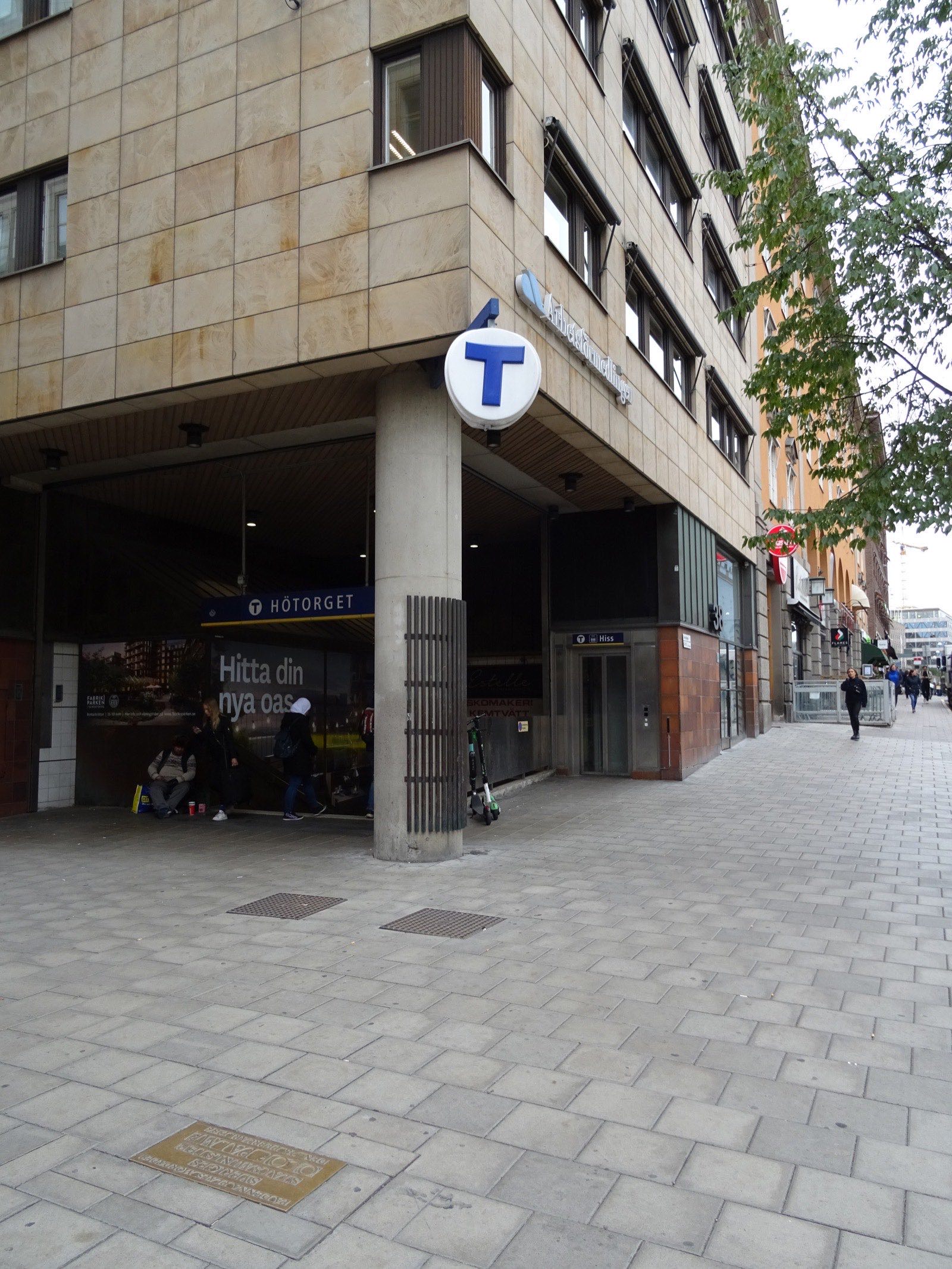
At 11:21 p.m. on Friday, February 28, 1986, the Prime Minister of Sweden, Olof Palme, was shot in the back at point-blank range on Sveavägen, Stockholm, while walking home from a cinema with his wife Lisbet. Lisbet Palme was grazed by a second shot. Olof Palme was 59 years old. He had been the Prime Minister of Sweden from 1969 to 1976 and again from 1982. He had no bodyguards that night. The killer ran east up Tunnelgatan and disappeared. He has never been positively identified. Sweden's Palme Commission and its successor police investigation ran for 34 years. On June 10, 2020, Chief Prosecutor Krister Petersson publicly named the most likely perpetrator — a Swedish graphic designer named Stig Engström, the so-called "Skandiamannen" — and simultaneously closed the case because Engström had died in 2000 and could not be tried. The 40-year-old investigation produced 22 binders of investigative material, dozens of failed theories, one wrongful conviction, and no court ruling. It is the largest unsolved political assassination in modern European history.
Princess Diana
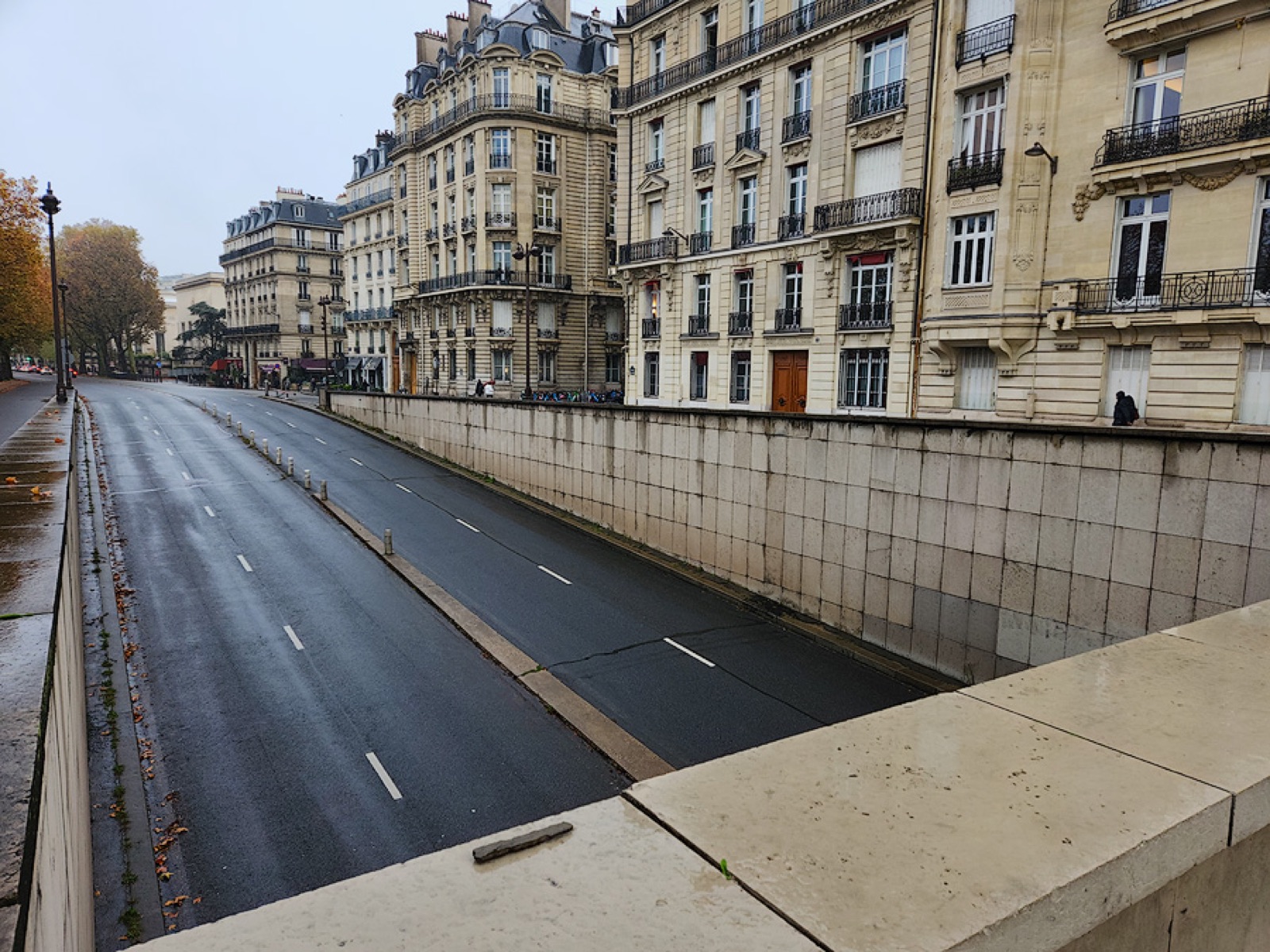
At 12:23 a.m. on Sunday, August 31, 1997, a black Mercedes-Benz S280 traveling at approximately 105 km/h entered the Pont de l'Alma underpass in central Paris. Six seconds later it hit the thirteenth concrete pillar dividing the eastbound and westbound lanes. Diana, Princess of Wales, 36, was in the back seat. So were her companion Dodi Fayed, 42, and bodyguard Trevor Rees-Jones, 29. Henri Paul, 41, the acting Ritz security manager driving without a chauffeur licence, was at the wheel. Fayed and Paul died at the scene. Diana was pronounced dead at 4:00 a.m. at the Pitié-Salpêtrière hospital. Only Rees-Jones — the only passenger wearing a seat belt — survived, with severe facial injuries he would never fully remember. The French judicial investigation closed in 1999 with the conclusion that the cause was reckless driving by Henri Paul under the influence of alcohol and prescription drugs. The 2004-2006 British inquiry Operation Paget, led by Metropolitan Police Commissioner Lord Stevens, reached the same conclusion across 832 pages. The 2007-2008 British inquest, before a jury of eleven, returned a verdict of *unlawful killing* by gross negligence of Henri Paul and the following paparazzi. No criminal trial has ever been held. The conspiracy theory that Diana was murdered — by MI6, by the Royal Family, by Mohamed Al-Fayed's enemies, by any of half a dozen other proposed perpetrators — has nonetheless persisted for nearly thirty years.
Operation Gladio
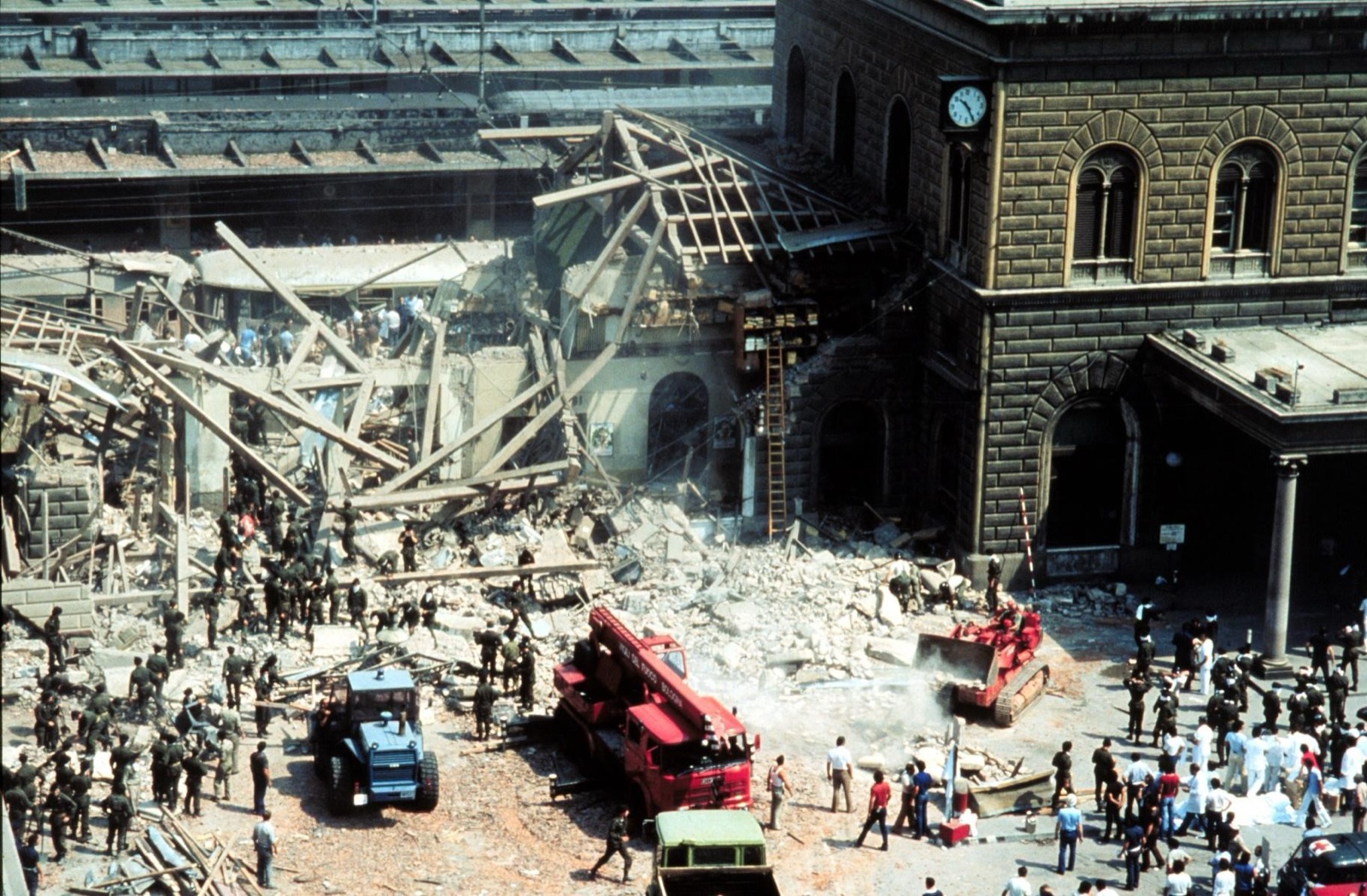
From 1956 onward, NATO and the CIA helped build clandestine paramilitary networks across Western Europe — Italy, Belgium, West Germany, France, the Netherlands, Greece, Turkey, Spain, Portugal — designed to wage guerrilla war if the Red Army crossed the Iron Curtain. The Red Army never crossed. The networks did not disband. In Italy, where the operation was codenamed Gladio, the same structures became entangled with right-wing terror that killed hundreds of civilians between 1969 and 1984. The network's existence was confirmed by the Italian Prime Minister, in Parliament, on October 24, 1990.
8 files · end of the line