Tag
#1940s
7 articles
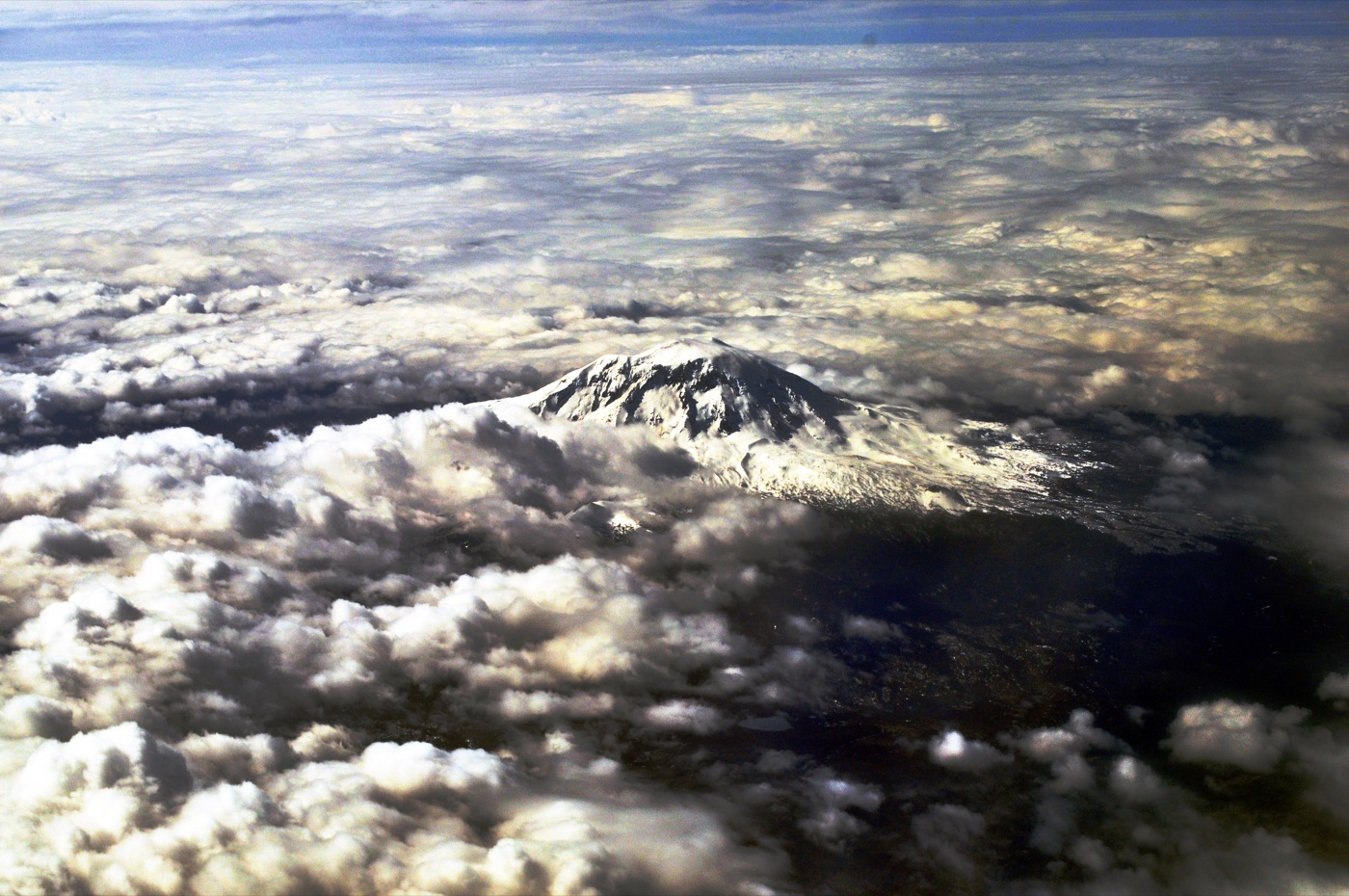
Kenneth Arnold: The Sighting That Invented the Flying Saucer
On the afternoon of 24 June 1947, a businessman and private pilot named Kenneth Arnold was flying his small aircraft near Mount Rainier, in the Cascade Range of Washington state, when he saw something that would change the world's imagination. Nine bright objects were streaking through the sky, flying in a chain formation at tremendous speed, weaving between the mountain peaks — moving, by his estimate, far faster than any aircraft of the era could manage. When he landed and described what he had seen to reporters, he reached for an analogy for the way the objects moved: they flew, he said, erratically, dipping and skimming, 'like a saucer would if you skipped it across water.' A reporter distilled this into a memorable phrase, and within days the newspapers of America were full of the term 'flying saucers.' It was, in a sense, a misunderstanding: Arnold had been describing the motion of the objects, not their shape, and the objects themselves he described as more crescent- or heel-shaped than round. But the phrase 'flying saucer' had entered the language, and with it came the idea of the round, disc-shaped craft that would become the iconic image of the UFO for generations. Within weeks, reports of 'flying saucers' were pouring in from across the country, and the crash near Roswell followed in early July. The modern age of UFOs had begun. This is the story of Kenneth Arnold's sighting — of what he saw, of how a phrase was born from a description of motion, and of how a single ambiguous encounter launched a global phenomenon.
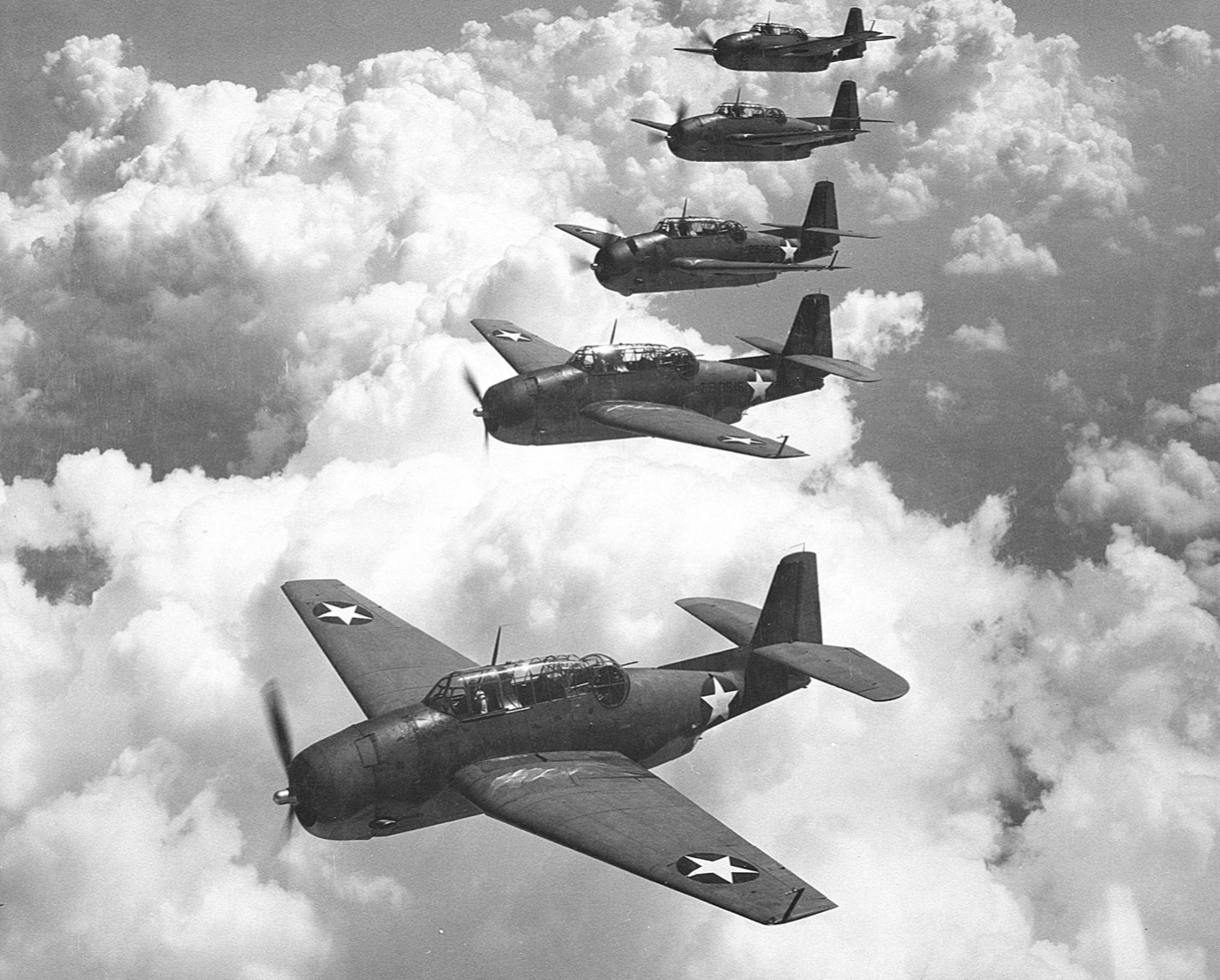
Flight 19: The Lost Squadron and the Birth of the Bermuda Triangle
On the afternoon of 5 December 1945, five United States Navy torpedo bombers took off from the Naval Air Station at Fort Lauderdale, Florida, on a routine training exercise over the Atlantic. The mission, designated Flight 19, was a navigation problem: fly east to a practice bombing range, then on a triangular course out over the ocean and back to base. Fourteen airmen were aboard the five planes, led by an experienced combat pilot named Lieutenant Charles Taylor. The flight never returned. As the afternoon wore into evening, radio operators on shore picked up Taylor's increasingly troubled transmissions: he believed his compasses had failed, he was unsure where he was, he thought he was somewhere he was not, and he led the flight one way and then another in a worsening confusion as the weather deteriorated and darkness fell. The last messages suggested the planes were running low on fuel far out over a rough sea. Then there was silence. A large flying boat dispatched to search for them disappeared as well, apparently exploding in the air, taking its crew of thirteen with it. Twenty-seven men were lost that night, and despite an enormous search, no wreckage of the five bombers was ever definitively found. The Navy concluded the flight had been lost to navigational error and the unforgiving ocean. But the strange, sad disappearance of Flight 19 would become the founding legend of the Bermuda Triangle, transformed over the following decades into a tale of supernatural mystery that the facts never supported. This is the story of the lost squadron, and of how a tragedy became a myth.
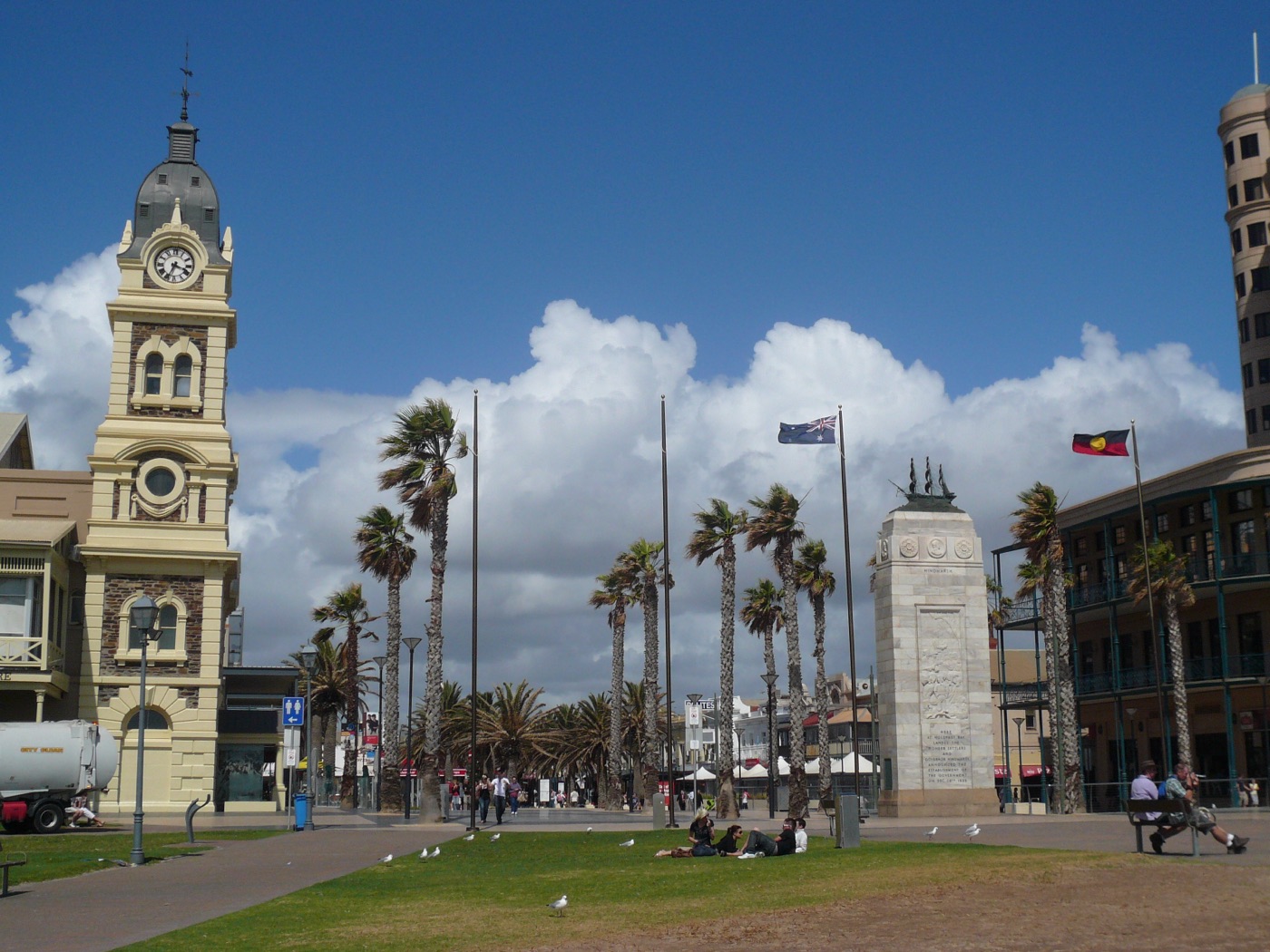
The Somerton Man: The Body on the Beach and the Words 'Tamám Shud'
On the morning of 1 December 1948, the body of a man was found on Somerton Park beach near Adelaide, in South Australia, propped against the seawall as though he had fallen asleep looking out to sea. He was middle-aged, fit, and neatly dressed in a good suit, and he carried no wallet, no documents, and nothing that could say who he was. Stranger still, every maker's label had been carefully cut or removed from his clothing, as if someone had wanted to ensure he could not be identified. He had no obvious injuries; the cause of his death could not be established, and though poison was suspected, none was ever found. The investigation that followed turned up one haunting clue after another and solved none of them. Hidden in a tiny fob pocket sewn into his trousers was a scrap of paper, torn from a book, printed with two words in Persian: 'Tamám Shud' — meaning 'ended' or 'finished,' the final words of the famous poem the Rubáiyát of Omar Khayyám. The very copy of the book from which the scrap had been torn was later found, discarded in a parked car nearby, and in the back of it were pencilled a phone number and a string of capital letters that looked like a code — a code that has never been deciphered. For three-quarters of a century, no one even knew the dead man's name, and his case became one of the most famous unsolved mysteries in the world. In 2022, DNA evidence finally offered an answer to who he was. But how he came to be dead on that beach, and what the cut labels and the uncrackable code meant, remain unexplained to this day. This is the story of the Somerton Man.
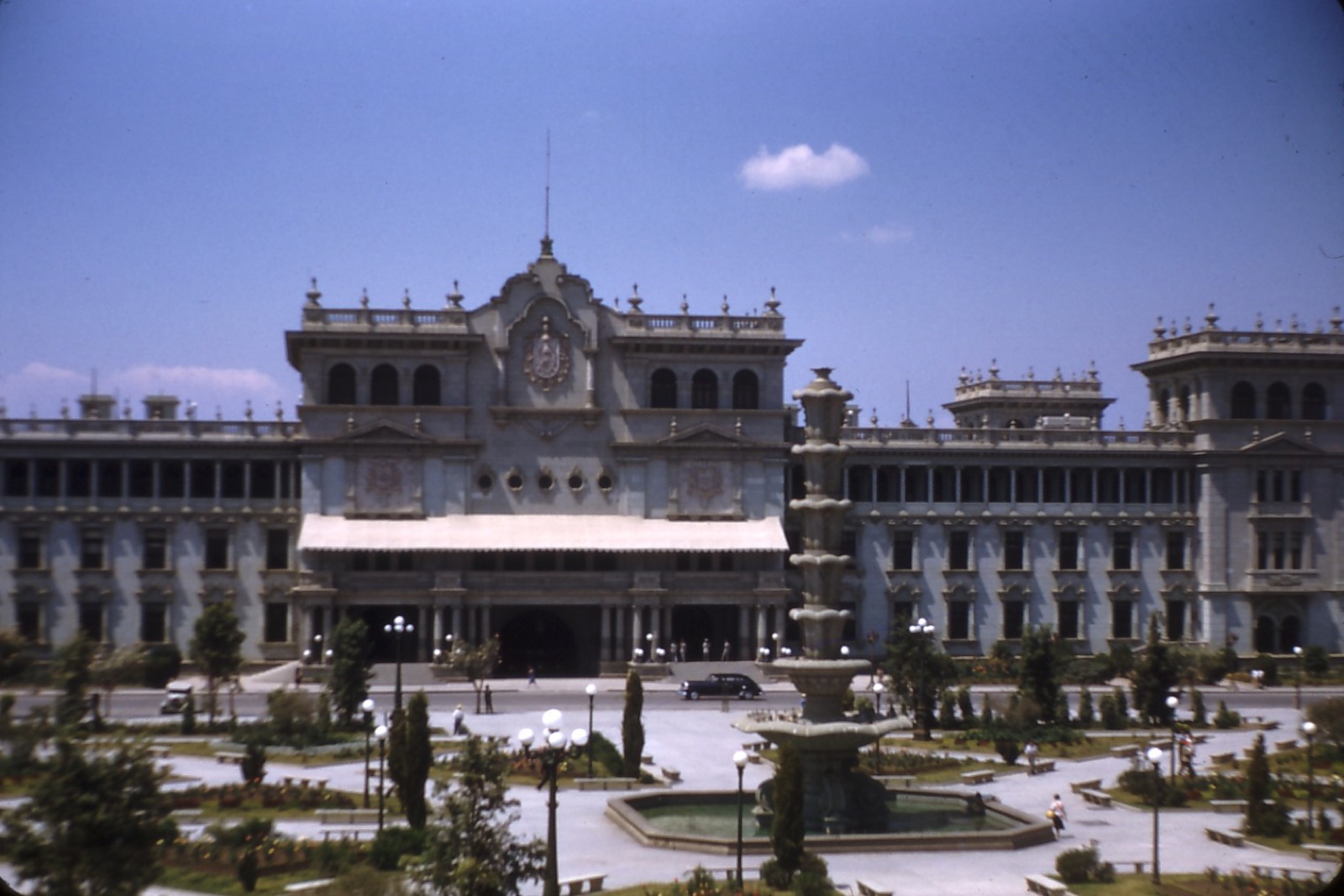
The Guatemala Syphilis Experiments and the Deliberate Infection of the Powerless
Between 1946 and 1948, doctors working for the United States Public Health Service travelled to Guatemala and did something that even the medical ethics of their own era forbade: they deliberately gave people syphilis. Not by accident, not as a side effect of withholding treatment, but on purpose — infecting more than a thousand Guatemalan prisoners, soldiers, psychiatric patients, and commercial sex workers with syphilis, gonorrhea, and chancroid, in order to study how the diseases spread and whether the new wonder drug penicillin could prevent them. The subjects were chosen precisely because they were powerless: confined to a prison, a barracks, or an asylum, in a poor country far from American oversight, where no one would ask whether they had agreed. Many were never told what was being done to them. Some were infected by having the bacteria applied directly to abraded skin or injected into their bodies; psychiatric patients who could not possibly understand were among them. At least eighty-three of the people caught up in the studies later died, though the link to the experiments was never fully untangled. The work produced little usable science, was never published, and was quietly buried — its records filed away in the papers of the doctor who ran it, the same man who would go on to help direct the infamous Tuskegee study. It stayed hidden for over sixty years, until a historian found those records in 2010. This is the story of what the United States did in Guatemala, why it was done where it was done, and how a government came to apologise for a crime that almost no one had known about.
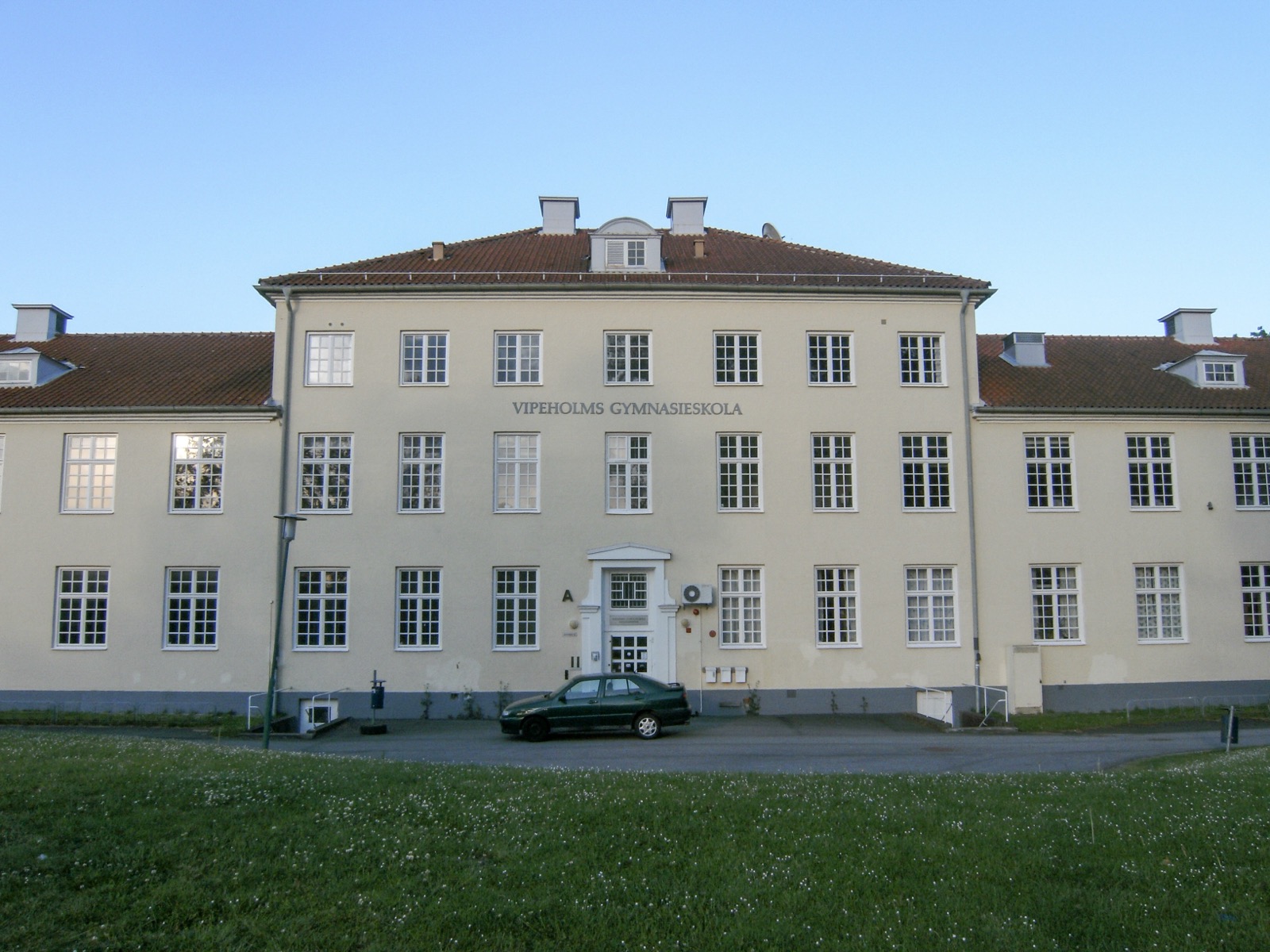
The Vipeholm Experiments and the Toffee Made to Rot Teeth
At the Vipeholm hospital outside Lund, in southern Sweden, the patients could not leave and could not consent. They were adults with severe intellectual disabilities, classified in the language of the time as 'uneducable,' housed for life in a state institution that controlled every meal they ate. And in the years after the Second World War, that total control made them, in the eyes of Sweden's medical authorities, the perfect material for an experiment. The country had one of the worst rates of tooth decay in the world, and the National Board of Health wanted to understand, definitively, what caused it. So between 1945 and the mid-1950s, researchers used the people of Vipeholm to find out — feeding different groups different diets, and, in the most notorious phase, giving some of them large quantities of a specially formulated sticky toffee, eaten between meals, that was engineered to cling to the teeth and bathe them in sugar for as long as possible. The patients' mouths were the laboratory. Many of them developed severe, irreversible cavities. The studies that resulted were a genuine scientific landmark: they established, more clearly than any work before, that it is sugar — and above all sugar eaten frequently and in sticky form — that drives tooth decay. That finding reshaped dentistry and gave Sweden its enduring tradition of lördagsgodis, sweets saved for Saturdays. But it was bought with the teeth of people who were never asked, and could not have answered. This is the story of what was done at Vipeholm, what it taught the world, and the question it leaves about the price of knowledge.
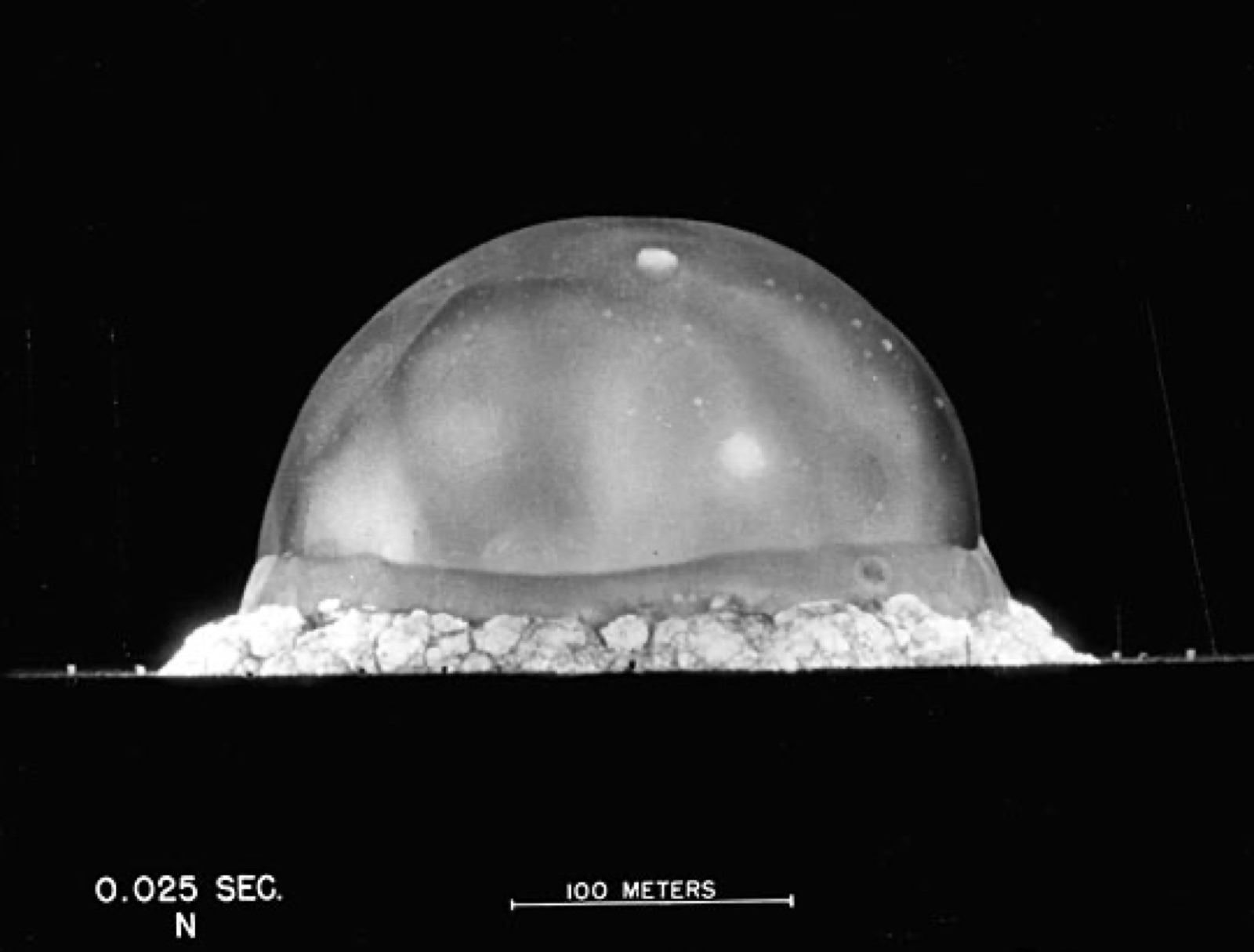
Kodak and the Trinity Test
In January 1946, X-ray film from Eastman Kodak began coming back damaged with unexplained spots. When the company's chemists finally traced the source, they were forced to confront the U.S. government. What they were given went further than anyone expected — and stayed secret for fifty years.
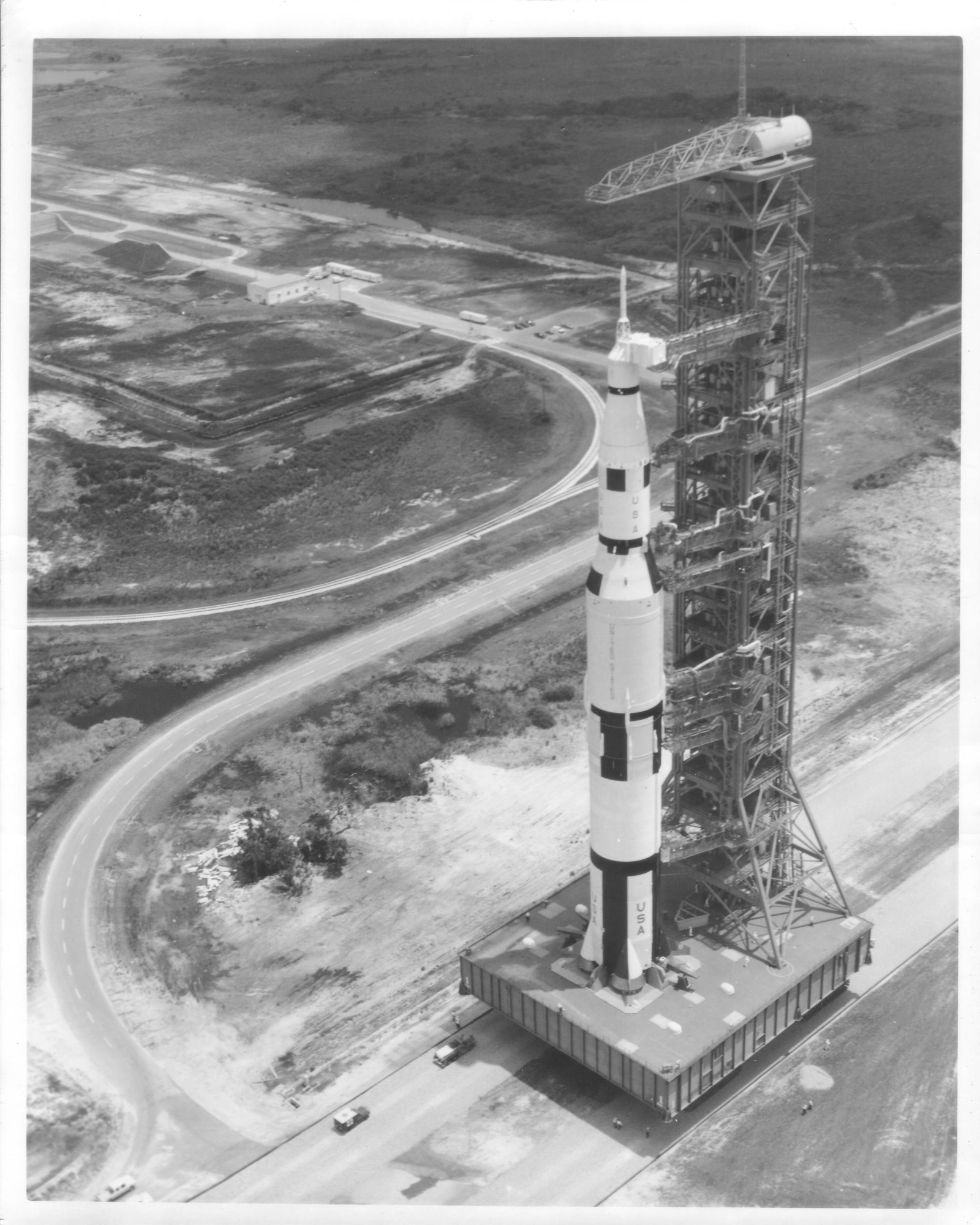
Operation Paperclip
Between 1945 and 1959, the U.S. Army Ordnance Corps and the Joint Intelligence Objectives Agency secretly transported more than 1,600 German scientists, engineers, and technicians from defeated Nazi Germany to the United States — together with files that had been quietly stripped of references to Nazi Party membership, SS rank, and slave-labour exploitation. The clip on the folder was where the program got its name. The most prominent of the imported men was Wernher von Braun, designer of the V-2 ballistic missile, who twenty-four years later watched the Saturn V — a rocket built by his Huntsville team — lift Apollo 11 toward the Moon.
7 files · end of the line