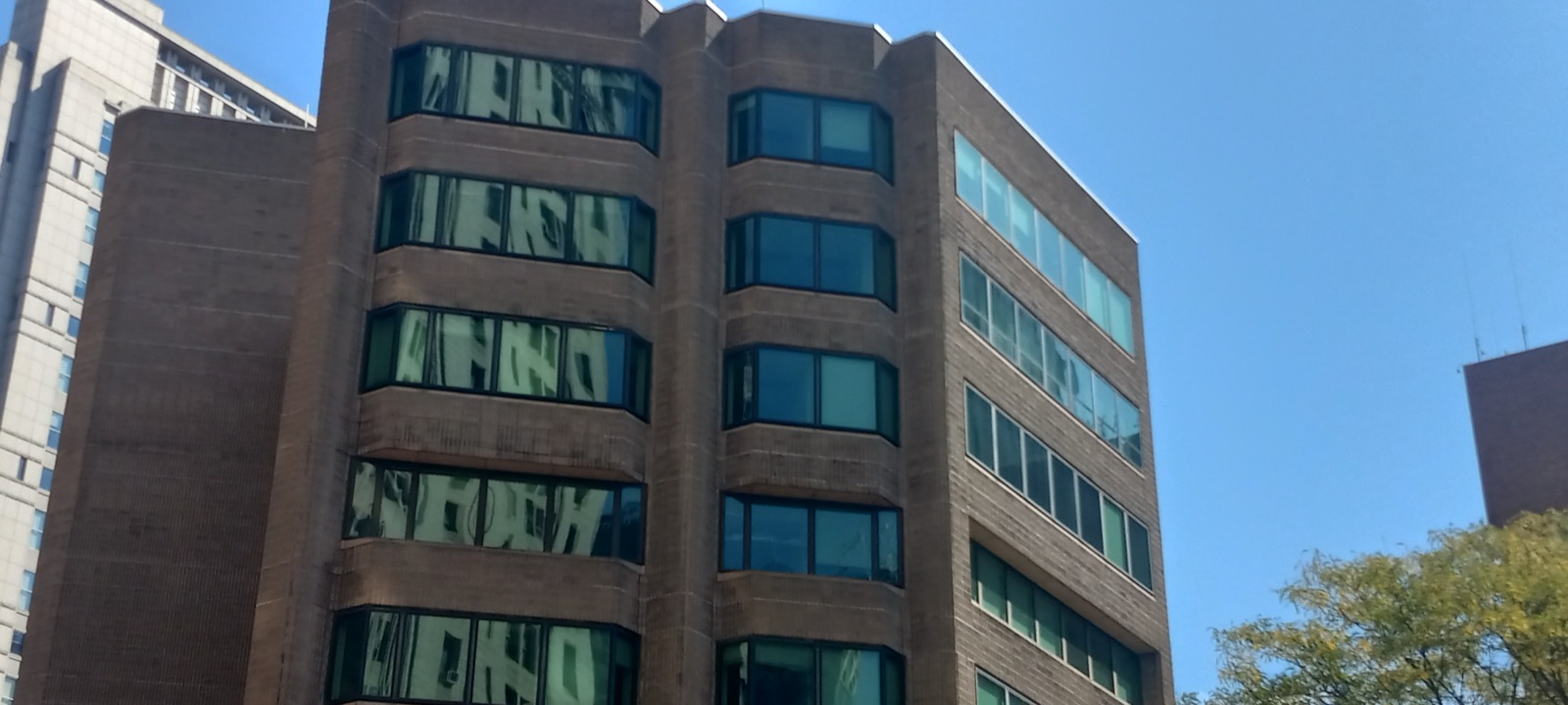
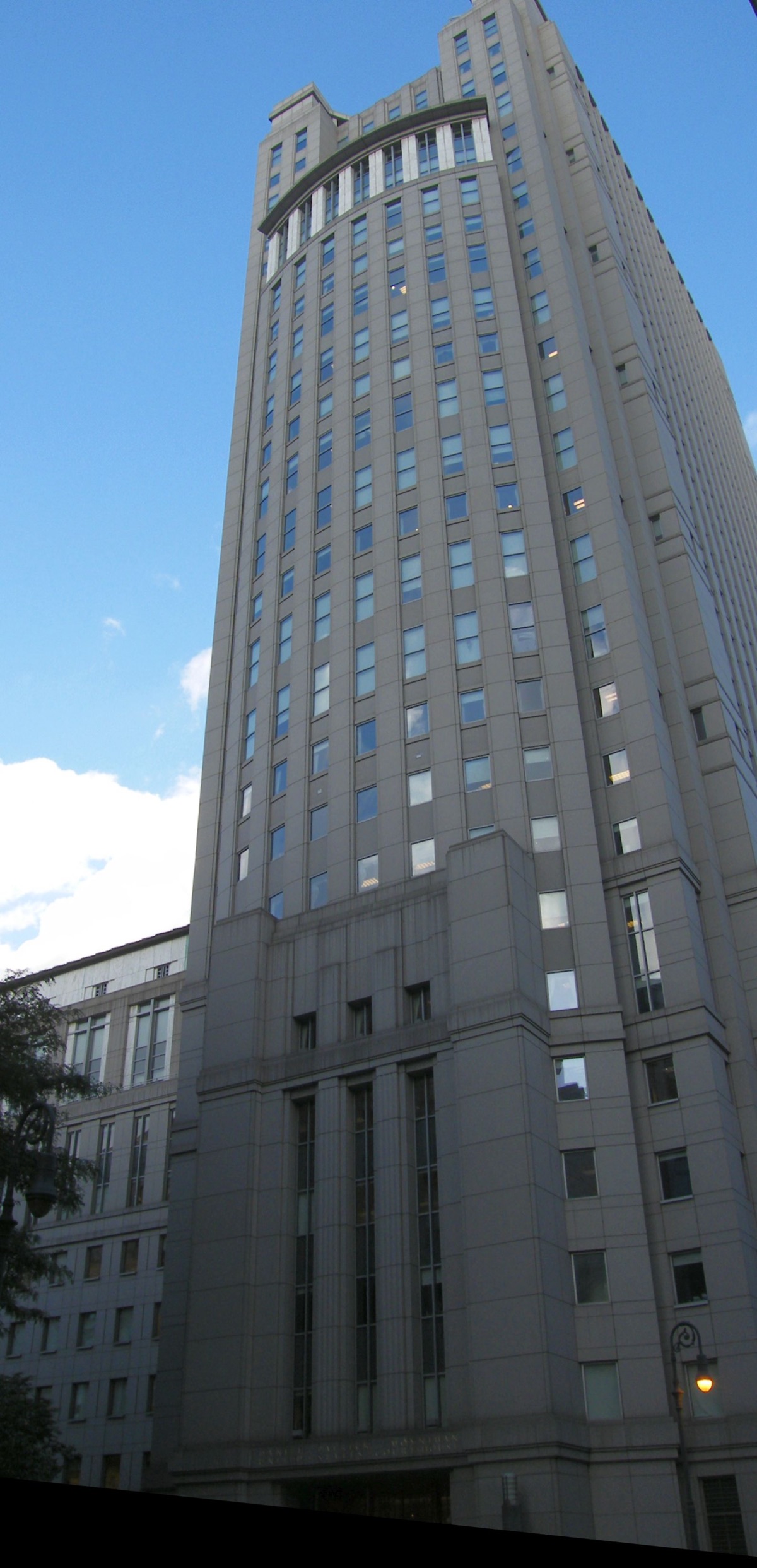
The Metropolitan Correctional Center, 150 Park Row, lower Manhattan. Built 1975 as the federal pretrial-detention facility for the Southern District of New York. Jeffrey Epstein was housed in its Special Housing Unit between July 8 and August 10, 2019. The facility was closed for renovation by the Bureau of Prisons in August 2021. Wikimedia Commons, CC BY 4.0 / Kidfly182.
Epstein Didn't Kill Himself
MCC New York, August 10, 2019
- Category
- Assassinations & Disappearances
- Published
- Length
- 3,700 words · 17 min read
- Author
- The editors
Epstein Didn't Kill Himself
MCC New York, August 10, 2019.
The morning of August 10
The Metropolitan Correctional Center is a 12-storey concrete tower at 150 Park Row in lower Manhattan, opened in 1975 as the federal pretrial-detention facility for the Southern District of New York. It sits between Foley Square and Chinatown, two blocks from the Daniel Patrick Moynihan U.S. Courthouse. The Special Housing Unit — SHU — was a high-security wing on the building's 9th floor. Epstein had been housed there since July 8, 2019.
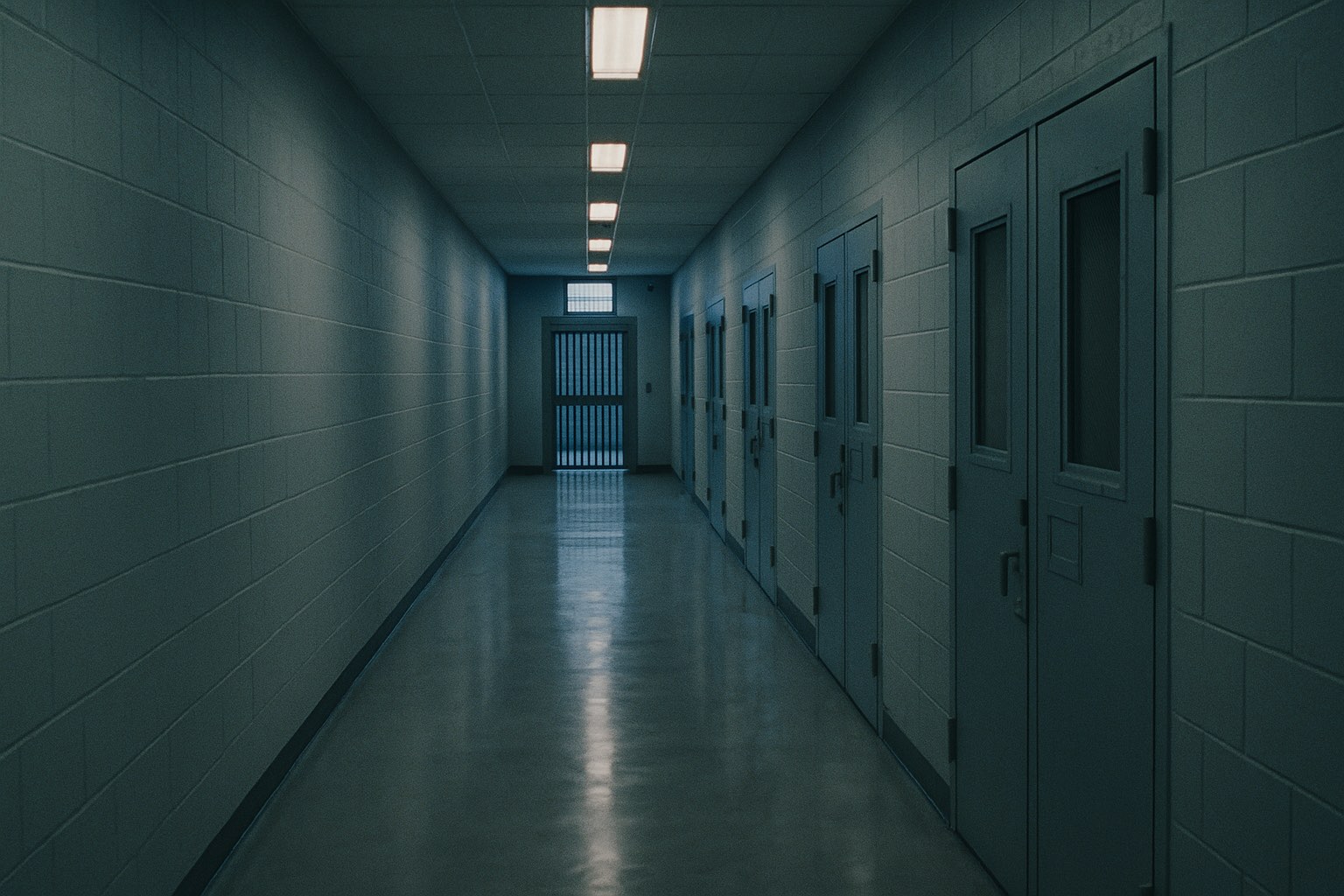
The official Bureau of Prisons timeline of the overnight period August 9-10 was reconstructed in subsequent Department of Justice Office of the Inspector General reporting (the 2023 OIG report) and in the federal indictment of Noel and Thomas. The relevant facts:
- Epstein had been on suicide watch from July 23 (the night of his cell injury) to July 29, 2019, then transferred back to standard SHU housing.
- His cellmate from late July through early August was Nicholas Tartaglione, a former Briarcliff Manor police officer held on four counts of murder.
- On August 9, 2019, Tartaglione was transferred to another cell. Epstein was alone in his cell that night.
- Two corrections officers — Tova Noel and Michael Thomas — were assigned to the SHU midnight-to-8 a.m. shift on August 9-10.
- Both were required, under BoP protocol for SHU, to conduct cell-by-cell observation rounds every 30 minutes.
- Neither performed the required rounds between approximately 10:30 p.m. on August 9 and 6:30 a.m. on August 10 — a span of approximately eight hours. Both certified in the SHU log book that the rounds had been performed.
- During the same window, Noel and Thomas variously slept and were observed on the SHU console computer browsing personal-shopping and sports-betting websites.
- At approximately 6:30 a.m. on August 10, the morning round discovered Epstein unresponsive in his cell.
The two corridor cameras with sightlines to the SHU section that included Epstein's cell were inoperative during the overnight window. A third camera in an adjacent corridor was operative; its footage was reviewed and showed no person entering or leaving the cell area during the window.
The pathologists disagree
The autopsy was performed by the New York City Office of the Chief Medical Examiner on Sunday, August 11, 2019. Dr. Barbara Sampson — the Chief Medical Examiner of the City of New York from 2013 to 2022 — was the responsible official. Dr. Michael Baden — a former Chief Medical Examiner of New York City (1978-1979) and the former chair of the House Select Committee on Assassinations forensic-pathology panel — was retained by Mark Epstein, Jeffrey Epstein's brother, to observe the autopsy on the family's behalf. Baden's presence and his post-autopsy public statements are the principal source of the documented forensic disagreement.
The OCME's finding, issued on August 16, 2019, was "suicide" by "hanging." On October 30, 2019, Dr. Baden — in a Fox & Friends interview — stated his disagreement publicly. The substance of his argument:
- Epstein exhibited multiple fractures of the hyoid bone and the thyroid cartilage. In Baden's experience as a forensic pathologist of more than 5,000 autopsies, this fracture pattern is rare in deaths by hanging — particularly in hangings from low ligature points (Epstein had reportedly used a torn bedsheet attached to the upper bunk).
- The fracture pattern Baden described is, in his experience, more typical of homicidal strangulation, in which the assailant's hands or arms exert direct compressive force on the larynx.
- Baden did not assert that the OCME's conclusion was impossible. He stated that the homicide hypothesis was more consistent with the forensic evidence than the suicide hypothesis was.
The OCME's position, reiterated in 2019 and again in 2020, was that Baden's framework was professionally legitimate but that the totality of the forensic evidence — including ligature pattern, asphyxia indicators, and the absence of evidence of a struggle — supported the suicide determination. The autopsy report itself has not been made public.
How he got to the cell
To understand the controversy over Epstein's death, the prior eleven years of his legal history must be summarized.
Jeffrey Epstein had been the subject of a Palm Beach Police Department investigation beginning in March 2005. The investigation was triggered by the parents of a 14-year-old girl who had been brought to Epstein's Palm Beach residence at 358 El Brillo Way for what was described to her as a "massage." The Palm Beach Police investigation, led by Detective Joseph Recarey, ultimately identified more than 30 minor victims and gathered evidence that, in the investigators' assessment, supported federal sex-trafficking charges.
The case was referred to the U.S. Attorney's Office for the Southern District of Florida in 2007. The U.S. Attorney was Alexander Acosta. In September 2007, Acosta's office entered into a non-prosecution agreement (NPA) with Epstein's legal team — at the time led by Alan Dershowitz, Kenneth Starr, and Jay Lefkowitz. The NPA terms:
- Epstein would plead guilty in Florida state court to two counts of solicitation of prostitution, including solicitation of a minor.
- He would serve 13 months in a Palm Beach County jail-work-release arrangement — substantially in an off-site office during business hours.
- The federal investigation would be dropped.
- Federal charges against Epstein "and any potential co-conspirators" would be barred.
The non-prosecution agreement was kept sealed from Epstein's victims, in violation of the federal Crime Victims' Rights Act. The CVRA-violation determination was made by U.S. District Judge Kenneth Marra of the Southern District of Florida on February 21, 2019, in Doe v. United States.
The Miami Herald and the federal indictment
The path from the 2008 Florida disposition to the 2019 federal indictment ran through the Miami Herald. Beginning in November 2018, the Herald published a three-part investigative series by Julie K. Brown — "Perversion of Justice" — that documented the breadth of the 2005-2008 investigation, identified 80 victims by name (with permission), and detailed the operational mechanics of Epstein's trafficking enterprise across Palm Beach, New York, New Mexico, the U.S. Virgin Islands, and Paris.
The Brown series catalyzed federal action. On July 6, 2019, Epstein was arrested at Teterboro Airport, New Jersey, on a 14-page federal indictment from the Southern District of New York charging sex trafficking and conspiracy to traffic minors. The indictment, signed by U.S. Attorney Geoffrey Berman, alleged that Epstein had operated a sex-trafficking enterprise from approximately 2002 to 2005 — and that conduct from the post-2005 period was within the SDNY's jurisdictional reach. The indictment carried a maximum sentence of 45 years.
Acosta — by this point Secretary of Labor in the Trump administration — resigned from the cabinet on July 12, 2019 over the renewed attention to the 2008 NPA.
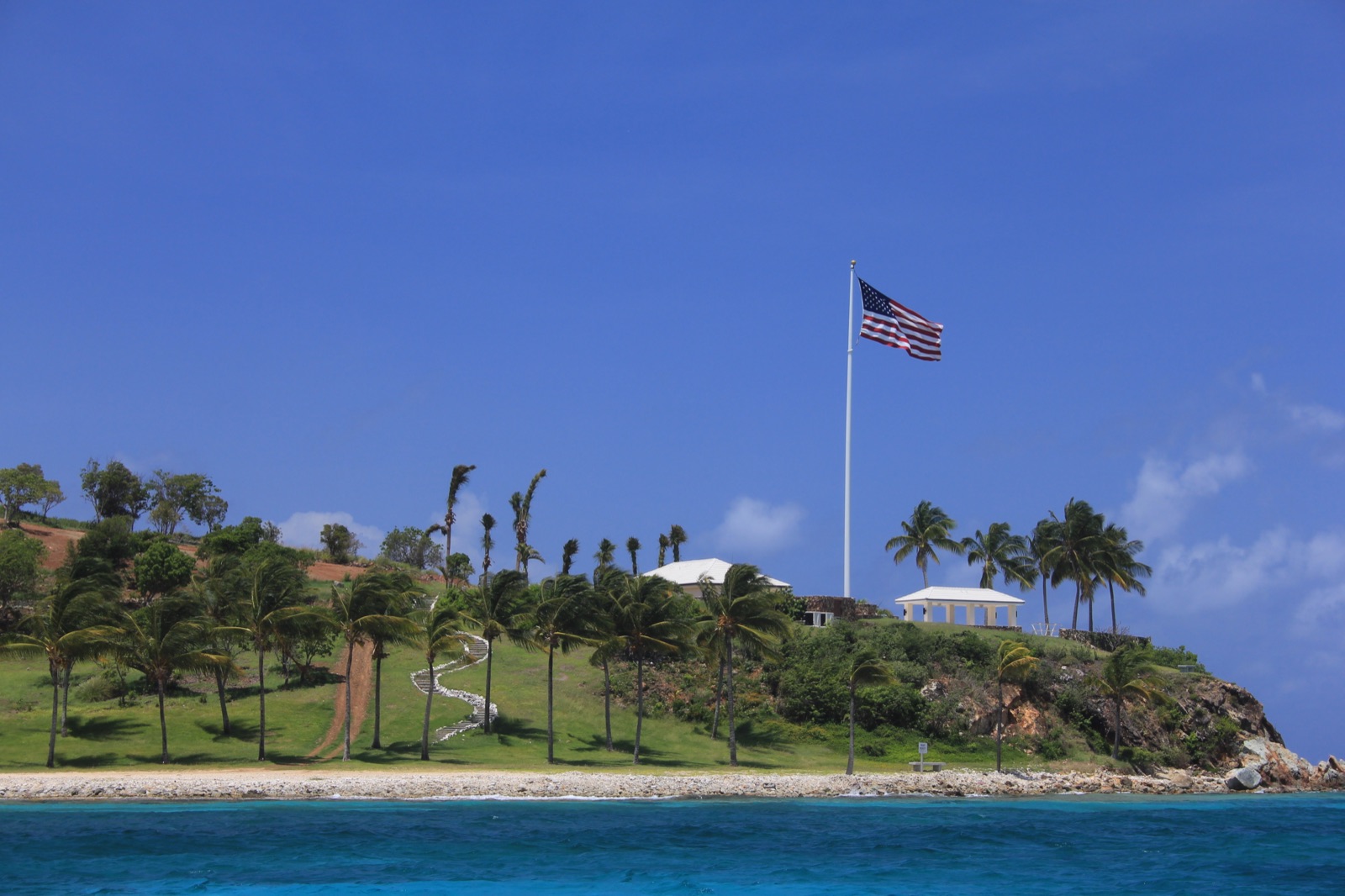
The SDNY indictment did not name co-conspirators. The phrase "and others known and unknown" appeared seven times. The non-naming of co-conspirators was — and remains — the substantive interpretive question of the case file.
Maxwell
Ghislaine Noelle Marion Maxwell — born December 25, 1961, the youngest child of British media magnate Robert Maxwell — had been Epstein's longtime social associate and, per the subsequent federal indictment, his operational partner in the trafficking enterprise.
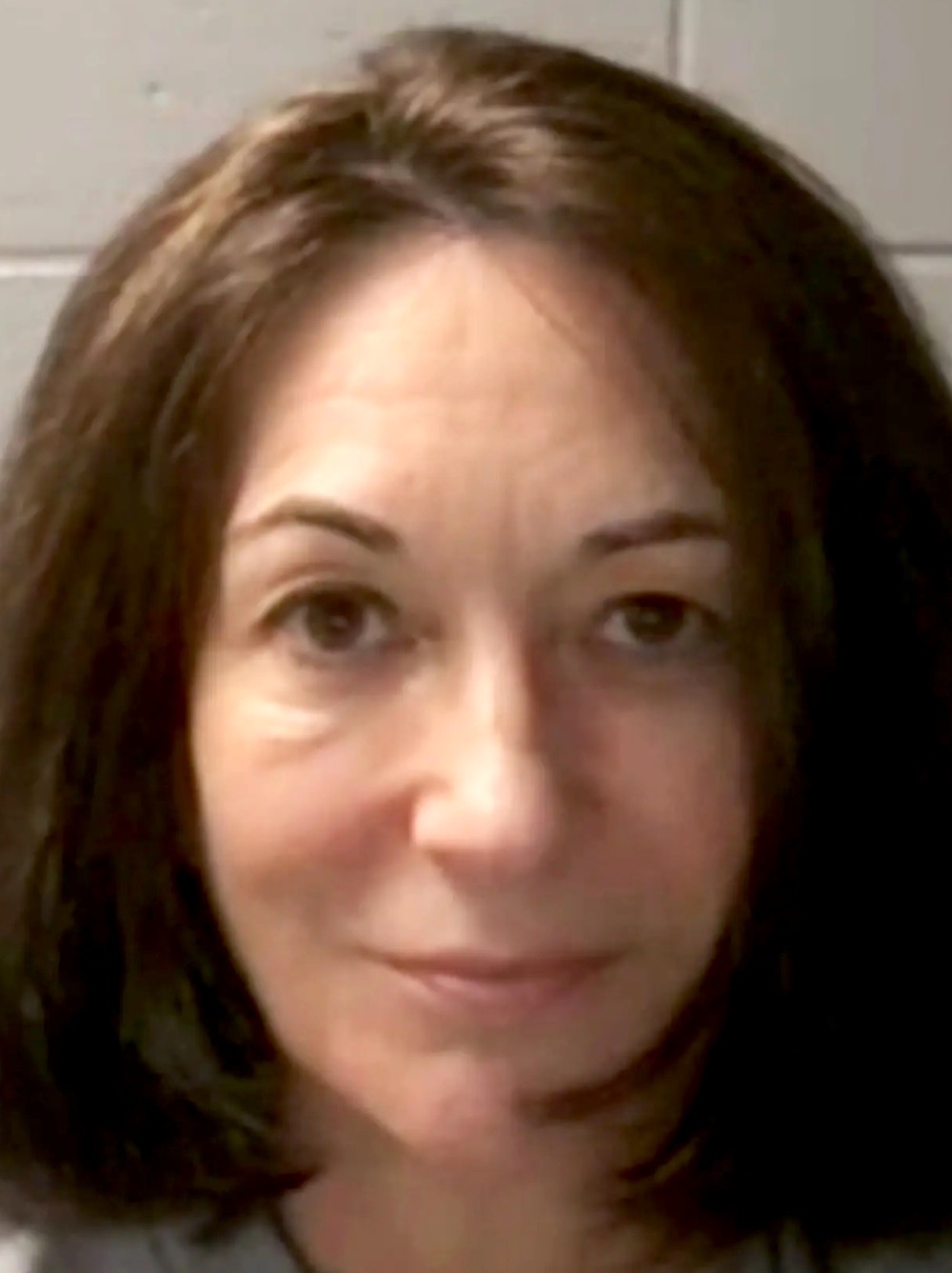
Maxwell was arrested at a 156-acre property in Bradford, New Hampshire, on July 2, 2020. She had purchased the property under an LLC in December 2019 and had been living there in seclusion since shortly after Epstein's arrest. Her arrest came at 8:30 a.m.; she was taken to the federal courthouse in Concord, New Hampshire for initial appearance, then transferred to the Metropolitan Detention Center in Brooklyn (not the MCC).
The SDNY indictment against her — handed down June 29, 2020 — charged six federal counts: enticement of a minor, conspiracy to entice minors, transportation of a minor, conspiracy to transport minors, and two counts of perjury arising from her 2016 civil deposition testimony in the Virginia Giuffre case. Trial began at the Daniel Patrick Moynihan U.S. Courthouse on November 29, 2021.
On December 29, 2021, the jury found Maxwell guilty on five of six counts. The perjury counts were severed and subsequently dismissed. On June 28, 2022, Judge Nathan sentenced Maxwell to 20 years in federal custody. She is incarcerated at FCI Tallahassee. Her appeal — on Brady-rule and juror-misconduct grounds — was denied by the Second Circuit in September 2024.
The 2024 unsealing and the 2025 FBI memo
In December 2023 and January 2024, U.S. District Judge Loretta Preska of the Southern District of New York ordered the unsealing of approximately 950 pages of documents in the Giuffre v. Maxwell civil case (filed 2015). The documents — depositions, exhibits, and motion practice — named approximately 170 individuals in various capacities (associates, employees, friends, alleged co-conspirators, alleged victims, and trial witnesses). The unsealing was widely characterized in U.S. media as a "client list" release; it was not. The unsealing was a docket-cleaning operation in a long-resolved civil case, and the named individuals were named in a range of contexts not limited to alleged criminal conduct.
In July 2025, the Federal Bureau of Investigation released a two-page internal memorandum summarizing the case file. The memo's two operative conclusions:
- The death of Jeffrey Epstein was a suicide by hanging.
- No discrete "client list" of named co-conspirators existed in the FBI case file. Names of associates, acquaintances, employees, and other individuals appeared throughout the investigative materials but did not constitute a discrete document of the kind colloquially described.
The FBI memo was widely received in U.S. public discourse as confirming the official position and as not satisfying the underlying questions. The full case file remains substantially classified or otherwise unreleased.
The cast
Sources
Primary documents:
- United States v. Epstein, S.D.N.Y. Indictment 19-CR-490, July 2019.
- United States v. Maxwell, S.D.N.Y. Superseding Indictment 20-CR-330, June 2020 and subsequent.
- Doe v. United States, S.D. Fla. Order 08-cv-80736, Judge Kenneth Marra, February 21, 2019 — CVRA-violation finding.
- Department of Justice, Office of the Inspector General, Report on Custody and Care of Jeffrey Epstein at the Metropolitan Correctional Center, December 2023.
- Giuffre v. Maxwell, S.D.N.Y. 15-cv-7433, sealed documents unsealed under Judge Loretta Preska's January 2024 orders.
- New York City Office of the Chief Medical Examiner, autopsy determination, August 16, 2019 (summary public).
- Federal Bureau of Investigation, internal memorandum re: J. Epstein investigation final findings, July 2025.
- Department of Justice, Office of Professional Responsibility, Report on 2007-2008 Resolution of Florida Investigation of Jeffrey Epstein, November 2020.
Secondary investigative reporting: 9. Julie K. Brown, "Perversion of Justice," Miami Herald three-part series, November 28-30, 2018. 10. Julie K. Brown, Perversion of Justice: The Jeffrey Epstein Story (Dey Street Books, 2021). 480 pages. 11. 60 Minutes, "The Jeffrey Epstein death investigation" segment, January 5, 2020 (with Dr. Michael Baden). 12. The Daily Beast, multi-year Conchita Sarnoff and Vicky Ward Epstein reporting 2008-2025. 13. Vicky Ward, "The Talented Mr. Epstein," Vanity Fair, March 2003 (the 2003 profile that originally circulated rumors of Epstein's intelligence-service connections). 14. 60 Minutes Australia, "The Maxwell Files" series, 2020-2021. 15. Netflix, Jeffrey Epstein: Filthy Rich (four-part documentary), May 27, 2020. 16. Bradley J. Edwards (with Brittany Henderson), Relentless Pursuit: My Fight for the Victims of Jeffrey Epstein (Gallery Books, 2020). The principal civil-litigation attorney's memoir. 17. Conchita Sarnoff, TrafficKing: The Jeffrey Epstein Case (Skyhorse, 2016, revised 2019). 18. The Wall Street Journal, multi-year Khadeeja Safdar and Joe Palazzolo reporting on Epstein's banking, 2020-2025.
Academic / specialist scholarship: 19. Frederic Block (Senior U.S. District Judge), "Prosecutorial Discretion and the Crime Victims' Rights Act: The Epstein Plea Bargain in Retrospect," Federal Sentencing Reporter, 2020. 20. Lisa A. Kerr, "Carceral Death and Public Doubt: The Epstein Custody Failure as Institutional Pathology," Annual Review of Law and Social Science, 2023.
Corrections & updates
2026-05-31: First publication.
Inspired this / based on it
Netflix / Lisa Bryant · ★ 7
Four-part documentary released May 27, 2020 based on Brown's reporting and victim interviews.
Julie K. Brown
Dey Street Books. The principal long-form treatment by the Miami Herald reporter whose 2018 series catalyzed the SDNY indictment.
Lifetime
Four-part documentary focused on victim testimony, August 9-10, 2020.
CBS / Sharyn Alfonsi
January 5, 2020 segment with Dr. Michael Baden.
Bradley J. Edwards
Gallery Books. Memoir of the principal civil-litigation attorney for Epstein's victims.
Netflix
Subsequent Maxwell-trial coverage.
Filed under
- #epstein
- #jeffrey-epstein
- #ghislaine-maxwell
- #mcc
- #manhattan-correctional-center
- #little-saint-james
- #alexander-acosta
- #non-prosecution-agreement
- #miami-herald
- #sex-trafficking
- #michael-baden
- #tova-noel
- #2019
- #north-america
- #usa
- #declassified
- #fbi
Click any tag for every article carrying it.
Continue reading
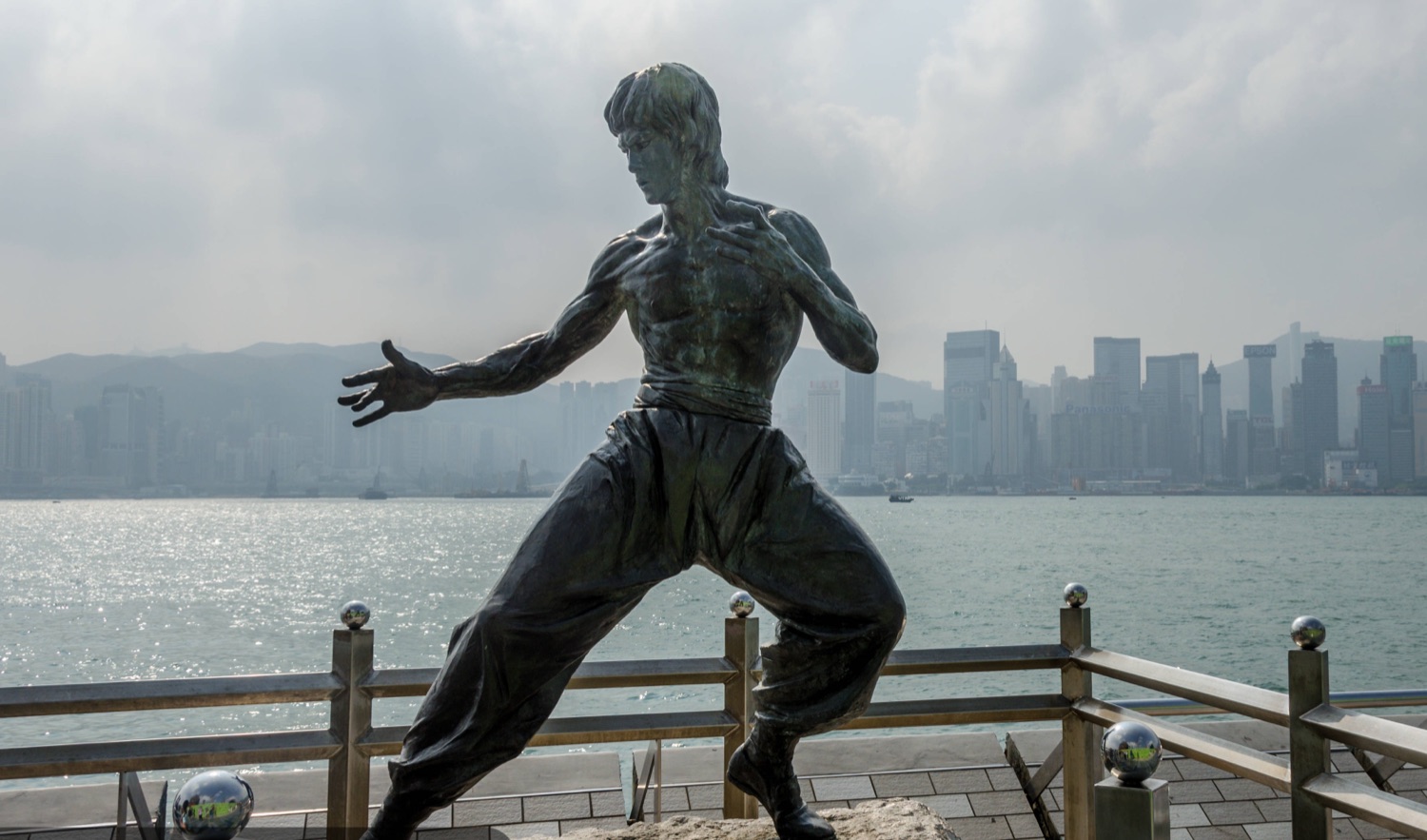
The Death of Bruce Lee: The Dragon's Sudden End
On the evening of 20 July 1973, Bruce Lee — the martial artist, actor, and philosopher who had done more than anyone to bring kung fu to the world, and who stood on the very threshold of global superstardom — lay down in a Hong Kong apartment with a headache and never woke up. He was thirty-two years old, extraordinarily fit, and weeks away from the release of Enter the Dragon, the film that would make him an immortal icon. His sudden death at the height of his powers stunned the world and seemed, to many, impossible: how could a man who embodied physical perfection simply die of a headache? A coroner's inquest concluded that he had died of a swelling of the brain — cerebral oedema — most likely triggered by a reaction to a common painkiller, and returned a verdict of 'death by misadventure.' But that clinical answer has never satisfied everyone, and in the vacuum of certainty a thicket of theories has grown: that he was murdered by rival martial artists or organised crime, that he fell to an ancient family curse later 'confirmed' by the freak death of his son, that some exotic 'death touch' had felled him. The medical reality is at once more mundane and more genuinely uncertain than any of these. This is the story of the death of Bruce Lee — of what the evidence shows, what remains unknown, and why the legends persist.
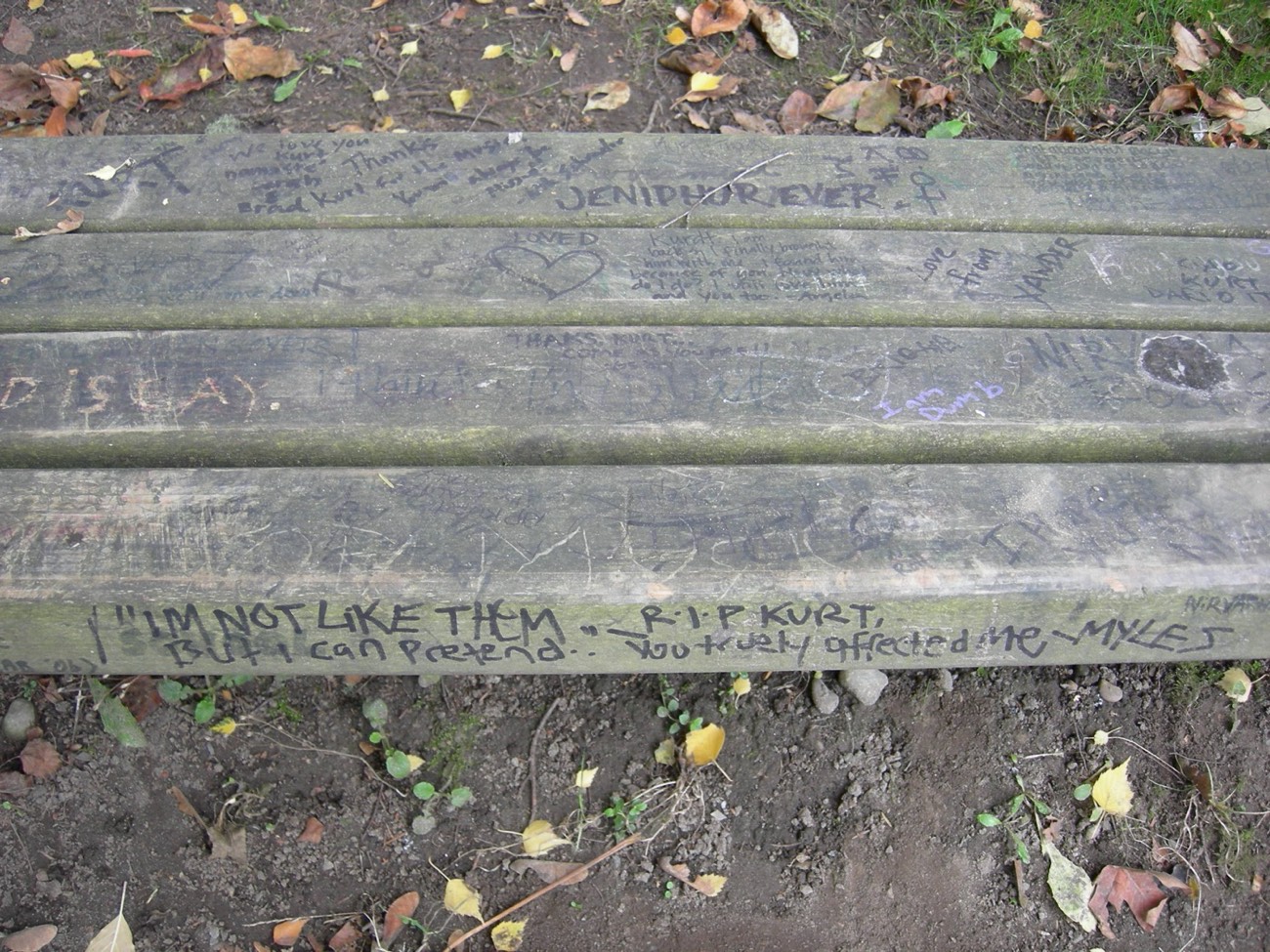
The Death of Kurt Cobain: The Reluctant Icon and the Theories
In early April 1994, Kurt Cobain — the singer, songwriter, and guitarist of Nirvana, the band that had carried underground rock into the mainstream and made him, against his own wishes, the defining voice of a generation — was found dead at his home in Seattle. He was twenty-seven years old. His death, from a self-inflicted gunshot wound, was ruled a suicide by the King County medical examiner and the Seattle police, a conclusion the authorities have reaffirmed in the decades since, including in a fresh review on the twentieth anniversary. Cobain had long struggled with severe depression, a debilitating chronic stomach condition, and heroin addiction, and had survived a near-fatal overdose only weeks before; a note was found at the scene. For most of those who knew him and have studied the case, his death was the tragic culmination of years of pain. Yet from the beginning a minority have insisted otherwise — that Cobain was murdered, that the suicide finding was wrong, with suspicion aimed in various directions — and these claims, amplified by books and films, have kept a conspiracy alive. This article examines his death with the care such a subject demands: what the evidence establishes, why the murder theories have not held up, and, above all, the human tragedy of mental illness and addiction that the conspiracy too often obscures. If you are struggling, please know that help is available, and that reaching out is a sign of strength, not weakness.
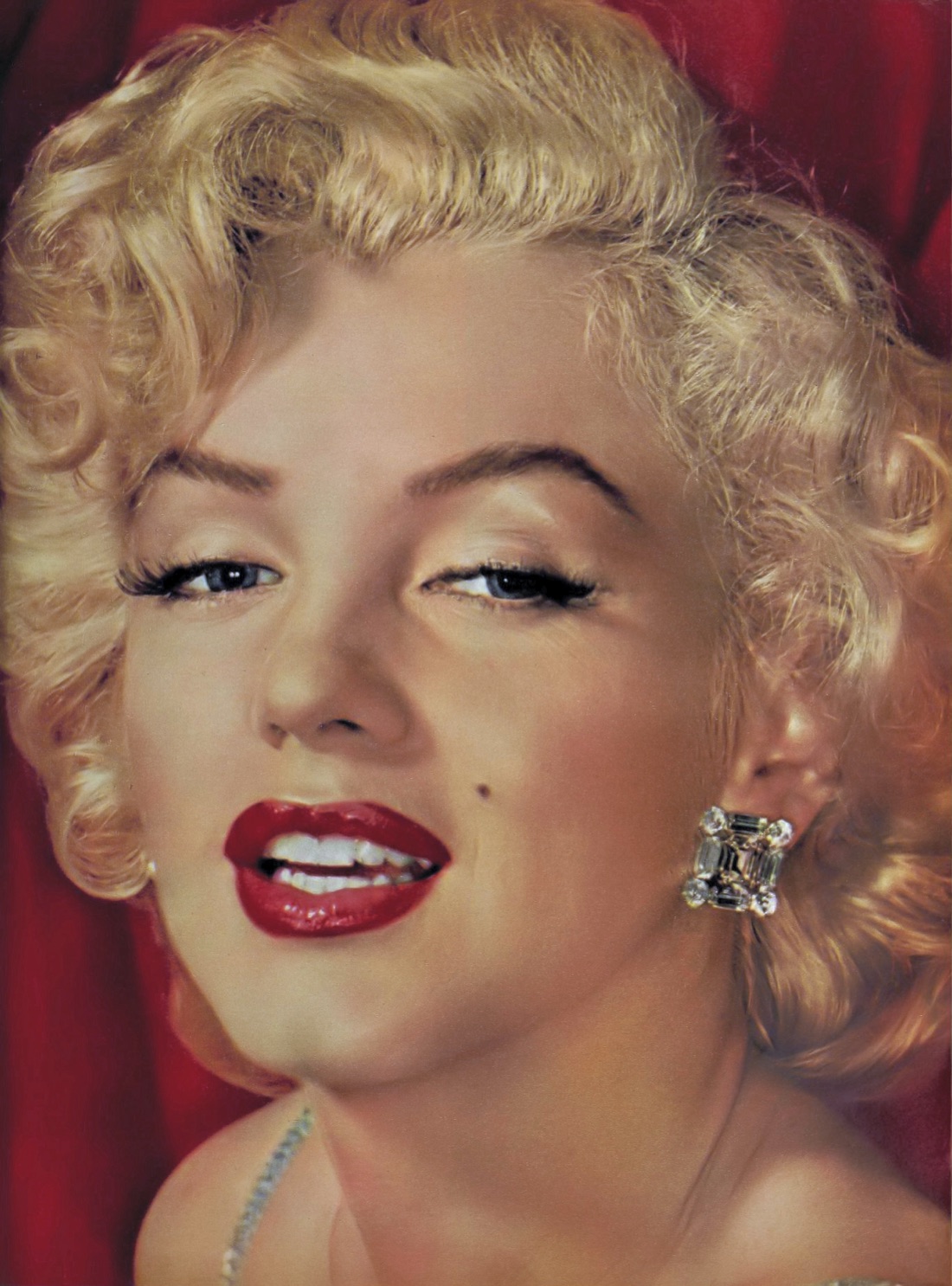
The Death of Marilyn Monroe: The Star, the Overdose, and the Theories
In the early hours of 5 August 1962, Marilyn Monroe — the most photographed and adored star of her age, an icon of Hollywood glamour recognised the world over — was found dead in the bedroom of her modest home in the Brentwood district of Los Angeles. She was thirty-six years old. The Los Angeles County coroner determined that she had died of acute barbiturate poisoning, a lethal quantity of sleeping pills in her system, and classified the death as a 'probable suicide,' consistent with her long and painful history of depression, insomnia, and dependency on the drugs that both sustained and endangered her. It should have been, and in its essentials was, the tragic end of a brilliant, fragile woman whom fame had exploited more than it had protected. But the investigation that night was careless and confused, the timeline muddled, the accounts of those present contradictory; and Monroe's rumoured connections to President John F. Kennedy and his brother, Attorney General Robert Kennedy, gave rise almost immediately to whispers, and then to an enduring industry, of conspiracy — that she had been murdered, or silenced, to protect powerful men. Sixty years on, those theories persist, unproven and unpersuasive, while the documented evidence points, as it did from the start, toward a lonelier and more ordinary tragedy. This is the story of the death of Marilyn Monroe — what is known, what is not, and why the difference matters.