Tag
#north-america
7 articles
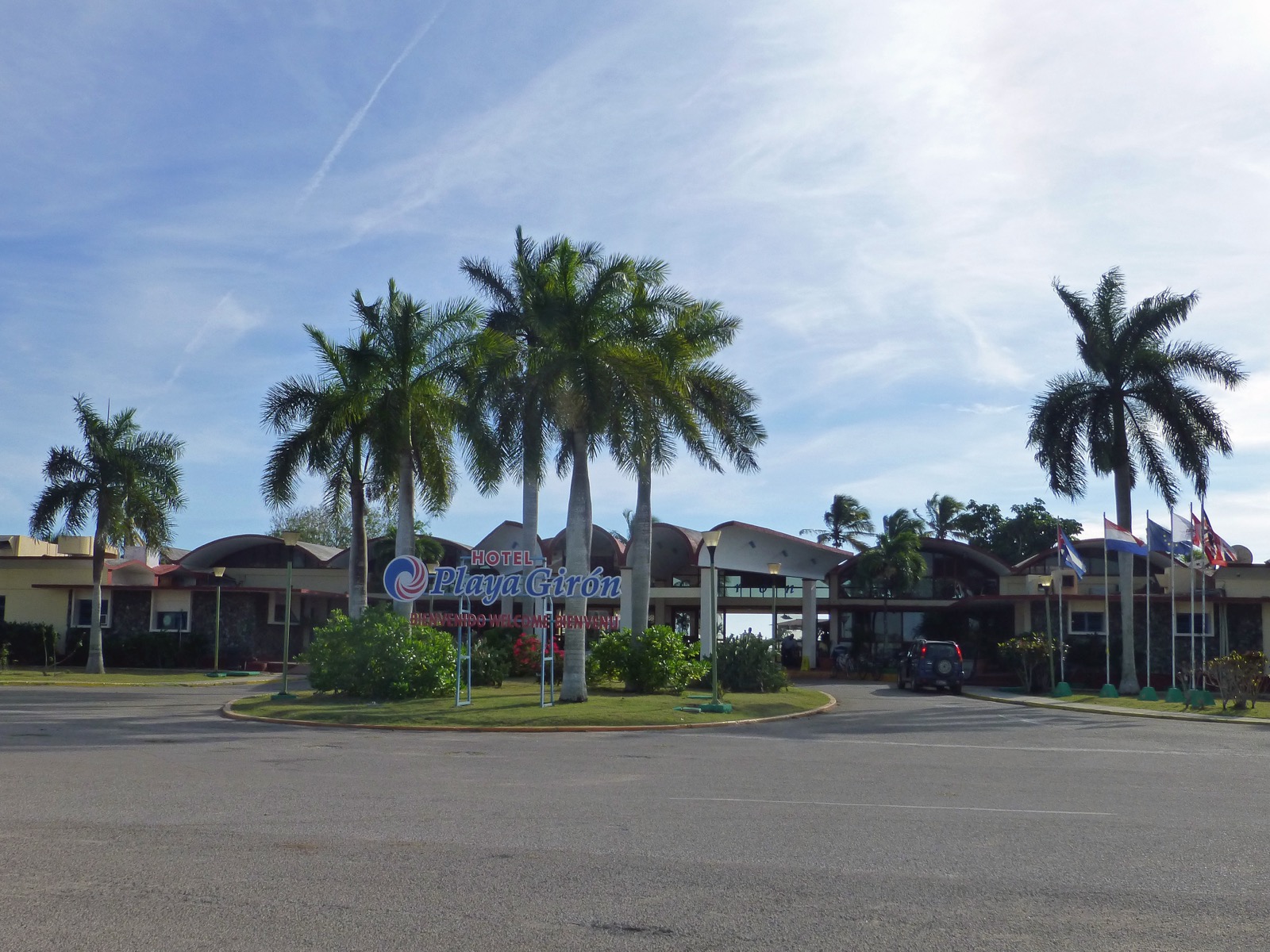
The Bay of Pigs
On the night of Sunday, April 16, 1961, approximately 1,400 Cuban exiles trained by the United States Central Intelligence Agency embarked from a staging port at Puerto Cabezas on Nicaragua's Mosquito Coast aboard chartered freighters of the García Line. They were Brigade 2506 — the operational unit codename derived from the serial number of the brigade's first combat fatality during the Guatemalan training phase. Their objective: an amphibious landing on the southern coast of Cuba at Bahía de Cochinos — the Bay of Pigs — followed by the establishment of a beachhead from which a provisional Cuban government-in-exile would be declared, internal opposition to Fidel Castro's two-and-a-half-year-old revolutionary government would be encouraged, and conventional U.S. military intervention could, if events warranted, be requested under cover of a civil war already in progress. The plan had been developed under the Eisenhower administration from March 1960; the operational variant executed in April 1961 had been authorized by President John F. Kennedy, in office for 87 days, on April 4 and again on April 16. The operation was, in its own operational terms, a comprehensive failure: the air strikes on Cuban airfields scheduled for the morning of April 15 destroyed only a fraction of Castro's air force; the landings on April 17 met immediate, sustained, and well-organized resistance; the second wave of U.S. air support was cancelled by Kennedy on April 16-17; the brigade was overrun at the beach within 72 hours. Brigade casualties: 114 killed, 1,189 captured. The captured personnel were held in Cuba until December 1962 when they were exchanged for approximately $53 million in U.S.-supplied food and medicine. Within weeks of the operation, Kennedy had requested the resignations of CIA Director Allen Dulles, CIA Deputy Director Charles Cabell, and Deputy Director for Plans Richard Bissell. Within eighteen months, the Soviet decision to install medium-range nuclear missiles on Cuban territory — a decision Nikita Khrushchev later attributed in part to the demonstration of U.S. willingness to attempt military overthrow — had brought the United States and the Soviet Union to within hours of nuclear exchange. The Bay of Pigs is the foundational documented operational failure of the U.S. intelligence community and the immediate institutional precursor to the Cuban Missile Crisis.
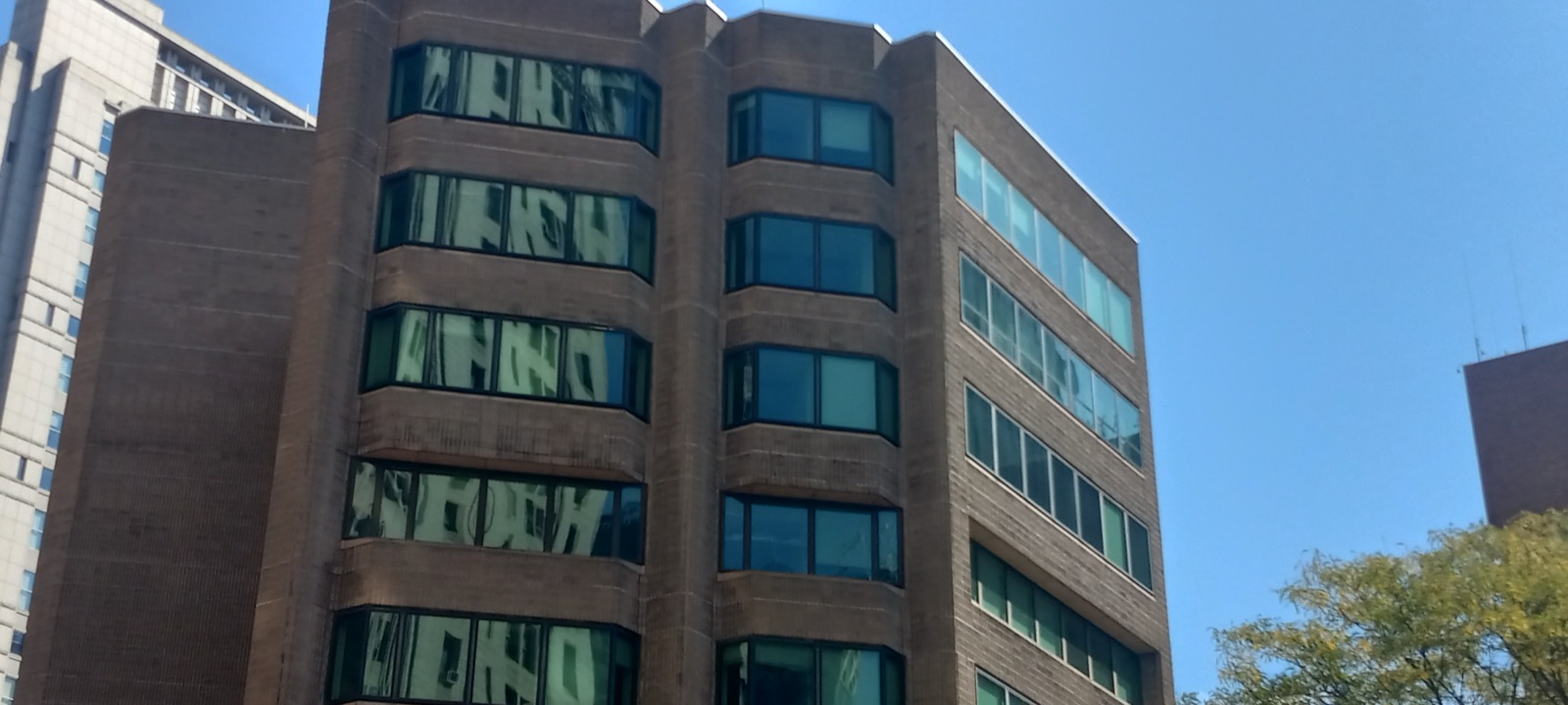
Epstein Didn't Kill Himself
At approximately 6:30 a.m. on Saturday, August 10, 2019, Jeffrey Epstein was found unresponsive in his Special Housing Unit cell at the Metropolitan Correctional Center in lower Manhattan. He was 66 years old, one month into pretrial federal detention on sex-trafficking charges that carried a maximum sentence of 45 years. The Federal Bureau of Prisons announced his death by suicide. The New York City Office of the Chief Medical Examiner, after a five-day review including consultation with Dr. Michael Baden — the prominent independent forensic pathologist retained by Epstein's brother to observe the autopsy — issued a final determination of suicide by hanging. Baden publicly dissented, stating that the pattern of hyoid and thyroid cartilage fractures Epstein exhibited was, in his decades of homicide-investigation experience, more consistent with strangulation than with hanging. The two corrections officers assigned to monitor Epstein on the night of August 9-10 — Tova Noel and Michael Thomas — were subsequently charged with falsifying official records: they had certified mandatory 30-minute observation rounds they had not performed. Both had been awake on personal-shopping websites; both had slept; neither had checked Epstein's cell for approximately three hours. The cell-block surveillance cameras outside Epstein's cell had malfunctioned during the relevant window. The cell itself was not monitored. The phrase 'Epstein didn't kill himself' entered American public discourse within 72 hours of the announcement and has not left it. The federal forensic record concludes suicide. The public conviction, across the U.S. political spectrum, remains substantially otherwise.
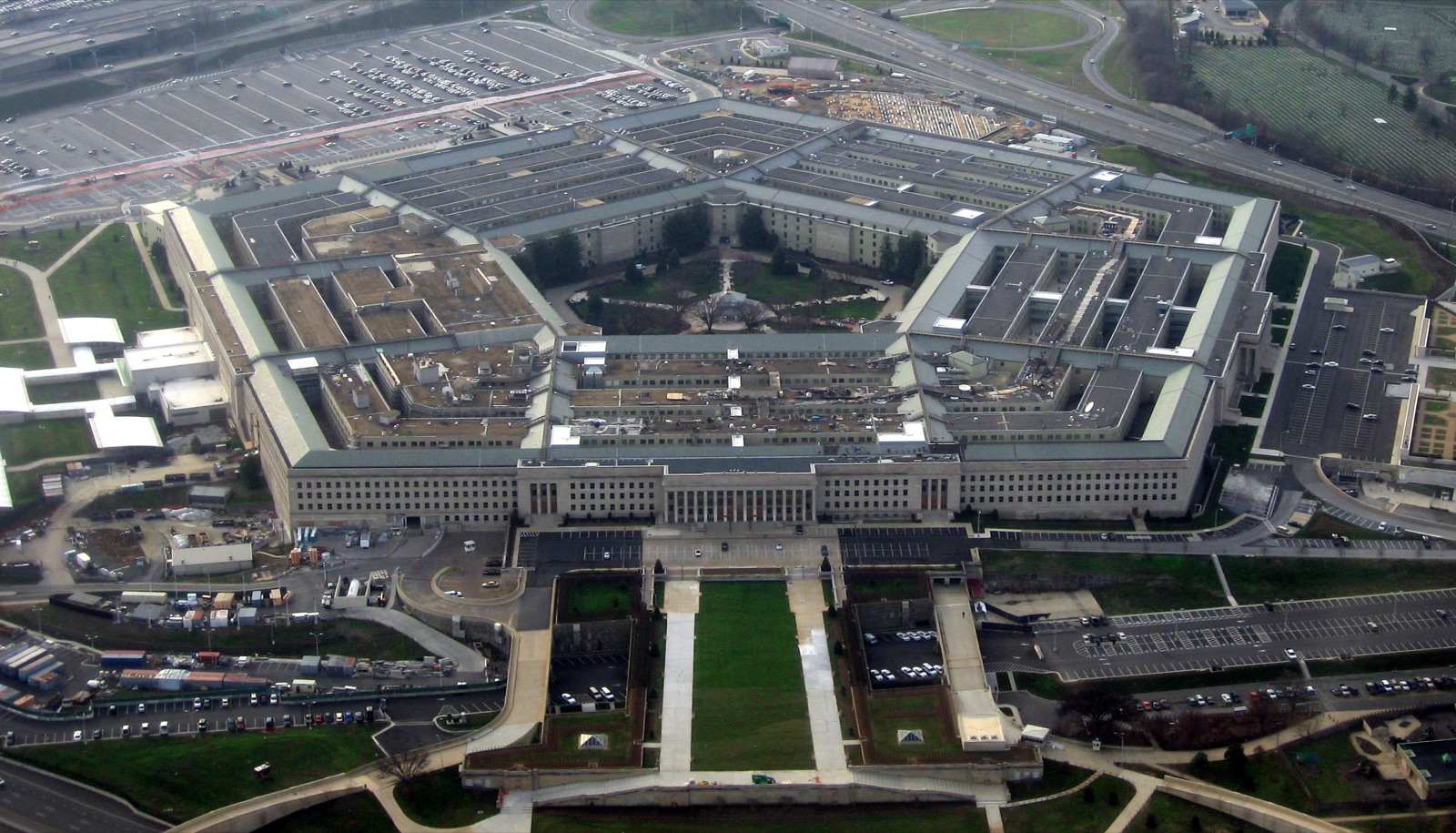
The Pentagon UAP Report
On December 16, 2017, *The New York Times* published a front-page article disclosing that a small, classified program inside the Pentagon — formally the Advanced Aerospace Threat Identification Program, informally AATIP — had been studying military encounters with Unidentified Aerial Phenomena since 2007. The article was accompanied by previously-classified U.S. Navy gun-camera footage of an oval-shaped object filmed off the coast of San Diego by an F/A-18F Super Hornet of the USS Nimitz Carrier Strike Group in November 2004 — the so-called 'Tic-Tac' footage. Over the following seven years, the U.S. Department of Defense has progressively renamed its UAP investigation office (AATIP → UAPTF → AOIMSG → AARO), held three Congressional hearings on UAP, issued one Office of the Director of National Intelligence preliminary report (June 2021), one All-domain Anomaly Resolution Office Historical Record Report Volume I (March 2024), and received Senator Chuck Schumer's UAP Disclosure Act amendment to the 2024 National Defense Authorization Act in substantially diluted form. In July 2023 a former Air Force intelligence officer, David Grusch, testified under oath to the House Oversight Subcommittee on National Security that the U.S. government holds 'non-human biologics' recovered from crashed craft — testimony the Pentagon has denied. The substantive evidentiary picture has not changed since 2017. What has changed is what governments are willing to say in public about it. The case file is open.
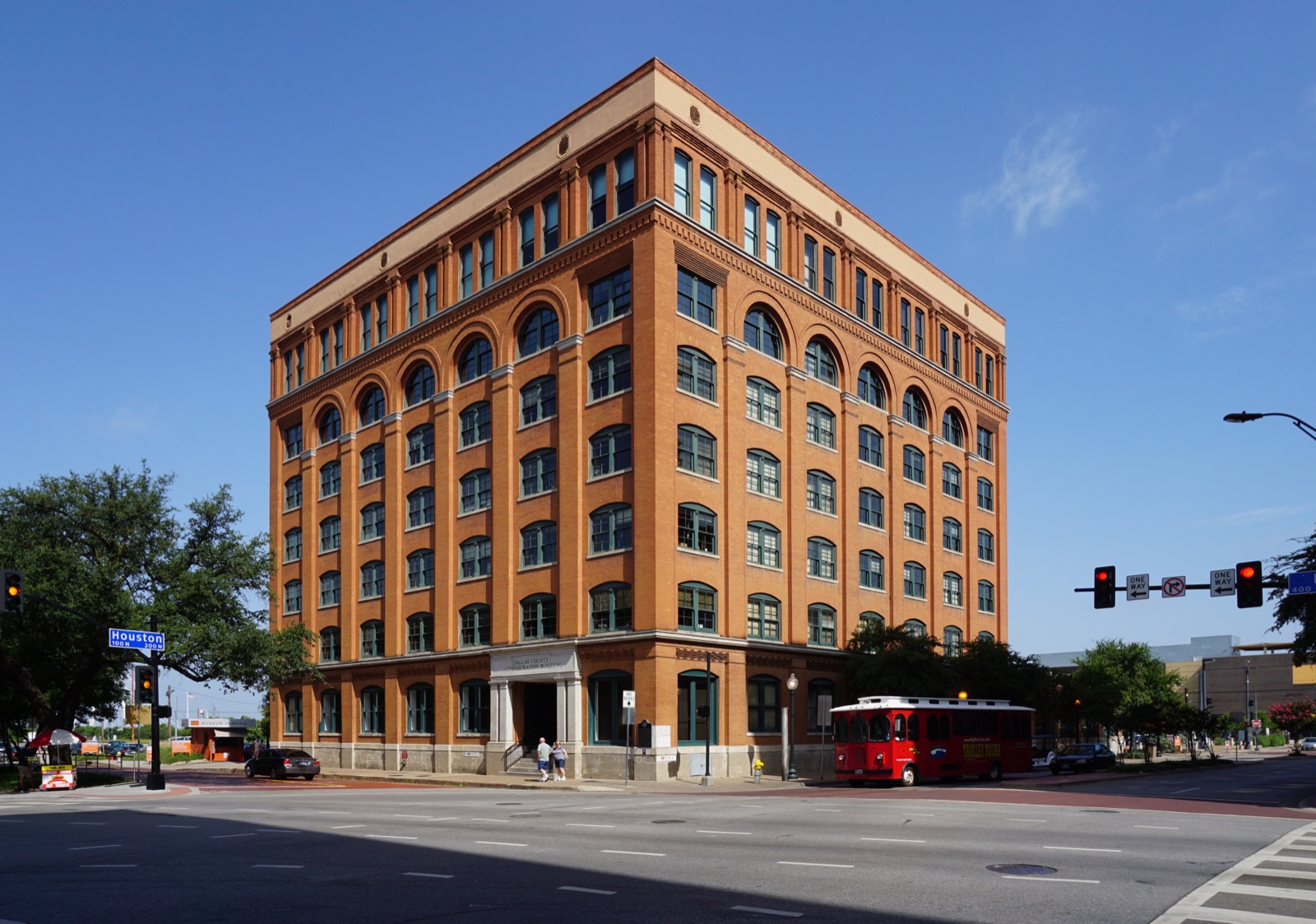
The JFK Assassination
At 12:30 p.m. local time on Friday, November 22, 1963, three rifle shots were fired at the presidential motorcade as it traveled through Dealey Plaza in downtown Dallas. The 35th President of the United States, John Fitzgerald Kennedy, was struck twice — first through the neck and then in the head. He was pronounced dead at Parkland Memorial Hospital at 1:00 p.m. The man arrested for the killing — Lee Harvey Oswald, a 24-year-old former U.S. Marine who had defected to the Soviet Union in 1959 and returned to the United States with his Russian wife in 1962 — was shot to death two days later, on November 24, in the basement of the Dallas Police Department by Jack Ruby, a Dallas nightclub owner with documented organized-crime connections. Oswald was never tried. The Warren Commission, appointed by President Lyndon Johnson on November 29, 1963, concluded in its September 1964 report that Oswald had acted alone. The 1976-1979 House Select Committee on Assassinations concluded that Oswald had assassinated Kennedy but that 'a conspiracy was probable' based on disputed acoustic evidence. Approximately 5 million pages of classified material related to the case have been declassified in waves since the 1992 JFK Records Act — most recently in major batches in October 2017, November 2017, April 2018, December 2022, and June 2023. The final tranche under Trump's second presidency was released March 18, 2025. The declassifications have confirmed extensive operational CIA activity connected to Oswald's pre-assassination movements but have not produced documentary evidence of a second shooter or of senior-level U.S. government involvement. The case remains the foundational American conspiracy story and the principal modern example of how partially-declassified state files can sustain — rather than resolve — public doubt.
Big Tobacco's Cancer Cover-Up
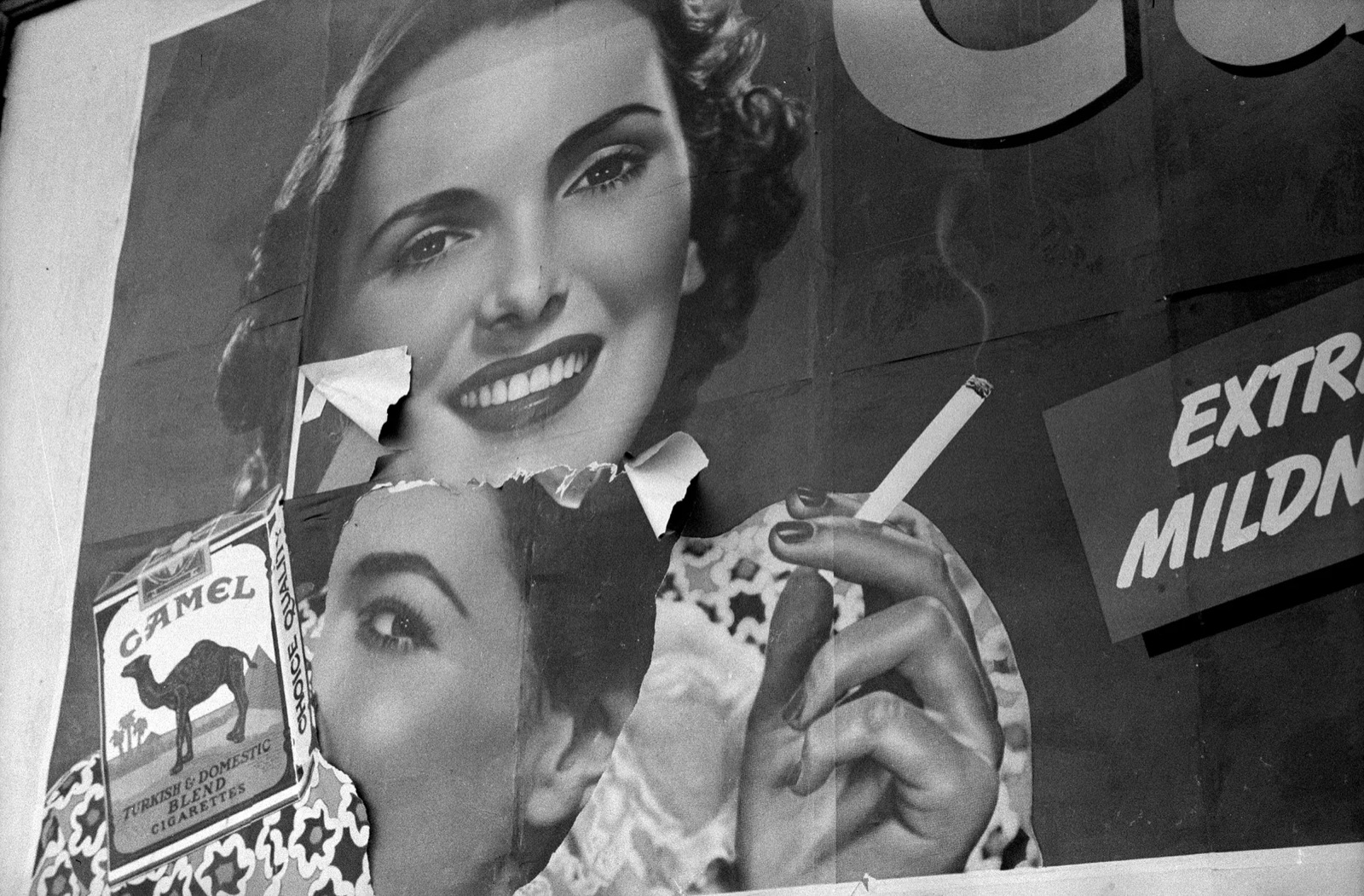
On the morning of January 4, 1954, a full-page advertisement appeared in 448 American newspapers under the headline *A Frank Statement to Cigarette Smokers*. It was signed by the chief executives of the United States' six largest tobacco companies. The advertisement assured the American public that 'there is no proof that cigarette smoking is one of the causes of cancer' and that the industry would underwrite scientific research to find the truth. The advertisement had been drafted by John W. Hill of the Hill & Knowlton public-relations firm, hired by the tobacco industry's chief executives at a meeting at the Plaza Hotel in New York on December 14-15, 1953. The strategy that the meeting produced — manufacture doubt about epidemiological evidence the industry already privately accepted, do this through industry-funded research that produced findings inconsistent with the public-health consensus, and continue to sell cigarettes to American smokers while doing so — would be sustained for forty-four years. It would be ended, in 1998, by the Master Settlement Agreement: the largest civil legal settlement in American history at $206 billion across 25 years, paid by the surviving tobacco companies to 46 states, the District of Columbia, and five U.S. territories. By that point, an estimated 8 million Americans had died from smoking-related cancers, cardiovascular disease, and respiratory illness during the cover-up period.
DuPont and PFOA
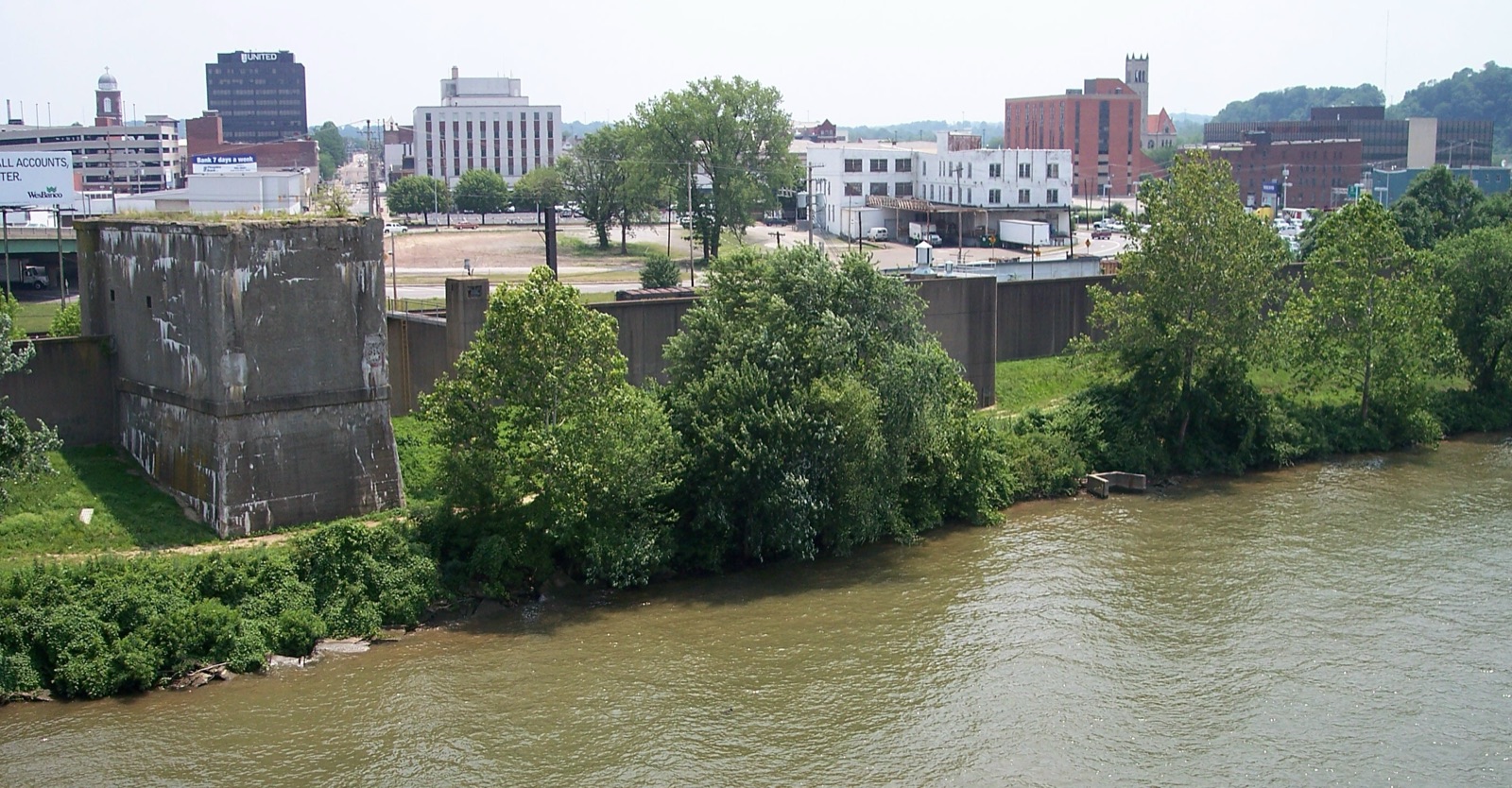
In October 1998, a West Virginia cattle farmer named Wilbur Tennant called a Cincinnati lawyer named Robert Bilott about 153 dead cows. The cows had been drinking from Dry Run Creek, three miles downstream from the DuPont Washington Works chemical plant. Tennant's home video showed cattle with bloody mouths, gum cancer, and stumbling gaits before they died. Bilott — a corporate-defense attorney at Taft Stettinius & Hollister who had spent his career representing chemical companies — agreed to look at the file as a personal favor to his grandmother, who knew the Tennant family. The look became a twenty-year case. By the time Bilott was finished, he had uncovered: that DuPont had been releasing perfluorooctanoic acid (PFOA, code-named 'C8') into the Ohio River and into landfills for over forty years; that DuPont had known PFOA was toxic since at least 1961; that the company's own animal studies in 1981 had shown birth defects in offspring of exposed female workers; and that approximately 99% of the U.S. population, by 2007, had detectable levels of PFOA in their blood. The 2005 EPA fine ($16.5 million) was the largest in U.S. environmental enforcement history at the time. The 2017 multi-district settlement was $670.7 million. The C8 Science Panel — established as part of an earlier 2005 class-action settlement — confirmed by 2012 that PFOA is causally linked to six diseases including kidney and testicular cancer. PFOA was phased out of U.S. production by 2015. Its environmental persistence — half-life in human blood is approximately 3.8 years — means that, by 2025, every American adult has some PFOA exposure dating from the production era. The chemical that made non-stick cookware possible is, in this sense, still with us.
Purdue Pharma and OxyContin
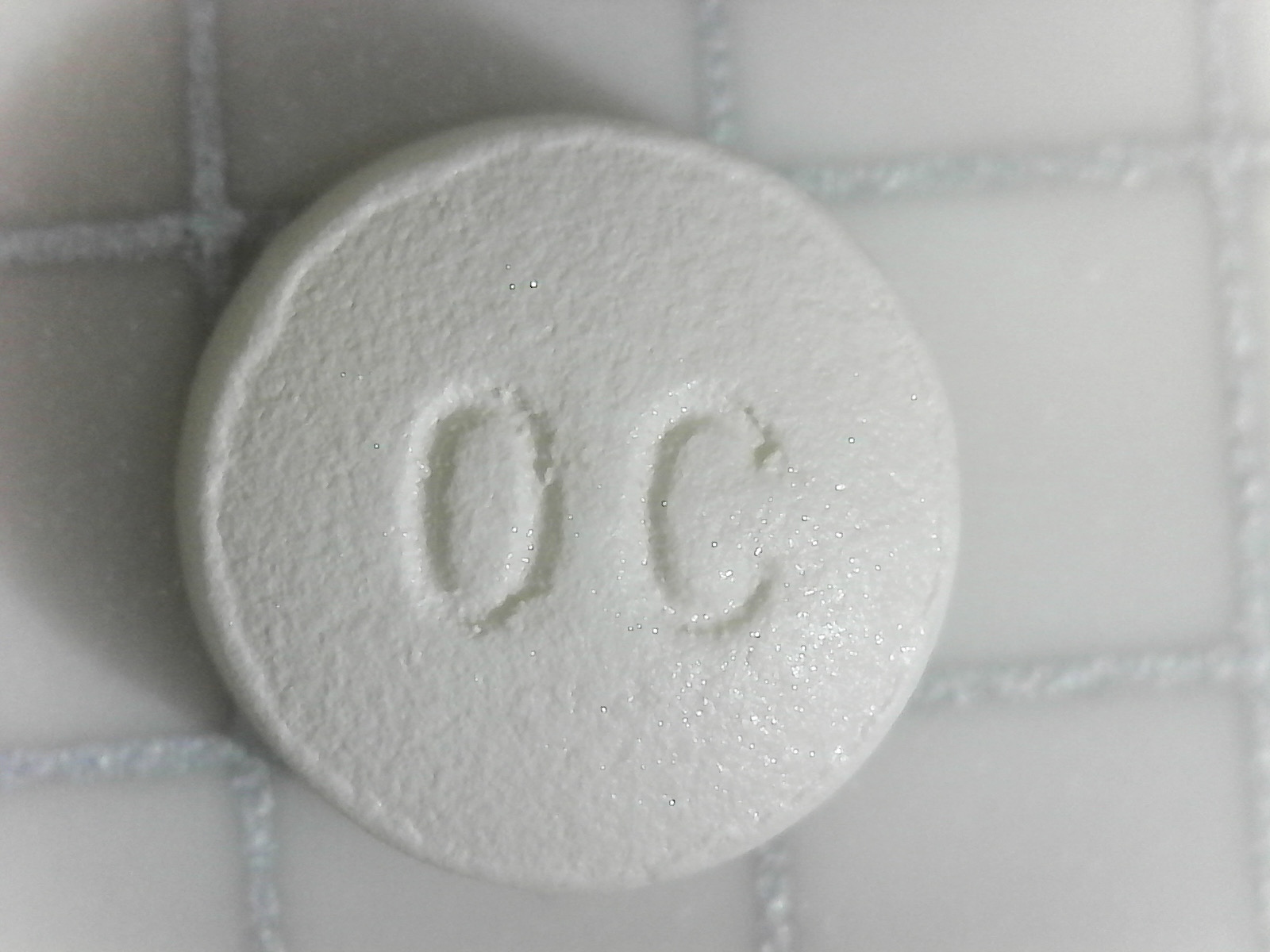
In December 1995, the U.S. Food and Drug Administration approved a new extended-release oxycodone formulation manufactured by the privately-held Stamford, Connecticut pharmaceutical company Purdue Pharma. The drug was called OxyContin. Its FDA-approved label stated that the controlled-release formulation 'is believed to reduce the abuse liability of the drug.' Within weeks of the January 1996 launch, Purdue's sales force was telling physicians that the risk of addiction was 'less than one percent' — a number drawn from a single 1980 letter to the editor in the *New England Journal of Medicine* that the company would, over the next twenty years, cite approximately 600 times in its promotional materials. The letter had observed 4 cases of addiction in 11,882 hospitalized patients given any opioid for any duration. It was not, by any reasonable standard, evidence for an outpatient sustained-release formulation. By 2010, OxyContin's annual revenue had reached approximately $3.1 billion. By 2017, drug overdose was the leading cause of death for Americans under 50. The cumulative U.S. opioid death toll from 1999 to 2023, by the CDC's count, exceeded 700,000. Purdue Pharma pleaded guilty to federal criminal misbranding charges in 2007 (paying $634.5 million) and again in 2020 (agreeing to $8.3 billion in penalties as part of a bankruptcy reorganization). The Sackler family — owners of Purdue throughout the period — were the subject of a separate $6 billion settlement that was struck down by the U.S. Supreme Court in 2024 (*Harrington v. Purdue Pharma*) and is, as of mid-2026, being renegotiated. Patrick Radden Keefe's 2021 book *Empire of Pain* is the most comprehensive single-volume treatment of the case.
7 files · end of the line